Water
Water thoroughly when the soil is dry, typically during the growing season. Reduce watering significantly in winter to prevent root rot.
Ensure excellent drainage; cycads are highly susceptible to overwatering and soggy conditions.
Also known as Bushman's River Cycad · Eastern Cape Cycad · Prickly Cycad
Safety note: This plant may be toxic to humans and pets. See toxicity details.
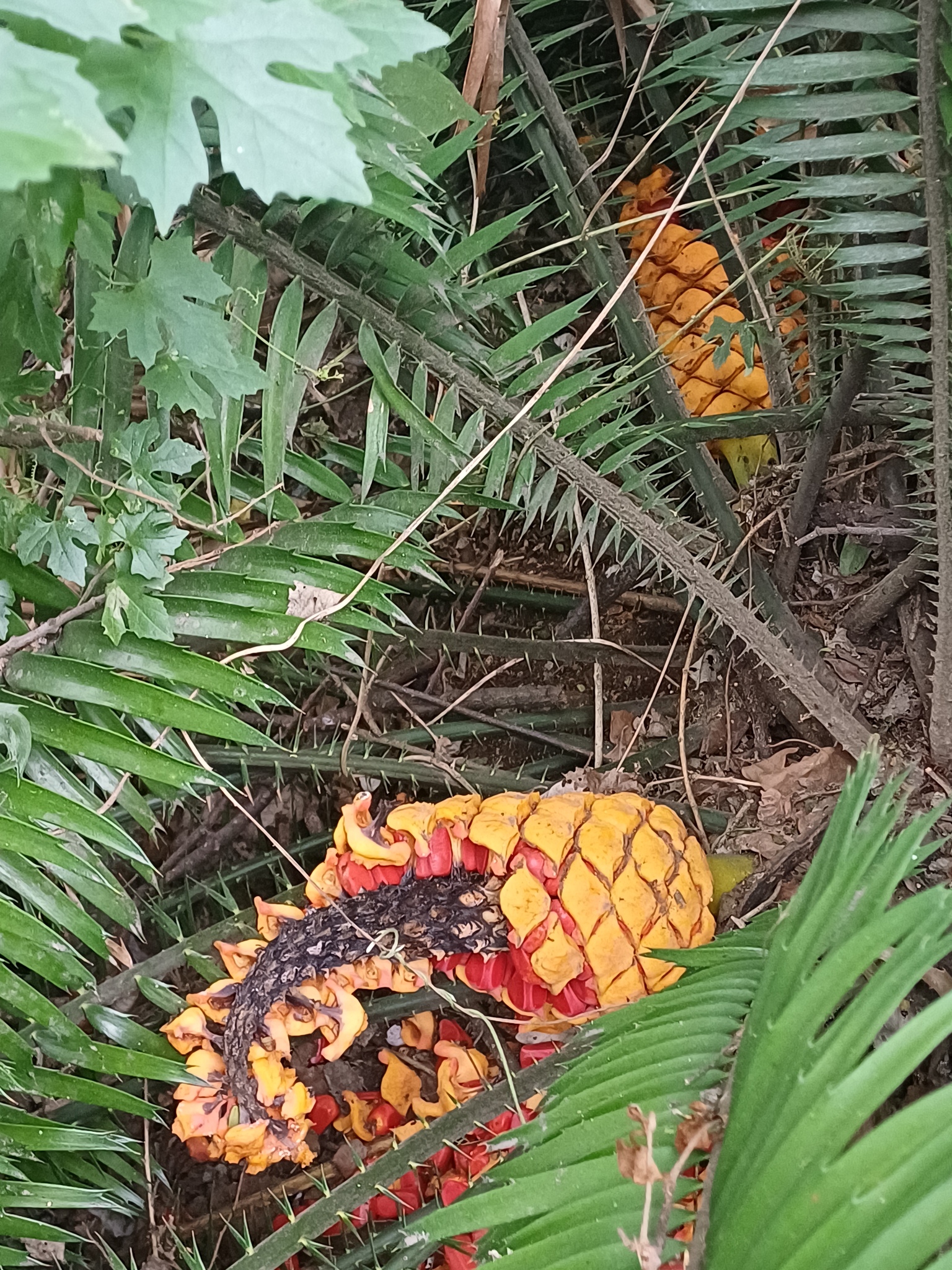
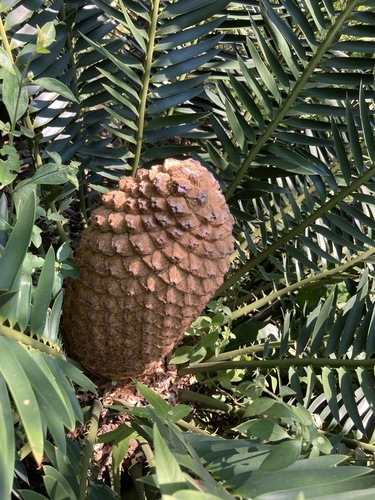
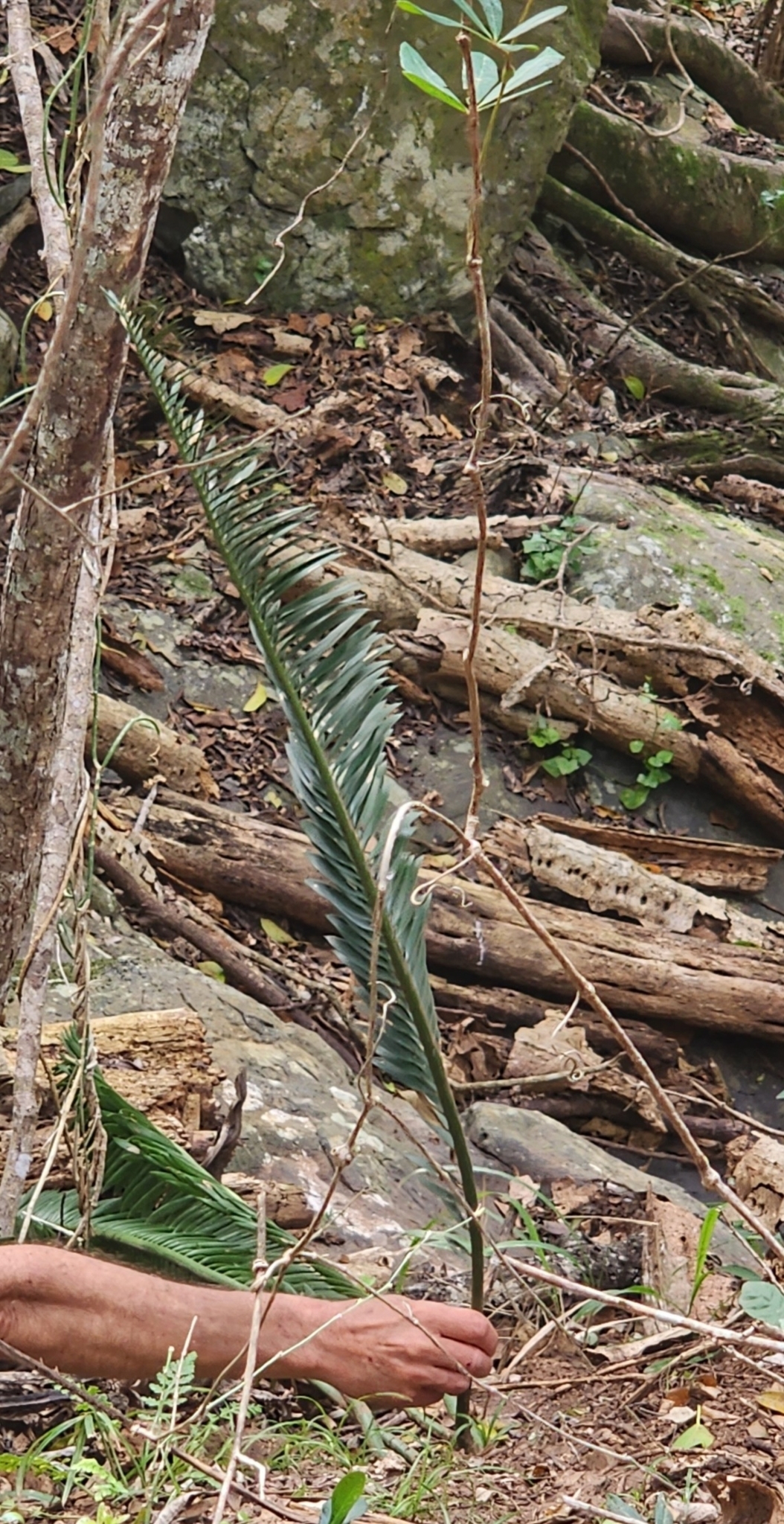
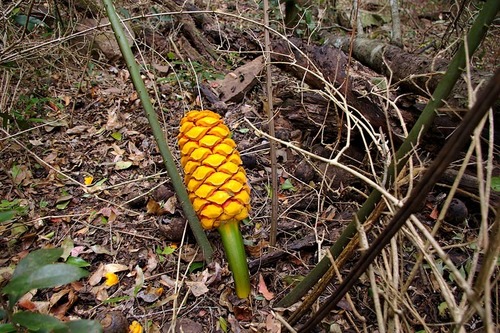
Encephalartos altensteinii, the Eastern Cape giant cycad, is a striking evergreen cycad with a stout trunk and a crown of stiff, blue-green leaves, native to South Africa
At-a-glance light, water, soil, and growing conditions from plant data
High
75% intensity
Prefers full sun, but can tolerate partial shade, especially in very hot climates.
Moderate
50% intensity
Allow soil to dry out between waterings. Reduce in winter.
Well-drained soil
50% intensity
Moderate
50% intensity
Prefers warm to hot temperatures. Protect from frost.
Low
25% intensity
Feed sparingly during the growing season with a balanced fertilizer.
Safety information from plant toxicity data
| Attribute | Value |
|---|---|
| Toxic for humans | Yes 5/5 intensity |
| Toxic for pets | Yes 5/5 intensity |
| Edible | No |
All parts of the plant are toxic if ingested, containing cyanogenic glycosides.
Key traits and growing stats from plant data
Watering, pruning, propagation, and repotting details from plant data
Water thoroughly when the soil is dry, typically during the growing season. Reduce watering significantly in winter to prevent root rot.
Ensure excellent drainage; cycads are highly susceptible to overwatering and soggy conditions.
Prune only to remove dead, damaged, or diseased leaves. Cut leaves at the base of the stem. Avoid removing healthy leaves as they are essential for the plant's energy production and overall health.
Propagation is primarily through seeds, which can be slow to germinate. Ensure seeds are fresh and kept moist. Alternatively, offsets (pups) can be carefully removed from the base of mature plants and potted separately.
Repot infrequently, only when the plant becomes root-bound, typically every 3-5 years. Use a well-draining potting mix, such as a cactus or succulent blend. Handle the roots with care to avoid damage.
Identify plants like this with ePlant AI
Snap a photo to get care tips and match similar species on the go.
Monthly activity intensity for bloom and fruit across both hemispheres.
Flowering & fruiting calendar
Flowering & fruiting calendar
Photos of Eastern Cape Giant Cycad (Encephalartos altensteinii)
Common names and botanical synonyms
Botanical classification
| Rank | Name |
|---|---|
| Kingdom | Plantae |
| Division | Tracheophyta |
| Class | Cycadopsida |
| Order | Cycadales |
| Family | Zamiaceae |
| Genus | Encephalartos |
| Species | Encephalartos altensteinii |
Similar in genus Encephalartos
Answers based on plant encyclopedia data