Water
Keep the soil consistently moist but not waterlogged. Water when the top 2-3 cm of soil feels dry to the touch.
Avoid letting the plant dry out completely, especially during warmer months or when in bloom, as this can stress the plant.
Also known as British Primrose · Butter Rose · Common Primrose
Safety note: This plant may be toxic to humans and pets. See toxicity details.
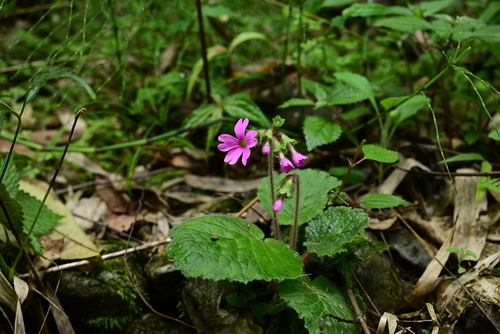
Primrose (Primula vulgaris) is a charming spring-blooming perennial native to Europe, known for its cheerful yellow flowers and basal rosette of wrinkled leaves. It thriv
At-a-glance light, water, soil, and growing conditions from plant data
Partial shade
50% intensity
Prefers bright, indirect light. Protect from intense afternoon sun, which can scorch leaves.
Consistent moisture
50% intensity
Maintain evenly moist soil, allowing the top layer to dry slightly between waterings.
Well-drained, humus-rich
50% intensity
Cool to moderate
50% intensity
Thrives in cooler temperatures, ideally between 10-18°C. Protect from extreme heat and frost.
Moderate feeding
50% intensity
Feed lightly during the growing season with a balanced liquid fertilizer.
Safety information from plant toxicity data
| Attribute | Value |
|---|---|
| Toxic for humans | Yes 2/5 intensity |
| Toxic for pets | Yes 3/5 intensity |
| Edible | No |
Mildly toxic, can cause gastrointestinal upset and skin irritation.
Key traits and growing stats from plant data
Watering, pruning, propagation, and repotting details from plant data
Keep the soil consistently moist but not waterlogged. Water when the top 2-3 cm of soil feels dry to the touch.
Avoid letting the plant dry out completely, especially during warmer months or when in bloom, as this can stress the plant.
Deadhead spent flowers regularly to encourage more blooms and prevent seed formation. Remove any yellowing or damaged leaves as they appear. Minimal pruning is otherwise required for Primula vulgaris.
Primroses can be propagated by seed sown in late summer or early autumn, or by division of established clumps in early spring or autumn. Division is often the easiest method for home gardeners.
Repot young plants annually in spring into slightly larger pots. Mature plants can be repotted every 2-3 years or when they become root-bound. Use a well-draining potting mix.
Identify plants like this with ePlant AI
Snap a photo to get care tips and match similar species on the go.
Monthly activity intensity for bloom and fruit across both hemispheres.
Flowering & fruiting calendar
Flowering & fruiting calendar
Photos of Primrose (Primula vulgaris)
Where Primrose (Primula vulgaris) is found

Density
Tap map to explore
10 known issues from plant disease data

Thielaviopsis root rot in Primulas causes blackened roots, stunted growth, leaf yellowing, and a slow decline that weakens plants.

Powdery mildew on Primulas leaves a white powdery coating on leaves and buds, causing distortion, fading, and poor flowering.

Tomato spotted wilt in Primulas causes bronzed or spotted leaves, ring markings, distorted growth, and damaged or misshapen flowers.

Primula mosaic in Primulas causes mottled or streaked leaves and flowers, uneven color, and distorted growth that reduces display quality.
Common names and botanical synonyms
Botanical classification
| Rank | Name |
|---|---|
| Kingdom | Plantae |
| Division | Tracheophyta |
| Class | Magnoliopsida |
| Order | Ericales |
| Family | Primulaceae |
| Genus | Primula |
| Species | Primula vulgaris |
Similar in genus Primula
Answers based on plant encyclopedia data