Skip to plant details

SeasonvineCissus verticillata

Also known as Possum Grape · Princess Vine · Pudding Withe

  • Category: Foliage, Ornamental
  • Type: Vine
  • Sunlight: Bright, indirect light.
  • Water: Water when top inch of soil is dry.
  • Temperature: Prefers warm temperatures.
  • Habitat: Outdoor, Greenhouse, Indoor

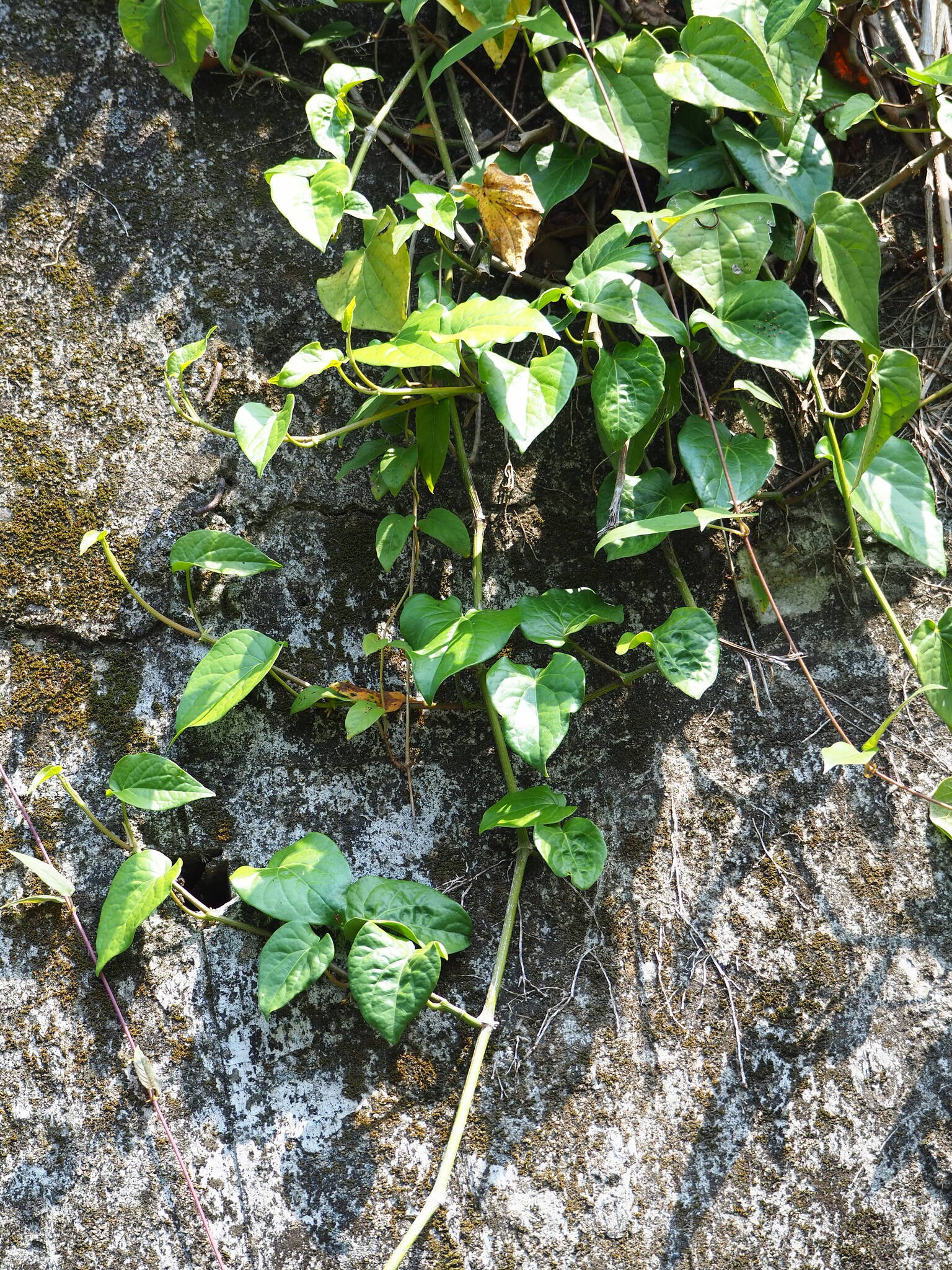
Cissus verticillata, commonly known as Seasonvine, is a vigorous tropical vine with attractive foliage, ideal for covering structures or as a hanging plant.

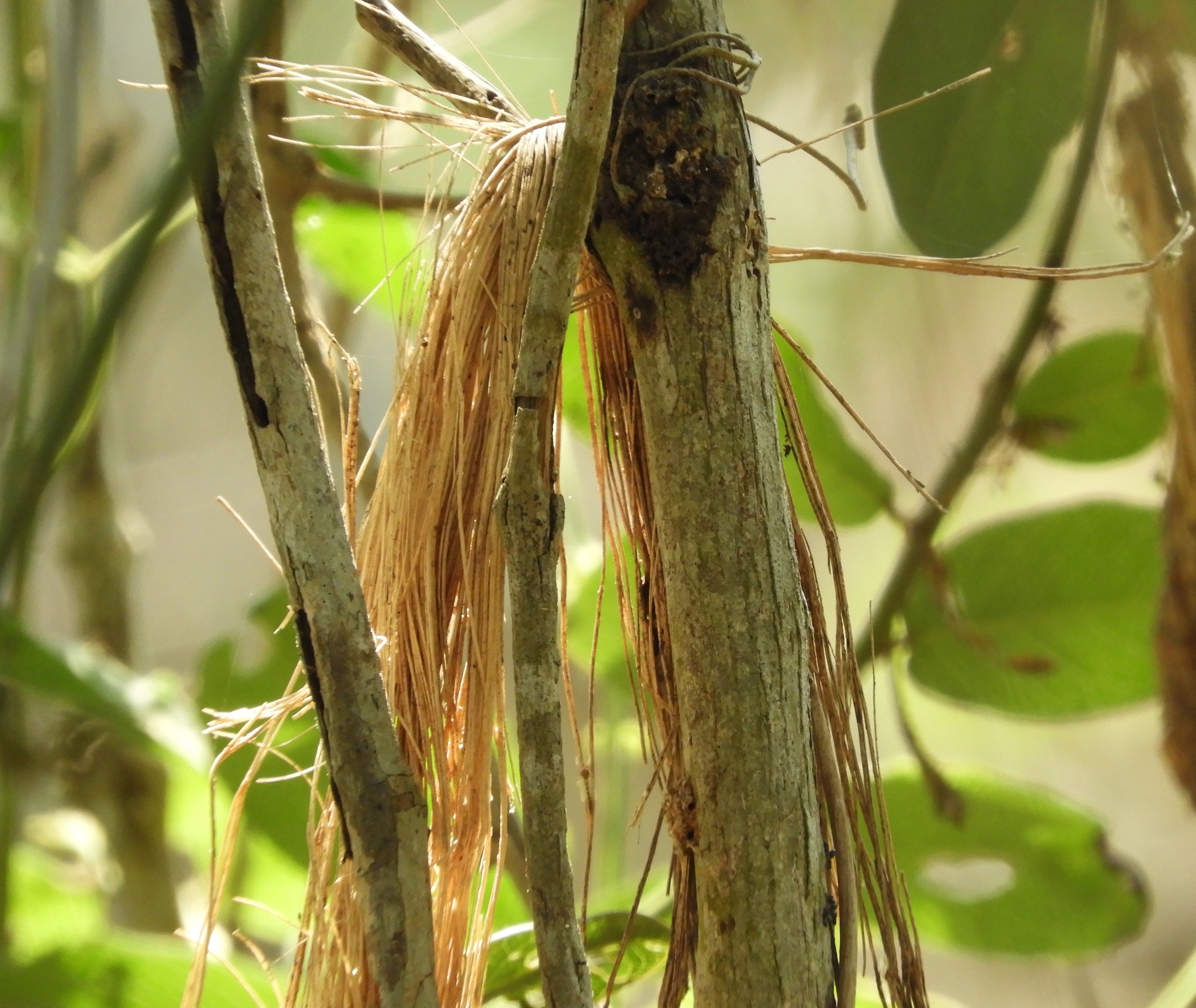
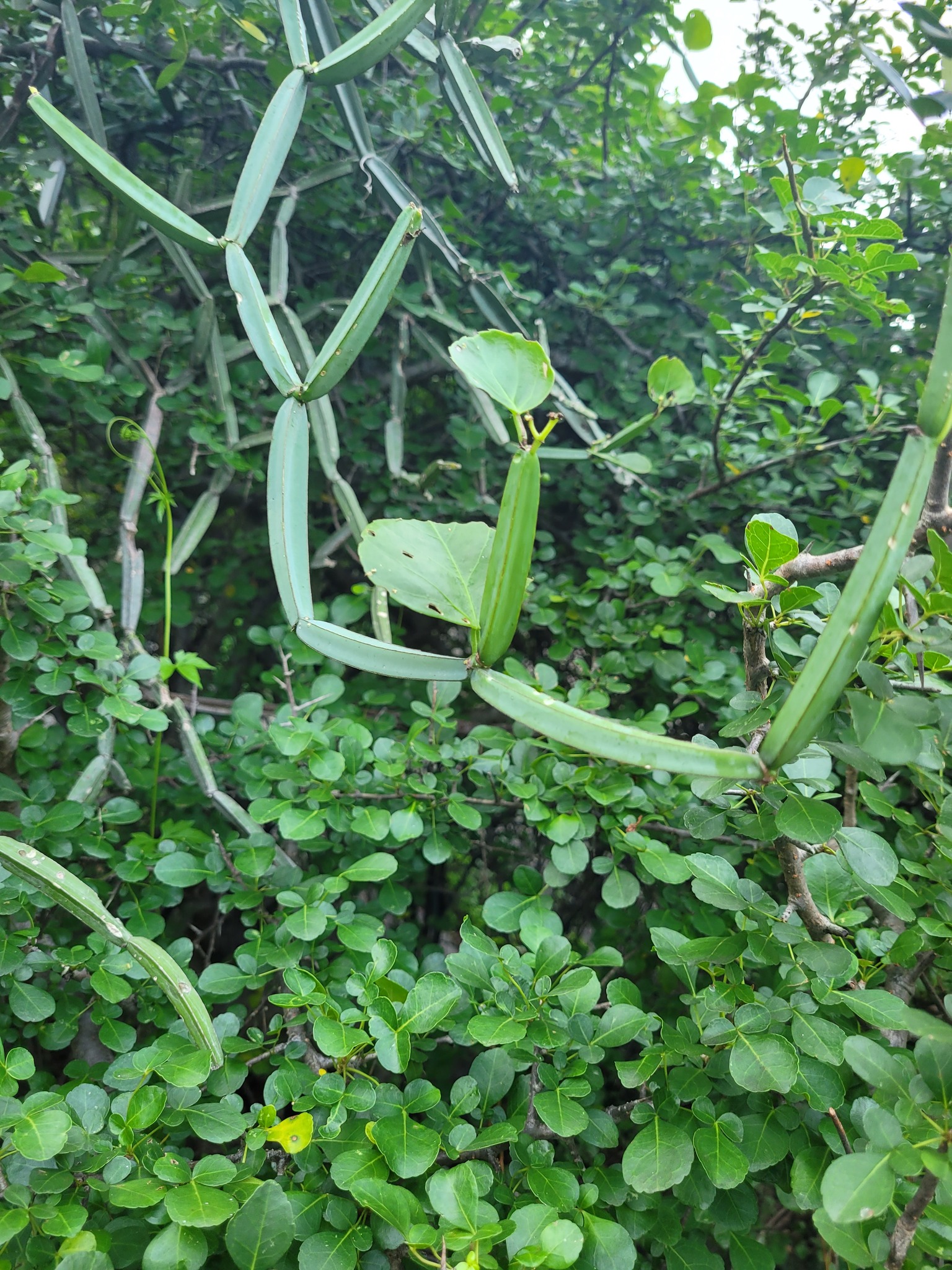
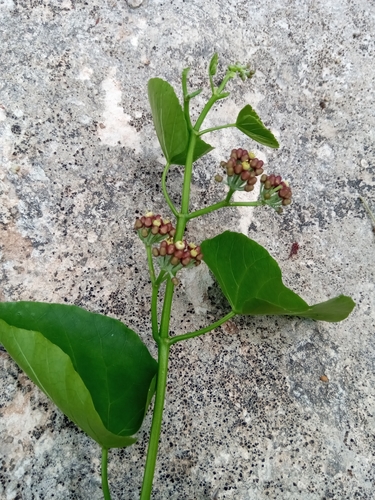
Cissus verticillata, commonly known as Seasonvine, is a vigorous climbing plant belonging to the Vitaceae family, which also includes grapevines. This species is recognized for its adaptable nature and its role in various ecosystems. It is a perennial vine that can grow to considerable lengths, often twining around trees and other structures to reach sunlight. The plant's growth habit is characterized by its tendrils, which are modified stems used for climbing and anchoring. The physical characteristics of Cissus verticillata are distinctive. Its leaves are typically simple, alternate, and palmately lobed, often with three to five lobes that are ovate to lanceolate in shape. The leaf margins can be serrated or entire. The surface of the leaves is usually glabrous or sparsely pubescent, and they are borne on petioles. The inflorescences are axillary cymes, bearing small, inconspicuous flowers. The flowers are usually greenish or yellowish and possess four petals. Following successful pollination, the plant produces small, globose berries, which are typically black or dark purple when mature. These berries are an important food source for wildlife. The bark of mature stems is often rough and somewhat woody. Cissus verticillata is native to a wide range of tropical and subtropical regions, with its distribution extending across the Americas, from the southern United States through Mexico, Central America, and into South America, as well as parts of the Caribbean. It thrives in a variety of natural habitats, including humid forests, savannas, disturbed areas, and along waterways. In cultivation, it prefers well-drained soils and can tolerate a range of light conditions, from full sun to partial shade, though it generally performs best with ample sunlight. It is relatively drought-tolerant once established but benefits from regular watering, especially during dry periods. While not widely cultivated for ornamental purposes on a large scale, Cissus verticillata can be an attractive addition to gardens, particularly in warmer climates where it can be allowed to scramble over trellises, walls, or natural features. Its ecological importance is notable, as its fruits provide sustenance for birds and other frugivores, contributing to seed dispersal. Historically, some species within the Cissus genus have been explored for various uses, but specific, well-established medicinal, culinary, or economic applications directly attributed to Cissus verticillata are not widely documented in scientific literature. An interesting characteristic of Cissus verticillata is its ability to adapt to different environmental conditions, allowing it to colonize a variety of niches. The presence of tendrils is a key adaptation for its climbing lifestyle, enabling it to access elevated positions for optimal light capture. The production of berries also plays a crucial role in its reproductive strategy, relying on animal vectors for dispersal. The plant's resilience and vigorous growth make it a common sight in its native range, where it is an integral part of the local flora.

Photograph © Armando Castillo

Seasonvine Care Summary

At-a-glance light, water, soil, and growing conditions from plant data

Light

Bright, indirect light.

70% intensity

Tolerates partial shade.

Water

Water when top inch of soil is dry.

60% intensity

Avoid waterlogged conditions.

Soil

Well-draining potting mix, such as a blend of peat moss, perlite, and compost. Tolerates a range of soil types if drainage is adequate.

50% intensity

Temperature

Prefers warm temperatures.

80% intensity

Ideal range 18-25°C.

Habitat

Outdoor, Greenhouse, Indoor

50% intensity

Fertilizer

Feed during growing season.

50% intensity

Balanced liquid fertilizer every 2-4 weeks.

Seasonvine Toxicity

Safety information from plant toxicity data

Toxicity details for Seasonvine
AttributeValue
Toxic for humansNo

0/5 intensity

Toxic for petsNo

0/5 intensity

EdibleNo

Seasonvine Quick Facts

Key traits and growing stats from plant data

Plant Type
Vine
Plant Category
Foliage, Ornamental
Plant Place Type
Ground, Pot, Hanging
Plant Environment
Outdoor, Greenhouse, Indoor
Lifespan
Perennials
Plant Height
5-10 m
Spread
3-6 m
Growth Rate
Fast
Dormancy
None
Leaf Color
Green
Leaf Type
Compound
Flower Size
0.5 cm

Care guide for Seasonvine

Watering, pruning, propagation, and repotting details from plant data

Water

Water thoroughly when the top inch of soil feels dry. Cissus verticillata prefers consistently moist soil but dislikes waterlogged conditions. Reduce watering slightly during winter.

Pruning

Prune to maintain shape and size, and to encourage bushier growth. Remove any dead, damaged, or leggy stems. Pruning can be done anytime, but is best in late winter or early spring.

Propagation

Easily propagated from stem cuttings taken in spring or summer. Place cuttings in water or moist potting mix until roots form. Can also be grown from seed.

Repotting

Repot every 2-3 years or when the plant becomes root-bound. Use a pot that is one size larger than the current one. Spring is the ideal time for repotting.

Identify plants like this with ePlant

Snap a photo to get care tips and match similar species on the go.

Try for Free

Flowering & Fruiting Cycles

Monthly activity intensity for bloom and fruit across both hemispheres.

Northern hemisphere

Flowering & fruiting calendar

Peak bloom · JulPeak fruit · Aug
FloweringFruiting
02468JanFebMarAprMayJunJulAugSepOctNovDecActivity intensityMonths67
Southern hemisphere

Flowering & fruiting calendar

Peak bloom · JunPeak fruit · Jul
FloweringFruiting
02468JanFebMarAprMayJunJulAugSepOctNovDecActivity intensityMonths67

Seasonvine Names & Synonyms

Common names and botanical synonyms

Common Names

  • Possum Grape
  • Princess Vine
  • Pudding Withe
  • Seasonvine
  • West Indian Cissus

Synonyms

  • Phoradendron verticillatum (L.) Druce
  • Viscum verticillatum L.

Seasonvine Taxonomy

Botanical classification

Taxonomic classification of Seasonvine
RankName
kingdomPlantae
divisionTracheophyta
classMagnoliopsida
orderVitales
familyVitaceae
genusCissus
speciesCissus verticillata

Seasonvine FAQs

Answers based on plant encyclopedia data

How often should I water Cissus verticillata?

Water thoroughly when the top inch of soil is dry. Ensure good drainage to prevent root rot.

What kind of light does Seasonvine need?

It thrives in bright, indirect light. It can tolerate some shade but avoid prolonged direct sun exposure.

Can Cissus verticillata be grown indoors?

Yes, it can be grown indoors as a houseplant, provided it receives adequate light and is kept in a warm environment.

How do I prune Cissus verticillata?

Prune to control size and shape, and to encourage denser growth. Remove any dead or leggy stems as needed.

Is Cissus verticillata poisonous to pets?

No, Cissus verticillata is not considered toxic to pets.