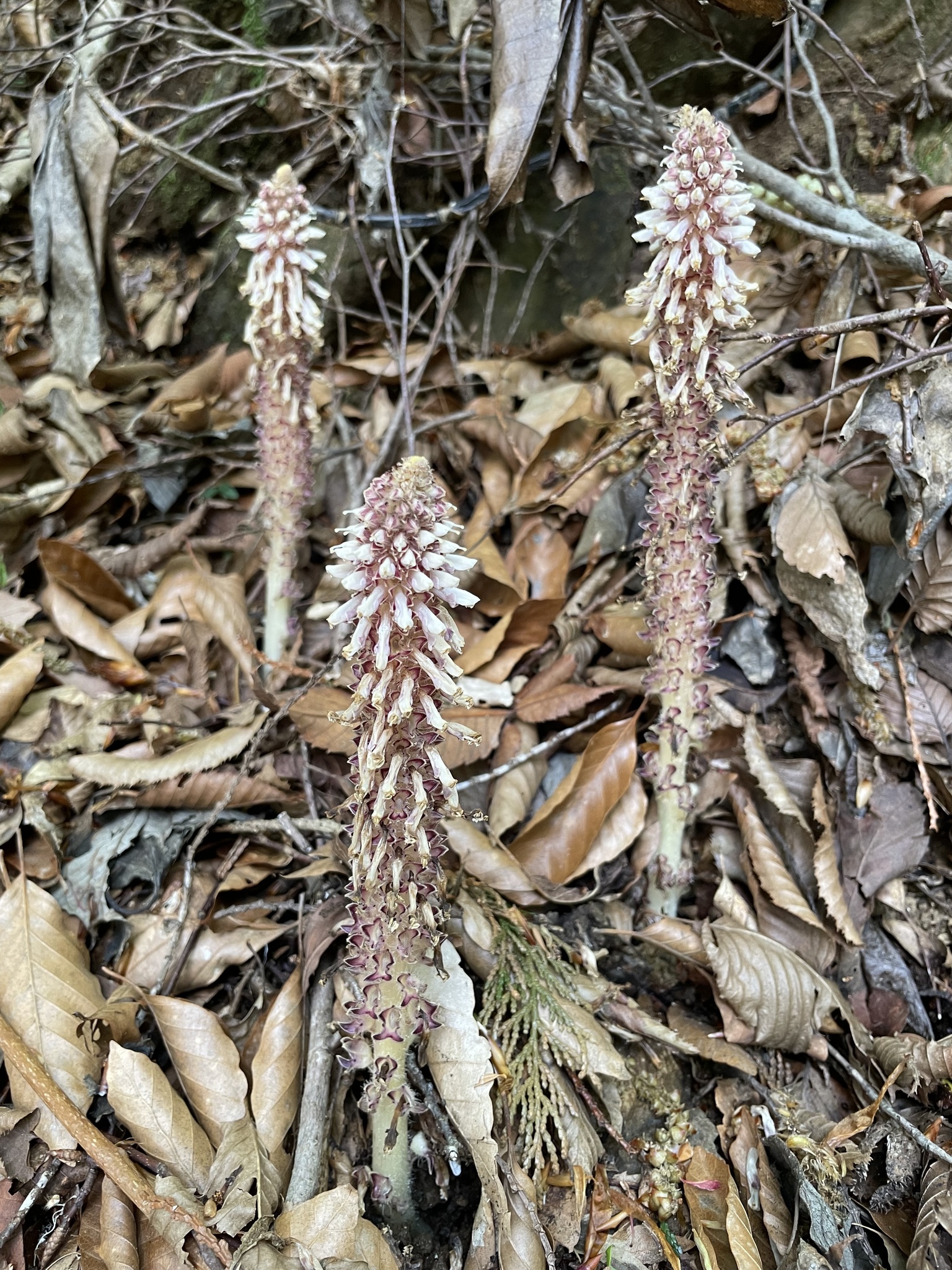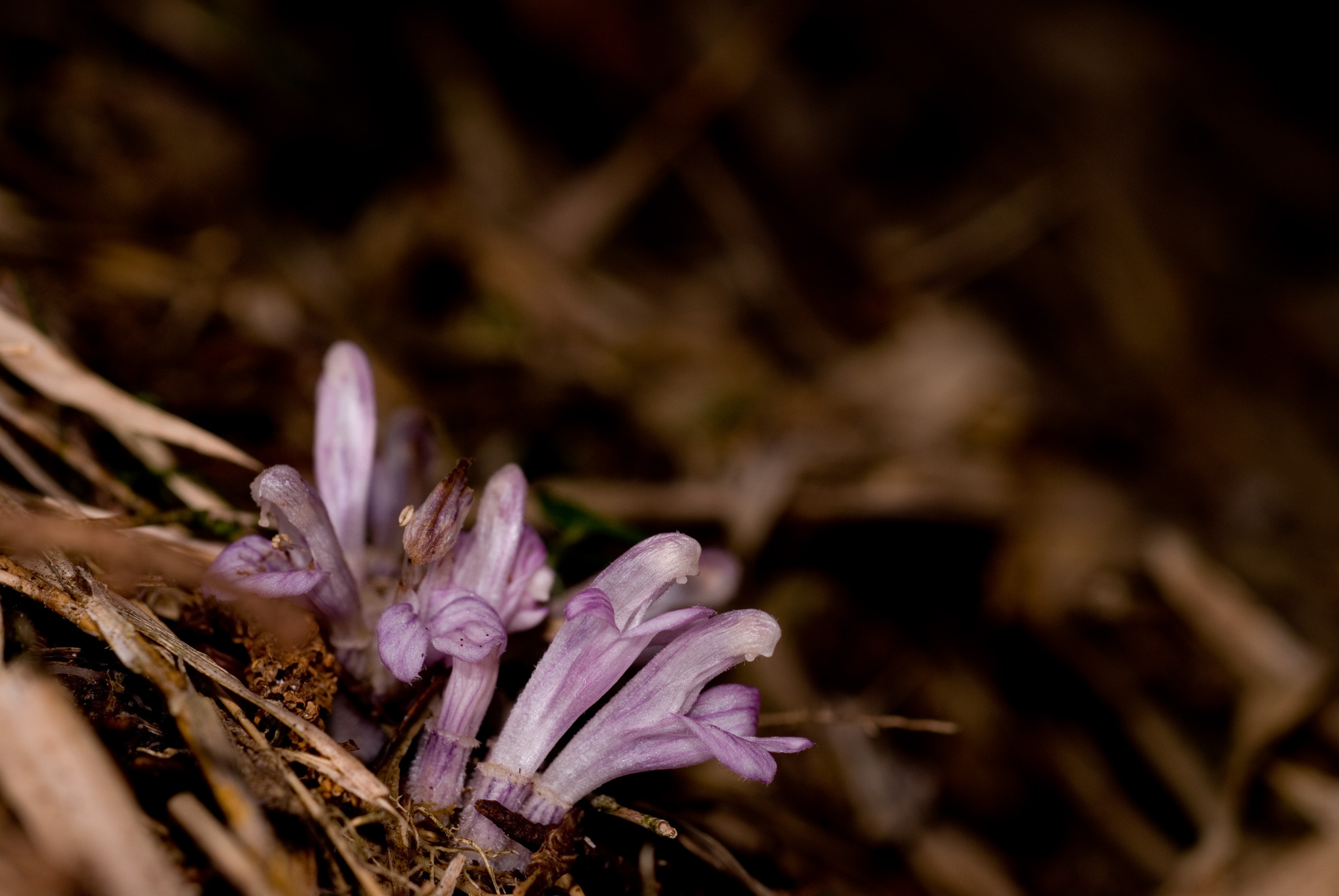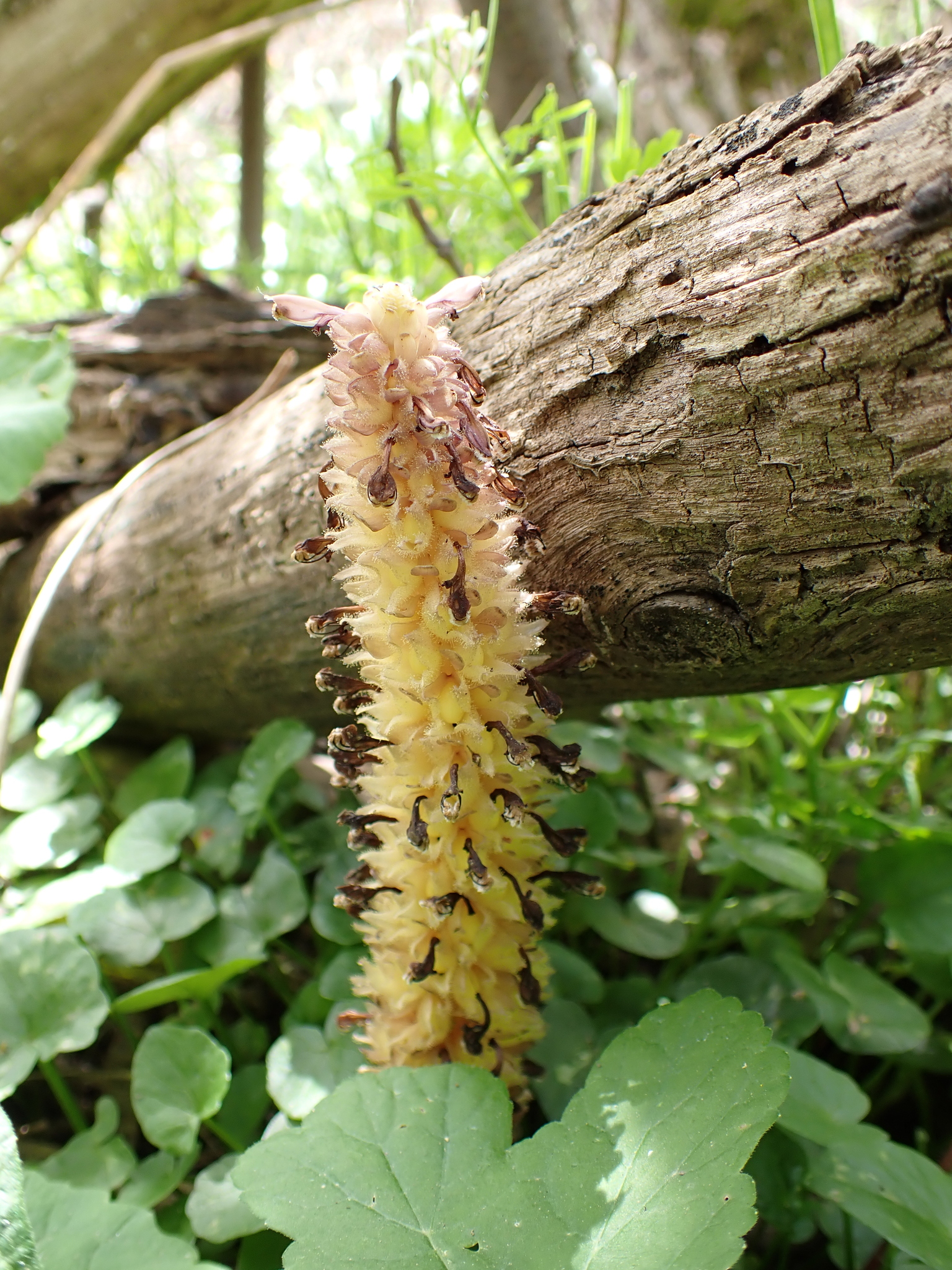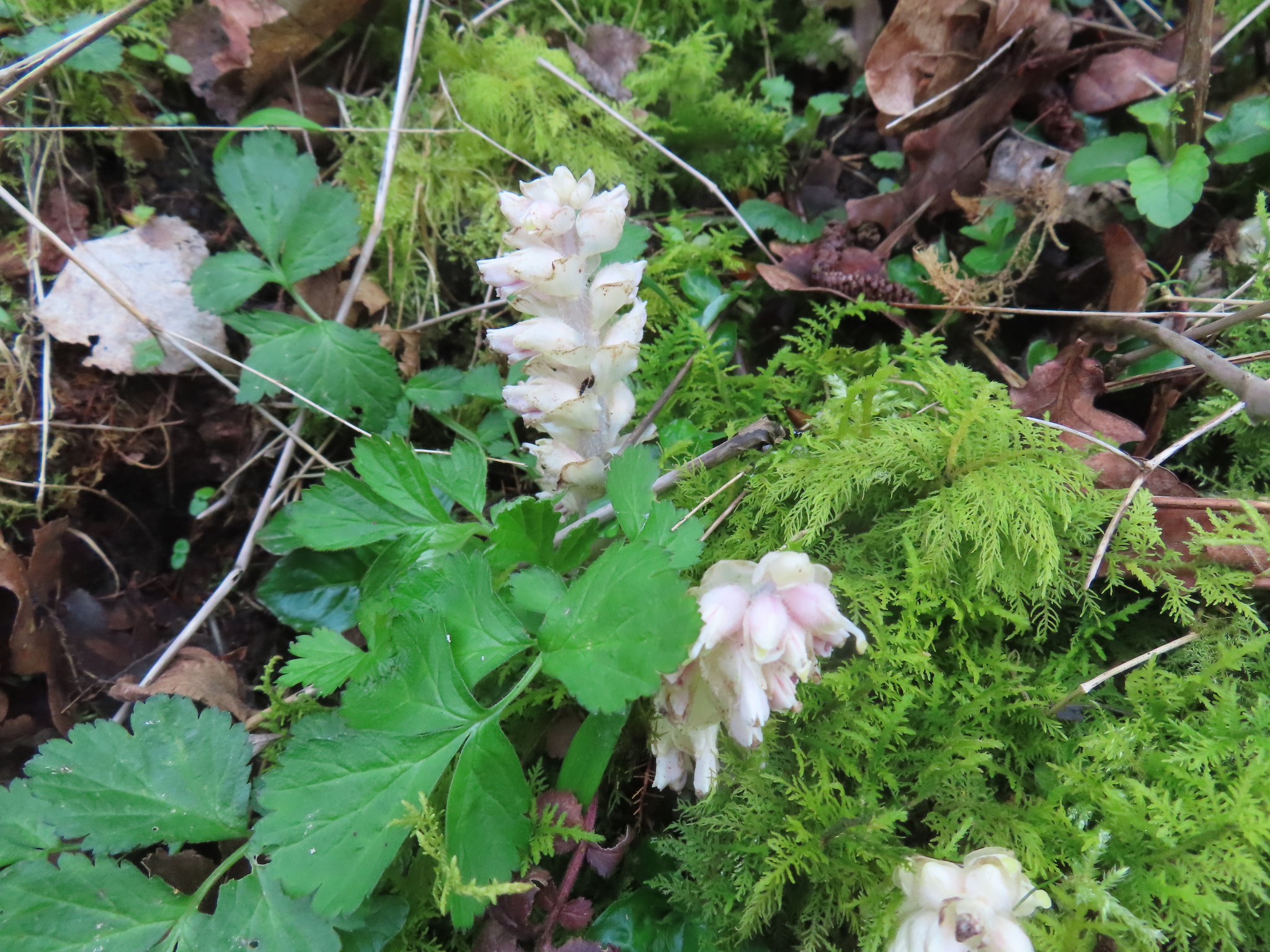
Lathraea clandestina, a parasitic perennial herb from Europe, lacks chlorophyll and gets nutrients from host trees. It has striking purple flowers in spring.
Above information is sourced from Wikipedia
Sunlight
Prefers partial to full shade. Avoid direct sunlight.
Watering
Keep soil consistently moist but not waterlogged. Reduce watering during summer dormancy.
Soil
Requires moist, humus-rich soil. It thrives in woodland conditions and can tolerate a range of soil pH.
Temperature
Grows best in cool to moderate temperatures, with a dormancy period in summer.
Habitat
Outdoor
Fertilizer
Does not require fertilization as it is a parasite.
Prefers partial to full shade. Avoid direct sunlight.
Keep soil consistently moist but not waterlogged. Reduce watering during summer dormancy.
Requires moist, humus-rich soil. It thrives in woodland conditions and can tolerate a range of soil pH.
Grows best in cool to moderate temperatures, with a dormancy period in summer.
Outdoor
Does not require fertilization as it is a parasite.
Plant Type
Herb
Plant Category
Ornamental
Plant Place Type
Ground
Plant Environment
Outdoor
Lifespan
Perennials
Plant Height
0.1-0.2 m
Spread
0.5-1 m
Growth Rate
Slow
Dormancy
Summer
Leaf Type
Scale-like
Flower Size
3-4 cm
Toxic for humans
No
Rating: 0/5
Toxic for pets
No
Rating: 0/5
Edible
No