Rocketsalad (Eruca sativa) – Growing Guide, Benefits & Care | ePlant AI
Rocketsalad (Eruca sativa)
Rocket salad (Eruca sativa) is a fast-growing leafy green with a peppery flavor, often used in salads and as a garnish. It thrives in cool weather and is quick to mature.
Eruca sativa, commonly known as rocketsalad, is a rapidly growing annual herb widely recognized for its pungent, peppery flavor and its significant role in culinary traditions. This plant belongs to the Brassicaceae family, a group that also includes familiar vegetables like cabbage and broccoli. Its historical cultivation and widespread use have made it a staple in many cuisines, particularly in the Mediterranean region.
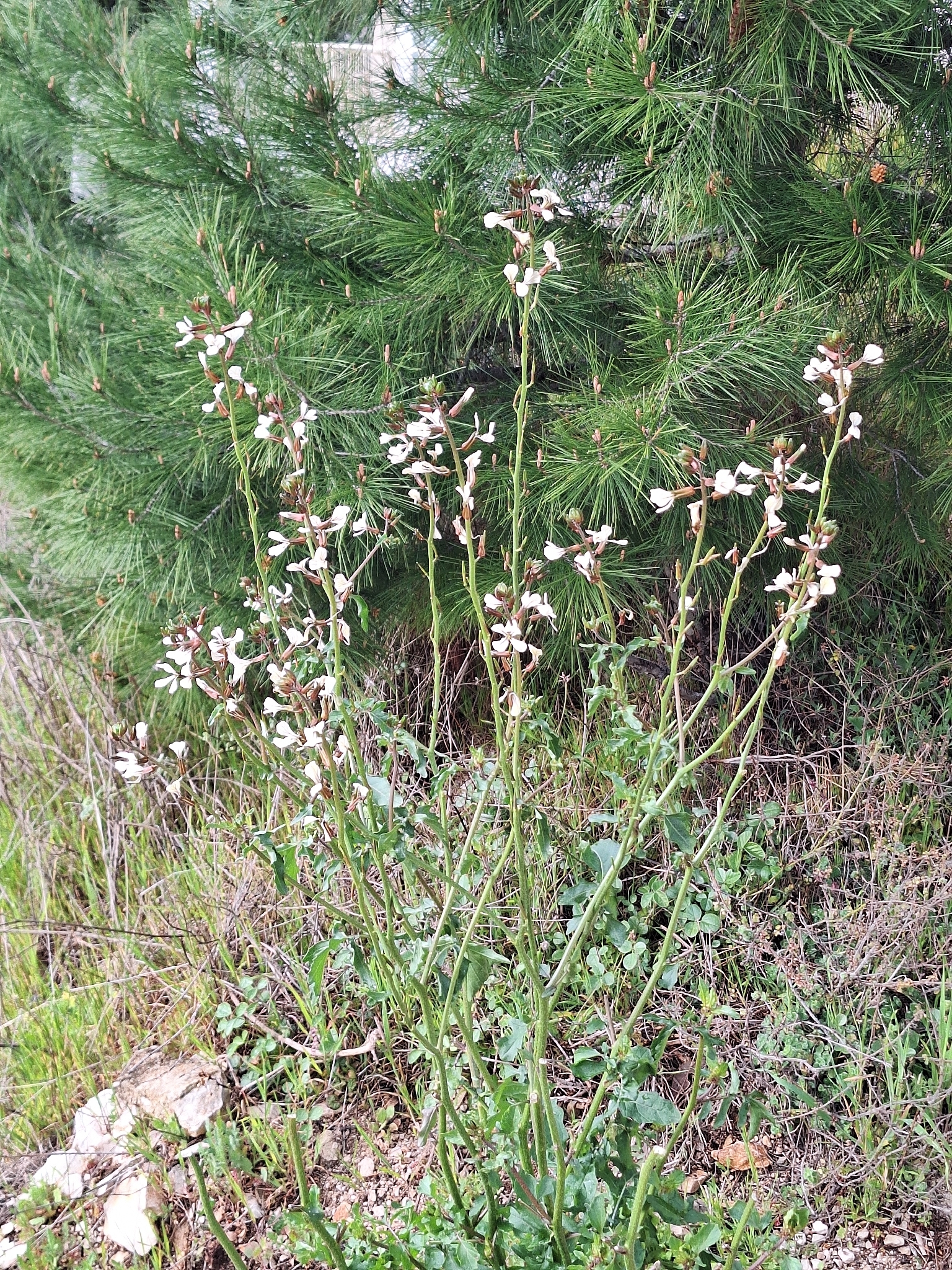
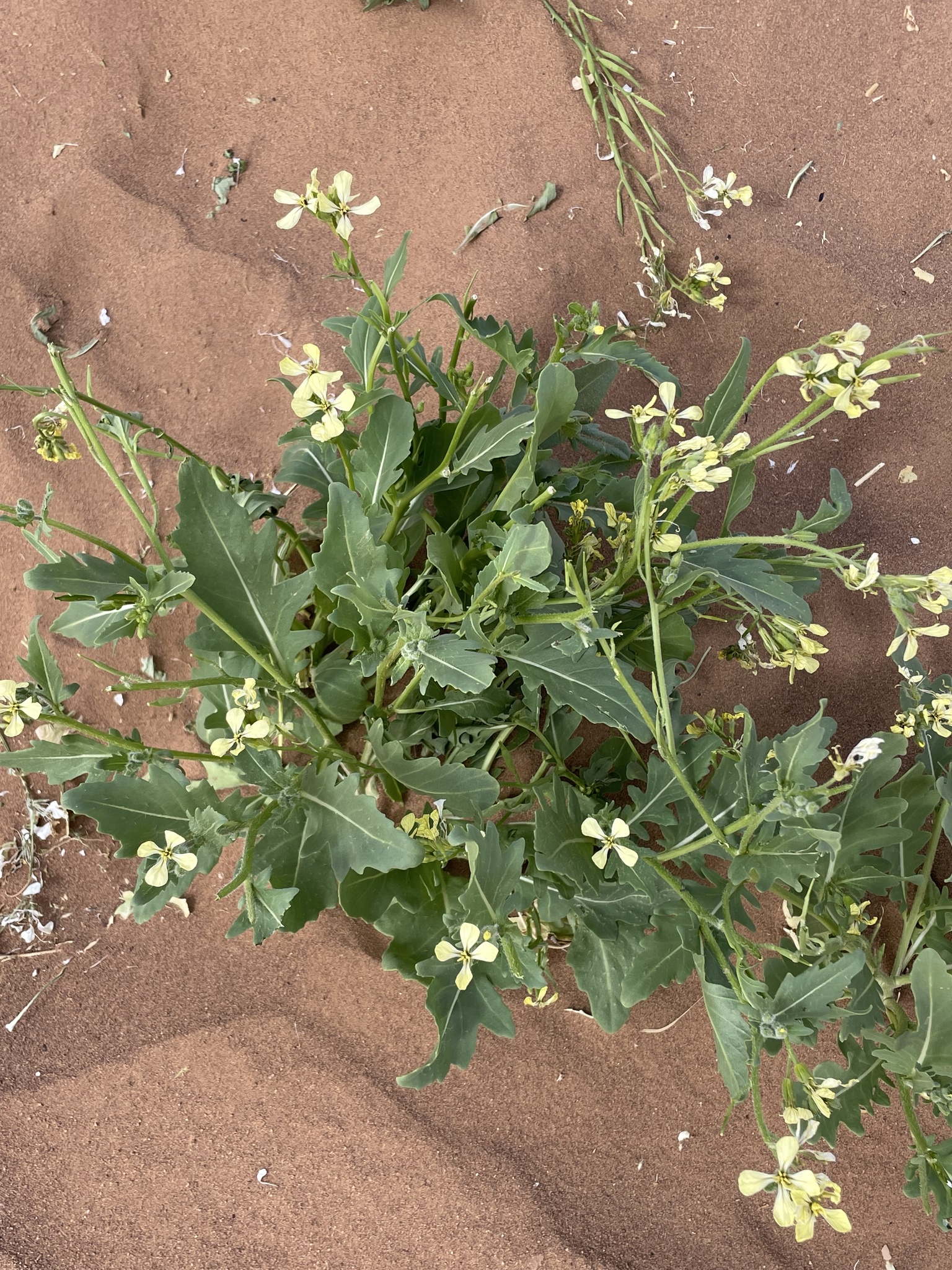
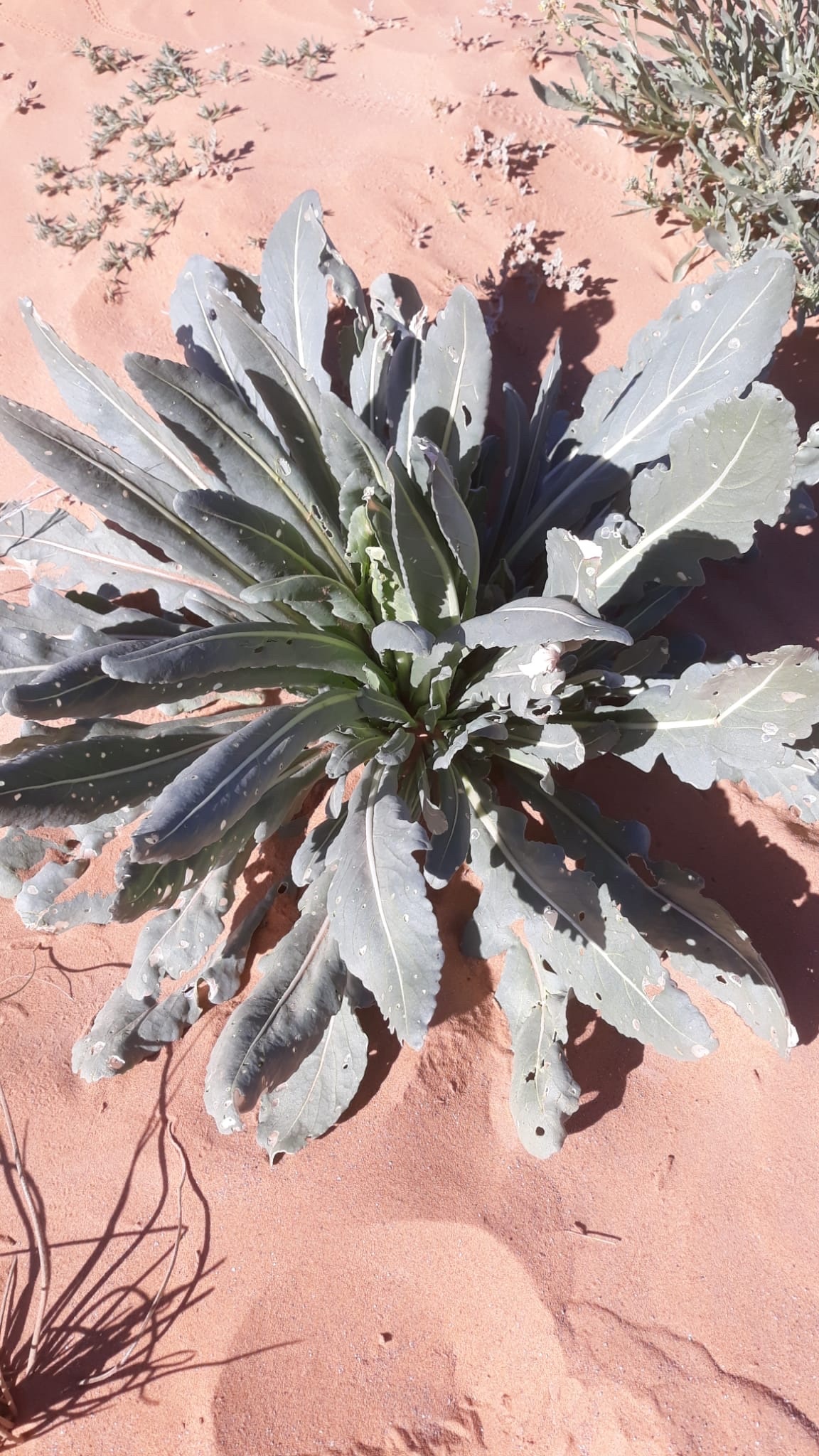
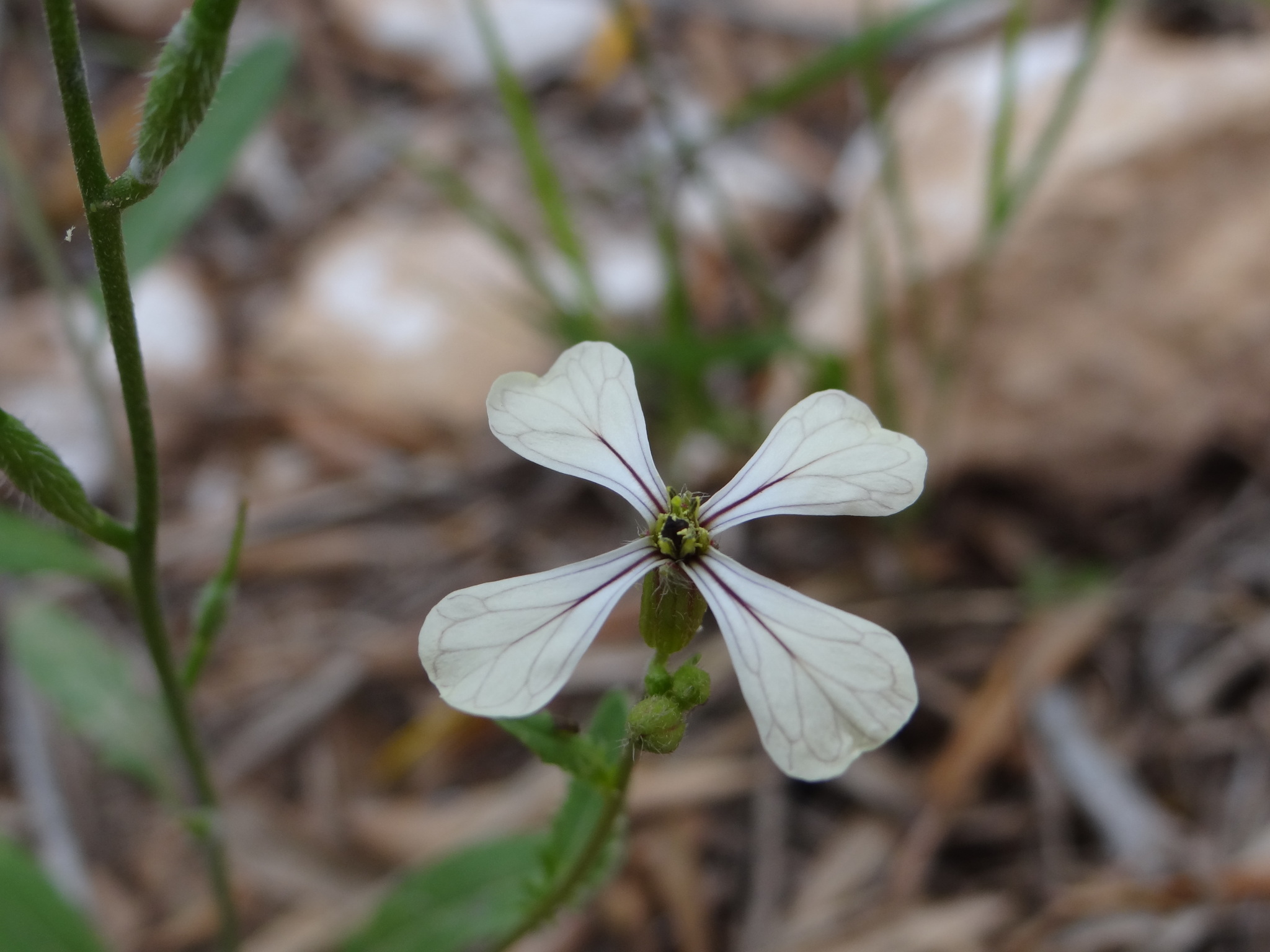
Physically, Eruca sativa is characterized by its erect, somewhat bushy growth habit, typically reaching heights of 20 to 100 centimeters. The plant produces a rosette of basal leaves that are deeply lobed or pinnately divided, with a distinctive lyre-shaped outline. The leaves are generally hairy and have a slightly bitter, peppery taste that intensifies with maturity. As the plant matures, it develops a flowering stem bearing clusters of small, cross-shaped flowers. These flowers are usually white to pale yellow or cream-colored, often with darker purple veins. Following pollination, the plant produces slender, elongated seed pods, known as siliques, which contain numerous small, round seeds. The seeds themselves are typically yellowish-brown and have a mild, nutty flavor when roasted.
The native distribution of Eruca sativa is believed to encompass parts of the Mediterranean region, North Africa, and Western Asia. It thrives in a variety of habitats, often found in disturbed soils, along roadsides, and in waste areas, indicating its adaptability. For cultivation, Eruca sativa prefers well-drained soil and full sun to partial shade. It is a fast-growing plant that germinates readily and matures quickly, making it suitable for successive planting. It is generally tolerant of a range of soil types but performs best in fertile loams. Regular watering is beneficial, especially during dry periods, but excessive moisture can lead to root rot.
Beyond its culinary appeal, Eruca sativa has a long history of use. Its leaves are a popular salad green, often used fresh in mixed greens, sandwiches, and as a pizza topping. The peppery bite of rocketsalad adds a distinctive flavor profile to dishes. The seeds of Eruca sativa have also been historically pressed for oil, which was used for culinary purposes and in lamps. While not a primary medicinal plant, traditional uses have sometimes included applications for its perceived health benefits, though these are not widely supported by modern scientific evidence. Its rapid growth and ease of cultivation have also contributed to its agricultural importance as a quick-growing crop. An interesting characteristic of Eruca sativa is its ability to deter certain pests due to the presence of glucosinolates, compounds that contribute to its pungent flavor and can act as natural defense mechanisms. This plant's adaptability and distinctive taste have cemented its place in both gardens and kitchens.
Well-draining, fertile soil. Prefers loamy or sandy loam.
Temperature
Ideal growing temperature is between 10-20 °C.
Habitat
Outdoor, Indoor, Greenhouse
Fertilizer
Feed with a balanced liquid fertilizer every 4-6 weeks.
Care Requirements
Light
Prefers full sun to partial shade.
Avoid intense heat which can cause bolting.
Water
Keep soil consistently moist.
Water more frequently in hot, dry weather.
Soil
Well-draining, fertile soil. Prefers loamy or sandy loam.
Temperature
Ideal growing temperature is between 10-20 °C.
Sensitive to frost and extreme heat.
Habitat
Outdoor, Indoor, Greenhouse
Fertilizer
Feed with a balanced liquid fertilizer every 4-6 weeks.
Avoid over-fertilization to maintain flavor.
Plant Overview
Plant Type
Herb
Plant Category
Vegetable
Plant Place Type
Ground, Pot, Garden
Plant Environment
Outdoor, Indoor, Greenhouse
Lifespan
Annuals
Plant Height
0.2-1 m
Spread
0.15-0.3 m
Growth Rate
Fast
Dormancy
None
Leaf Color
Green
Leaf Type
Lobed
Flower Size
1-2 cm
Optimal Sunlight Lux
60000
Image Gallery
Flowering & Fruiting Cycles
Monthly activity intensity for bloom and fruit across both hemispheres.
Northern hemisphere
Flowering & fruiting calendar
Peak bloom · MayPeak fruit · May
FloweringFruiting
Southern hemisphere
Flowering & fruiting calendar
Peak bloom · AugPeak fruit · Jul
FloweringFruiting
Synonyms
Brassica eruca L.
Brassica erucoides Hornem.
Brassica erucoides Roxb.
Brassica hispida Ten.
Brassica lativalvis Boiss.
Brassica turgida Pers.
Brassica uechtritziana Janka
Crucifera eruca E.H.L.Krause
Eruca cappadocica Reut.
Eruca cappadocica Reut. ex Boiss.
Eruca foetida Moench
Eruca glabrescens Jord.
Eruca grandiflora Cav.
Eruca lativalvis Boiss.
Eruca longistyla Pomel
Eruca oleracea J.St.-Hil.
Eruca orthosepala (Lange) Lange
Eruca permixta Jord.
Eruca ruchetta Spach
Eruca subbipinnata Chiov.
Eruca sylvestris Bubani
Euzomum hispidum Link
Euzomum sativum Link
Raphanus eruca (L.) Crantz
Sinapis eruca (L.) Vest
Sinapis exotica DC.
Taxonomy
kingdomPlantae
divisionTracheophyta
classMagnoliopsida
orderBrassicales
familyBrassicaceae
genusEruca
speciesEruca sativa
Toxicity
Toxic for humans
No
Rating: 0/5
Toxic for pets
No
Rating: 0/5
Edible
Yes
Additional Care Tips
Water regularly to maintain consistent soil moisture, especially during dry periods. Avoid letting the soil dry out completely, as this can lead to bitterness and bolting.
Harvest outer leaves regularly to encourage continuous growth. Remove any flowering stalks to prolong leaf production and prevent bitterness.
Sow seeds directly outdoors in early spring or fall. Can also be started indoors 2-4 weeks before the last frost. Space seeds about 10-15 cm apart.
Not typically repotted as it is an annual grown for quick harvest. If grown in pots, ensure adequate space for root development and transplant seedlings if overcrowded.
FAQs
When is the best time to plant rocket salad seeds?
Rocket salad is a cool-season crop. Sow seeds in early spring or fall. In warmer climates, it can be grown through winter. Avoid planting during the hottest part of summer.
Why is my rocket salad bitter?
Bitterness is often caused by heat stress, drought, or allowing the plant to bolt (go to seed). Ensure consistent watering and harvest regularly before flowering.
How do I harvest rocket salad?
Harvest outer leaves as needed, starting when the plants are about 10 cm tall. This encourages continuous growth from the center. You can also harvest the entire plant.
Can rocket salad be grown indoors?
Yes, rocket salad can be grown indoors in pots with adequate sunlight. Ensure it receives at least 6 hours of light per day and consistent moisture.
What are the benefits of eating rocket salad?
Rocket salad is rich in vitamins A, C, and K, as well as folate and minerals. Its peppery flavor adds a nutritious boost to salads and dishes.