Water
Water thoroughly when the top 2-3 cm of soil feels dry. Reduce watering significantly during its dormant period in late autumn and winter. Avoid waterlogging, which can lead to bulb rot. Ensure good drainage in the pot.
Also known as Queen Lily
Safety note: This plant may be toxic to humans and pets. See toxicity details.
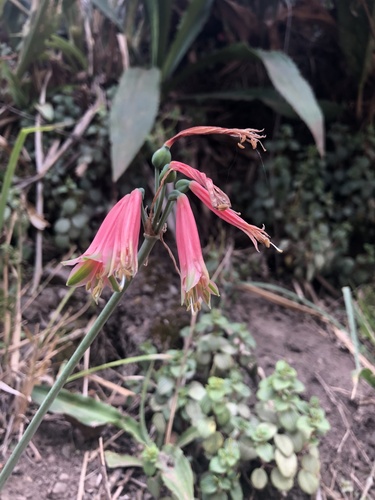
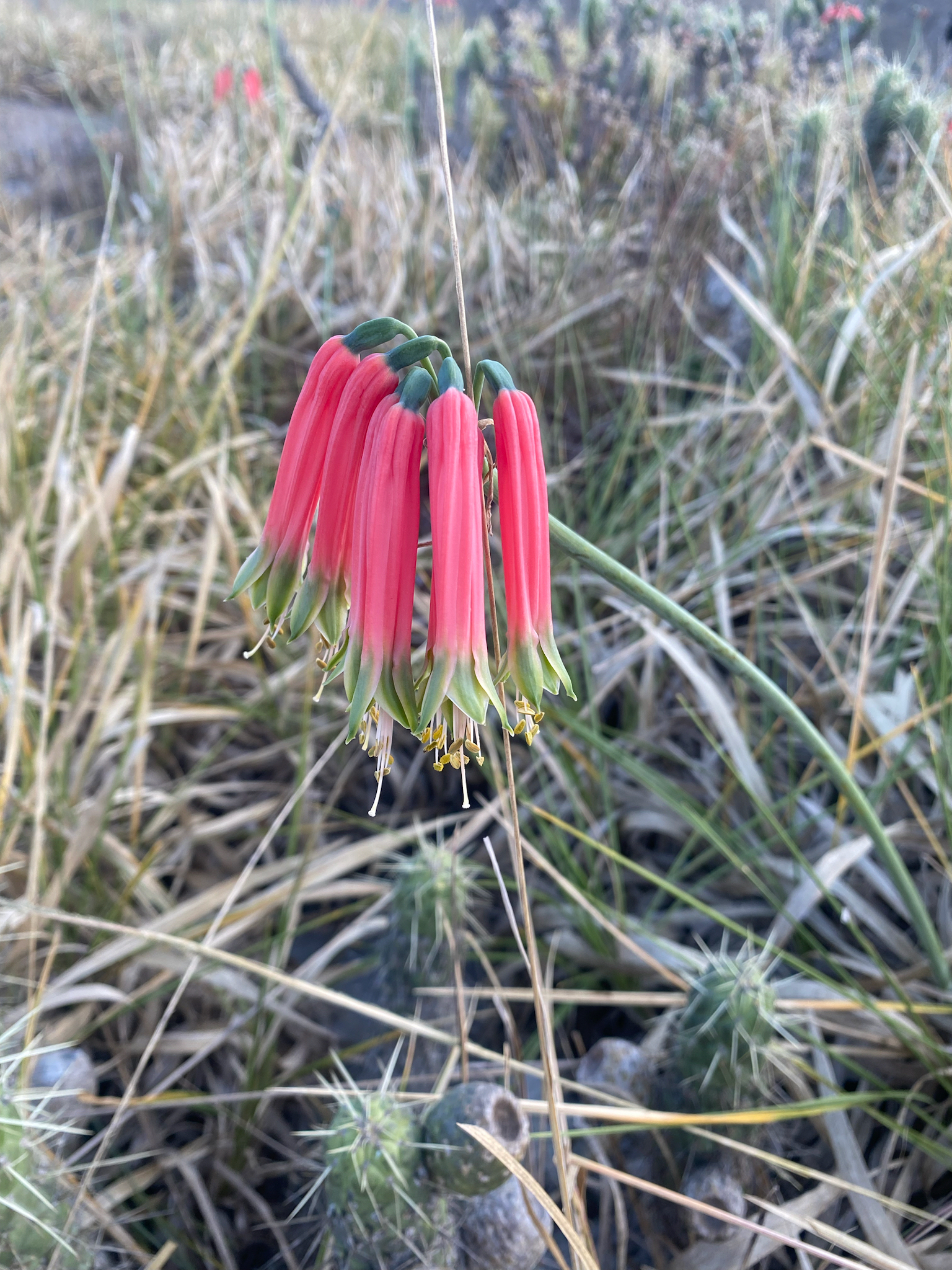
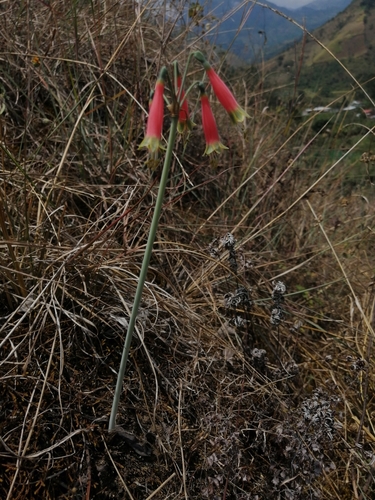
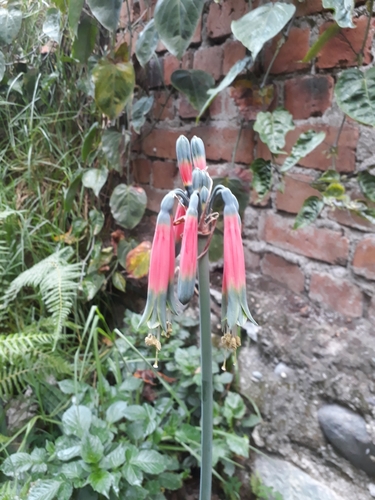
Phaedranassa carmiolii, the Queen Amaryllis, is a striking South American native bulb prized for its vibrant, trumpet-shaped red flowers and architectural foliage.
At-a-glance light, water, soil, and growing conditions from plant data
Bright Indirect
75% intensity
Prefers bright, filtered light. Protect from intense, direct sunlight which can scorch the leaves.
Moderate
50% intensity
Keep soil consistently moist during active growth, but allow to dry slightly between waterings. Reduce significantly during dormancy.
Well-drained, fertile soil
50% intensity
Moderate
50% intensity
Thrives in temperatures between 18-24°C during the growing season. Cooler temperatures (around 10-13°C) are beneficial for dormancy induction.
Outdoor
50% intensity
Moderate
50% intensity
Feed with a balanced liquid fertilizer diluted to half strength during the growing season, every 4-6 weeks.
Safety information from plant toxicity data
| Attribute | Value |
|---|---|
| Toxic for humans | Yes 5/5 intensity |
| Toxic for pets | Yes 5/5 intensity |
| Edible | No |
Bulbs contain toxic alkaloids.
Key traits and growing stats from plant data
Watering, pruning, propagation, and repotting details from plant data
Water thoroughly when the top 2-3 cm of soil feels dry. Reduce watering significantly during its dormant period in late autumn and winter. Avoid waterlogging, which can lead to bulb rot. Ensure good drainage in the pot.
Remove dead or yellowing leaves only after they have completely dried out. This allows the plant to reabsorb nutrients back into the bulb.
Deadheading spent flowers can encourage bulb energy to focus on leaf and root growth.
Propagate primarily through offsets, which are small bulbs that grow around the base of the parent bulb. Carefully separate these offsets when repotting and plant them in their own containers.
They may take a few years to reach flowering size.
Repot every 2-3 years, or when the bulb has outgrown its current container. This is best done after flowering or before new growth begins.
Use a well-draining potting mix, and plant the bulb so that the neck is just above the soil surface.
Identify plants like this with ePlant AI
Snap a photo to get care tips and match similar species on the go.
Monthly activity intensity for bloom and fruit across both hemispheres.
Flowering & fruiting calendar
Flowering & fruiting calendar
Photos of Queen Amaryllis (Phaedranassa carmiolii)
Common names and botanical synonyms
Botanical classification
| Rank | Name |
|---|---|
| Kingdom | Plantae |
| Division | Tracheophyta |
| Class | Liliopsida |
| Order | Asparagales |
| Family | Amaryllidaceae |
| Genus | Phaedranassa |
| Species | Phaedranassa carmiolii |
Similar in genus Phaedranassa
Answers based on plant encyclopedia data