Water
Keep the soil consistently moist but not waterlogged, especially during dry periods. Water deeply at the base of the plant, avoiding overhead watering to prevent fungal diseases.
Reduce watering frequency in winter when the plant is dormant.
Also known as Questier's Bramble
Rubus questieri, a species of bramble, is a deciduous shrub native to Madagascar, known for its prickly stems and potential horticultural applications.
At-a-glance light, water, soil, and growing conditions from plant data
Full Sun to Partial Shade
75% intensity
Prefers at least 6 hours of direct sunlight daily for best fruiting.
Moderate
50% intensity
Keep soil consistently moist, avoid waterlogging.
Well-drained
50% intensity
Moderate
50% intensity
Prefers cool to moderate temperatures, hardy in USDA zones 5-8.
Moderate
50% intensity
Feed annually in spring with a balanced fertilizer.
Safety information from plant toxicity data
| Attribute | Value |
|---|---|
| Toxic for humans | No 0/5 intensity |
| Toxic for pets | No 0/5 intensity |
| Edible | Yes |
None
Key traits and growing stats from plant data
Watering, pruning, propagation, and repotting details from plant data
Keep the soil consistently moist but not waterlogged, especially during dry periods. Water deeply at the base of the plant, avoiding overhead watering to prevent fungal diseases.
Reduce watering frequency in winter when the plant is dormant.
Prune in late winter or early spring before new growth begins. Remove dead, damaged, or crossing canes. For fruiting varieties, identify floricanes (second-year canes) that have fruited and prune them back to the ground.
Primocanes (first-year canes) should be retained for future fruiting.
Propagate by root cuttings, layering, or softwood cuttings taken in spring. Root cuttings are pieces of root, about 5-10 cm long, planted horizontally just below the soil surface.
Layering involves bending a low-growing stem to the ground and covering a section with soil until it roots.
Repot container-grown Rubus questieri every 2-3 years, or when the plant becomes root-bound. Choose a pot that is at least 10% larger than the current one. Use a well-draining potting mix.
Repotting is best done in late winter or early spring before active growth commences.
Identify plants like this with ePlant AI
Snap a photo to get care tips and match similar species on the go.
Monthly activity intensity for bloom and fruit across both hemispheres.
Flowering & fruiting calendar
Flowering & fruiting calendar
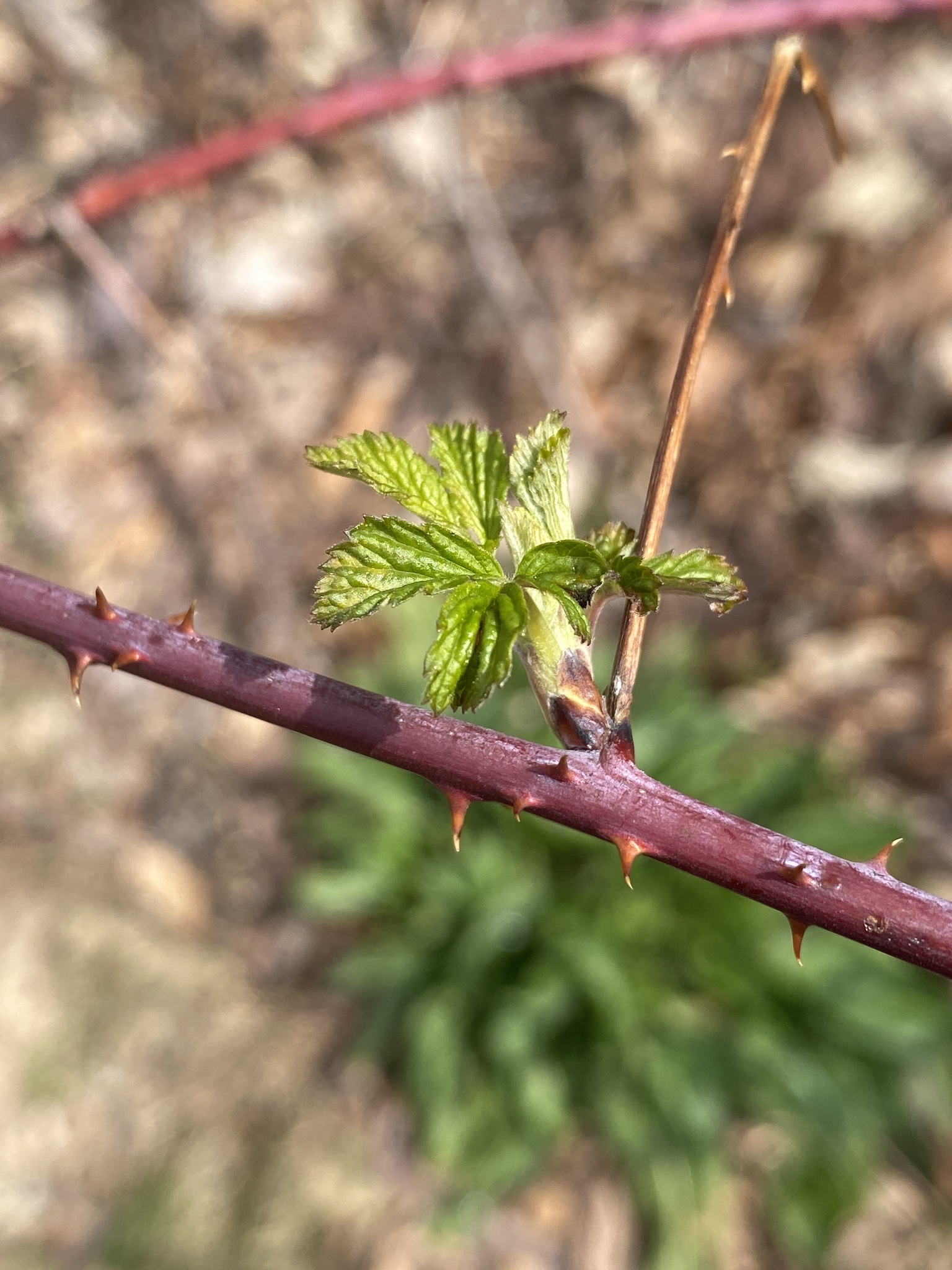
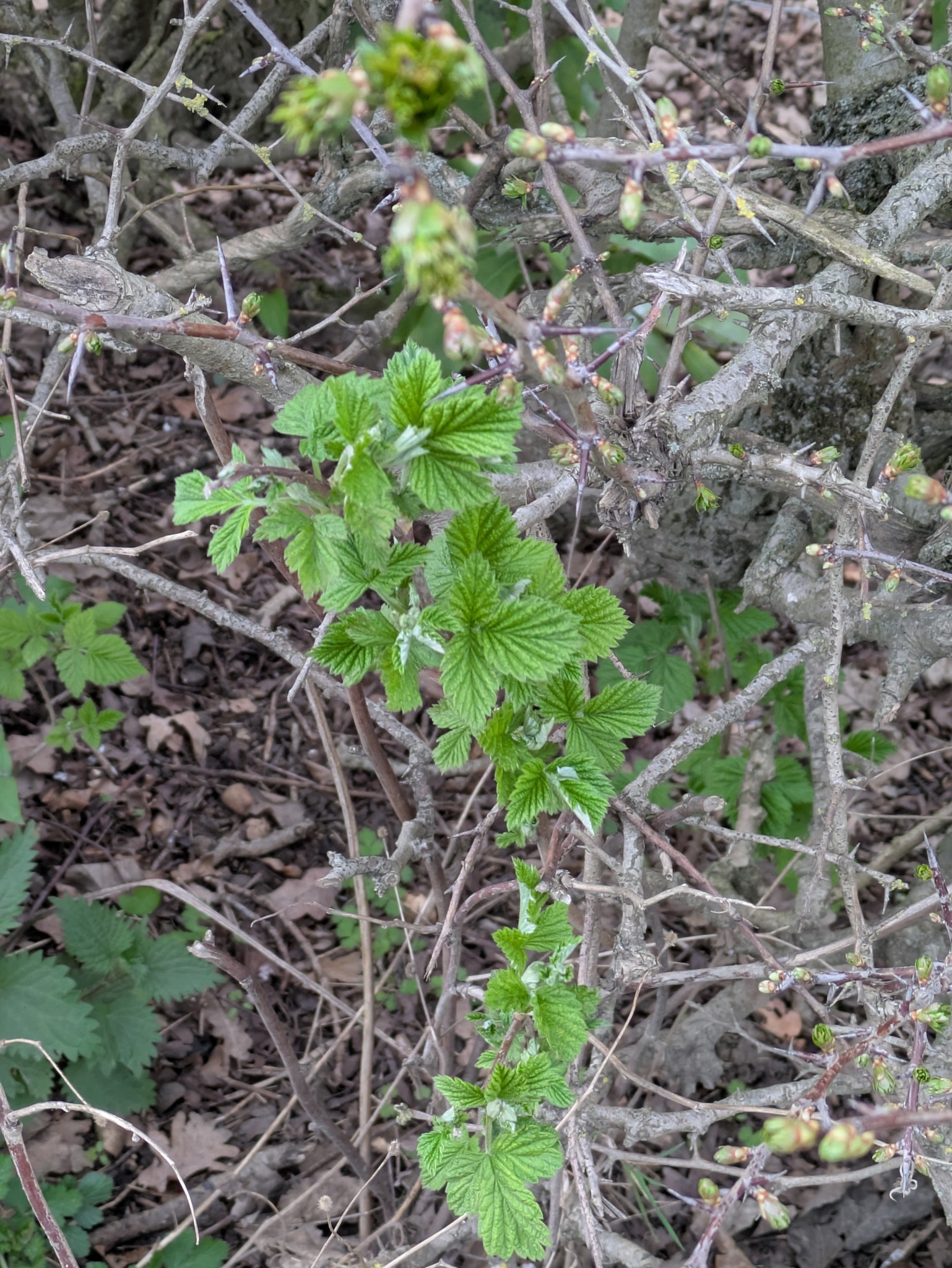
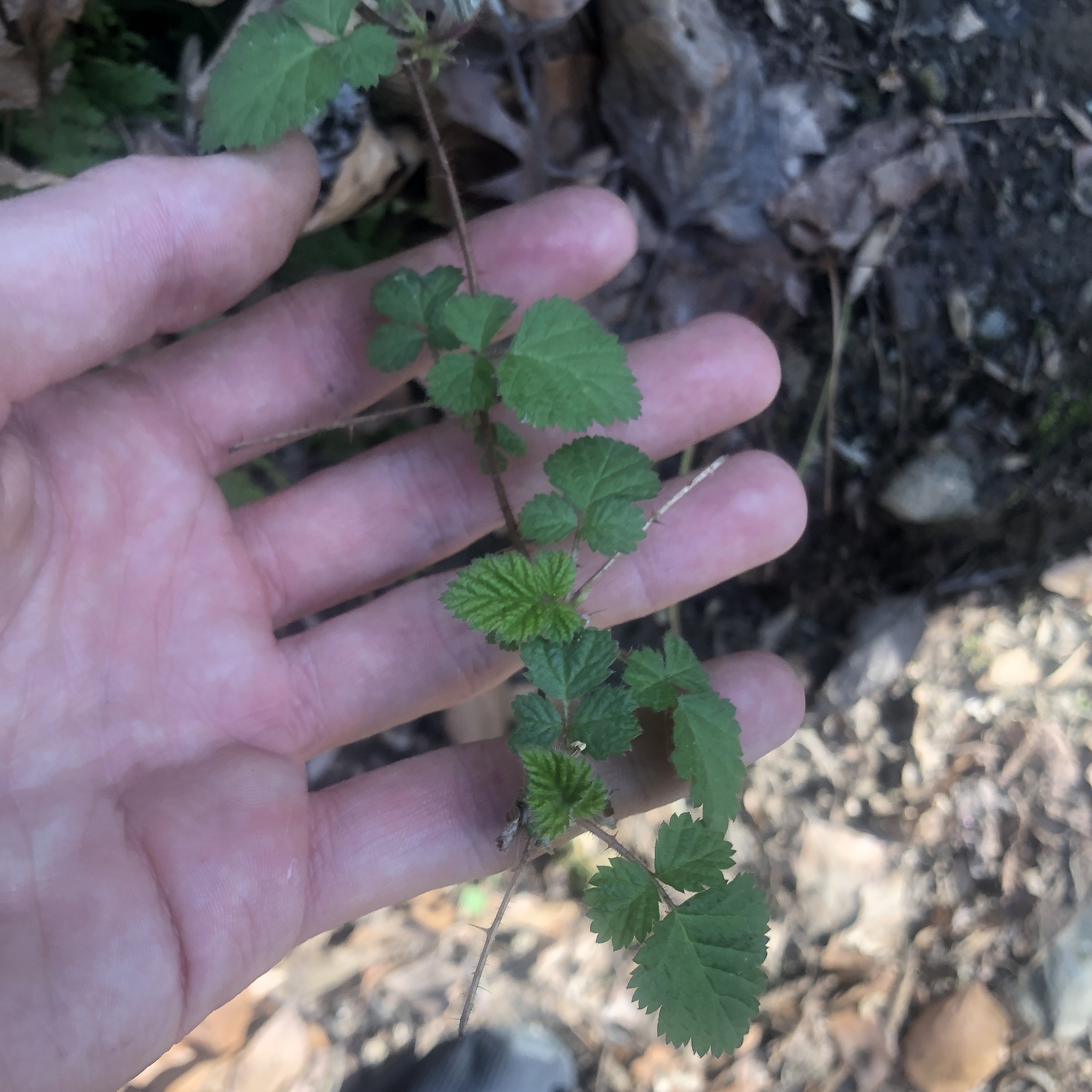
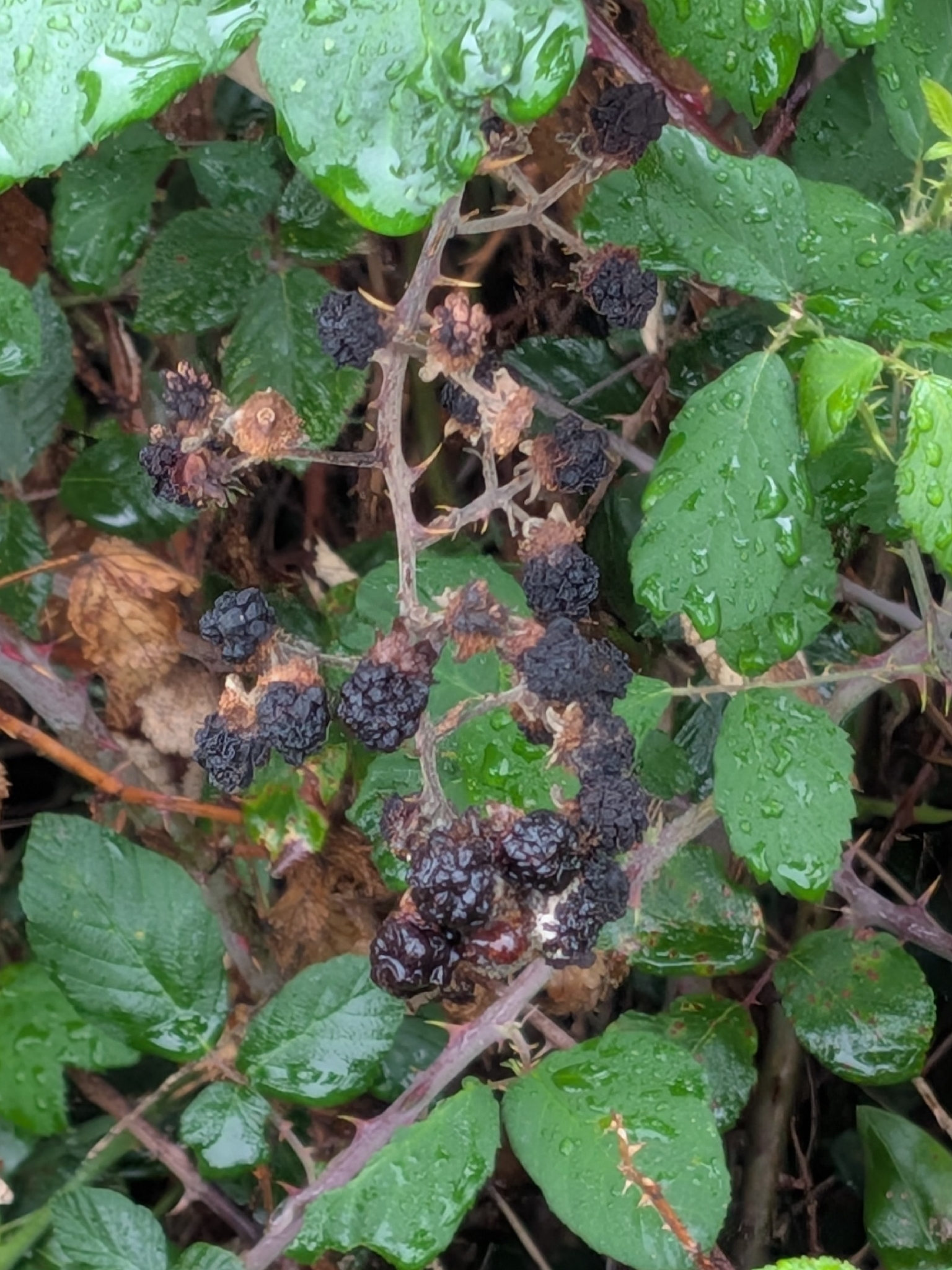
Photos of Rubus Questieri (Rubus questieri)
Where Rubus Questieri (Rubus questieri) is found

Density
Tap map to explore
Common names and botanical synonyms
Botanical classification
| Rank | Name |
|---|---|
| Kingdom | Plantae |
| Division | Tracheophyta |
| Class | Magnoliopsida |
| Order | Rosales |
| Family | Rosaceae |
| Genus | Rubus |
| Species | Rubus questieri |
Similar in genus Rubus
Answers based on plant encyclopedia data