Water
Rampion prefers consistent moisture but dislikes waterlogged soil. Water thoroughly when the top 2-3 cm of soil feels dry. Reduce watering in winter to prevent root rot.
Ensure good drainage to avoid fungal diseases, especially in containers.
Also known as Rampion Bellflower
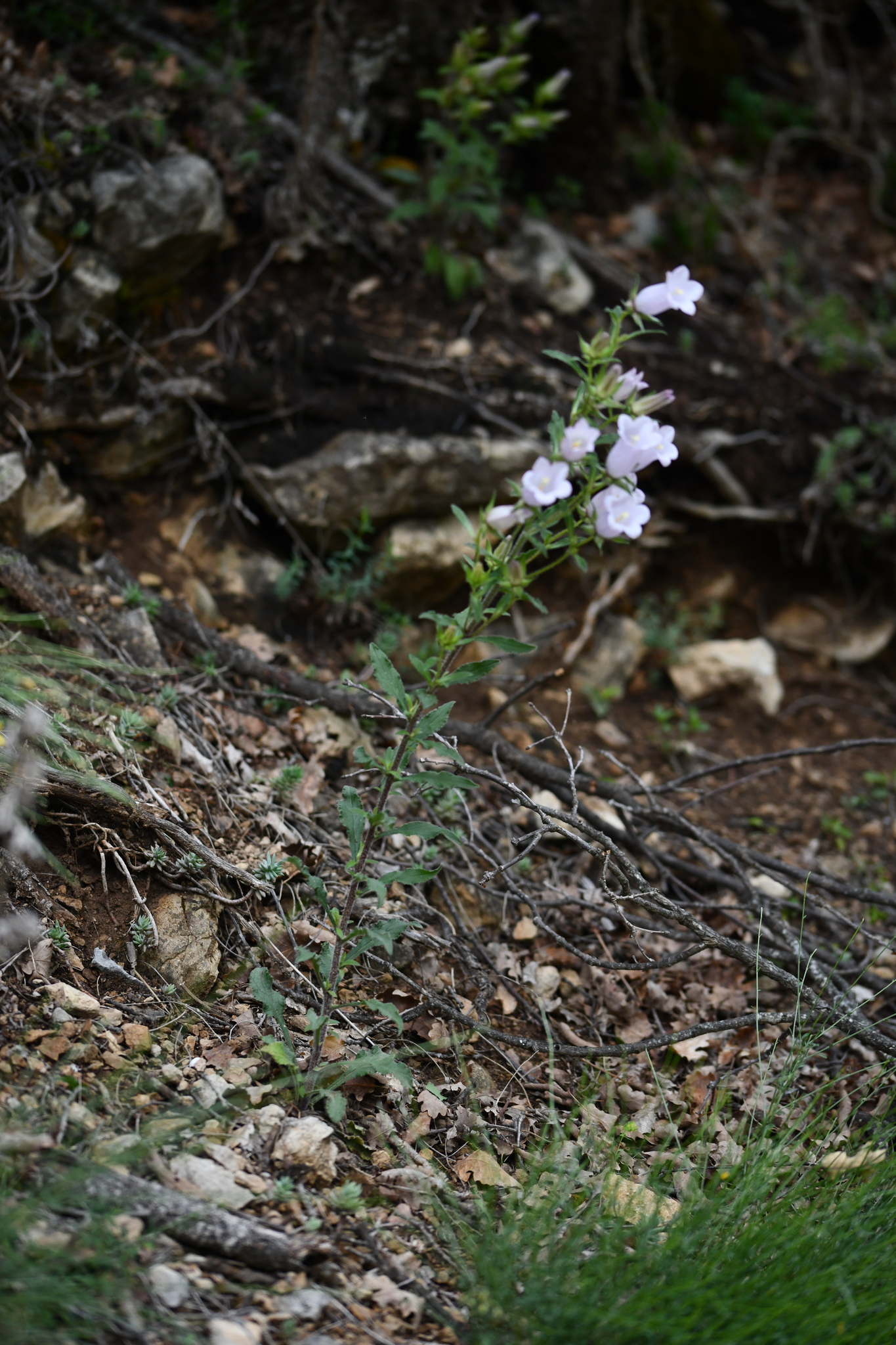
Rampion (Campanula rapunculus) is a biennial herb with edible roots and leaves, producing lovely bell-shaped blue flowers on tall spikes.
At-a-glance light, water, soil, and growing conditions from plant data
Full Sun to Partial Shade
75% intensity
Prefers at least 6 hours of sunlight daily, but can tolerate some afternoon shade in hotter climates.
Consistent Moisture
50% intensity
Keep soil evenly moist, but not soggy. Allow topsoil to dry slightly between waterings.
Well-drained
50% intensity
Cool to Moderate
50% intensity
Prefers temperatures between 15-24°C. Can tolerate light frost.
Outdoor
50% intensity
Light Feeding
25% intensity
Apply a balanced liquid fertilizer diluted to half strength monthly during the growing season.
Safety information from plant toxicity data
| Attribute | Value |
|---|---|
| Toxic for humans | No 0/5 intensity |
| Toxic for pets | No 0/5 intensity |
| Edible | Yes |
None
Key traits and growing stats from plant data
Watering, pruning, propagation, and repotting details from plant data
Rampion prefers consistent moisture but dislikes waterlogged soil. Water thoroughly when the top 2-3 cm of soil feels dry. Reduce watering in winter to prevent root rot.
Ensure good drainage to avoid fungal diseases, especially in containers.
Deadhead spent flowers regularly to encourage more blooms and prevent self-seeding if unwanted. Trim back any leggy or overgrown stems in late winter or early spring to promote a more compact and bushy habit for the new growth.
Rampion can be propagated by seed, sown directly outdoors in spring or autumn, or started indoors a few weeks before the last frost. Division of established clumps in spring is also an effective method for multiplying plants.
Young plants may need repotting annually into slightly larger containers. Established plants can remain in their pots for 2-3 years. Repot in spring before new growth begins, using a well-draining potting mix.
Ensure adequate drainage holes.
Identify plants like this with ePlant AI
Snap a photo to get care tips and match similar species on the go.
Monthly activity intensity for bloom and fruit across both hemispheres.
Flowering & fruiting calendar
Flowering & fruiting calendar
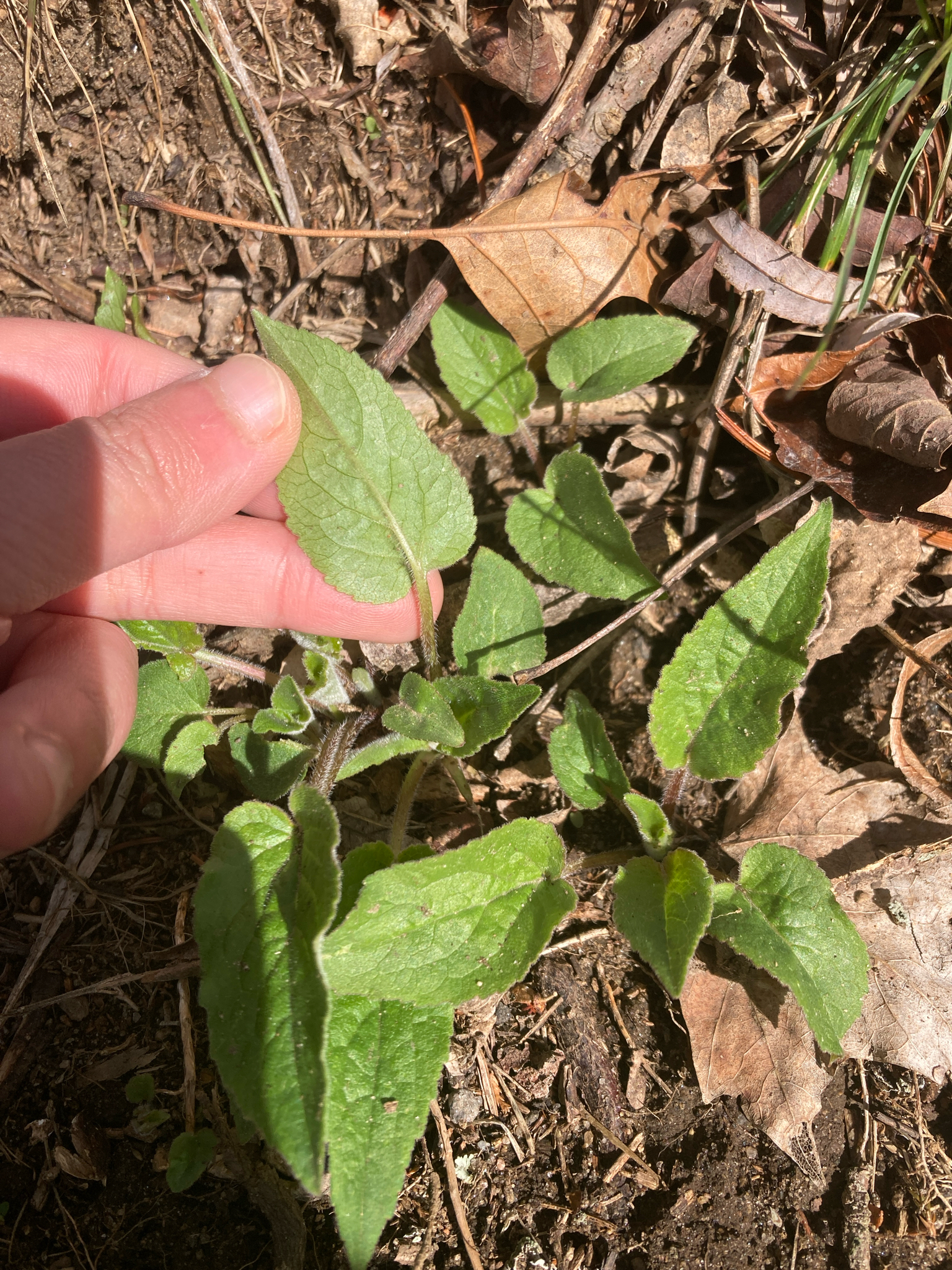
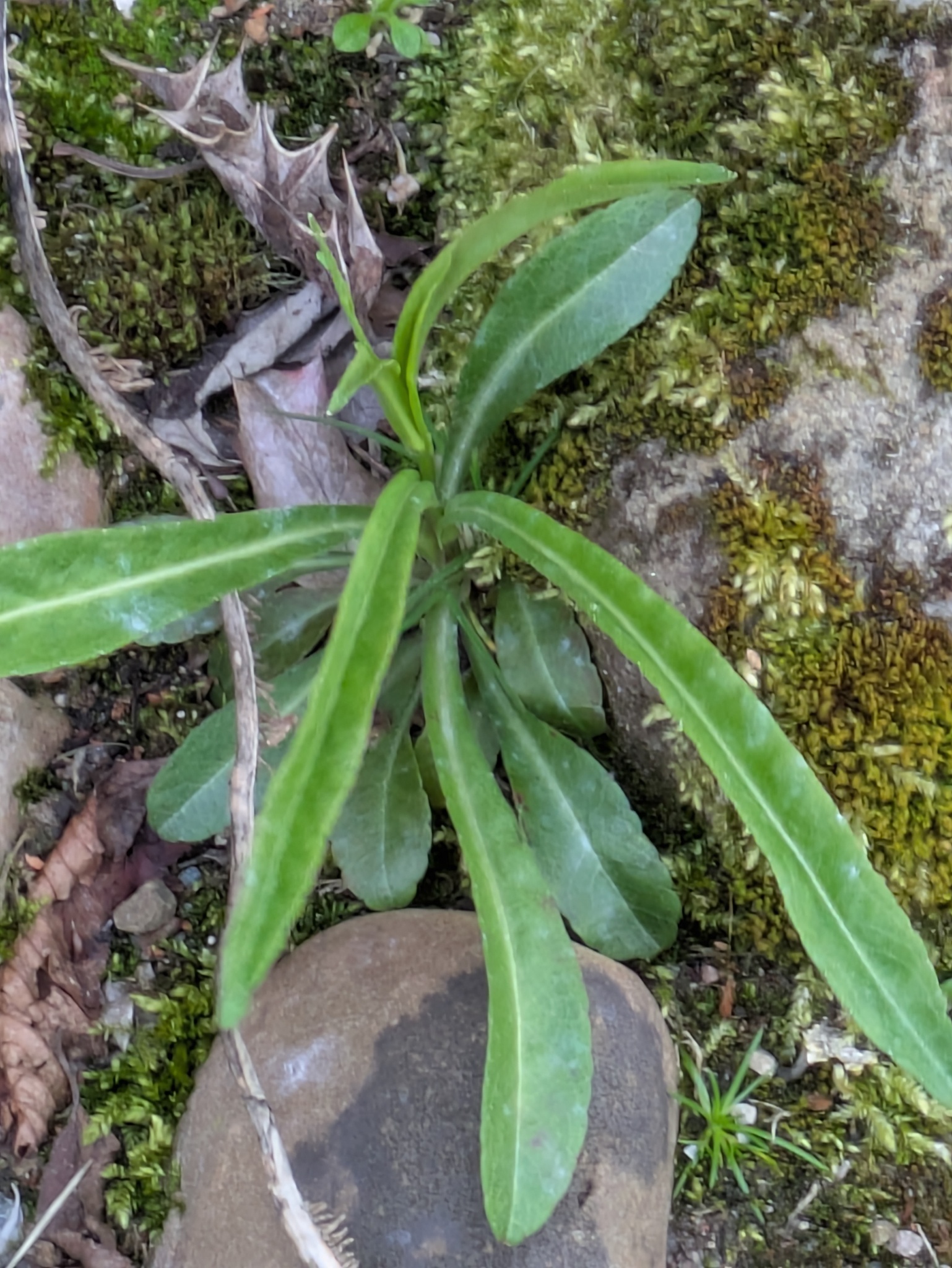
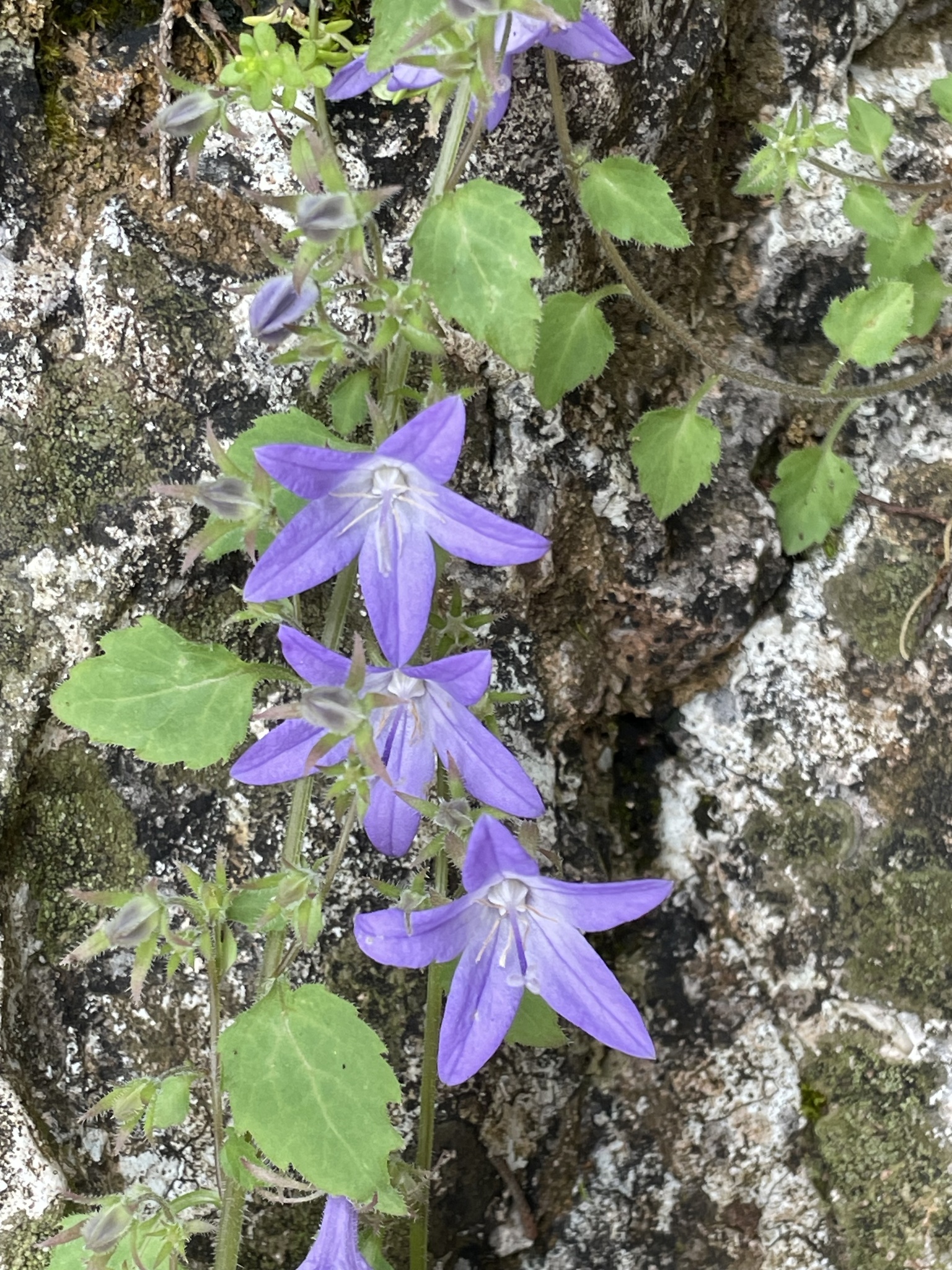
Photos of Rampion (Campanula rapunculus)
Common names and botanical synonyms
Botanical classification
| Rank | Name |
|---|---|
| Kingdom | Plantae |
| Division | Tracheophyta |
| Class | Magnoliopsida |
| Order | Asterales |
| Family | Campanulaceae |
| Genus | Campanula |
| Species | Campanula rapunculus |
Similar in genus Campanula
Answers based on plant encyclopedia data