Water
Allow soil to dry out completely between waterings. Overwatering is the most common cause of agave death. Water thoroughly when dry, but ensure excellent drainage to prevent root rot, especially during cooler months.
Also known as Chalk Agave (సుద్ద కిత్తనార) · Rancho Tambor Agave
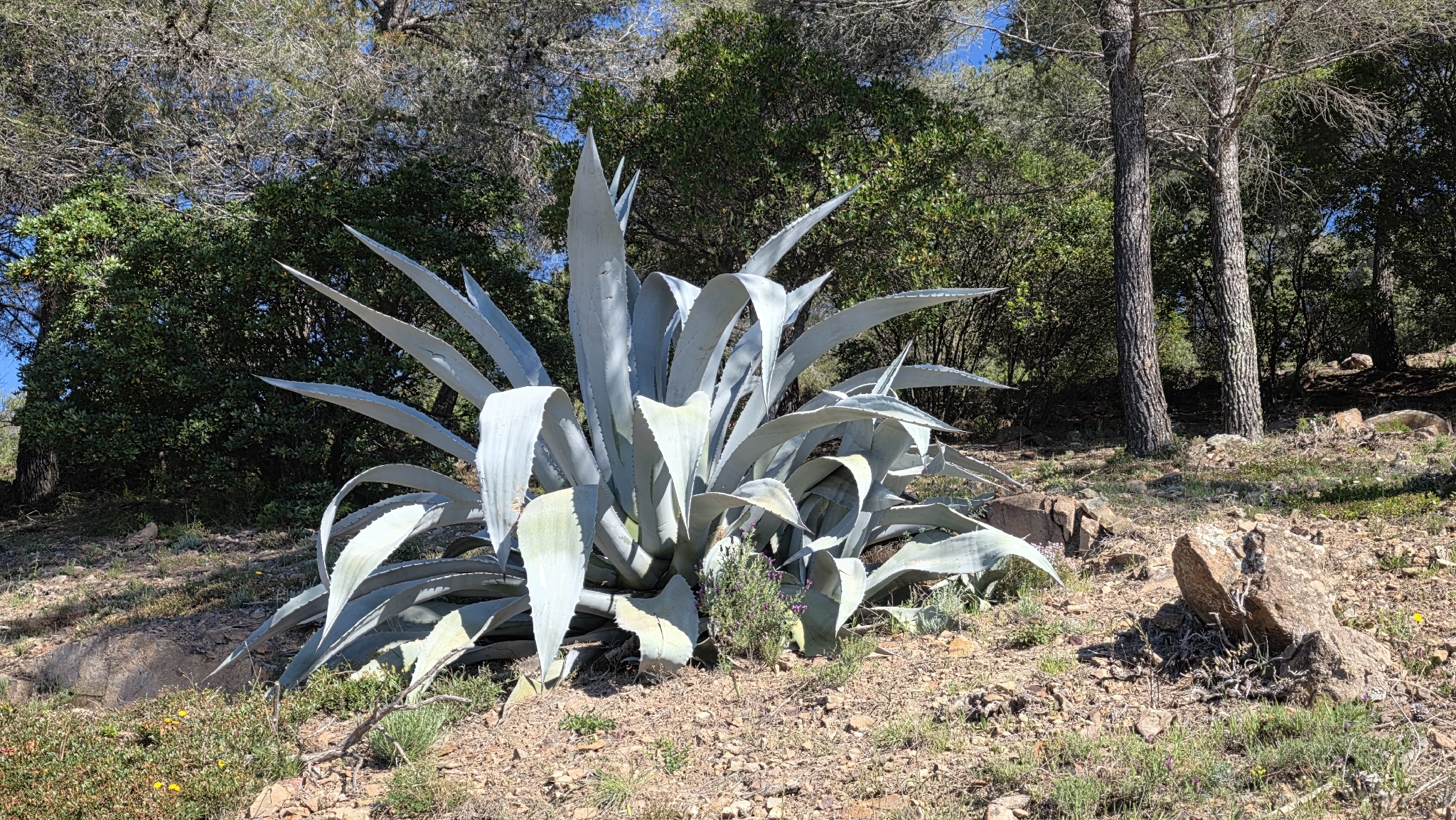
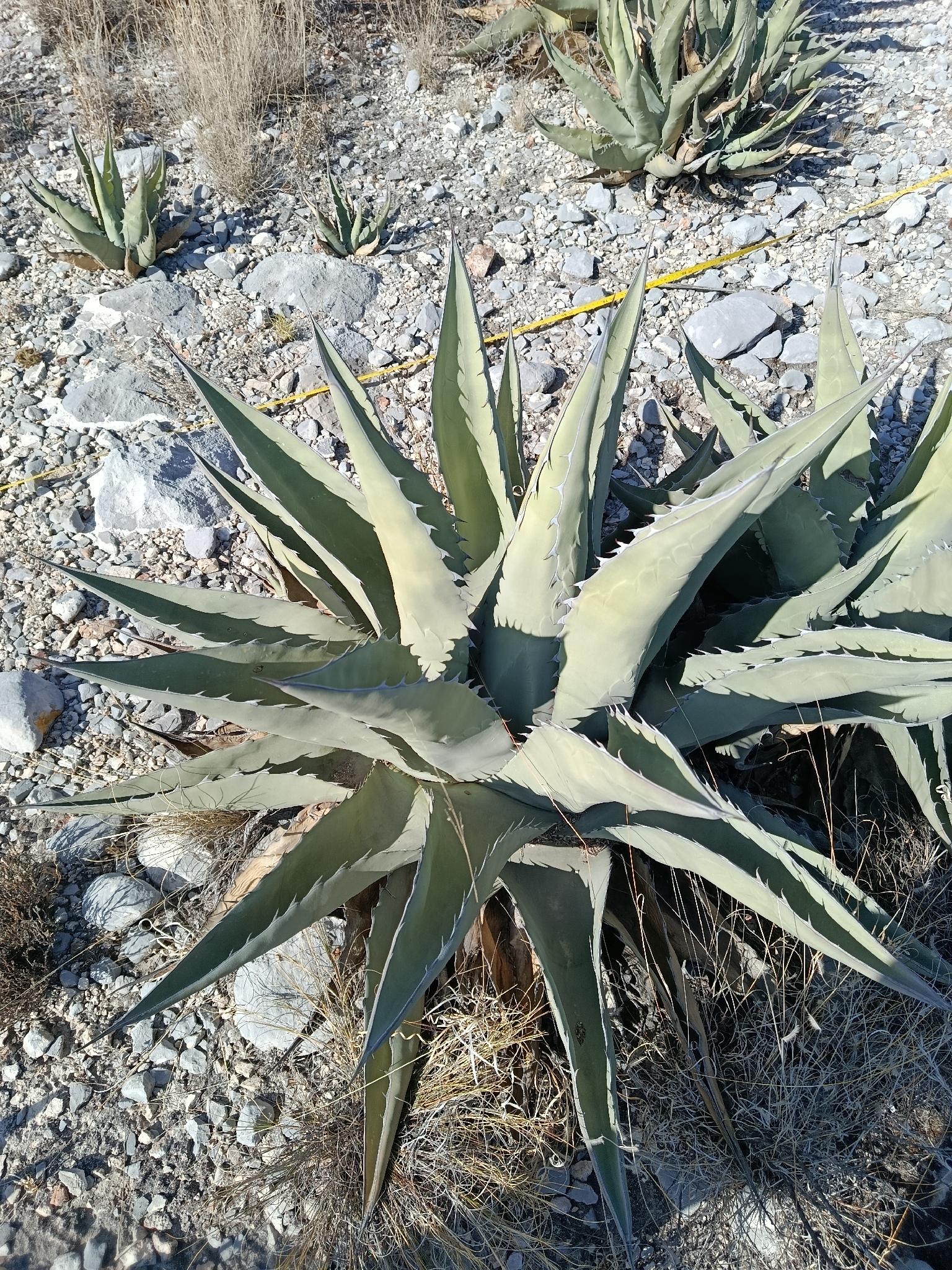
Chalk Agave (Agave titanota) is a striking succulent prized for its bold, chalky-blue leaves with sharp, dark teeth, forming a dense rosette.
At-a-glance light, water, soil, and growing conditions from plant data
Full sun to bright indirect light
75% intensity
Prefers at least 6 hours of direct sunlight daily, but can tolerate some partial shade, especially in very hot climates.
Infrequent, but thorough when needed
25% intensity
Allow soil to dry completely between waterings. Reduce watering significantly in winter.
Well-draining
50% intensity
Moderate to warm
50% intensity
Thrives in temperatures between 18-27°C (65-80°F). Can tolerate brief dips but protect from frost.
Low
25% intensity
Feed with a diluted, balanced liquid fertilizer once or twice during the growing season (spring/summer).
Safety information from plant toxicity data
| Attribute | Value |
|---|---|
| Toxic for humans | No 0/5 intensity |
| Toxic for pets | No 0/5 intensity |
None
Key traits and growing stats from plant data
Watering, pruning, propagation, and repotting details from plant data
Allow soil to dry out completely between waterings. Overwatering is the most common cause of agave death. Water thoroughly when dry, but ensure excellent drainage to prevent root rot, especially during cooler months.
Generally requires minimal pruning. Remove dead or damaged leaves by cutting them close to the base. This is best done with a sharp, clean knife or pruning shears to maintain the plant's aesthetic and prevent disease.
Agaves typically propagate via offsets (pups) that grow from the base of the parent plant. Carefully remove pups with a clean knife, allow the cut surface to callous over for a few days, and then plant in well-draining soil.
Repot every 2-3 years or when the plant outgrows its container. Use a gritty, fast-draining potting mix.
Choose a pot that is only slightly larger than the current one, with drainage holes, and handle the sharp spines with care.
Identify plants like this with ePlant AI
Snap a photo to get care tips and match similar species on the go.
Monthly activity intensity for bloom and fruit across both hemispheres.
Flowering & fruiting calendar
Flowering & fruiting calendar
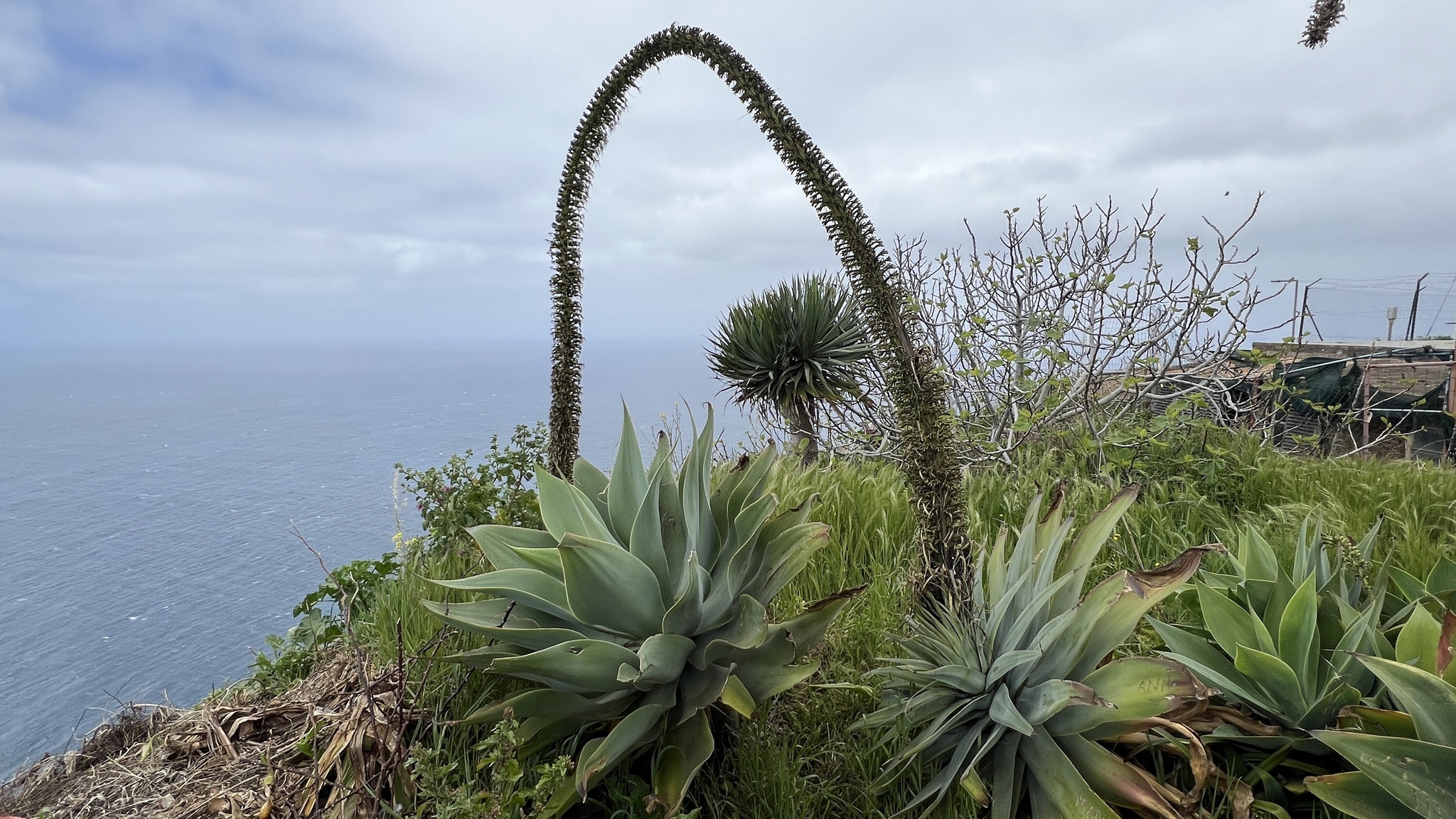
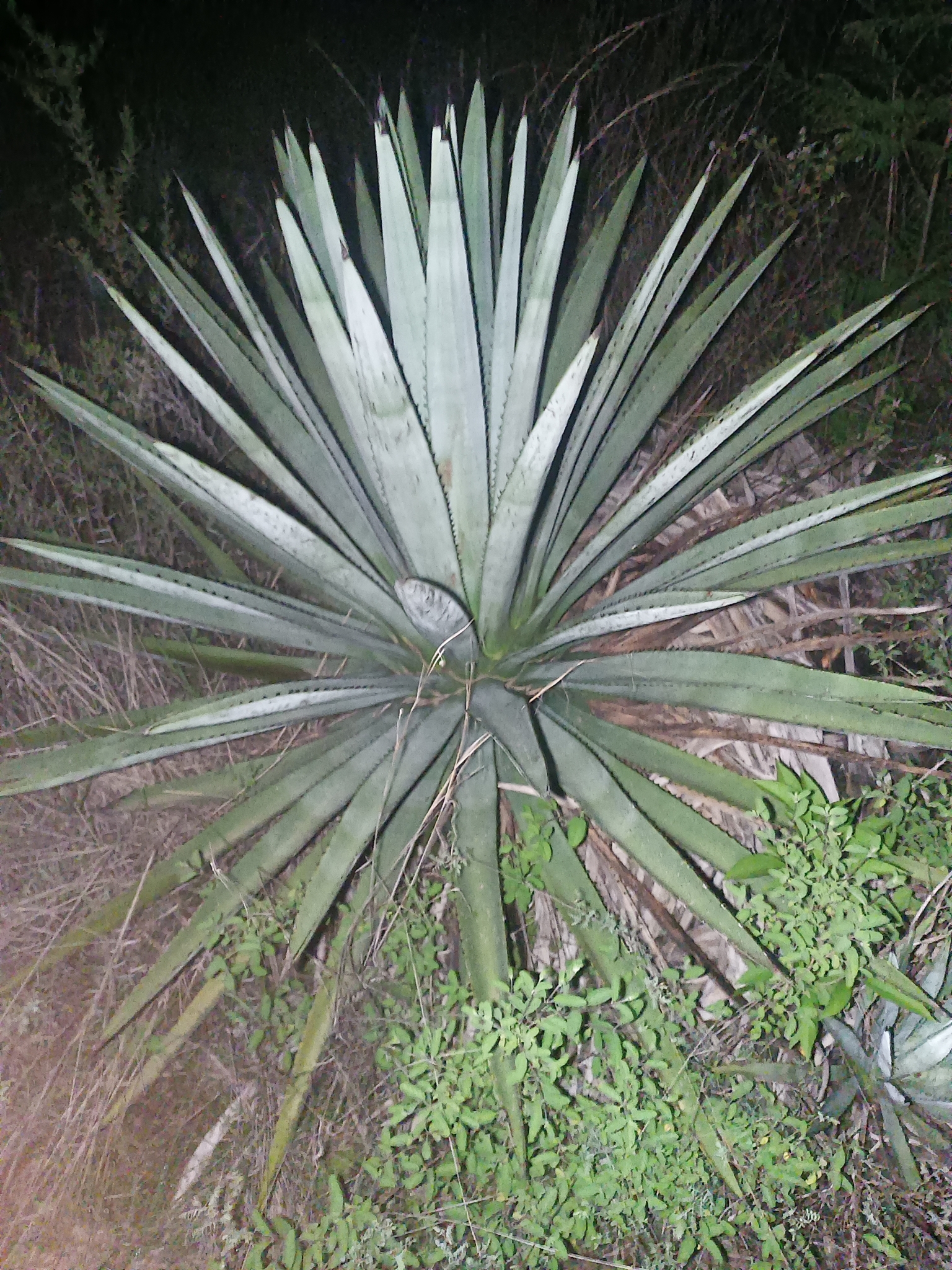
Photos of Chalk Agave (Agave titanota)
Where Chalk Agave (Agave titanota) is found

Density
Tap map to explore
Common names and botanical synonyms
Botanical classification
| Rank | Name |
|---|---|
| Kingdom | Plantae |
| Division | Tracheophyta |
| Class | Liliopsida |
| Order | Asparagales |
| Family | Asparagaceae |
| Genus | Agave |
| Species | Agave titanota |
Similar in genus Agave
Answers based on plant encyclopedia data