Water
Keep the soil consistently moist but not waterlogged. Water deeply when the top inch of soil feels dry. Reduce watering in the dormant season to prevent root rot.
Ensure good drainage to avoid fungal issues, especially in warmer months.
Safety note: This plant may be toxic to humans and pets. See toxicity details.
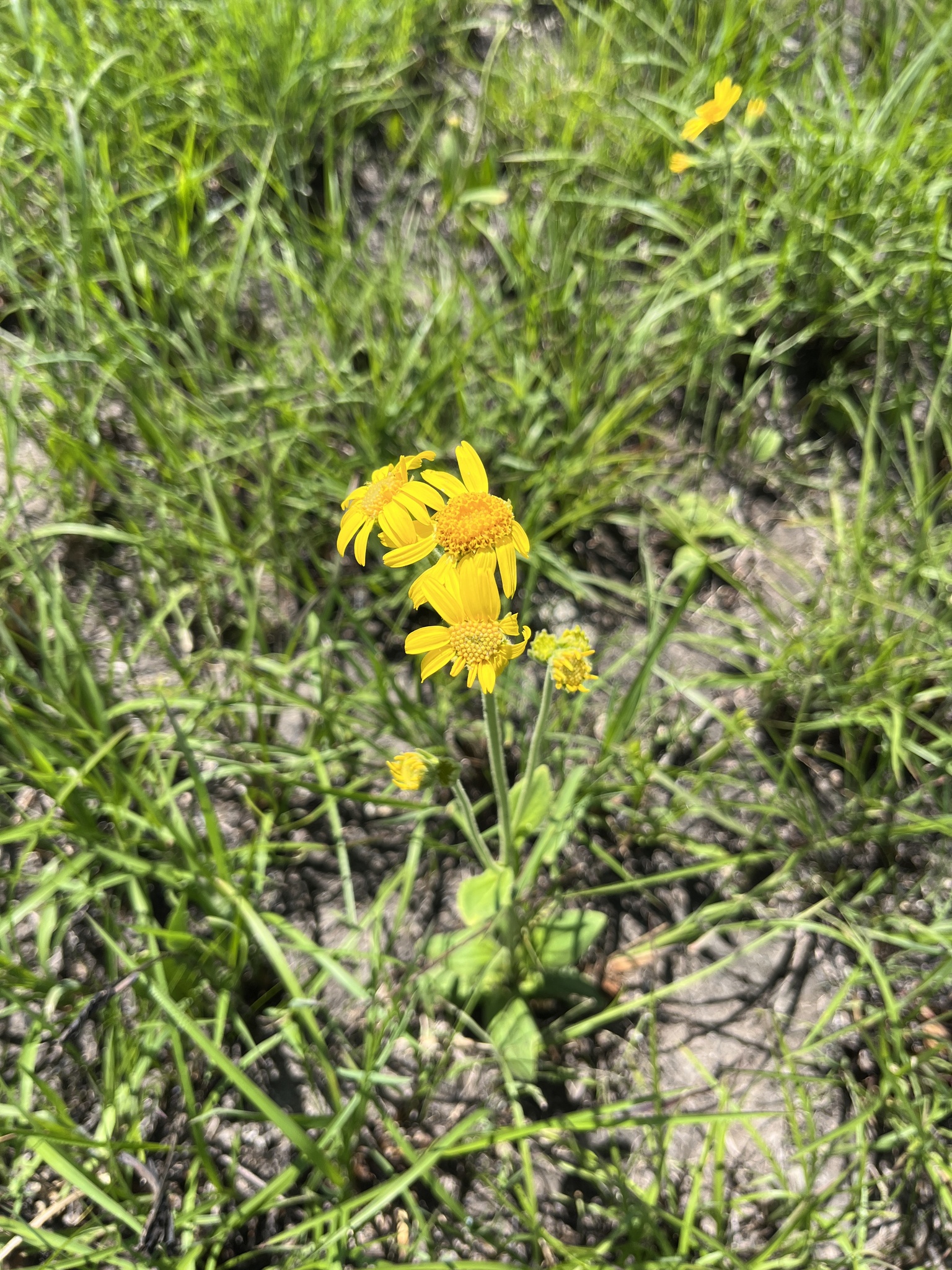
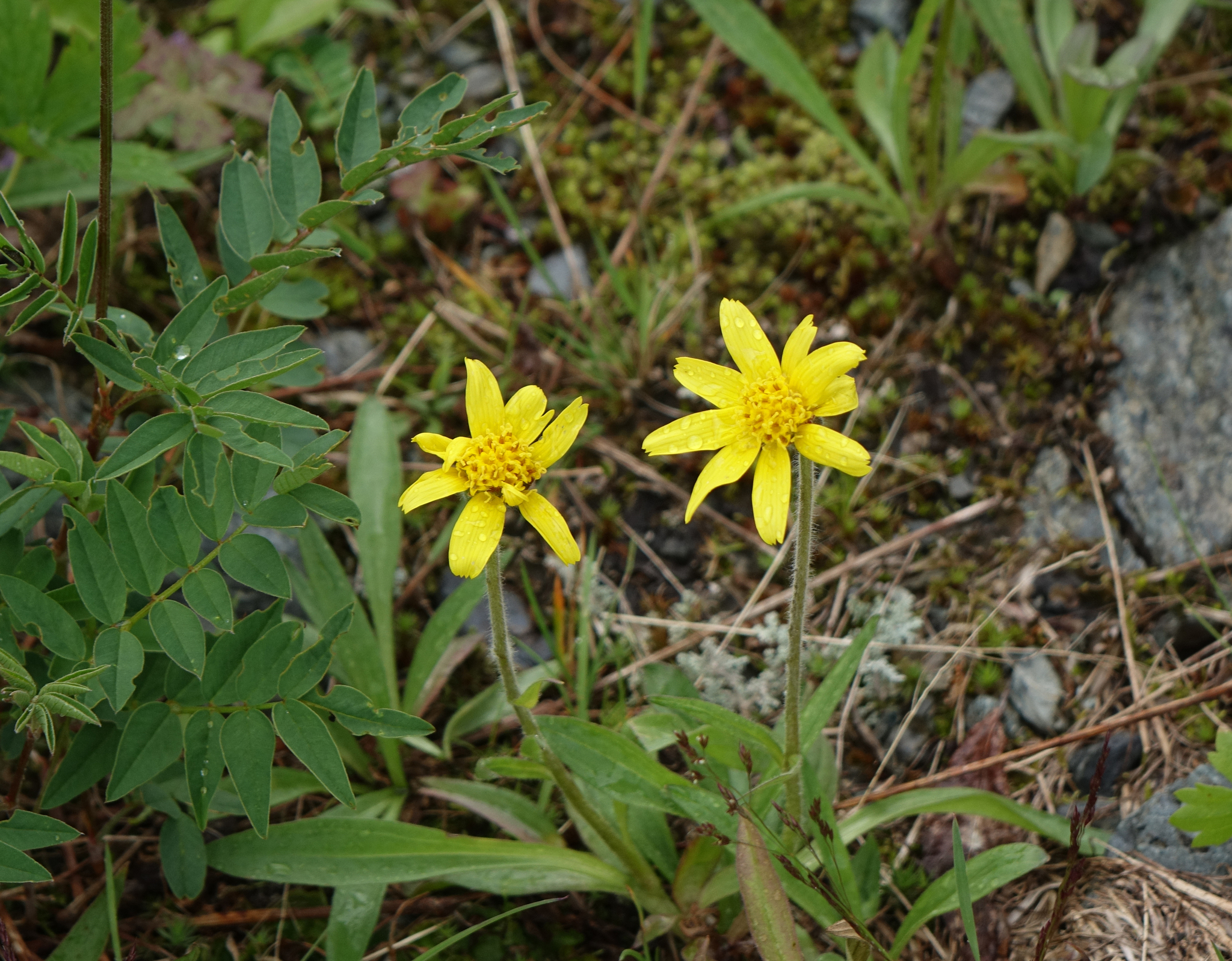
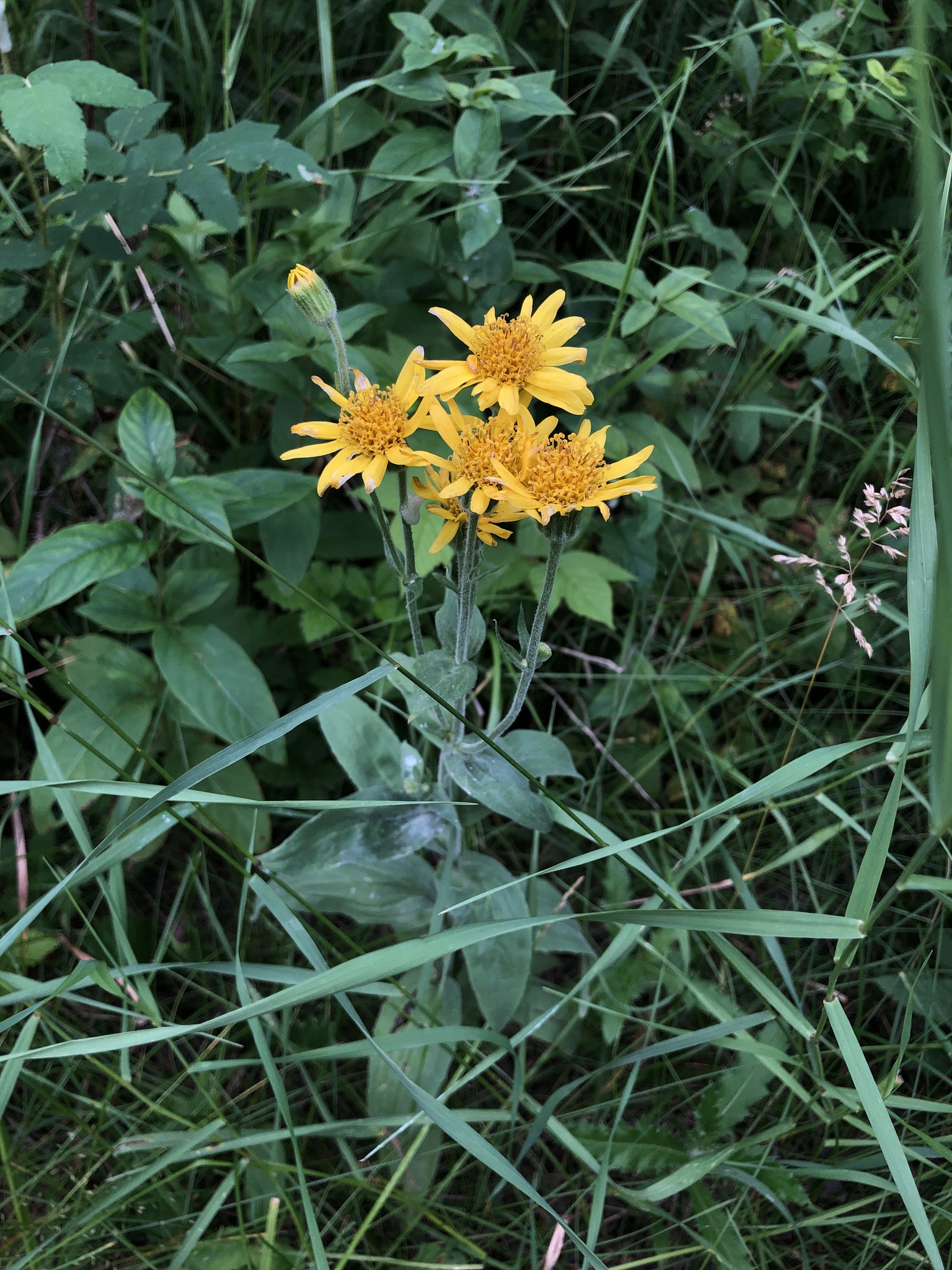
Rayless arnica (Arnica discoidea) is a unique wildflower of the Asteraceae family, recognized by its disc-shaped flower heads lacking ray florets, native to western North
At-a-glance light, water, soil, and growing conditions from plant data
Full sun to partial shade
75% intensity
Prefers full sun but can tolerate light shade, especially in hotter climates. Ensure adequate light for healthy growth and flowering.
Moderate
50% intensity
Keep soil consistently moist but avoid waterlogging. Water when top inch is dry. Reduce in dormancy.
Well-drained
50% intensity
Moderate
50% intensity
Prefers cool to moderate temperatures. Protect from extreme heat. Hardy in USDA zones 4-8.
Low
25% intensity
Generally needs little to no fertilizer. A light feeding in spring is sufficient. Avoid over-fertilizing.
Safety information from plant toxicity data
| Attribute | Value |
|---|---|
| Toxic for humans | Yes 3/5 intensity |
| Toxic for pets | Yes 3/5 intensity |
| Edible | No |
Arnica species can cause gastrointestinal upset and cardiac irregularities if ingested.
Key traits and growing stats from plant data
Watering, pruning, propagation, and repotting details from plant data
Keep the soil consistently moist but not waterlogged. Water deeply when the top inch of soil feels dry. Reduce watering in the dormant season to prevent root rot.
Ensure good drainage to avoid fungal issues, especially in warmer months.
Pruning is minimal for rayless arnica. Remove spent flower stalks after blooming to prevent seed production and maintain a tidy appearance. In late fall or early spring, trim back any dead or damaged foliage.
Avoid heavy pruning as it can stress the plant.
Rayless arnica can be propagated by seed or division. Sow seeds indoors in early spring, or directly outdoors after the last frost. Divisions are best performed in early spring as new growth emerges.
Ensure freshly divided plants are kept consistently moist.
Repotting is rarely necessary as Arnica discoidea is a perennial that prefers to be established in the ground.
If grown in a container, repot only when the plant becomes root-bound, typically every 2-3 years, in early spring. Use a well-draining potting mix.
Identify plants like this with ePlant AI
Snap a photo to get care tips and match similar species on the go.
Monthly activity intensity for bloom and fruit across both hemispheres.
Flowering & fruiting calendar
Flowering & fruiting calendar
Photos of Rayless Arnica (Arnica discoidea)
Where Rayless Arnica (Arnica discoidea) is found
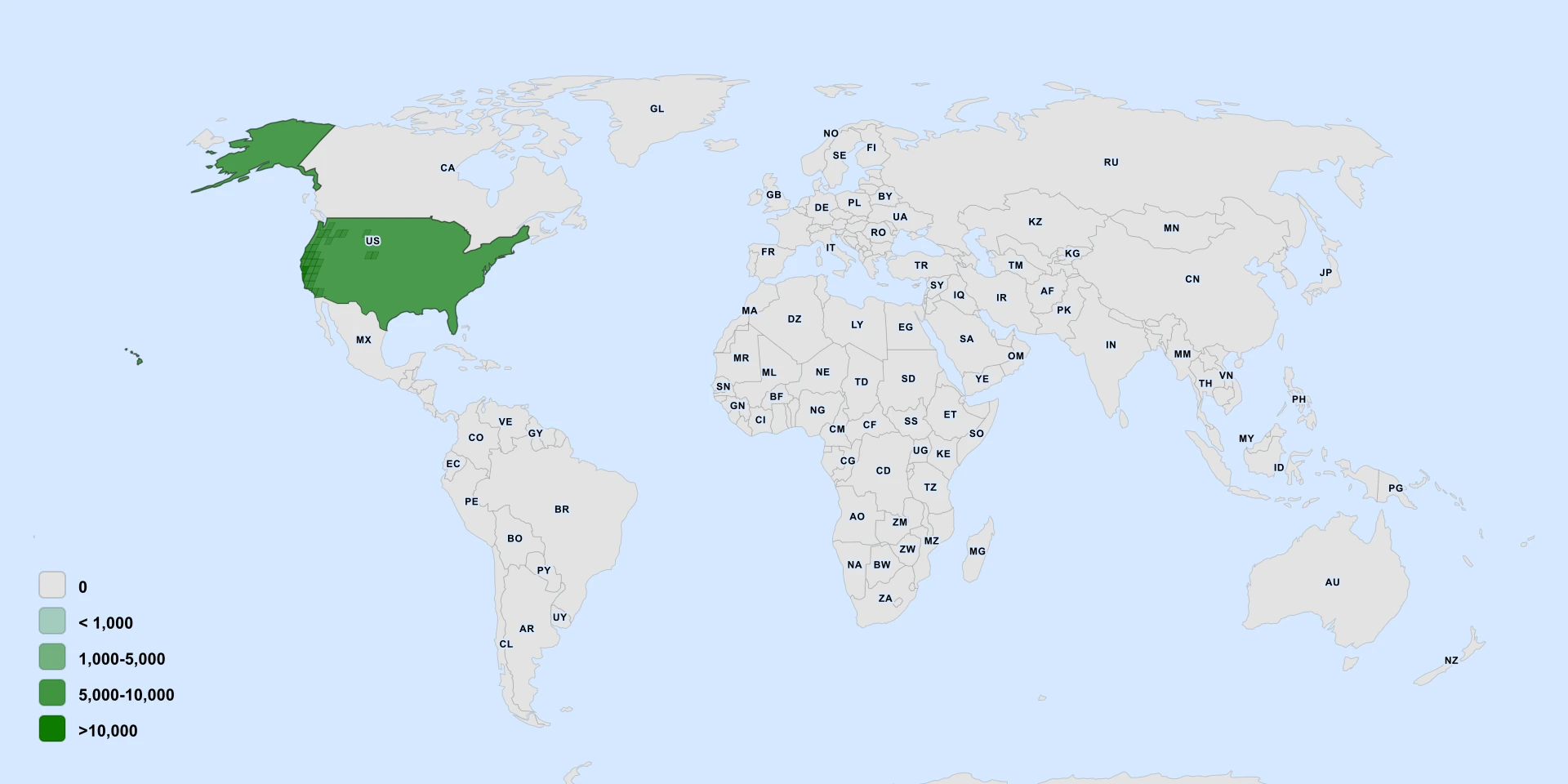
Density
Tap map to explore
Common names and botanical synonyms
Botanical classification
| Rank | Name |
|---|---|
| Kingdom | Plantae |
| Division | Tracheophyta |
| Class | Magnoliopsida |
| Order | Asterales |
| Family | Asteraceae |
| Genus | Arnica |
| Species | Arnica discoidea |
Similar in genus Arnica
Answers based on plant encyclopedia data