Water
Red Buckeye prefers consistently moist soil, especially when young. Water deeply when the top few centimeters of soil feel dry. Avoid waterlogged conditions, as this can lead to root rot.
Reduce watering slightly during dormancy in winter.
Also known as Aesculus Sylvatica · Crimson Horse-Chestnut · Damask Horsechestnut
Safety note: This plant may be toxic to humans and pets. See toxicity details.
Red Buckeye (Aesculus pavia) is a stunning small tree or large shrub native to the southeastern United States, famed for its vibrant red flower clusters in spring.
At-a-glance light, water, soil, and growing conditions from plant data
Full sun to partial shade
50% intensity
Best flowering in full sun, tolerates partial shade.
Moderate
50% intensity
Prefers consistently moist soil, but avoid waterlogging.
Well-drained, fertile soil
50% intensity
Adaptable
50% intensity
Tolerant of a range of temperatures, hardy in USDA zones 5-9.
Outdoor
50% intensity
Low
25% intensity
Light feeding in spring, if needed. Avoid over-fertilization.
Safety information from plant toxicity data
| Attribute | Value |
|---|---|
| Toxic for humans | Yes 4/5 intensity |
| Toxic for pets | Yes 5/5 intensity |
| Edible | No |
Contains saponins and possibly glycosides. All parts are toxic, especially the seeds.
Key traits and growing stats from plant data
Watering, pruning, propagation, and repotting details from plant data
Red Buckeye prefers consistently moist soil, especially when young. Water deeply when the top few centimeters of soil feel dry. Avoid waterlogged conditions, as this can lead to root rot.
Reduce watering slightly during dormancy in winter.
Prune Aesculus pavia primarily to shape the tree and remove dead, damaged, or crossing branches. The best time for structural pruning is in late winter or early spring before bud break.
Light pruning can be done after flowering to maintain form.
Seeds of Aesculus pavia require stratification. Collect seeds in autumn and sow them in a well-drained seed-starting mix, refrigerating for 2-3 months before planting outdoors in spring.
Stem cuttings can also be taken in early summer.
Repot young Red Buckeye trees every 2-3 years to refresh soil and provide more space for root growth. Use a well-draining potting mix. Mature trees in the landscape generally do not require repotting.
Identify plants like this with ePlant AI
Snap a photo to get care tips and match similar species on the go.
Monthly activity intensity for bloom and fruit across both hemispheres.
Flowering & fruiting calendar
Flowering & fruiting calendar
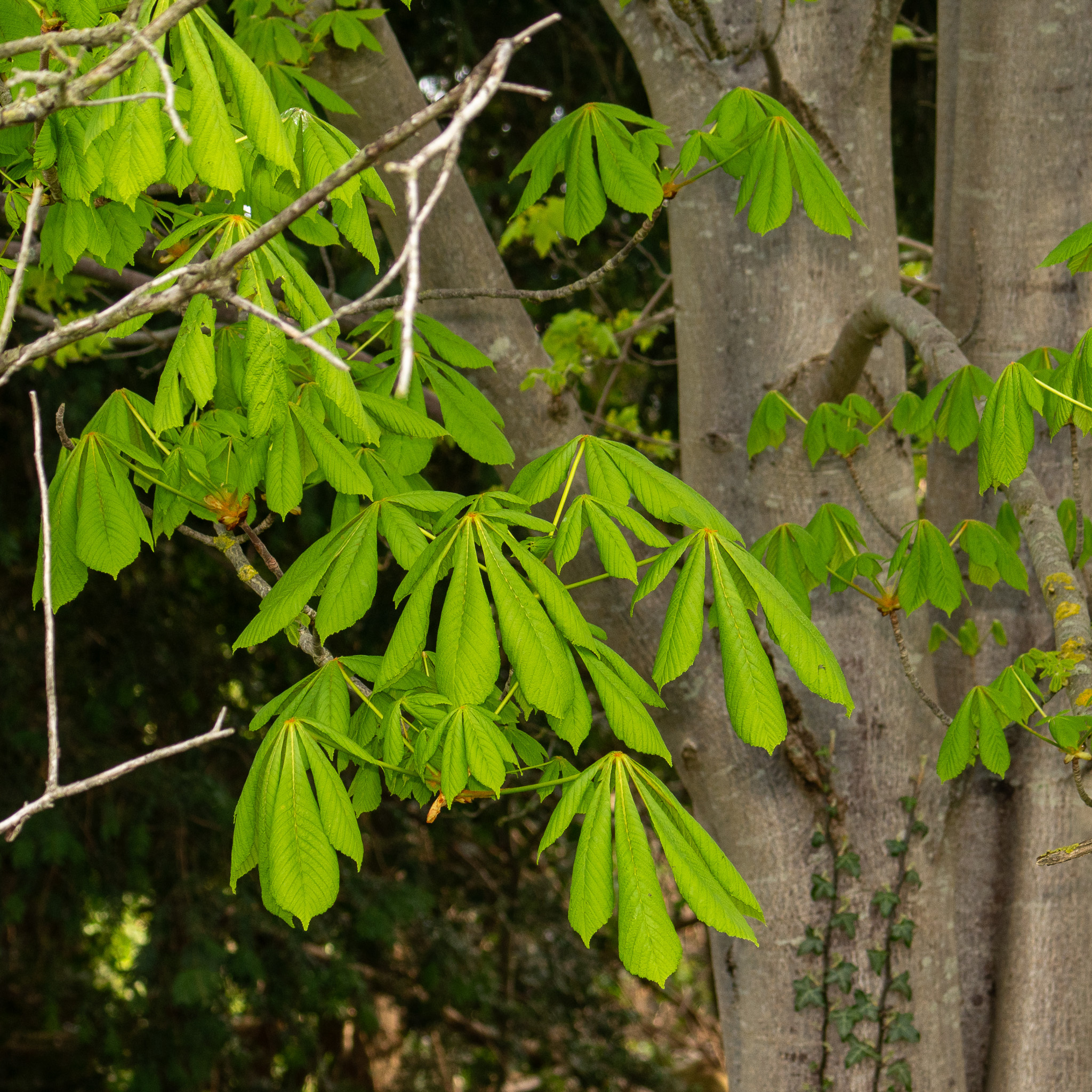
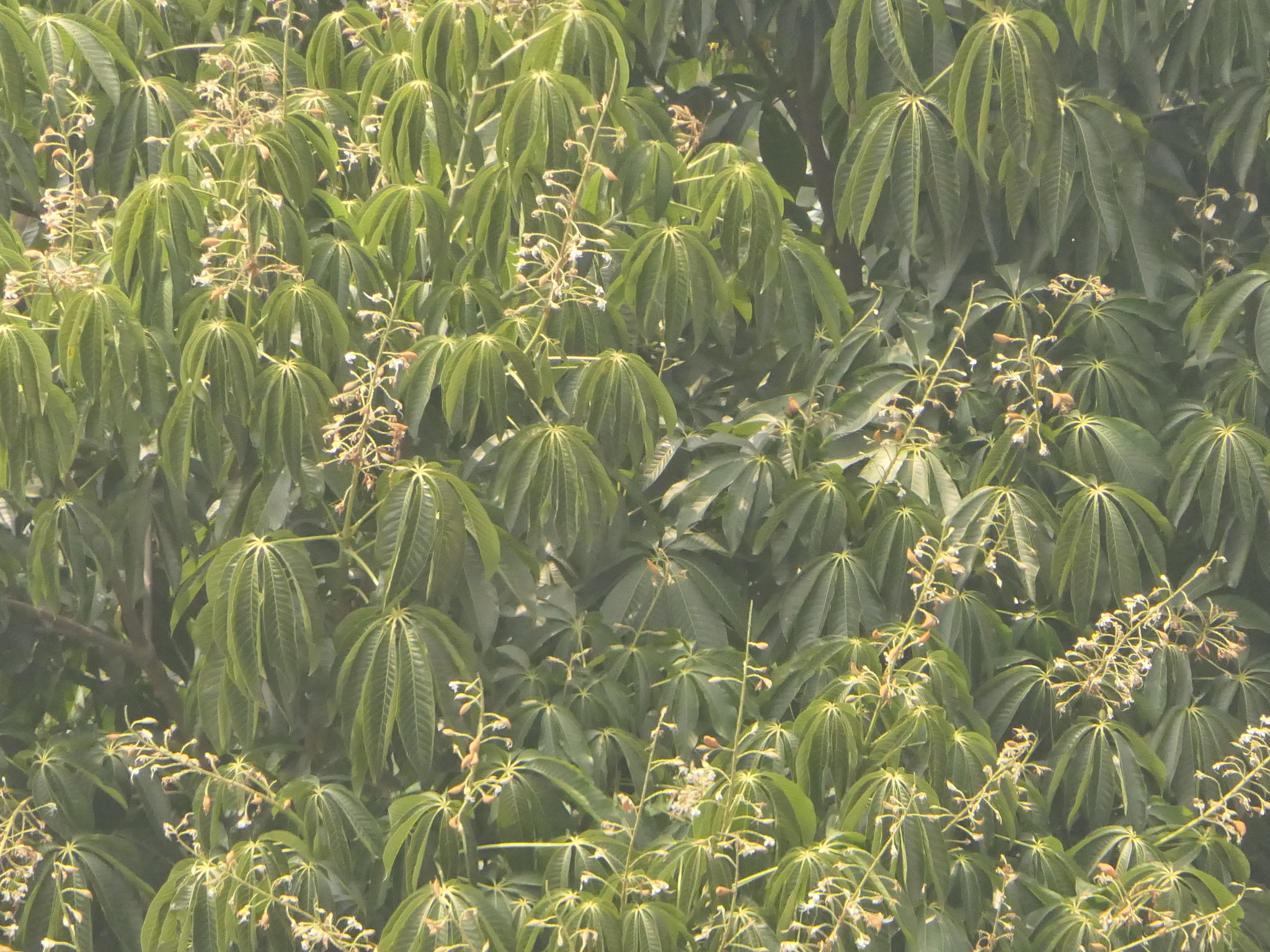
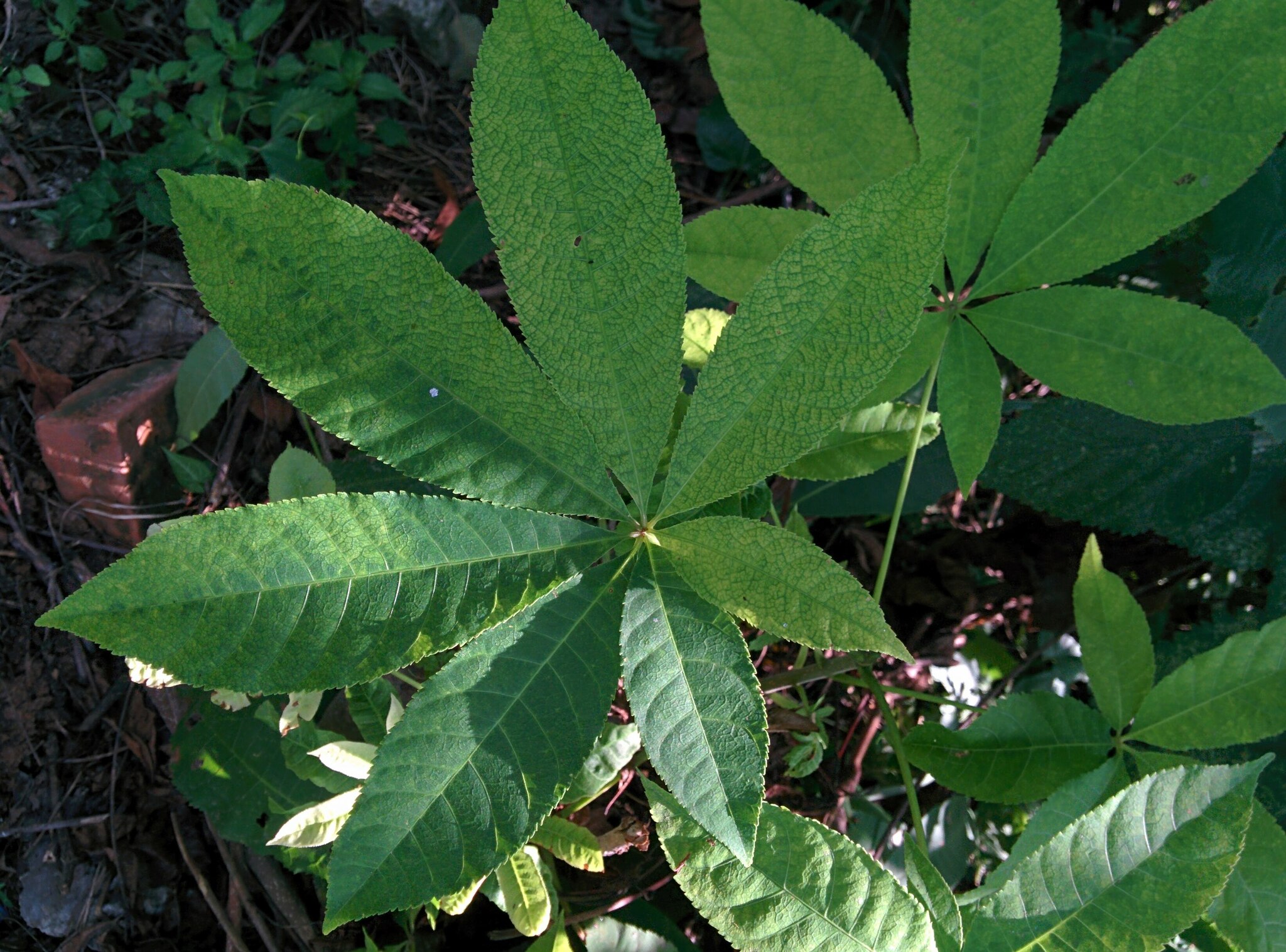
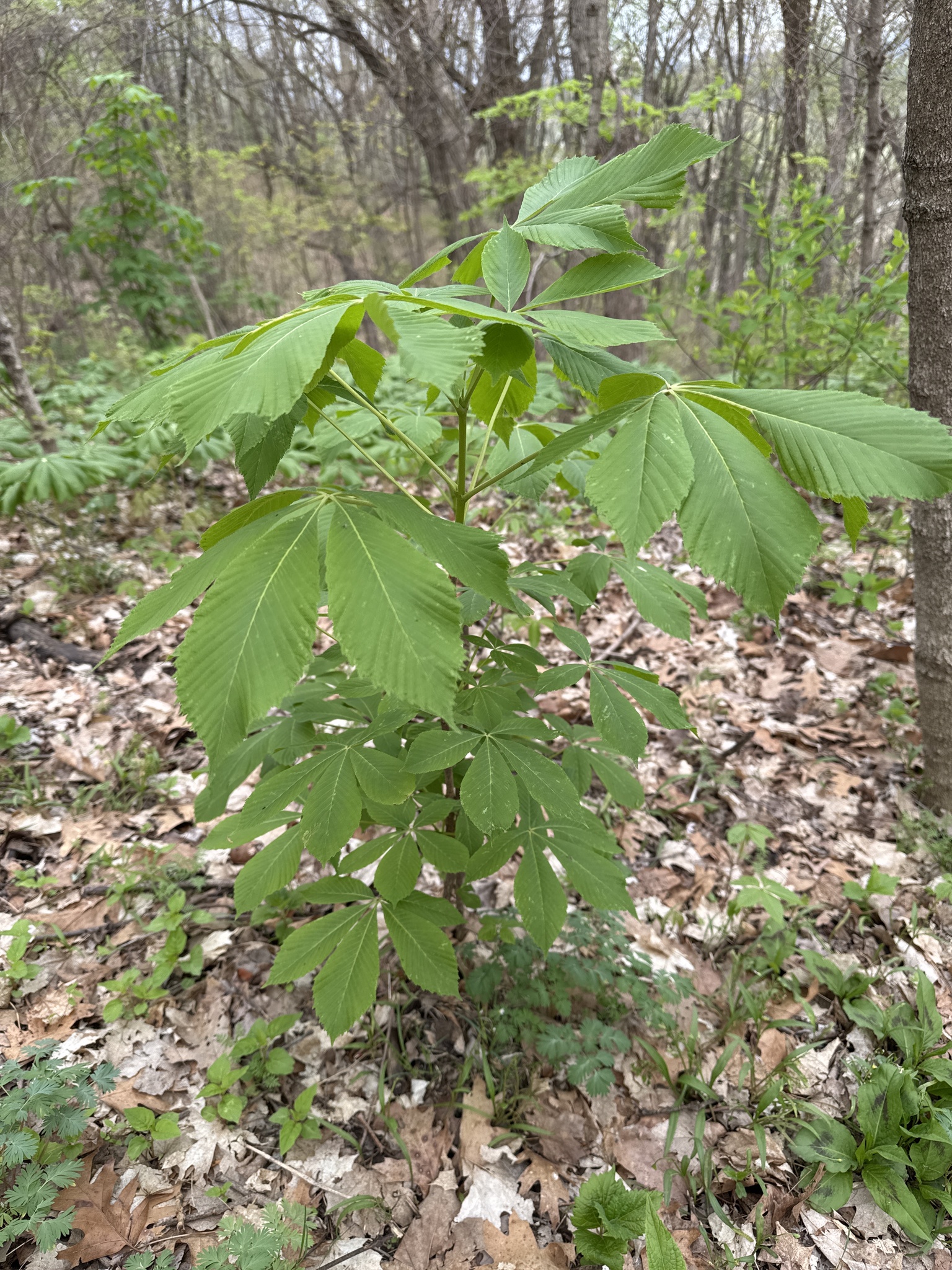
Photos of Red Buckeye (Aesculus pavia)
Common names and botanical synonyms
Botanical classification
| Rank | Name |
|---|---|
| Kingdom | Plantae |
| Division | Tracheophyta |
| Class | Magnoliopsida |
| Order | Sapindales |
| Family | Sapindaceae |
| Genus | Aesculus |
| Species | Aesculus pavia |
Similar in genus Aesculus
Answers based on plant encyclopedia data