Water
Water regularly, especially during dry periods, to keep the soil consistently moist but not waterlogged. Reduce watering in winter. Young plants benefit from more frequent watering as they establish their root systems.
Also known as Alpine Elder · Buskhyll · Coastal Red Elderberry
Safety note: This plant may be toxic to humans and pets. See toxicity details.
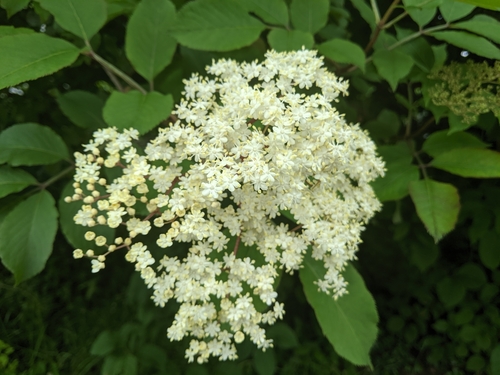
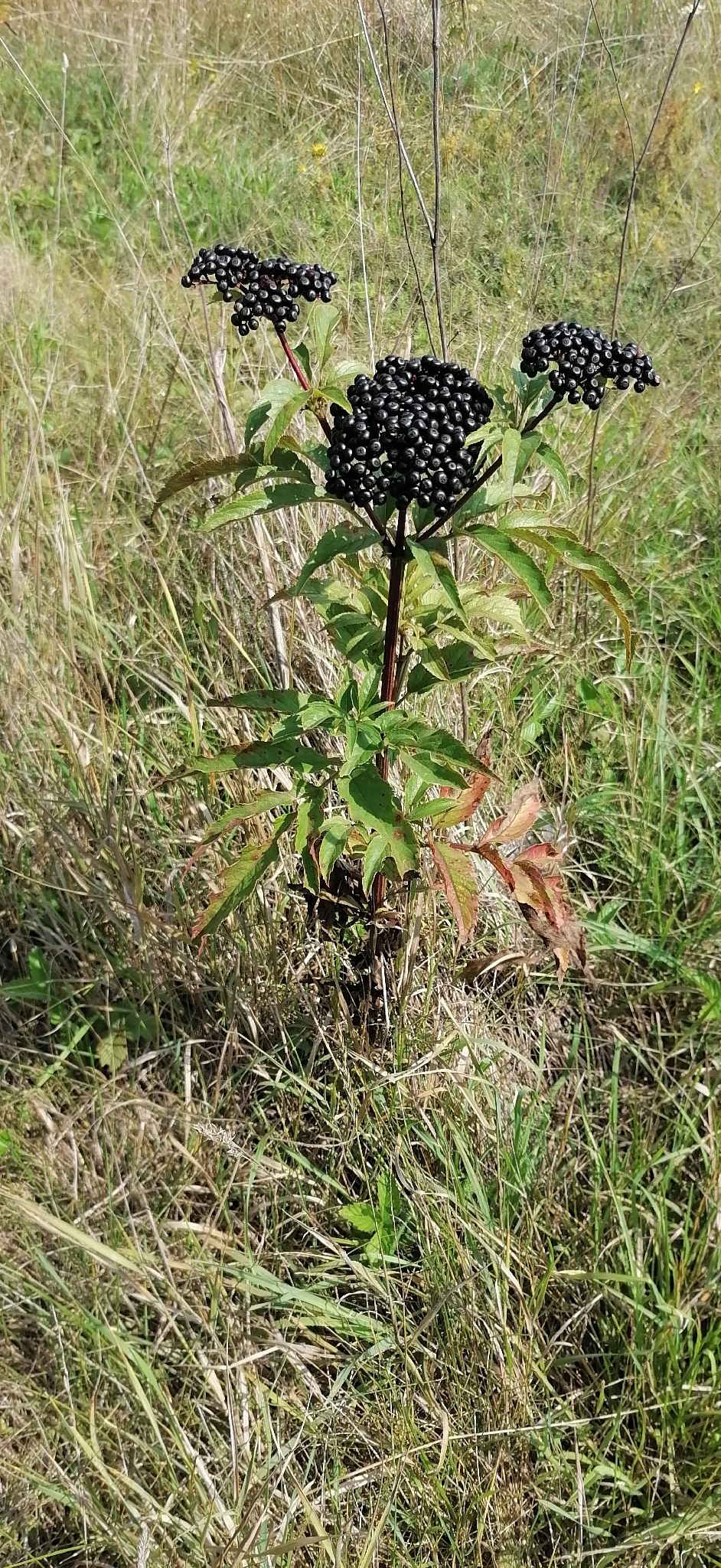
Red-berried elder (Sambucus racemosa) is a deciduous shrub known for its clusters of white flowers followed by bright red berries. It's a hardy, fast-growing plant.
At-a-glance light, water, soil, and growing conditions from plant data
Full Sun to Partial Shade
75% intensity
Thrives in bright light but can tolerate some shade, though flowering and fruiting may be reduced.
Consistent Moisture
50% intensity
Prefers moist soil, especially during establishment and dry spells.
Well-drained, moist, humus-rich soil
50% intensity
Cold Hardy
25% intensity
Resistant to cold temperatures and suitable for temperate climates. Protect from extreme heat.
Moderate
50% intensity
Benefits from annual feeding in spring to support growth and fruiting.
Safety information from plant toxicity data
| Attribute | Value |
|---|---|
| Toxic for humans | Yes 3/5 intensity |
| Toxic for pets | Yes 3/5 intensity |
| Edible | No |
All parts of the plant are toxic, especially the berries. Contains cyanogenic glycosides. Ingestion can cause nausea, vomiting, diarrhea, and weakness.
Key traits and growing stats from plant data
Watering, pruning, propagation, and repotting details from plant data
Water regularly, especially during dry periods, to keep the soil consistently moist but not waterlogged. Reduce watering in winter. Young plants benefit from more frequent watering as they establish their root systems.
Prune in late winter or early spring before new growth begins. Remove dead, damaged, or crossing branches. Thin out dense areas to improve air circulation and light penetration.
This also encourages better fruit production.
Propagate from semi-hardwood cuttings taken in summer or from seed sown in autumn. Seeds may require a period of cold stratification. Cuttings should be treated with rooting hormone and planted in a well-draining medium.
Young plants may need repotting every 1-2 years into a slightly larger container. Mature plants are generally best left undisturbed in the ground. Ensure adequate drainage in pots to prevent root rot.
Identify plants like this with ePlant AI
Snap a photo to get care tips and match similar species on the go.
Monthly activity intensity for bloom and fruit across both hemispheres.
Flowering & fruiting calendar
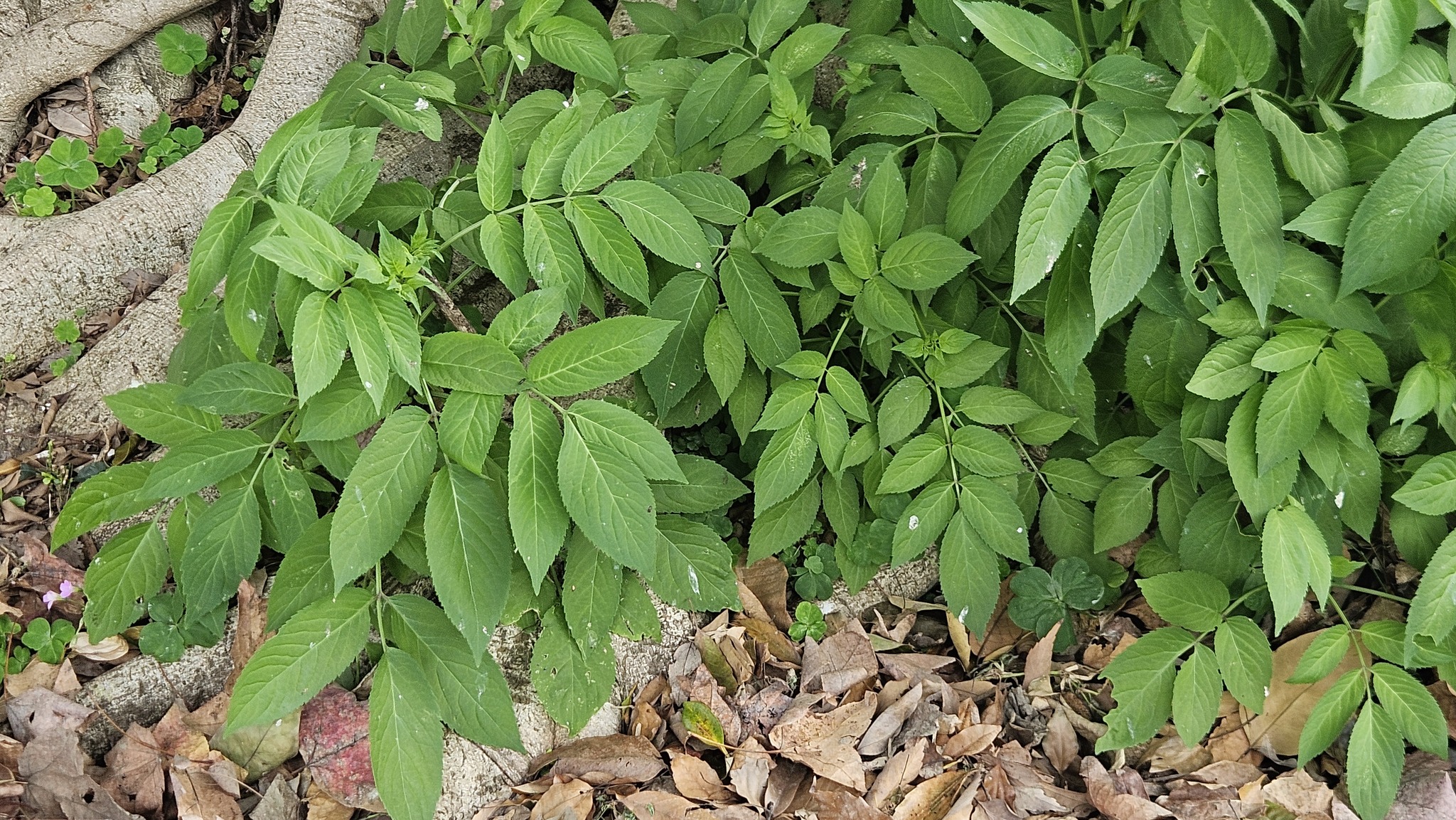
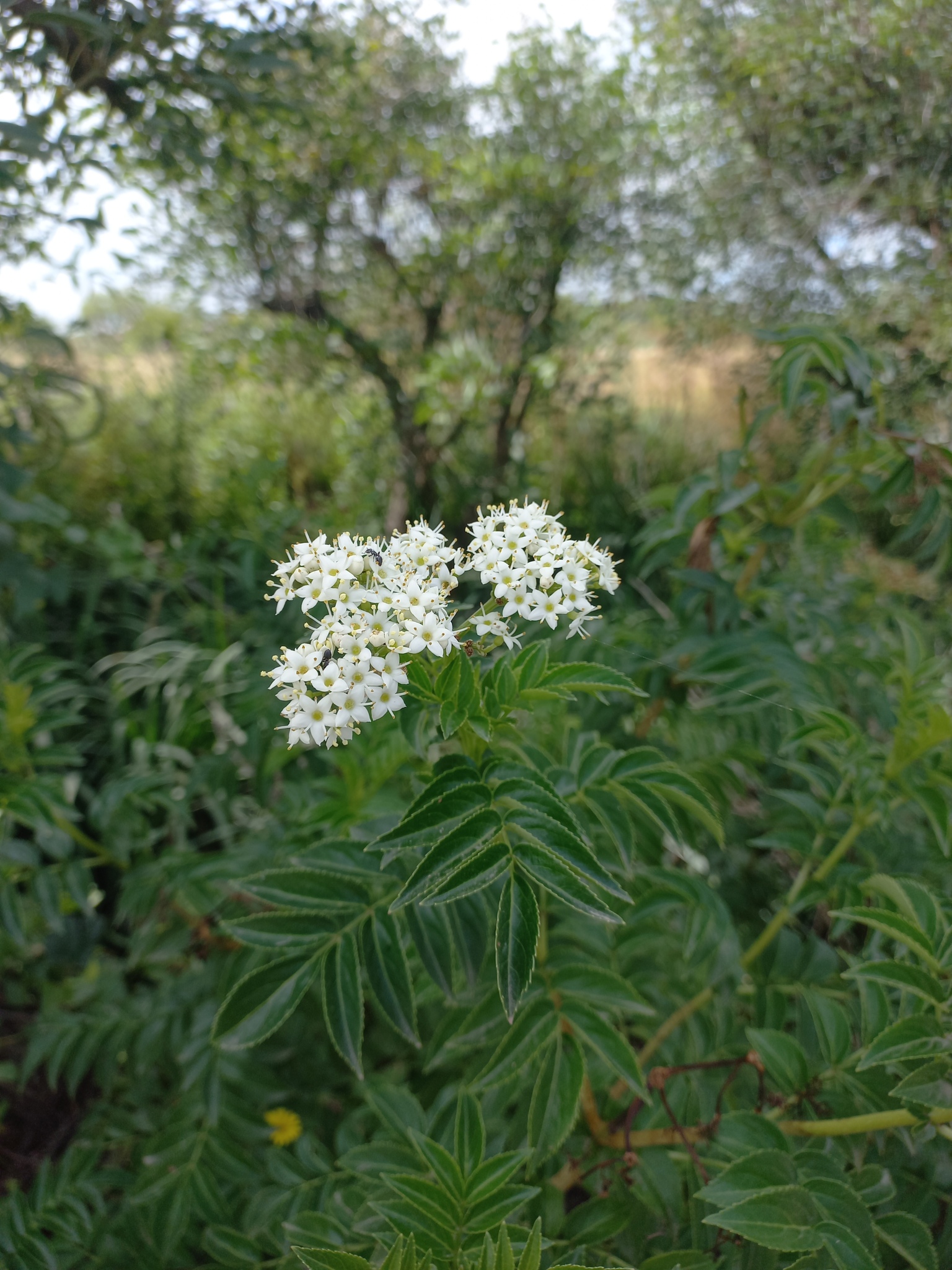
Photos of Red-Berried Elder (Sambucus racemosa)
Where Red-Berried Elder (Sambucus racemosa) is found

Density
Tap map to explore
Common names and botanical synonyms
Botanical classification
| Rank | Name |
|---|---|
| Kingdom | Plantae |
| Division | Tracheophyta |
| Class | Magnoliopsida |
| Order | Dipsacales |
| Family | Viburnaceae |
| Genus | Sambucus |
| Species | Sambucus racemosa |
Similar in genus Sambucus
Answers based on plant encyclopedia data