Water
Allow the soil to dry out completely between waterings, especially during the dormant summer period. Water sparingly in winter. Overwatering is the most common cause of root rot for Drimia maritima.
Also known as Aẓalim N Uccen · Maritime Squill · Mededicinal Squill
Safety note: This plant may be toxic to humans and pets. See toxicity details.
Drimia maritima — care, benefits & growing guide for this Drimia species. Find watering, sunlight, soil, and growing tips to keep Drimia maritima healthy, plus identification notes and plant profile details from ePlant AI.
At-a-glance light, water, soil, and growing conditions from plant data
Full sun to partial shade.
75% intensity
Prefers bright light but can tolerate some shade.
Allow soil to dry out completely between waterings.
25% intensity
Reduce watering significantly during summer dormancy.
Well-drained, sandy, loamy
50% intensity
Average room temperatures.
50% intensity
Can tolerate a range from 10°C to 30°C, but avoid frost.
Fertilize sparingly during the growing season.
25% intensity
A balanced, diluted liquid fertilizer once or twice from autumn to spring.
Safety information from plant toxicity data
| Attribute | Value |
|---|---|
| Toxic for humans | Yes 4/5 intensity |
| Toxic for pets | Yes 4/5 intensity |
| Edible | No |
Bulbs are toxic if ingested, containing cardiac glycosides. May cause gastrointestinal upset, cardiac arrhythmias, and death.
Key traits and growing stats from plant data
Watering, pruning, propagation, and repotting details from plant data
Allow the soil to dry out completely between waterings, especially during the dormant summer period. Water sparingly in winter. Overwatering is the most common cause of root rot for Drimia maritima.
Remove spent flower stalks to maintain a tidy appearance after blooming. Otherwise, pruning is generally not required. Any dead or yellowing foliage should be removed as it appears to prevent disease.
Propagate by offsets which can be carefully separated from the parent bulb during repotting. Alternatively, seeds can be sown in well-draining compost in spring, but this is a slower method.
Repot every 2-3 years, preferably in early autumn before new growth begins. Use a gritty, well-draining compost. Ensure the top of the bulb is just at or slightly above the soil surface.
Identify plants like this with ePlant AI
Snap a photo to get care tips and match similar species on the go.
Monthly activity intensity for bloom and fruit across both hemispheres.
Flowering & fruiting calendar
Flowering & fruiting calendar
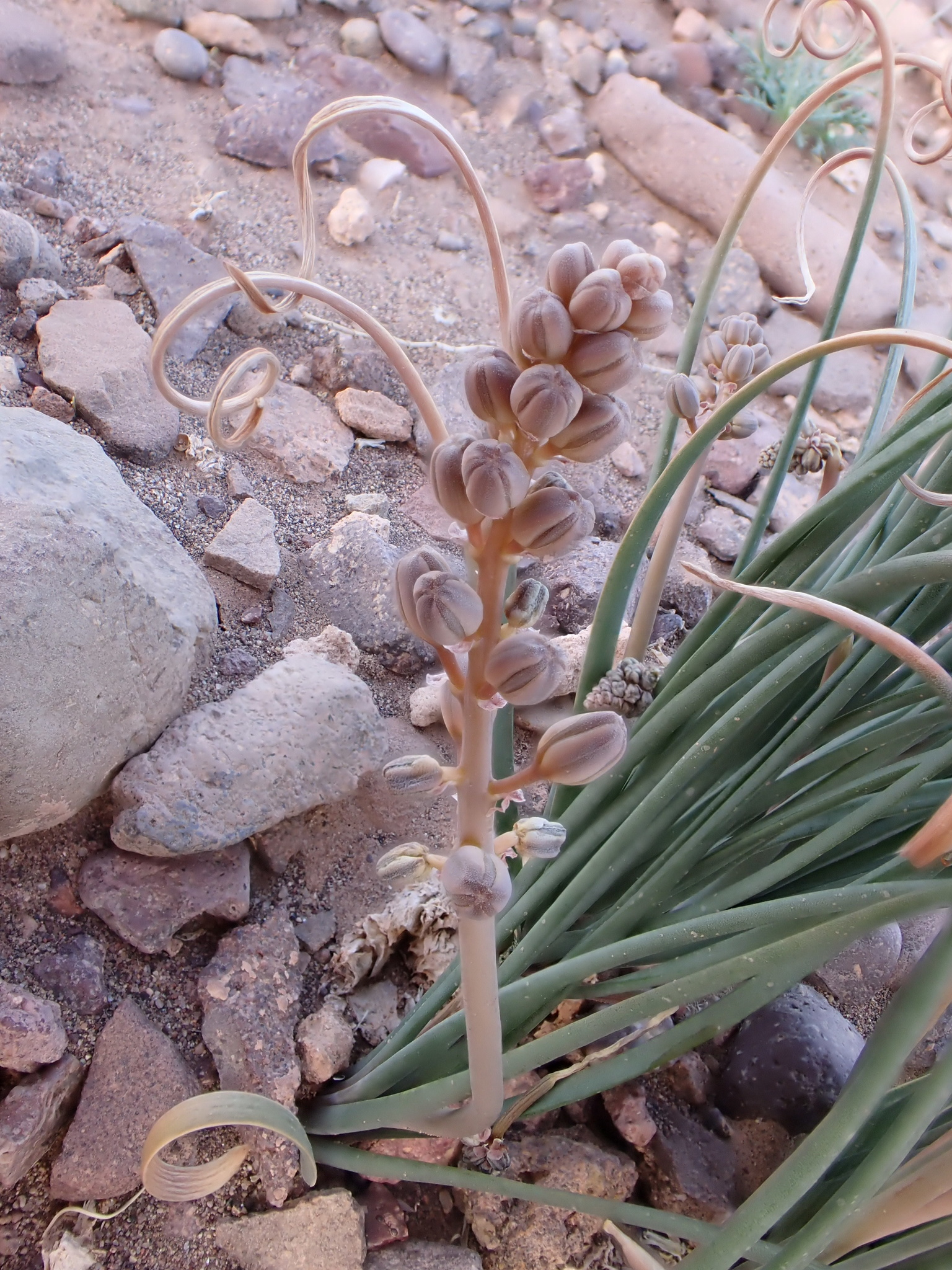
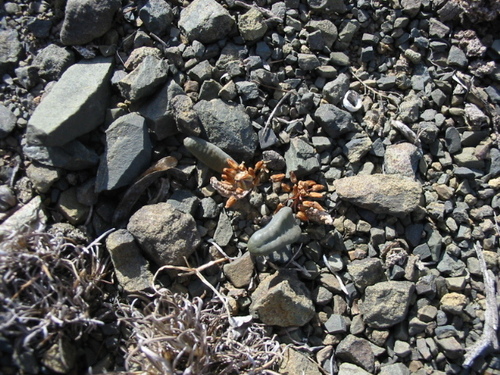
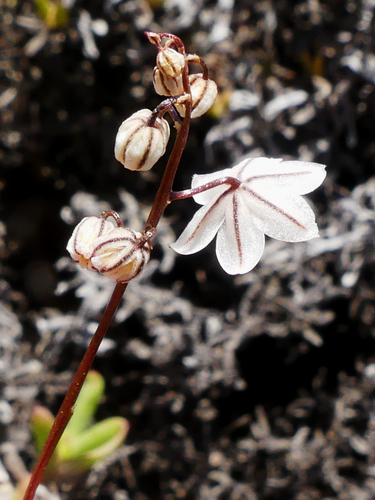
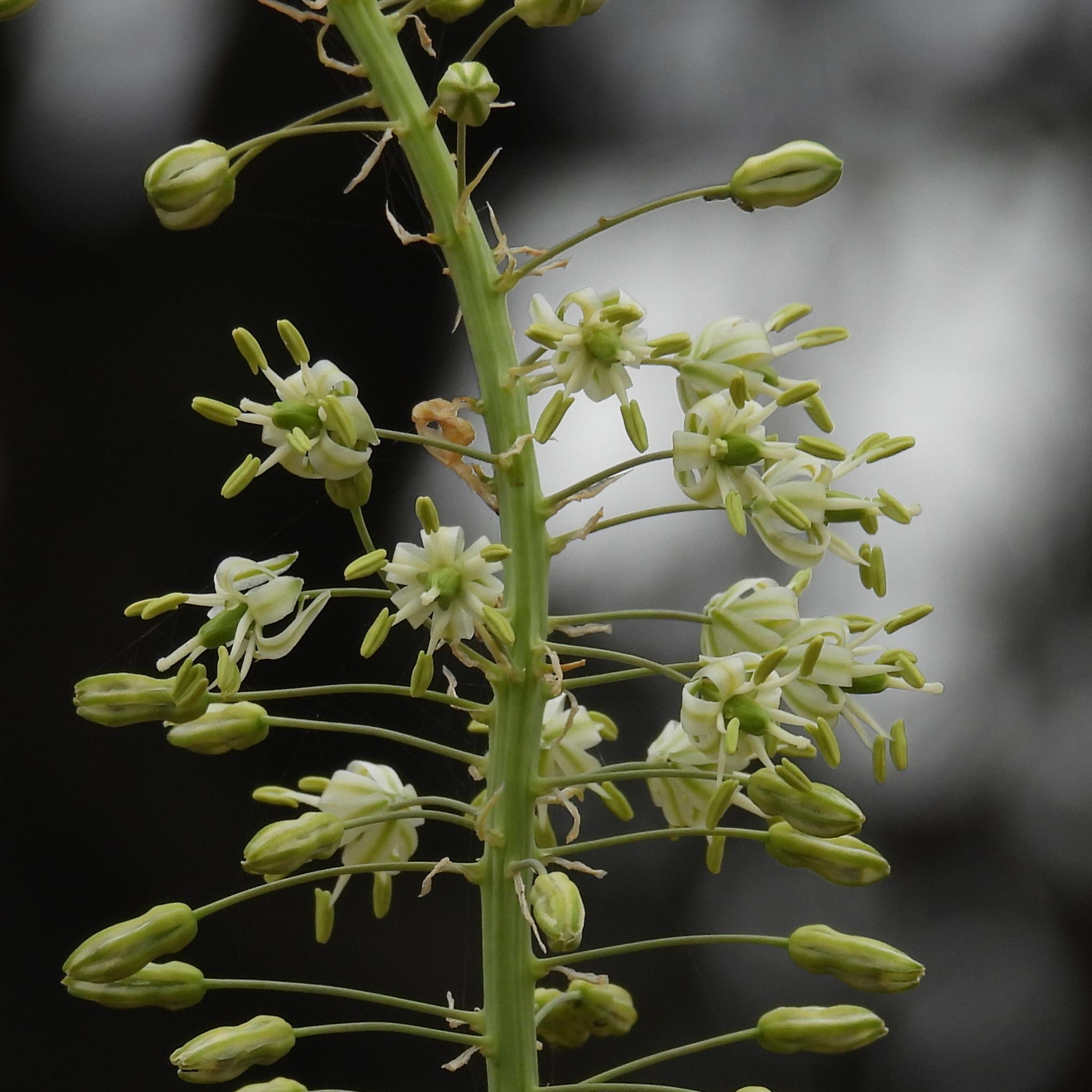
Photos of Drimia Maritima (Drimia maritima)
Common names and botanical synonyms
Botanical classification
| Rank | Name |
|---|---|
| Kingdom | Plantae |
| Division | Tracheophyta |
| Class | Liliopsida |
| Order | Asparagales |
| Family | Asparagaceae |
| Genus | Drimia |
| Species | Drimia maritima |
Similar in genus Drimia
Answers based on plant encyclopedia data