Water
Water consistently during establishment and dry periods. Allow the soil surface to dry slightly between waterings. Once established, Tall Thistle is drought-tolerant, requiring minimal supplemental water.
Overwatering can lead to root rot.
Also known as Blue Thistle · Roadside Thistle
Tall Thistle (Cirsium altissimum) is a tall, stately native wildflower known for its large purple flower heads, attracting pollinators. It thrives in sunny meadows and fi
At-a-glance light, water, soil, and growing conditions from plant data
Full Sun
100% intensity
Prefers at least 6-8 hours of direct sunlight per day for optimal growth and flowering.
Moderate
50% intensity
Water regularly until established, then less frequently. Allow soil to dry slightly between waterings.
Well-drained
50% intensity
Moderate
50% intensity
Hardy in USDA zones 4-8. Can withstand cold winters and moderate summer heat.
Low
25% intensity
Generally thrives in average soils with minimal fertilization. Avoid excessive feeding.
Safety information from plant toxicity data
| Attribute | Value |
|---|---|
| Toxic for humans | No 0/5 intensity |
| Toxic for pets | No 0/5 intensity |
| Edible | No |
Key traits and growing stats from plant data
Watering, pruning, propagation, and repotting details from plant data
Water consistently during establishment and dry periods. Allow the soil surface to dry slightly between waterings. Once established, Tall Thistle is drought-tolerant, requiring minimal supplemental water.
Overwatering can lead to root rot.
Deadheading spent flower stalks can prevent unwanted self-seeding, although this also removes potential winter interest and food sources for wildlife. Remove any dead or damaged foliage in late winter or early spring before new growth emerges to improve plant health and appearance.
Tall Thistle can be propagated by seed, which benefits from a period of cold stratification. Sow seeds in early spring or fall.
Division of established clumps is also possible, though it can be challenging due to the plant's taproot. Best done in early spring.
Repotting is generally not applicable to Cirsium altissimum as it is a herbaceous perennial or biennial typically grown in the ground. If grown in a container, repotting would only be necessary if the plant becomes severely root-bound, which is uncommon for this species.
Identify plants like this with ePlant AI
Snap a photo to get care tips and match similar species on the go.
Monthly activity intensity for bloom and fruit across both hemispheres.
Flowering & fruiting calendar
Flowering & fruiting calendar
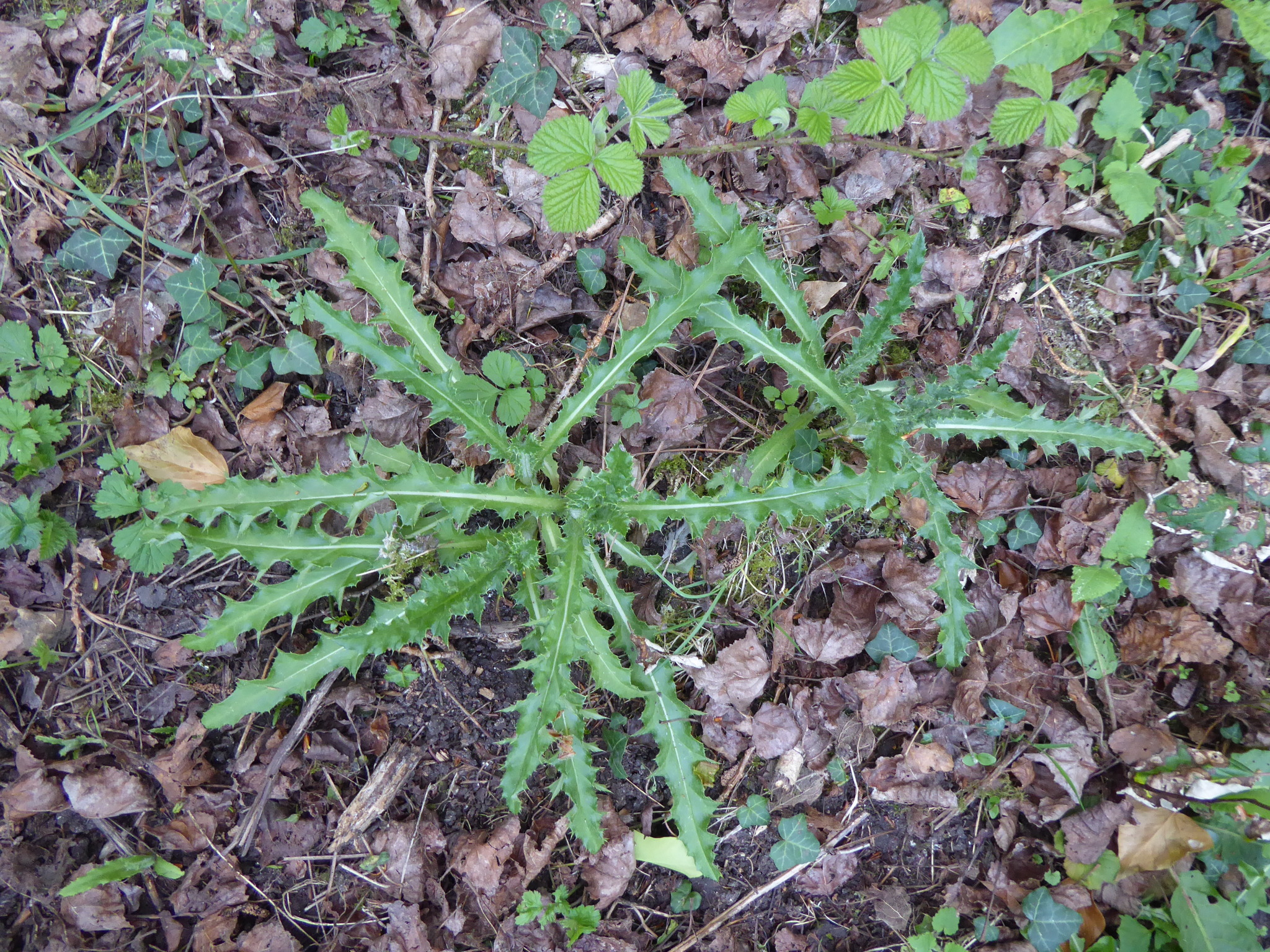
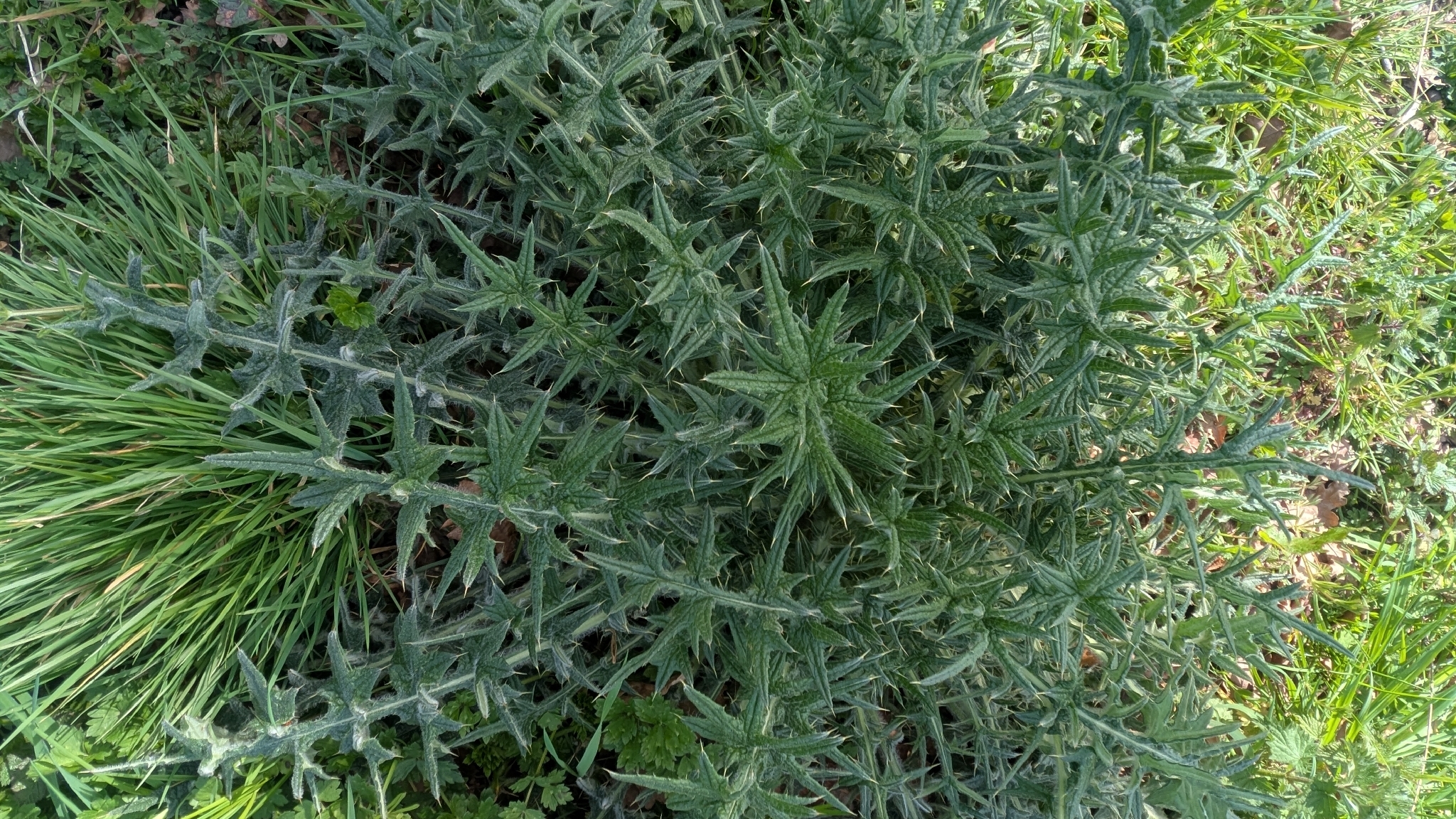
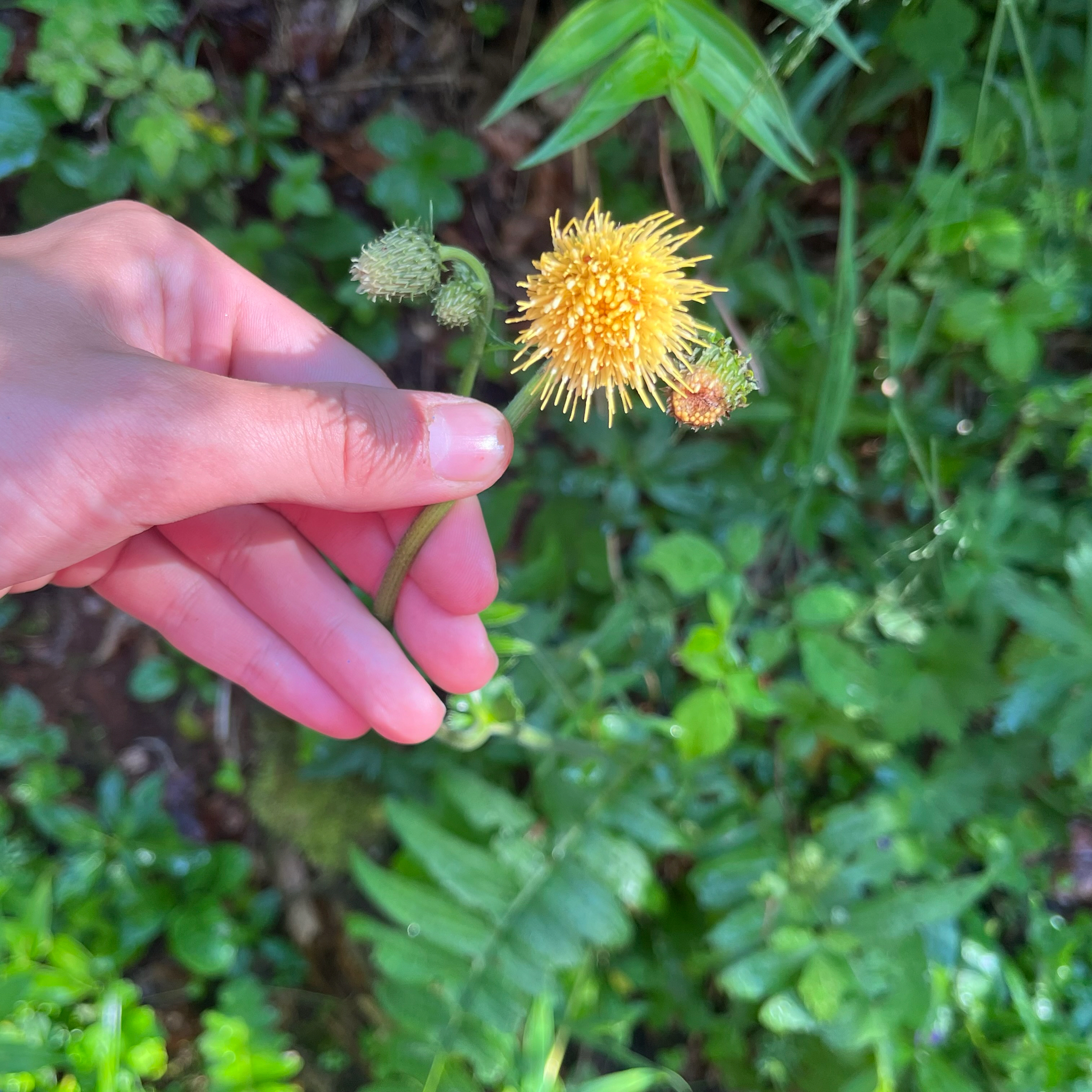
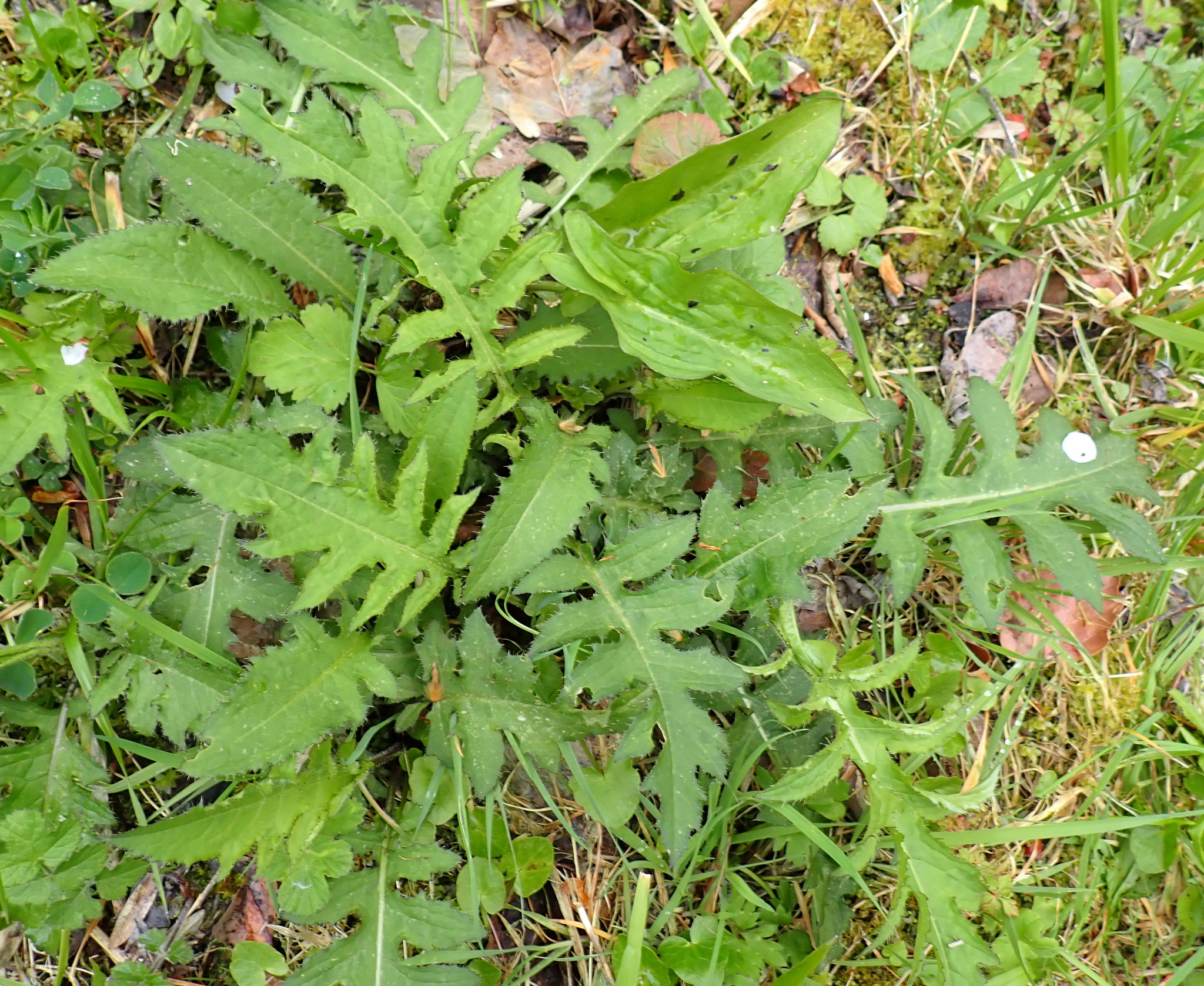
Photos of Tall Thistle (Cirsium altissimum)
Common names and botanical synonyms
Botanical classification
| Rank | Name |
|---|---|
| Kingdom | Plantae |
| Division | Tracheophyta |
| Class | Magnoliopsida |
| Order | Asterales |
| Family | Asteraceae |
| Genus | Cirsium |
| Species | Cirsium altissimum × discolor |
Similar in genus Cirsium
Answers based on plant encyclopedia data