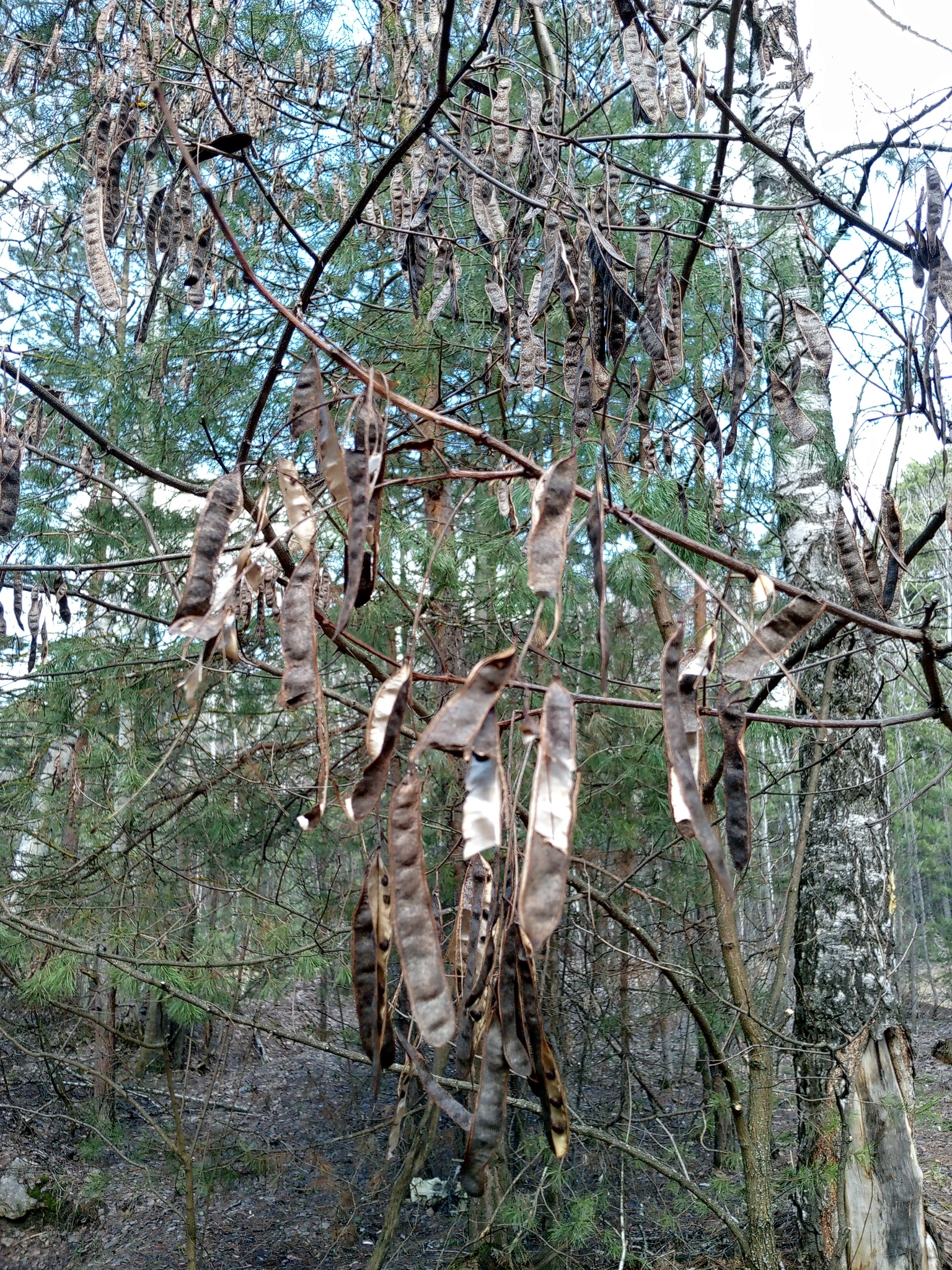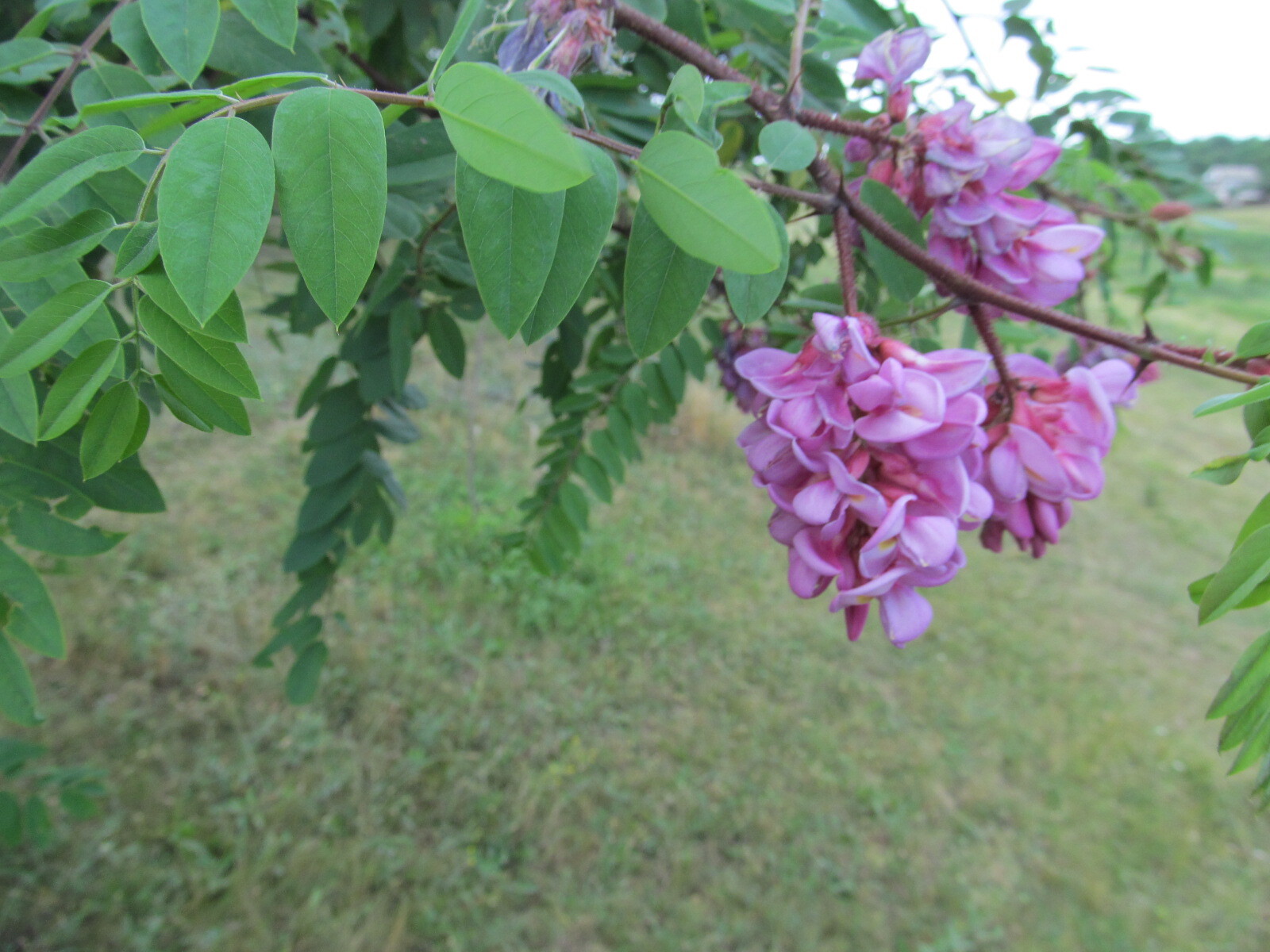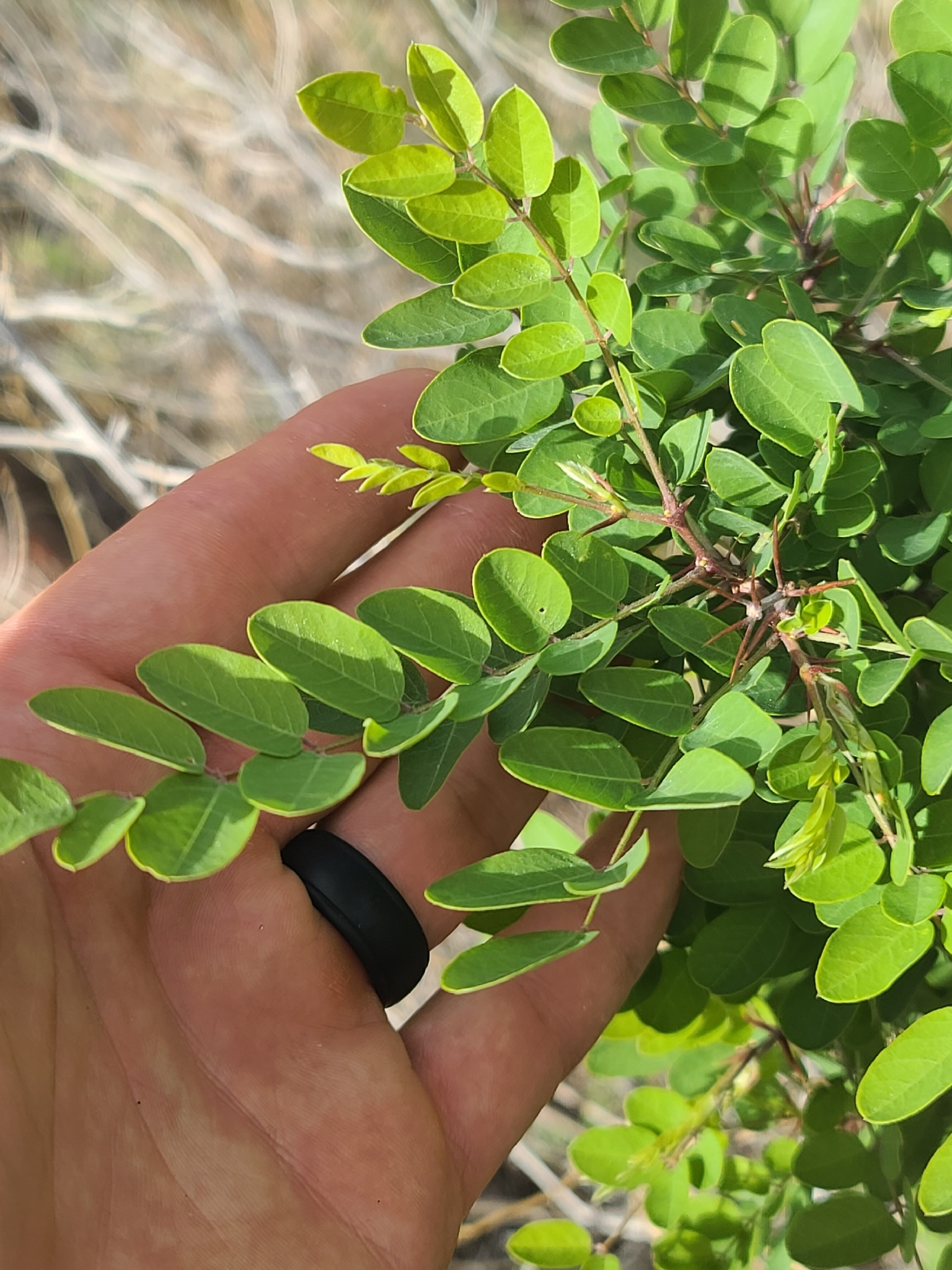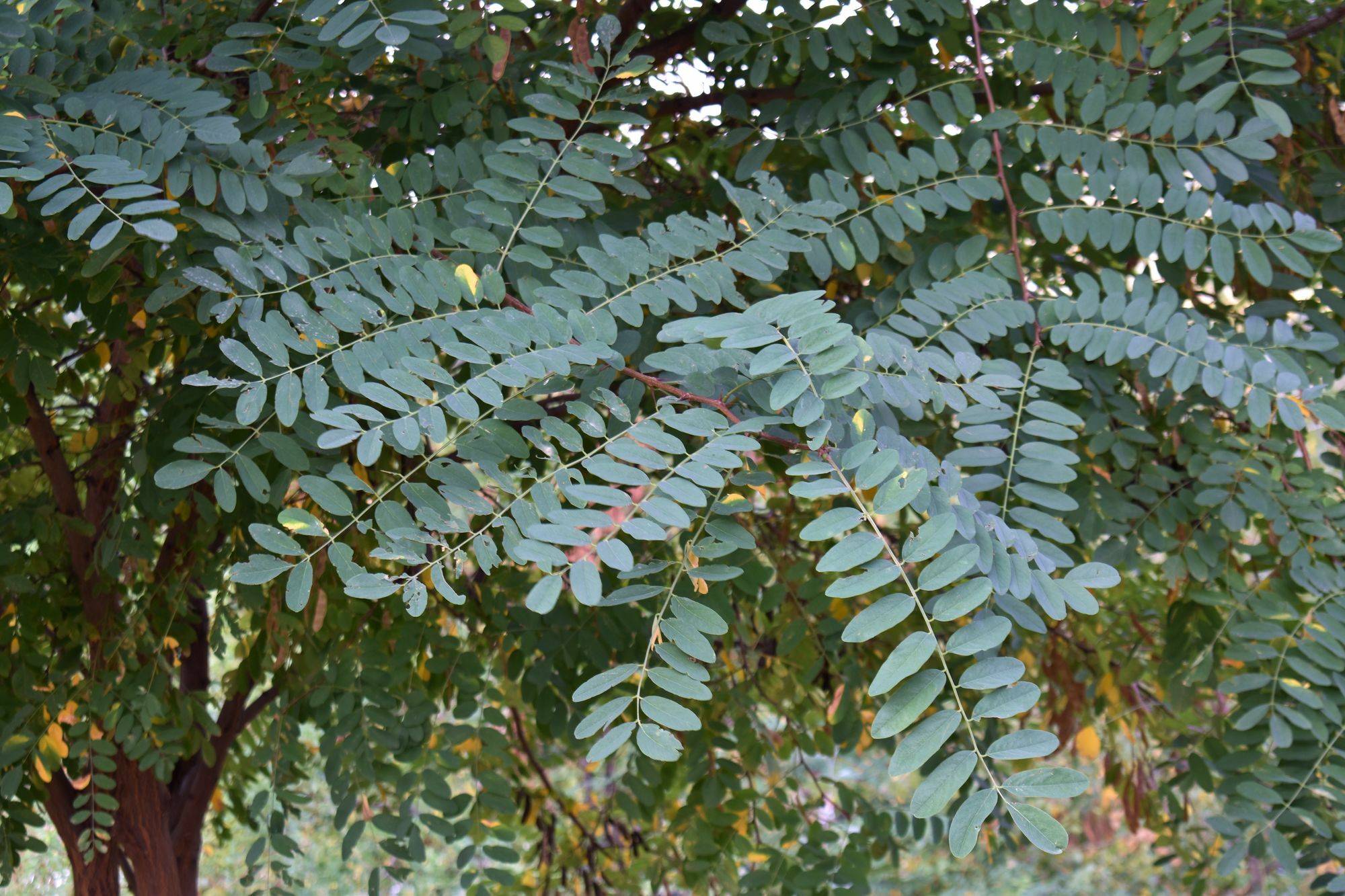
Bristly Locust (Robinia hispida)

Bristly Locust (Robinia hispida) is a deciduous shrub with attractive pink flowers and bristly seed pods. It grows rapidly, reaching up to 3 meters in height.

Above information is sourced from Wikipedia

Sunlight

Full Sun to Partial Shade

Watering

Moderate

Soil

Well-drained soil. Tolerates a range of soil types, including sandy and clay soils, but prefers loamy conditions.

Temperature

Adaptable

Habitat

Outdoor

Fertilizer

Light

Care Requirements

Light

Full Sun to Partial Shade

Prefers at least 6 hours of direct sunlight.

Water

Moderate

Allow soil to dry slightly between waterings.

Soil

Well-drained soil. Tolerates a range of soil types, including sandy and clay soils, but prefers loamy conditions.

Temperature

Adaptable

Thrives in moderate temperatures, tolerates some frost.

Habitat

Outdoor

Fertilizer

Light

Fertilize in early spring with a balanced slow-release formula.

Plant Overview

Plant Type

Shrub

Plant Category

Flowering, Ornamental

Plant Place Type

Ground, Garden, Pot

Plant Environment

Outdoor

Lifespan

Perennials

Plant Height

1.5-3 m

Spread

1.5-3 m

Growth Rate

Fast

Dormancy

Deciduous

Leaf Color

Green

Leaf Type

Compound, Pinnate

Flower Size

2-3 cm

Image Gallery

Synonyms
Pseudo-acacia hispida (L.) Moench
Robinia albicans Ashe
Robinia boyntonii Ashe
Robinia complexa K.Koch
Robinia elliottii (Chapm.) Ashe
Robinia fertilis Ashe
Robinia glabrescens Hoffmanns.
Robinia hirsuta Lindem.
Robinia kelseyi Cowell ex Hutch.
Robinia leucantha Rehder
Robinia michauxii Sarg.
Robinia montana W.Bartram ex Pursh
Robinia nana Elliott
Robinia pallida Ashe
Robinia pauciflora Ashe
Robinia pedunculata Ashe
Robinia speciosa Ashe
Robinia unakae Ashe
Taxonomy
  • kingdomPlantae
  • divisionTracheophyta
  • classMagnoliopsida
  • orderFabales
  • familyFabaceae
  • genusRobinia
  • speciesRobinia hispida
Toxicity

Toxic for humans

No

Rating: 0/5

Toxic for pets

No

Rating: 0/5

Edible

No

The plant is generally considered non-toxic to pets and humans. However, it is always best to prevent ingestion of any plant material.

Additional Care Tips

FAQs