Skip to plant details

Rough CinquefoilPotentilla norvegica

Also known as Norwegian Cinquefoil · Ternate-Leaf Cinquefoil · Ternate-Leaved Cinquefoil

  • Type: Herb
  • Sunlight: Full Sun to Partial Shade
  • Water: Moderate
  • Temperature: Hardy

Rough cinquefoil (Potentilla norvegica) is an annual to perennial herb with yellow flowers, often found in disturbed soils and fields. It is not typically cultivated.

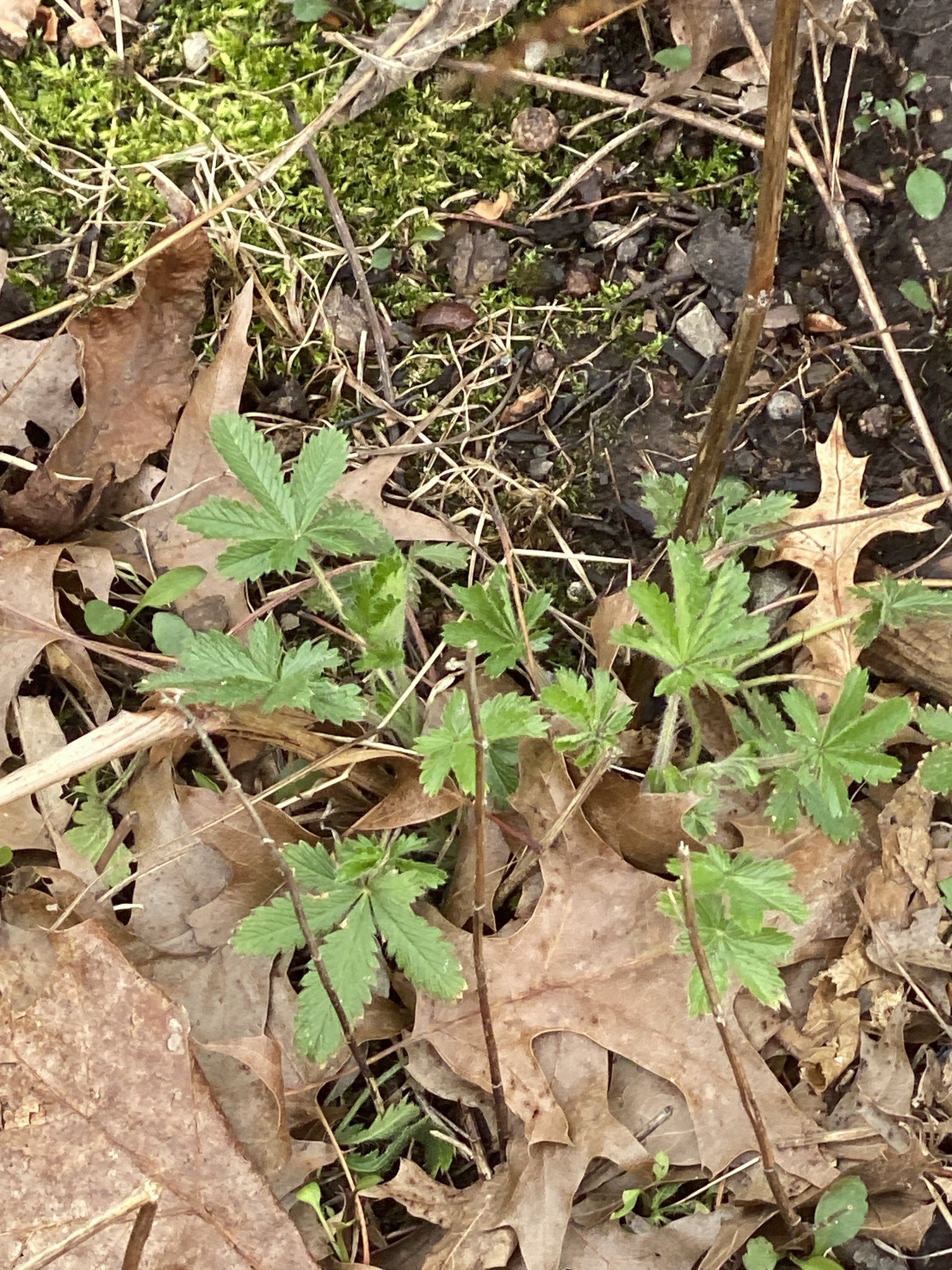
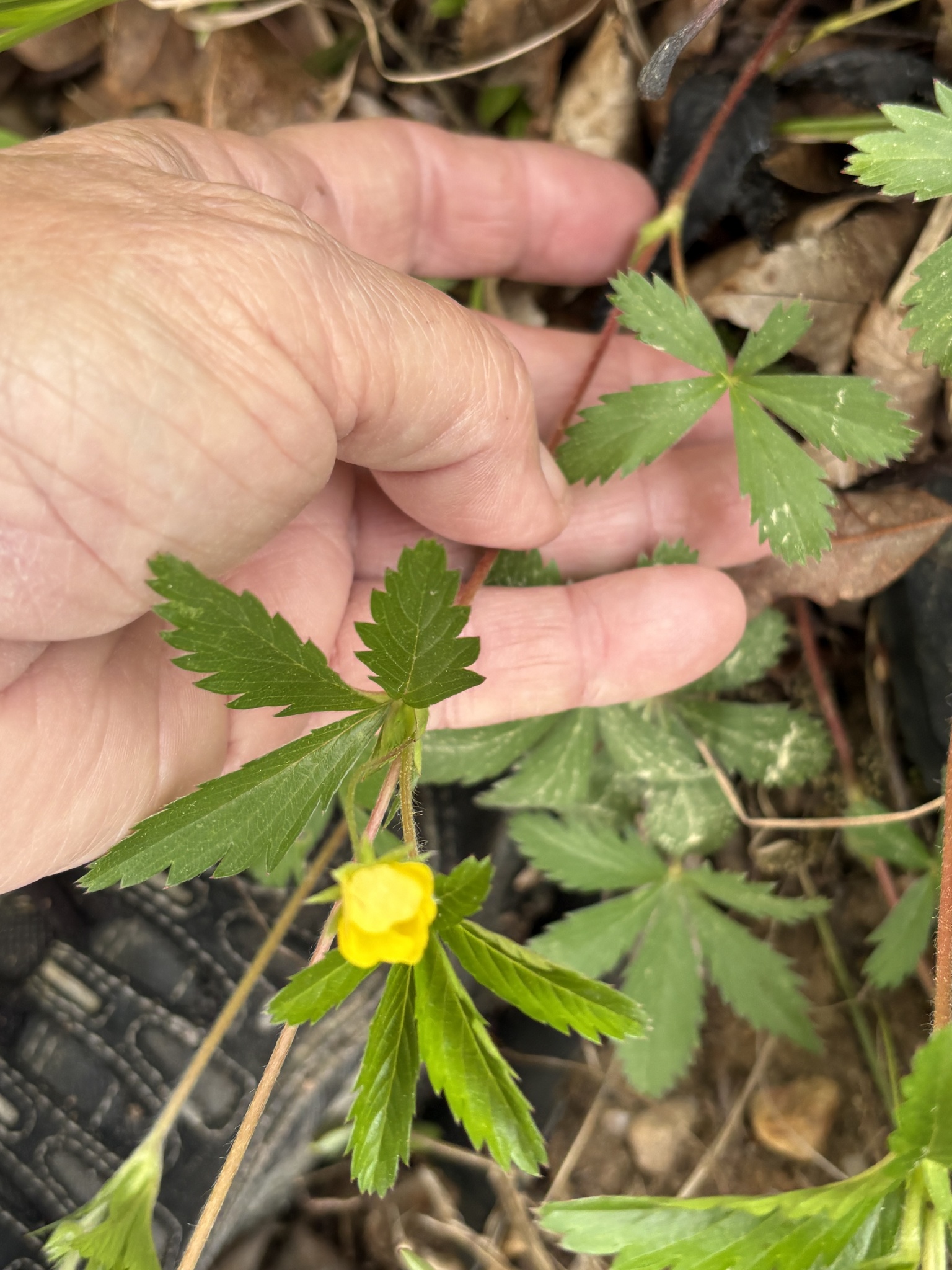
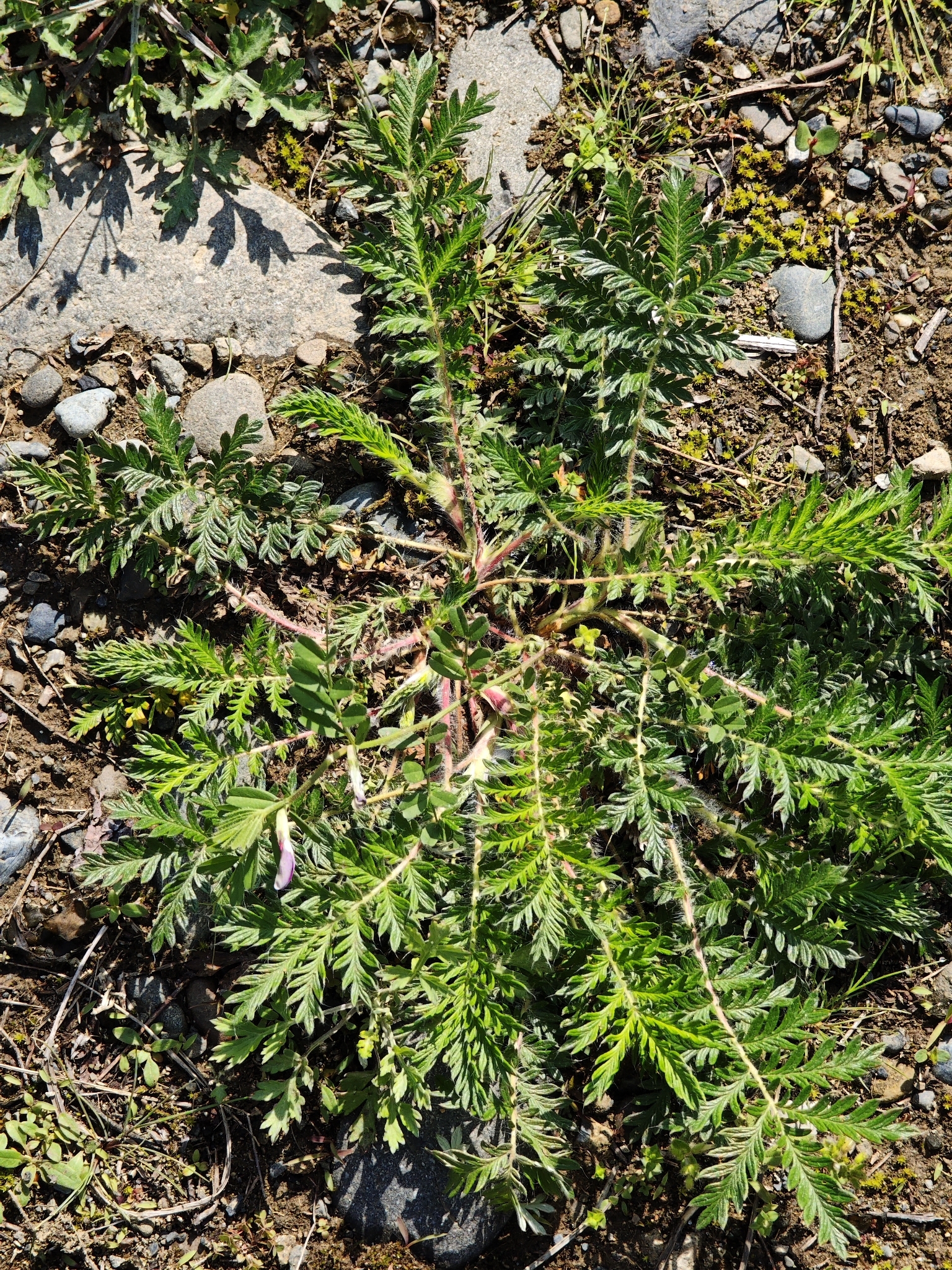
Potentilla norvegica, commonly known as rough cinquefoil, is a herbaceous perennial plant belonging to the Rosaceae family. This species is recognized for its widespread distribution and its role in various ecosystems. While not typically cultivated for ornamental purposes, its presence in natural landscapes is noteworthy. Physically, rough cinquefoil exhibits an erect to spreading growth habit, typically reaching heights of 20 to 60 centimeters, though occasionally taller. The stems are generally hairy, contributing to its "rough" common name. Its leaves are compound, pinnately divided into three to seven leaflets, which are oblong to ovate in shape with serrated margins. The upper surface of the leaflets is usually smooth, while the lower surface is often covered in soft hairs. The flowers are a prominent feature, typically borne in loose clusters. They possess five bright yellow petals, each about 1 to 2 centimeters in length, and numerous stamens. The calyx, which subtends the petals, is hairy and often has small, pointed bracteoles. Following flowering, the plant produces small, dry fruits called achenes, which are clustered together. The native range of Potentilla norvegica is extensive, encompassing much of the Northern Hemisphere, including North America, Europe, and Asia. It thrives in a variety of habitats, often found in disturbed areas, open fields, pastures, roadsides, and along the edges of woodlands. It prefers well-drained soils and can tolerate a range of soil types, from sandy to loamy. While it can grow in full sun to partial shade, it generally performs best in sunny locations. Cultivation is not common, as its primary significance lies in its natural occurrence rather than horticultural value. Ecologically, rough cinquefoil serves as a food source for some insects and herbivores. Its flowers can attract pollinators, contributing to local biodiversity. Historically, some species within the Potentilla genus have been noted for medicinal uses, though specific, well-documented applications for Potentilla norvegica are not widely established in scientific literature. Its ability to colonize disturbed sites suggests a degree of resilience and adaptability to human-altered landscapes. An interesting characteristic of rough cinquefoil is its variability in appearance, with different populations sometimes exhibiting slight differences in leaf morphology and hairiness, reflecting adaptation to local environmental conditions. The plant's robust nature and ability to reproduce effectively contribute to its successful establishment across diverse geographical regions.

Photograph © Michael John Oldham · CC-BY-NC

Rough Cinquefoil Care Summary

At-a-glance light, water, soil, and growing conditions from plant data

Light

Full Sun to Partial Shade

75% intensity

Prefers full sun but tolerates partial shade, especially in hotter climates.

Watering

Moderate

50% intensity

Keep soil consistently moist, but not waterlogged. Reduce watering in winter.

Soil

Loam, Sand, Clay

50% intensity

Temperature

Hardy

25% intensity

Tolerates a wide range of temperatures, including cold winters. Protect from extreme heat.

Fertilizing

Low

25% intensity

Generally does not require frequent fertilization. Light feeding in spring if needed.

Rough Cinquefoil Toxicity

Safety information from plant toxicity data

Toxicity details for Rough Cinquefoil
AttributeValue
Toxic for humansNo

0/5 intensity

Toxic for petsNo

0/5 intensity

EdibleNo

Generally considered non-toxic to humans and pets.

Rough Cinquefoil Quick Facts

Key traits and growing stats from plant data

Plant Type
Herb
Plant Place Type
Garden
Lifespan
Annual
Plant Height
0.2-0.6 m
Spread
0.2-0.6 m
Growth Rate
Moderate
Dormancy
None
Leaf Color
Green
Leaf Type
Compound
Flower Size
1-2 cm
Optimal Sunlight Lux
60000
Weed Status
Yes

Care guide for Rough Cinquefoil

Watering, pruning, propagation, and repotting details from plant data

Water

Water consistently, especially during dry spells, to maintain moist soil. Avoid waterlogging, as this can lead to root rot.

Reduce watering in cooler months, allowing the soil to dry out slightly between waterings for this hardy plant.

Pruning

Pruning is typically minimal. Remove any dead, damaged, or crossing stems in late winter or early spring to maintain plant health and shape.

Deadheading spent flowers can encourage further blooming and prevent unwanted seeding.

Propagation

Propagate Potentilla norvegica by seeds sown in autumn or early spring, or by softwood cuttings taken in late spring or early summer. Division of established clumps in early spring is also an effective method.

Repotting

Repotting is rarely necessary for Potentilla norvegica, as it is a relatively low-maintenance perennial. If plants become overcrowded or seem to be outgrowing their container, repot in early spring into a slightly larger pot with fresh, well-draining soil.

Identify plants like this with ePlant

Snap a photo to get care tips and match similar species on the go.

Try for Free

Flowering & Fruiting Cycles

Monthly activity intensity for bloom and fruit across both hemispheres.

Northern hemisphere

Flowering & fruiting calendar

Peak bloom · JulPeak fruit · Aug
FloweringFruiting
02468JanFebMarAprMayJunJulAugSepOctNovDecActivity intensityMonths87
Southern hemisphere

Flowering & fruiting calendar

Peak bloom · JunPeak fruit · Jul
FloweringFruiting
02468JanFebMarAprMayJunJulAugSepOctNovDecActivity intensityMonths87

Rough Cinquefoil Names & Synonyms

Common names and botanical synonyms

Common Names

  • Norwegian Cinquefoil
  • Rough Cinquefoil
  • Ternate-Leaf Cinquefoil
  • Ternate-Leaved Cinquefoil

Synonyms

  • Fragaria monspeliensis (L.) Crantz
  • Fragaria norvegica (L.) Crantz
  • Pentaphyllum norvegicum (L.) Gaertn.
  • Potentilla diffusa Willd.
  • Potentilla flexuosa Raf.
  • Potentilla fragariifolia Hoppe ex Lehm.
  • Potentilla geminiflora Schrank
  • Potentilla grossa Douglas ex Hook.
  • Potentilla gusuleacii Hormuz.
  • Potentilla hirsuta Michx.
  • Potentilla labradorica Lehm.
  • Potentilla monspeliensis L.
  • Potentilla ruthenica Willd.
  • Tridophyllum monspeliense (L.) Greene
  • Tridophyllum norvegicum (L.) Greene

Rough Cinquefoil Taxonomy

Botanical classification

Taxonomic classification of Rough Cinquefoil
RankName
kingdomPlantae
divisionTracheophyta
classMagnoliopsida
orderRosales
familyRosaceae
genusPotentilla
speciesPotentilla norvegica

Rough Cinquefoil FAQs

Answers based on plant encyclopedia data
What is the typical growth habit of Potentilla norvegica?

Potentilla norvegica is an annual to perennial herb that typically grows in a low, spreading, or erect habit, reaching heights of up to 0.5 meters.

What are the flower characteristics of rough cinquefoil?

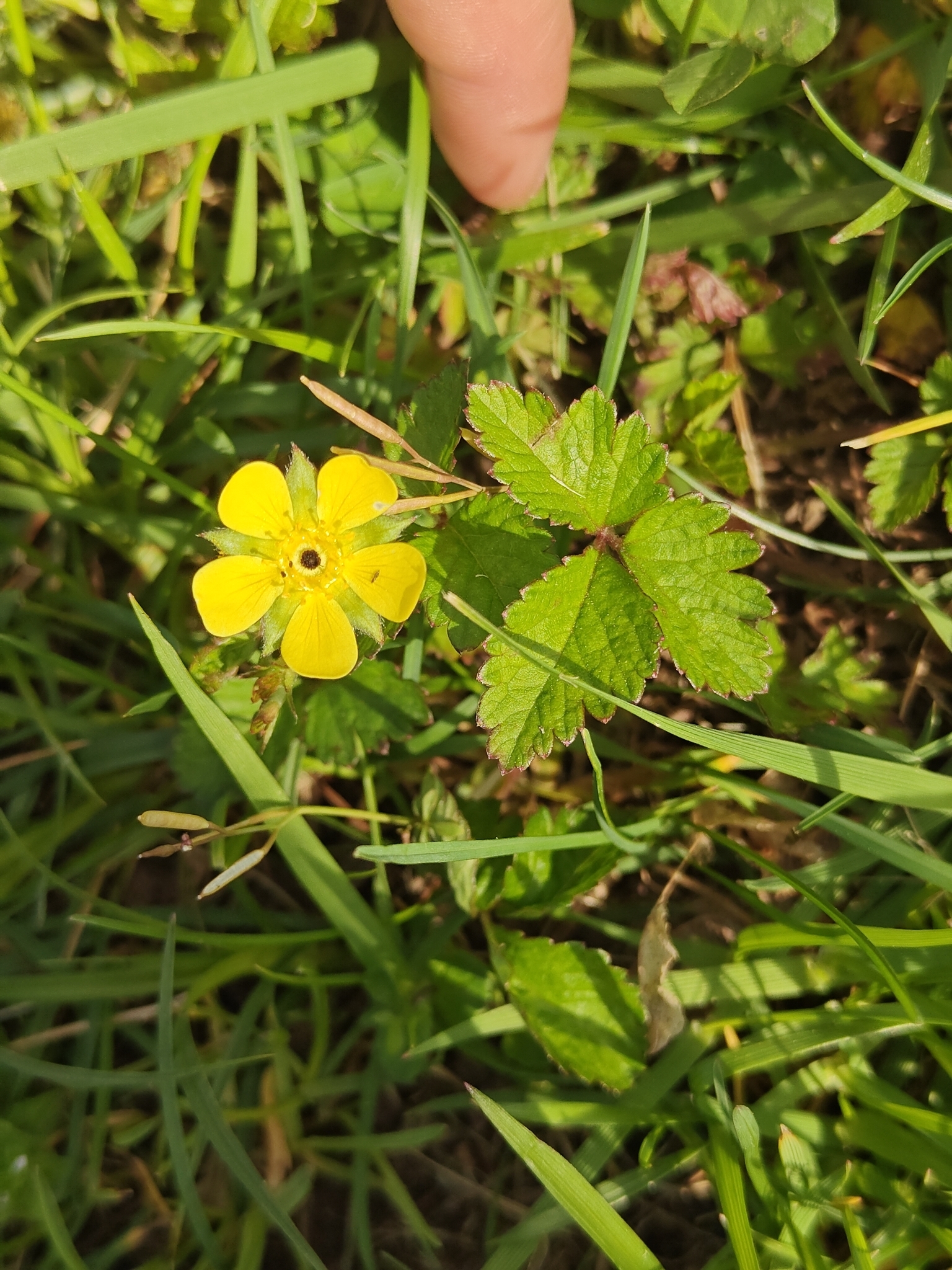
Rough cinquefoil produces small, yellow flowers with five petals. These flowers typically bloom from late spring through summer.

What kind of soil does Potentilla norvegica prefer?

Potentilla norvegica is adaptable to a wide range of soil types but often thrives in disturbed soils, such as fields, roadsides, and waste areas.

Is rough cinquefoil considered a garden plant?

No, Potentilla norvegica is not commonly cultivated as a garden ornamental. It is generally considered a weed in many areas.

What is the native range of Potentilla norvegica?

Potentilla norvegica has a wide native distribution, occurring across much of North America, Europe, and Asia.