Skip to plant details

Runner BeanPhaseolus coccineus

Also known as Behlawi · Butter Bean · Cub

  • Category: Vegetable
  • Type: Vine
  • Sunlight: Full sun
  • Water: Regular watering needed
  • Temperature: Warm temperatures
  • Habitat: Outdoor

Runner bean (Phaseolus coccineus) is a vigorous climbing legume grown for its edible pods and attractive red flowers. It is a nutritious and productive garden plant.

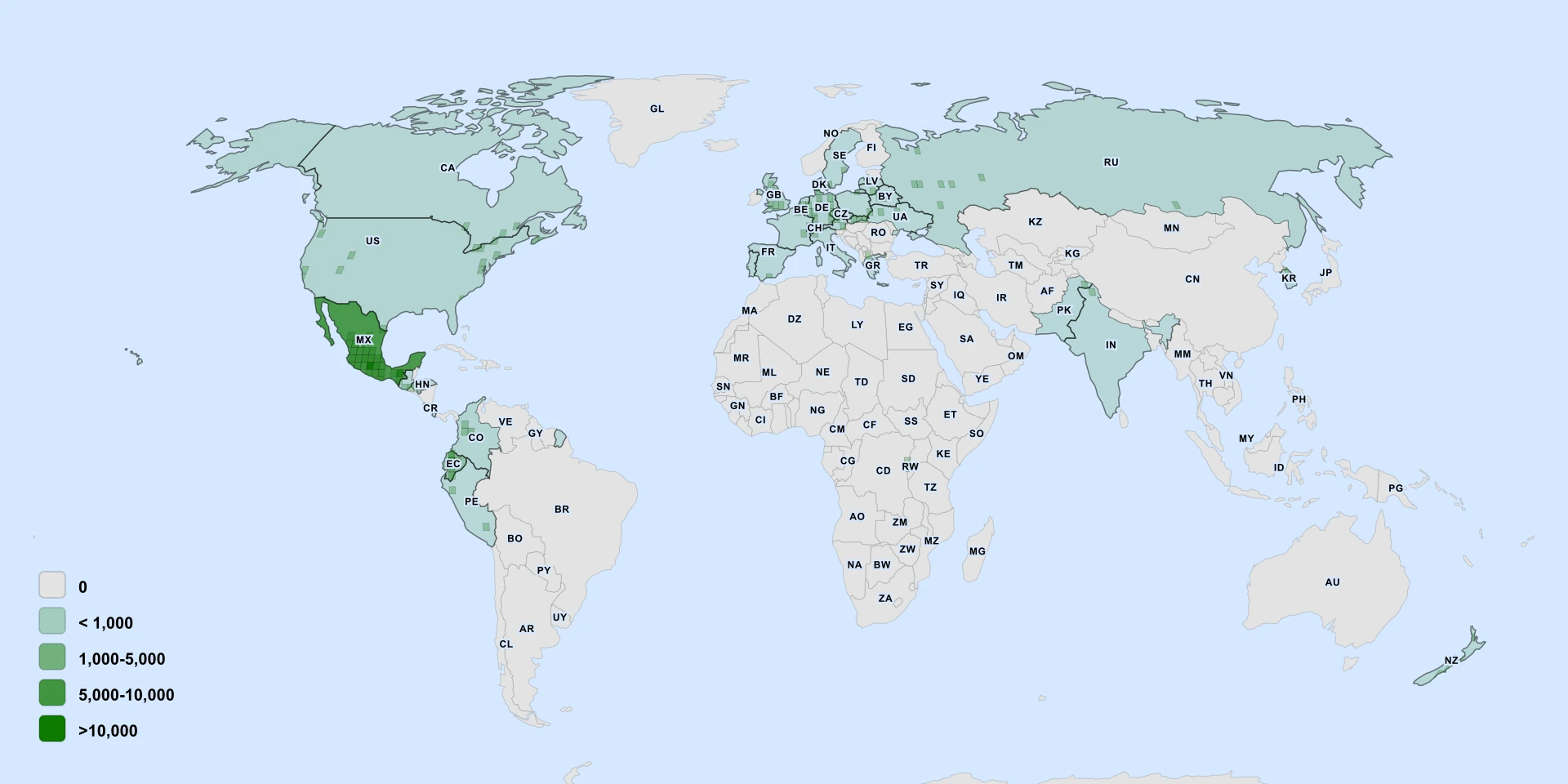
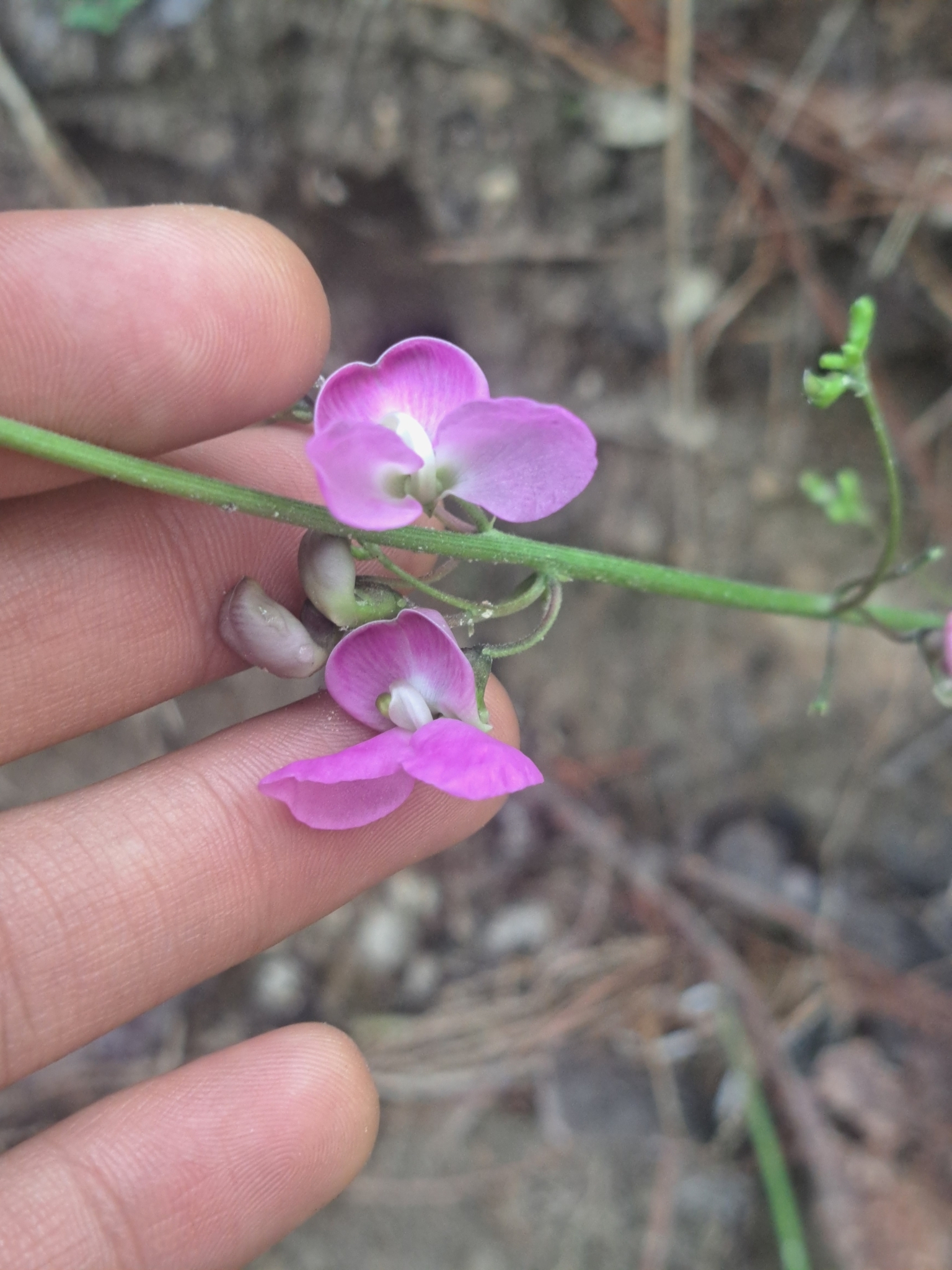
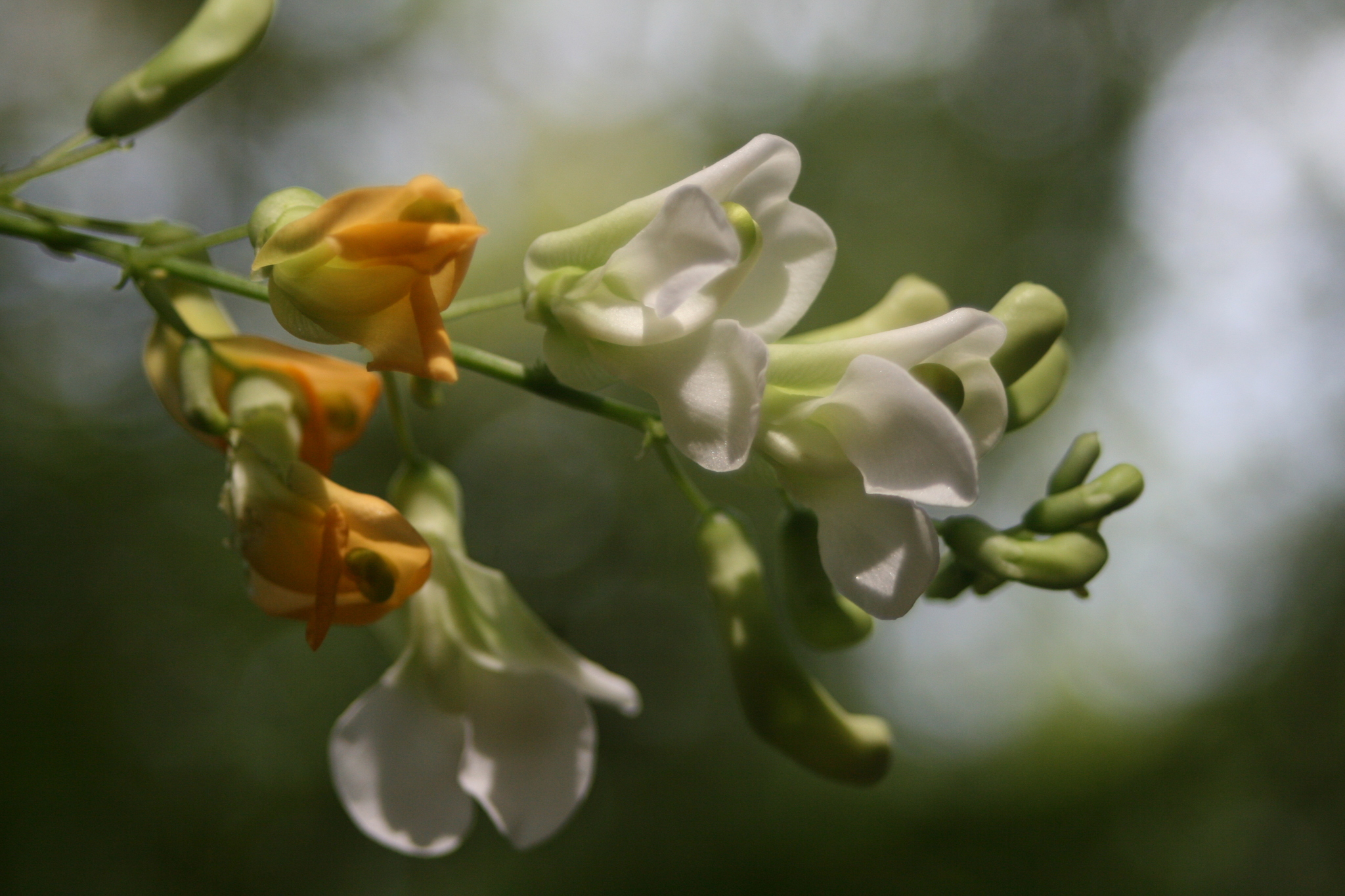
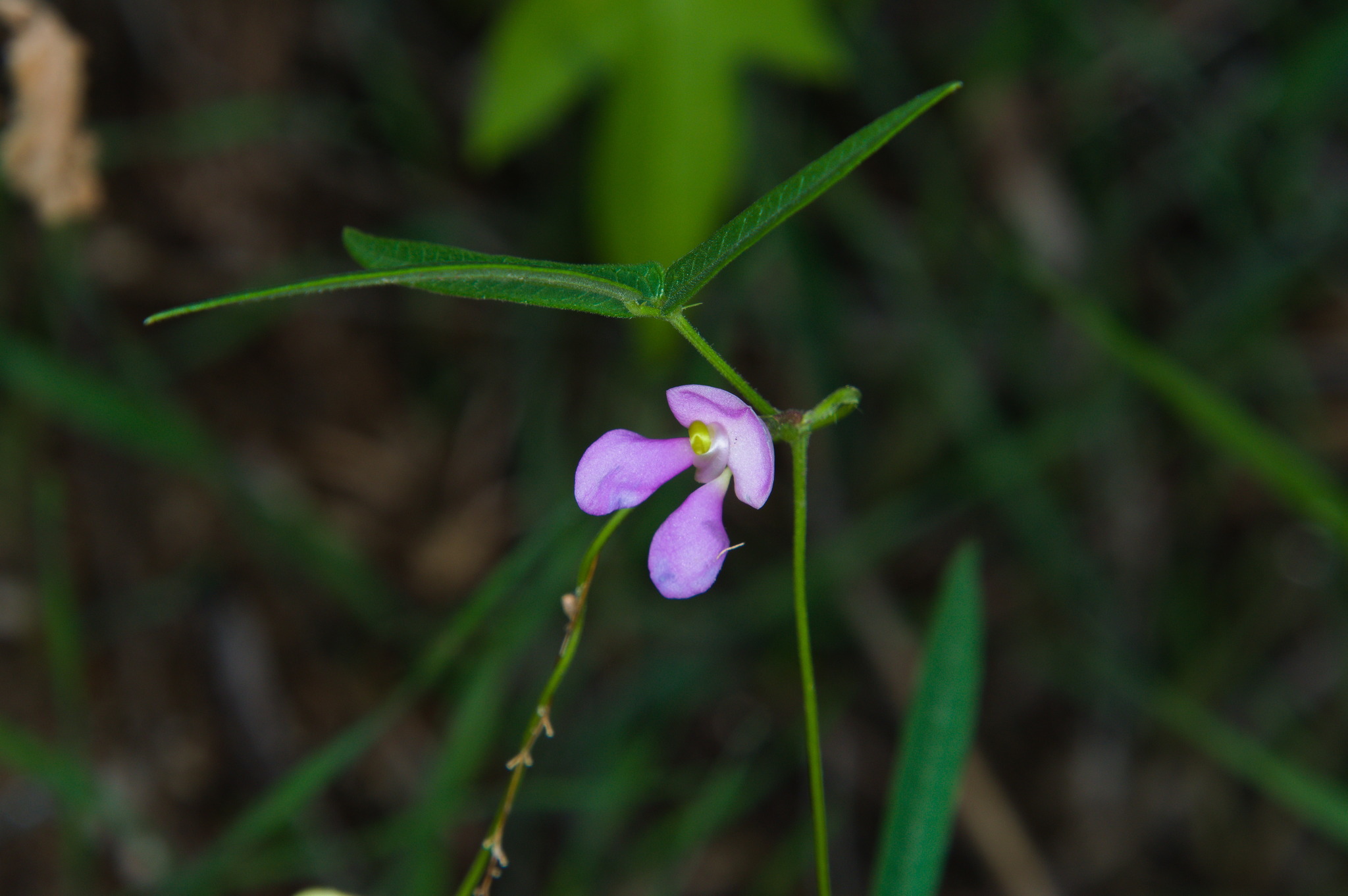
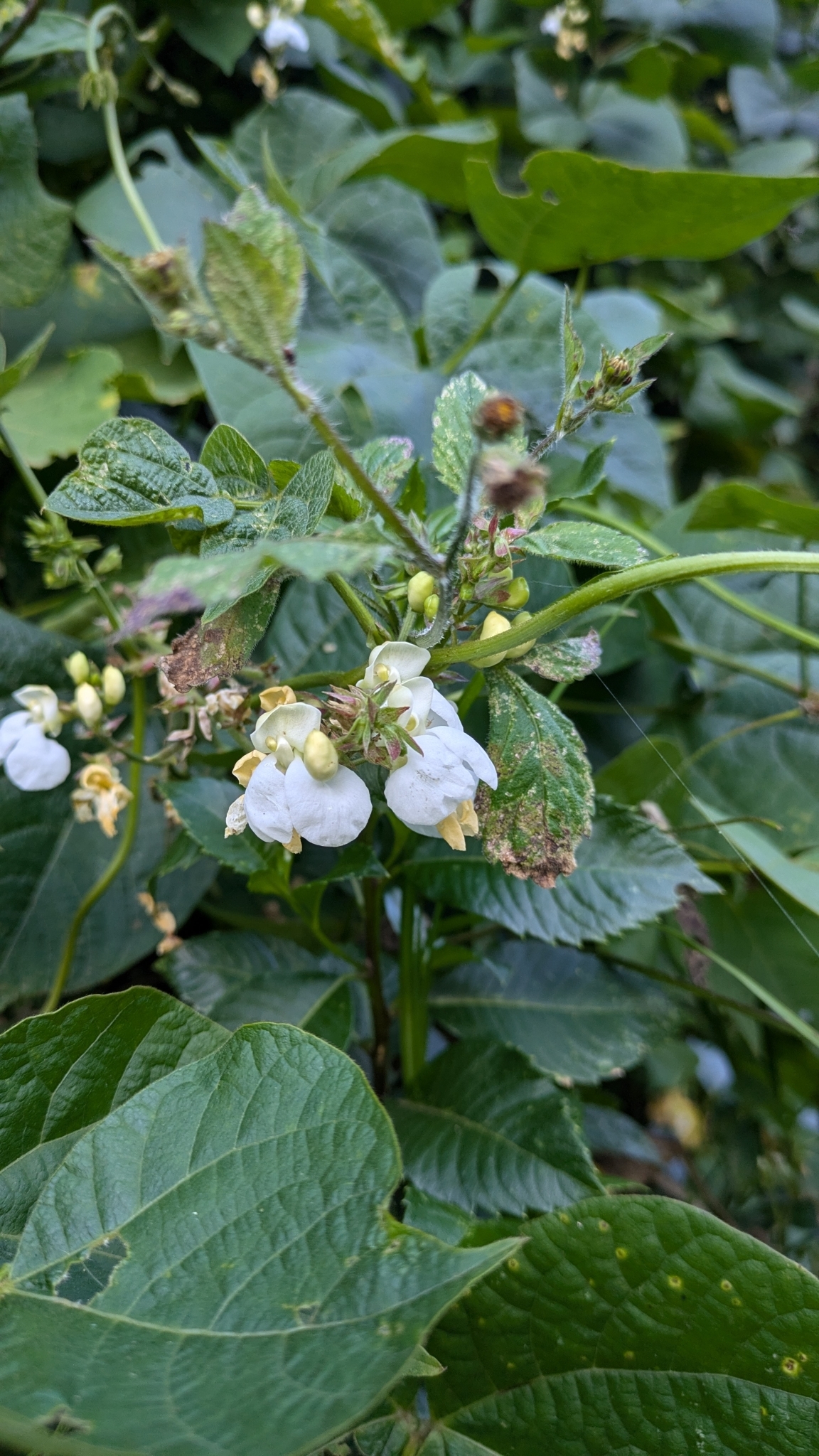
Phaseolus coccineus, commonly known as the runner bean, is a vigorous climbing legume native to the mountainous regions of Mexico and Central America. It is a significant crop in its native range and widely cultivated globally for its edible pods and seeds. This species is distinguished by its twining stems that can reach lengths of up to 3 meters (10 feet) or more, making it an excellent choice for vertical gardening. The plant produces trifoliate leaves, with each leaflet being ovate to triangular in shape, typically measuring 6-15 cm long and 5-12 cm wide, with a slightly hairy texture on the underside. The flowers of Phaseolus coccineus are a striking feature, typically bright red or scarlet, though cultivars exist with pink, white, or bicolor blooms. These pea-like flowers are borne in dense racemes, often appearing in late spring or early summer. Following successful pollination, the plant develops pods that are fleshy and can be quite large, often 10-30 cm long and 1-2 cm wide. The pods are typically green, though some varieties may have purple or speckled coloration. Inside the pods are seeds that vary greatly in size, shape, and color depending on the cultivar, ranging from small and black to large and mottled with red, white, or brown patterns. The seeds are a primary source of food, and their distinctive markings have led to the common name "scarlet runner bean." Runner beans are adapted to cooler climates than many other common beans. They thrive in full sun and prefer well-drained, fertile soil. While they are annuals in most temperate regions, they can perennialize in frost-free climates. Their native habitat includes montane forests and scrublands, where they often grow as herbaceous perennials climbing over other vegetation. In cultivation, they require support structures such as trellises, fences, or poles to facilitate their climbing habit. Regular watering is essential, especially during flowering and pod development. Beyond their culinary uses, runner beans have ecological significance as a food source for wildlife and contribute to soil fertility through nitrogen fixation. Ornamentally, their vibrant flowers and vigorous growth make them an attractive addition to gardens. Agriculturally, they are valued for both their fresh pods, which are eaten as a vegetable, and their mature seeds, which are dried and used as a pulse. The seeds are a good source of protein, fiber, and various micronutrients. An interesting characteristic of Phaseolus coccineus is its ability to tolerate cooler temperatures better than many other Phaseolus species, allowing for cultivation in regions where other beans might struggle. The plant's robust growth and prolific flowering make it a popular choice for both food production and landscape enhancement.

Photograph © elimaya · CC-BY-NC

Runner Bean Care Summary

At-a-glance light, water, soil, and growing conditions from plant data

Light

Full sun

100% intensity

Requires at least 6-8 hours of direct sunlight per day for optimal growth and flowering.

Watering

Regular watering needed

75% intensity

Keep soil consistently moist, especially during dry spells and when flowering. Water at the base.

Soil

Well-drained

50% intensity

Temperature

Warm temperatures

75% intensity

Thrives in temperatures between 18-25°C. Protect from frost.

Habitat

Outdoor

50% intensity

Fertilizer

Moderate feeding

50% intensity

Feed with a balanced fertilizer every few weeks, especially during peak production.

Runner Bean Toxicity

Safety information from plant toxicity data

Toxicity details for Runner Bean
AttributeValue
Toxic for humansNo

0/5 intensity

Toxic for petsNo

0/5 intensity

EdibleYes

None

Runner Bean Quick Facts

Key traits and growing stats from plant data

Plant Type
Vine
Plant Category
Vegetable
Plant Place Type
Garden, Pot
Plant Environment
Outdoor
Lifespan
Annual
Plant Height
200-600 cm
Spread
30-60 cm
Growth Rate
Fast
Dormancy
None
Leaf Color
Green
Leaf Type
Compound
Flower Size
3-5 cm
Optimal Sunlight Lux
100000

Care guide for Runner Bean

Watering, pruning, propagation, and repotting details from plant data

Water

Runner beans require consistent moisture, especially during flowering and fruiting. Water deeply at the base of the plant, avoiding wetting the foliage to prevent fungal diseases.

Aim to keep the soil evenly moist but not waterlogged. Reduce watering slightly once the main harvest period has passed.

Pruning

Pinch out the growing tips of runner beans when they reach the top of their support to encourage bushier growth and more flowers. Remove any yellowing or diseased leaves promptly.

Prune away any straggly or unproductive stems to maintain plant health and improve air circulation.

Propagation

Runner beans are best propagated by sowing seeds directly into the ground after the last frost, typically from April to June. Alternatively, start seeds indoors in pots about 2-3 weeks before the last expected frost.

Ensure seeds are sown at the correct depth and kept moist.

Repotting

Runner beans are typically grown as annuals and are not repotted. If starting seeds indoors, they can be transplanted into larger pots if they become root-bound before outdoor planting, but this is generally unnecessary if direct sowing or transplanting promptly after germination.

Identify plants like this with ePlant

Snap a photo to get care tips and match similar species on the go.

Try for Free

Flowering & Fruiting Cycles

Monthly activity intensity for bloom and fruit across both hemispheres.

Northern hemisphere

Flowering & fruiting calendar

Peak bloom · JulPeak fruit · Aug
FloweringFruiting
02468JanFebMarAprMayJunJulAugSepOctNovDecActivity intensityMonths87
Southern hemisphere

Flowering & fruiting calendar

Peak bloom · MarPeak fruit · Apr
FloweringFruiting
02468JanFebMarAprMayJunJulAugSepOctNovDecActivity intensityMonths76

Runner Bean Names & Synonyms

Common names and botanical synonyms

Common Names

  • Behlawi
  • Butter Bean
  • Cub
  • Dutch Case-Knife Bean
  • Haricot Á Fleurs Rouges
  • Haricot D'espagne
  • Multiflora Bean
  • Perennial Bean
  • Runner Bean
  • Runner Beans
  • Runner-Bean
  • Scarlet Bean
  • Scarlet Runner
  • Scarlet Runner Bean
  • Scarlet-Runner-Bean

Synonyms

  • Lipusa formosa (Kunth) Alef.
  • Phaseolus bicolor Vell.
  • Phaseolus formosus Kunth
  • Phaseolus griseus Piper
  • Phaseolus leiosepalus Piper
  • Phaseolus obvallatus Schltdl.
  • Phaseolus prorifirus M.E.Jones
  • Phaseolus striatus Brandegee
  • Phaseolus strigillosus Piper
  • Phaseolus superbus A.DC.
  • Phaseolus sylvestris Kunth

Runner Bean Taxonomy

Botanical classification

Taxonomic classification of Runner Bean
RankName
kingdomPlantae
divisionTracheophyta
classMagnoliopsida
orderFabales
familyFabaceae
genusPhaseolus
speciesPhaseolus coccineus

Runner Bean FAQs

Answers based on plant encyclopedia data

What are the ideal growing conditions for runner beans?

Runner beans thrive in full sun, well-drained soil, and require support for their climbing habit. They prefer fertile soil enriched with compost.

How tall do runner bean plants grow?

Runner bean plants are vigorous climbers and can reach heights of 2 to 4 meters, sometimes even more, depending on the variety and support available.

When should I sow runner bean seeds?

Sow runner bean seeds directly outdoors after the last frost, typically from April to June, once the soil has warmed sufficiently.

How often should I water runner beans?

Water runner beans regularly, especially during dry spells and when the plants are flowering and setting pods. Consistent moisture is crucial.

Can runner beans be grown in pots?

Yes, runner beans can be grown in large pots or containers. Ensure the container is deep enough to accommodate the root system and provide a sturdy support structure.