Water
Maintain consistently moist soil, allowing the top inch to dry out between waterings. Avoid waterlogged conditions, which can lead to root rot.
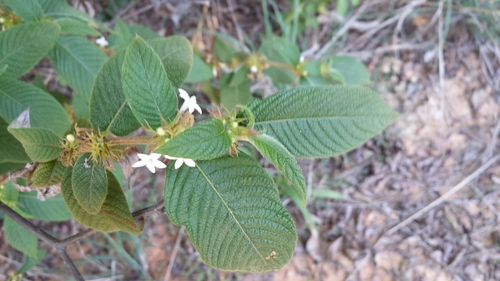
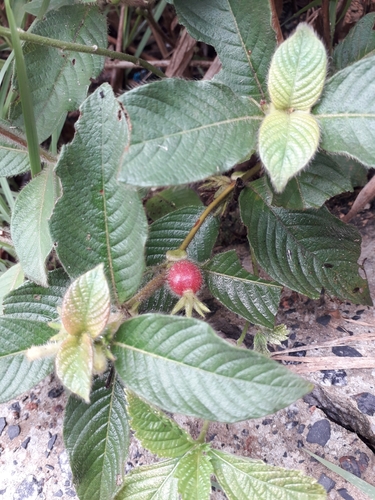
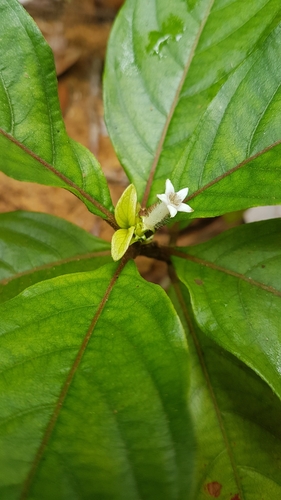
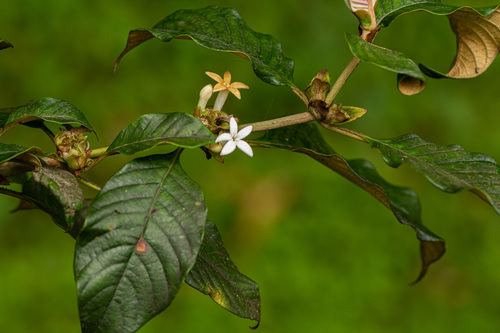
Sabicea trigemina is a climbing shrub native to tropical America, featuring trifoliate leaves and small, white flowers.
At-a-glance light, water, soil, and growing conditions from plant data
Bright, indirect light is ideal.
80% intensity
Avoid direct, harsh sunlight.
Keep soil consistently moist but not waterlogged.
70% intensity
Water more frequently during active growth.
Well-draining, fertile potting mix, rich in organic matter.
50% intensity
Thrives in average room temperatures.
50% intensity
Avoid cold drafts and temperatures below 10°C.
Outdoor, Greenhouse, Indoor
50% intensity
Feed regularly during the growing season.
50% intensity
Use a balanced liquid fertilizer every 2-4 weeks.
Key traits and growing stats from plant data
Watering, pruning, propagation, and repotting details from plant data
Maintain consistently moist soil, allowing the top inch to dry out between waterings. Avoid waterlogged conditions, which can lead to root rot.
Prune to maintain shape and size, and to encourage bushier growth. Remove dead or overgrown branches. Can be pruned back hard to rejuvenate.
Easily propagated from stem cuttings taken in spring or summer. Root cuttings in moist potting mix or water. Can also be grown from seed.
Repot every 1-2 years in spring when the plant becomes root-bound. Use a pot one size larger with fresh, well-draining potting mix.
Identify plants like this with ePlant AI
Snap a photo to get care tips and match similar species on the go.
Monthly activity intensity for bloom and fruit across both hemispheres.
Flowering & fruiting calendar
Flowering & fruiting calendar
Photos of Sabicea Trigemina (Sabicea trigemina)
Where Sabicea Trigemina (Sabicea trigemina) is found

Density
Tap map to explore
Common names and botanical synonyms
Botanical classification
| Rank | Name |
|---|---|
| Family | Rubiaceae |
| Genus | Sabicea |
| Species | Sabicea trigemina |
Similar in genus Sabicea
Answers based on plant encyclopedia data