Water
Water deeply but infrequently, allowing the soil to dry out completely between waterings. Once established, San Bruno Mountain manzanita is highly drought-tolerant.
Overwatering is the most common cause of plant decline, leading to root rot.
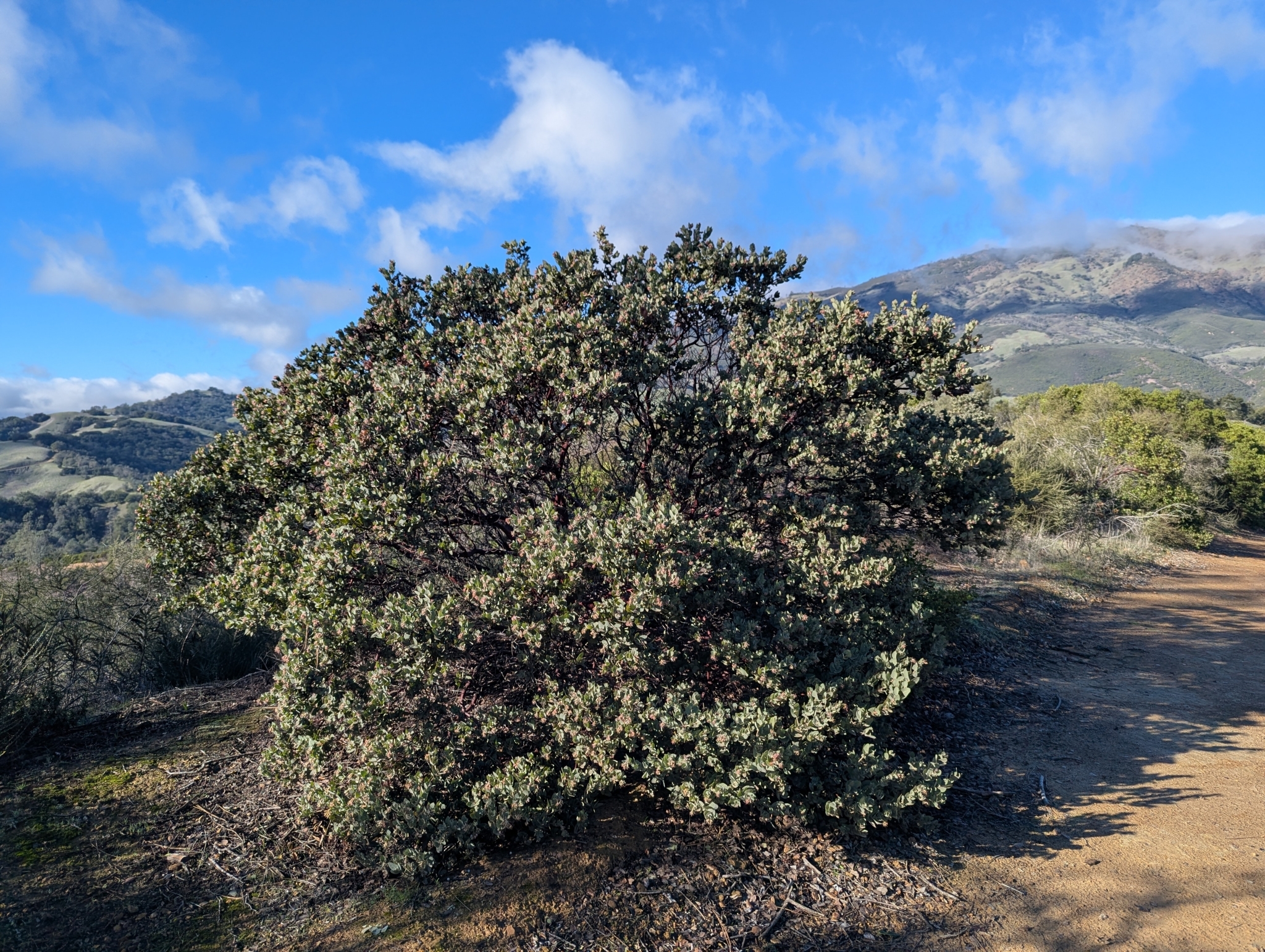
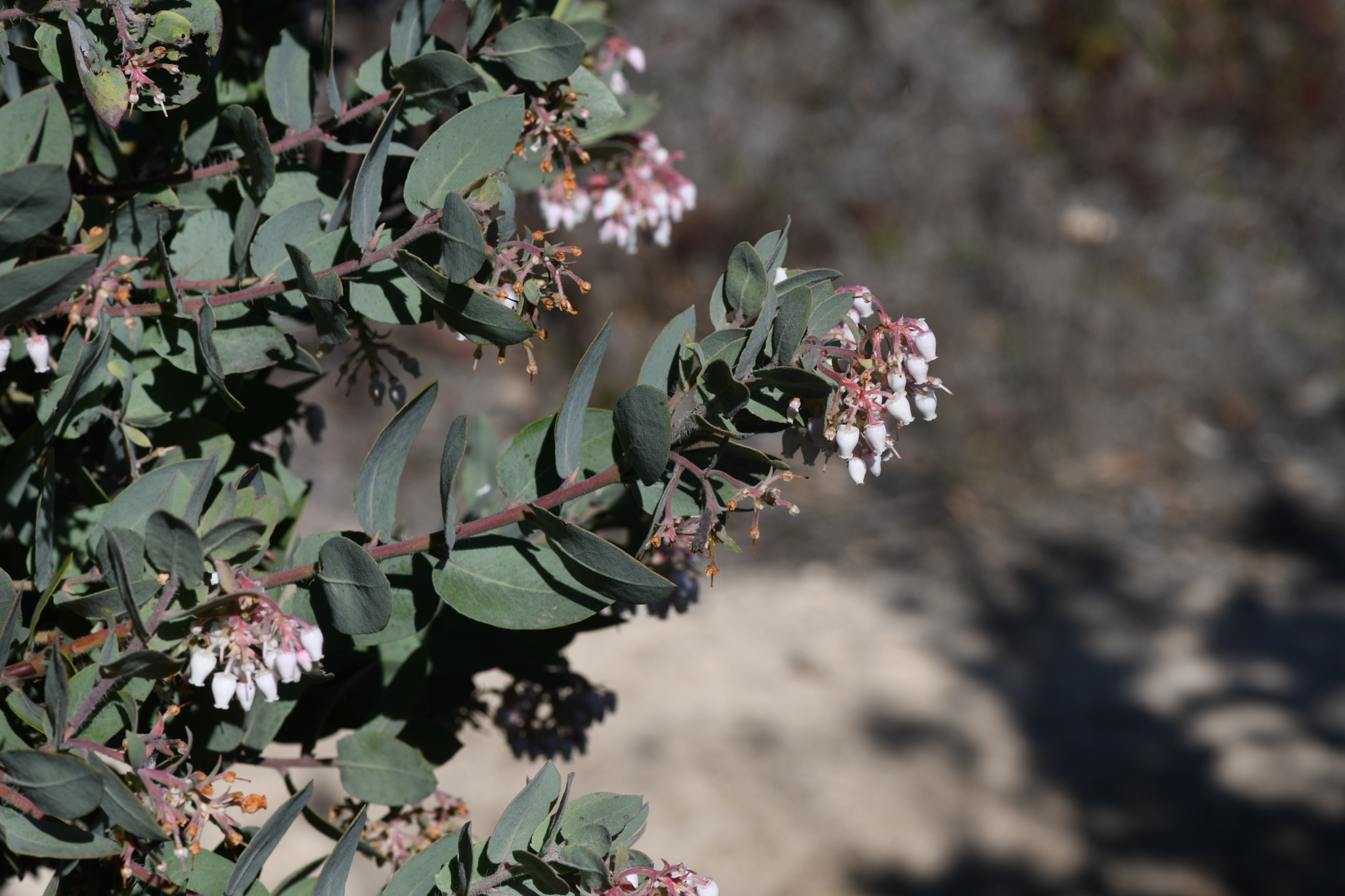
San Bruno Mountain manzanita (Arctostaphylos imbricata) is a rare evergreen shrub endemic to San Bruno Mountain, California, known for its attractive red bark and delicat
At-a-glance light, water, soil, and growing conditions from plant data
Full Sun to Partial Shade
75% intensity
Prefers at least 6 hours of direct sunlight daily for best flowering and growth.
Drought Tolerant
25% intensity
Allow soil to dry out completely between waterings. Avoid overwatering.
Well-drained
50% intensity
Adaptable
50% intensity
Tolerates a range of temperatures but prefers mild to warm conditions. Protect from extreme frost.
Low Feed
10% intensity
Rarely needs feeding. If growth is poor, use a very dilute, slow-release low-nitrogen fertilizer in spring.
Safety information from plant toxicity data
| Attribute | Value |
|---|---|
| Toxic for humans | No 0/5 intensity |
| Toxic for pets | No 0/5 intensity |
None
Key traits and growing stats from plant data
Watering, pruning, propagation, and repotting details from plant data
Water deeply but infrequently, allowing the soil to dry out completely between waterings. Once established, San Bruno Mountain manzanita is highly drought-tolerant.
Overwatering is the most common cause of plant decline, leading to root rot.
Prune sparingly to maintain shape or remove dead, damaged, or crossing branches. The best time for pruning is after flowering.
Avoid heavy pruning, as this species can be sensitive to excessive cutting back into old wood.
Propagation is typically done through cuttings taken in late summer or early fall. Use a rooting hormone and provide bottom heat.
Seed propagation is also possible but requires scarification and stratification due to dormancy.
Repotting is rarely needed for mature Arctostaphylos imbricata as they prefer to be root-bound. If repotting is necessary for young plants, do so in spring and handle the root ball with extreme care to avoid disturbance.
Identify plants like this with ePlant AI
Snap a photo to get care tips and match similar species on the go.
Monthly activity intensity for bloom and fruit across both hemispheres.
Flowering & fruiting calendar
Flowering & fruiting calendar
Photos of San Bruno Mountain Manzanita (Arctostaphylos imbricata)
Where San Bruno Mountain Manzanita (Arctostaphylos imbricata) is found
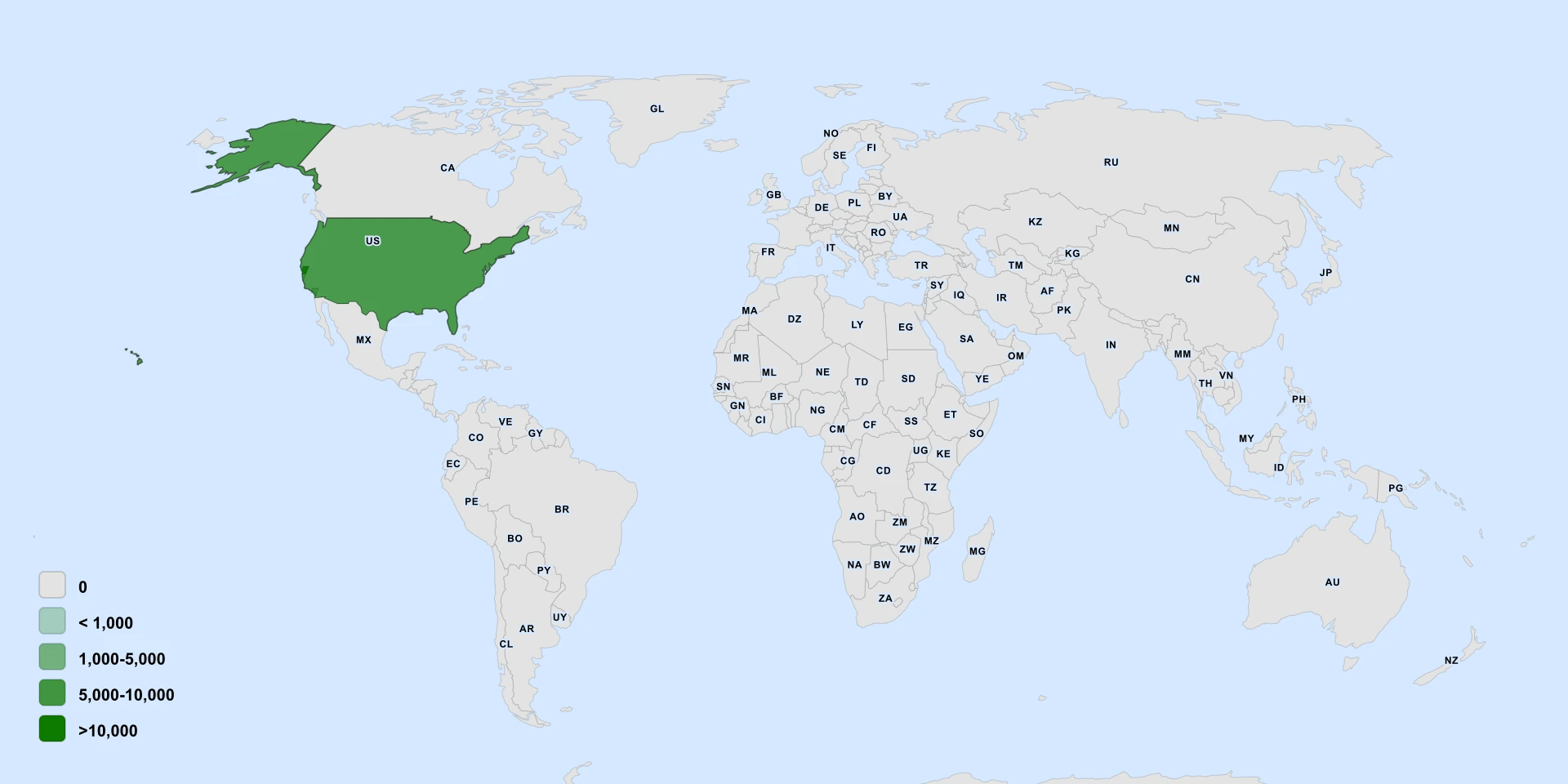
Density
Tap map to explore
Common names and botanical synonyms
Botanical classification
| Rank | Name |
|---|---|
| Kingdom | Plantae |
| Division | Tracheophyta |
| Class | Magnoliopsida |
| Order | Ericales |
| Family | Ericaceae |
| Genus | Arctostaphylos |
| Species | Arctostaphylos imbricata |
Similar in genus Arctostaphylos
Answers based on plant encyclopedia data