Water
Water sparingly, allowing the soil to dry out between waterings. Overwatering can lead to root rot, especially in cooler months.
Ensure good drainage to prevent waterlogged conditions, as this plant prefers drier environments once established.
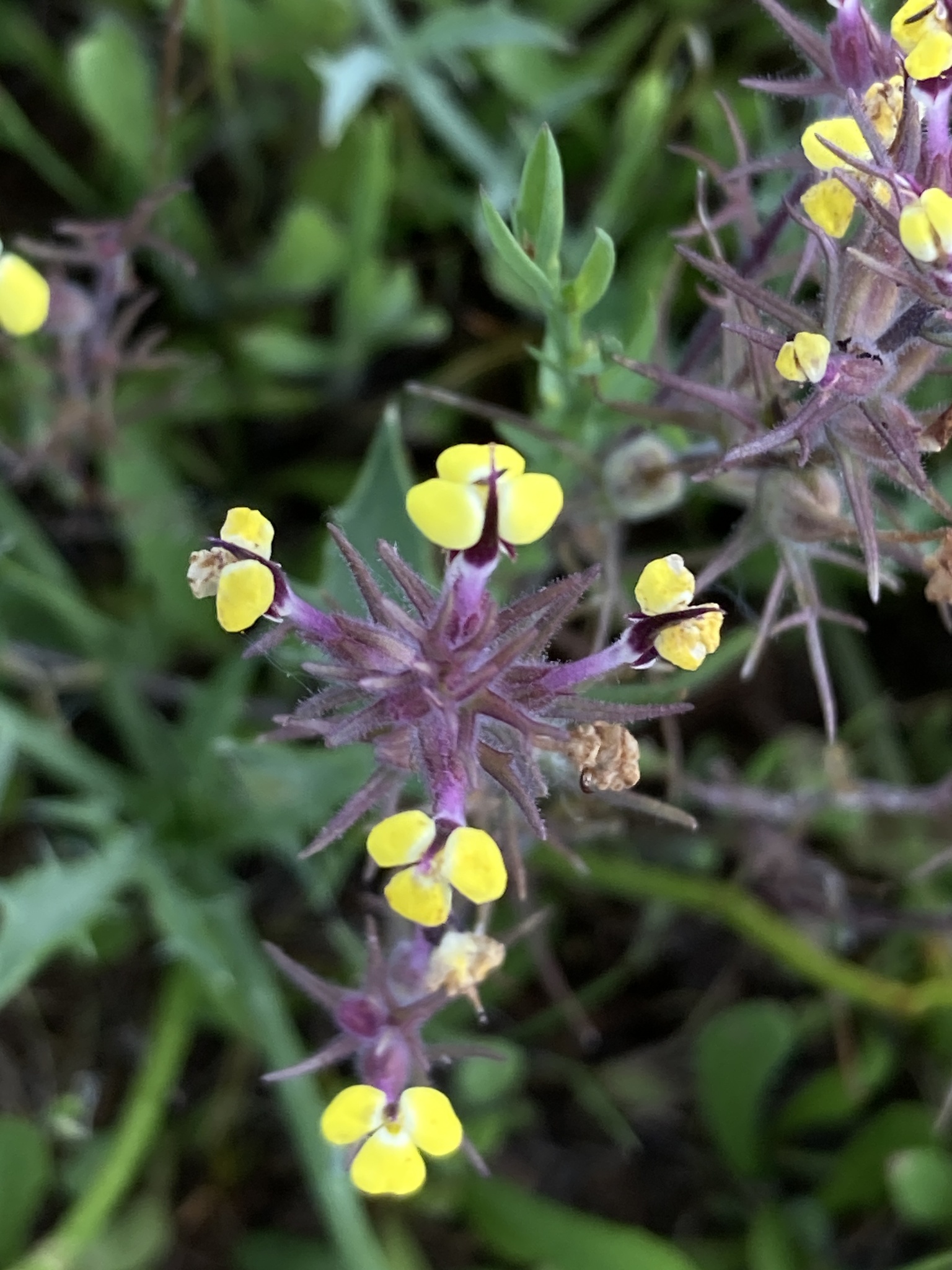
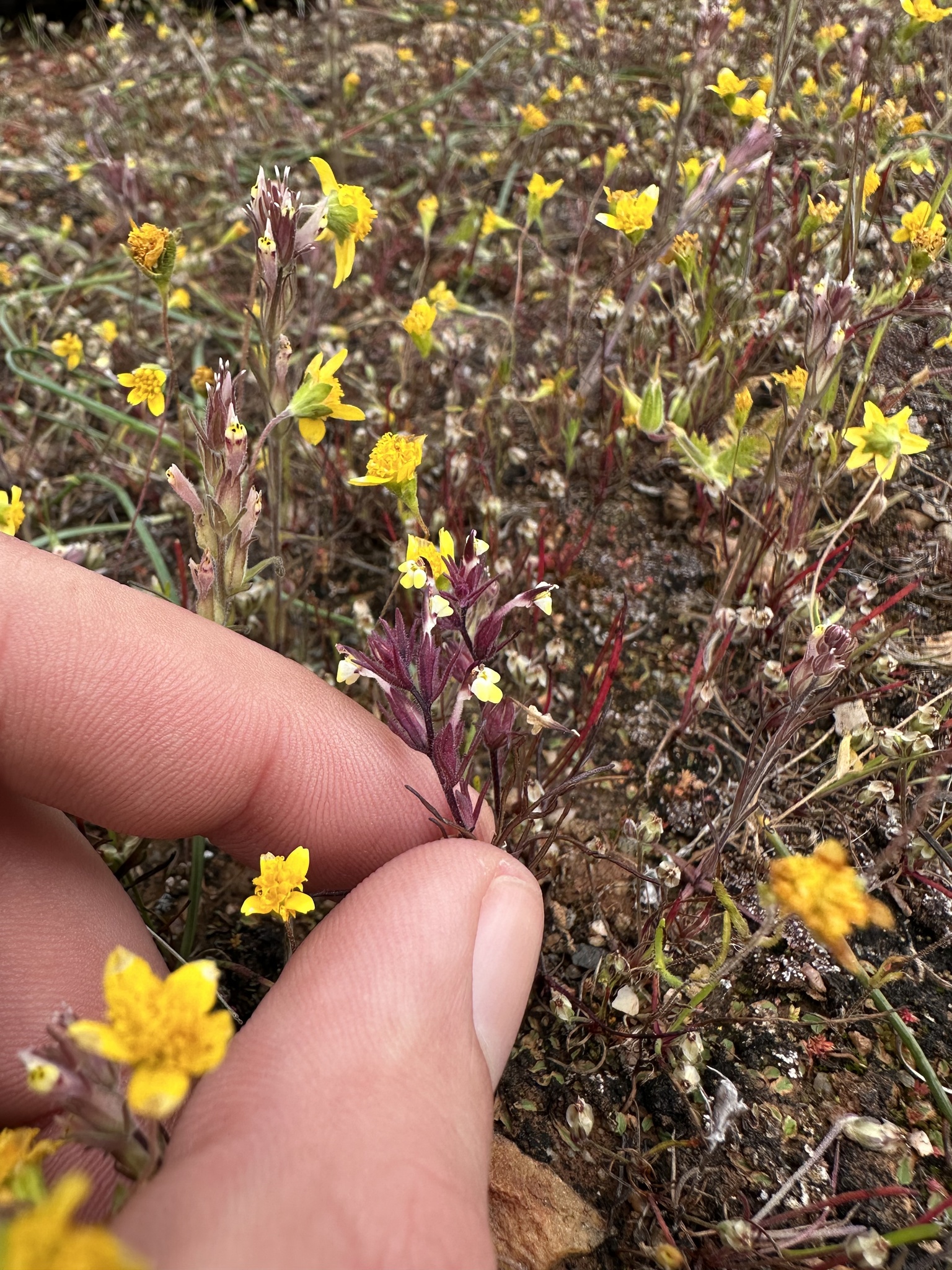
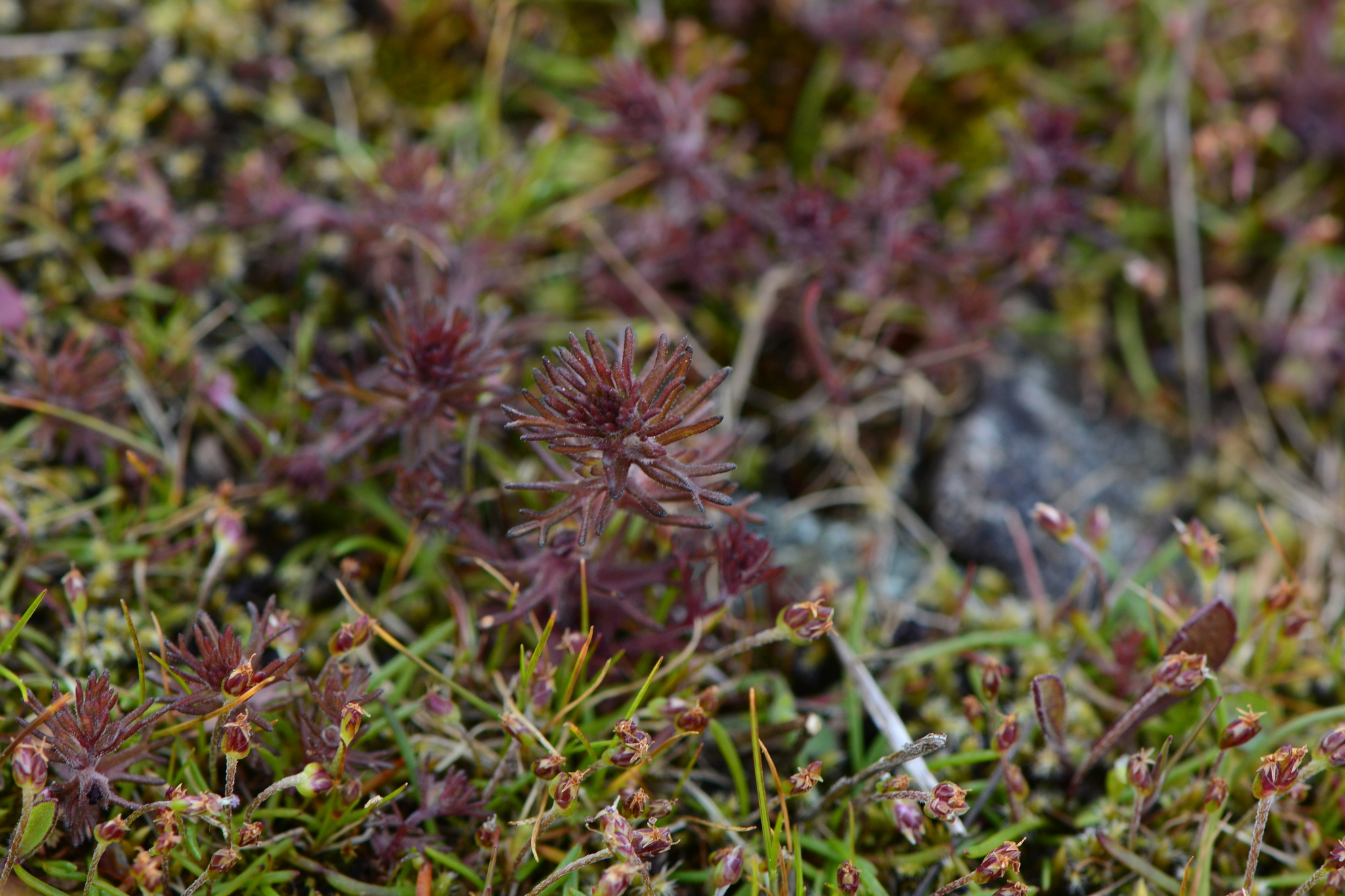
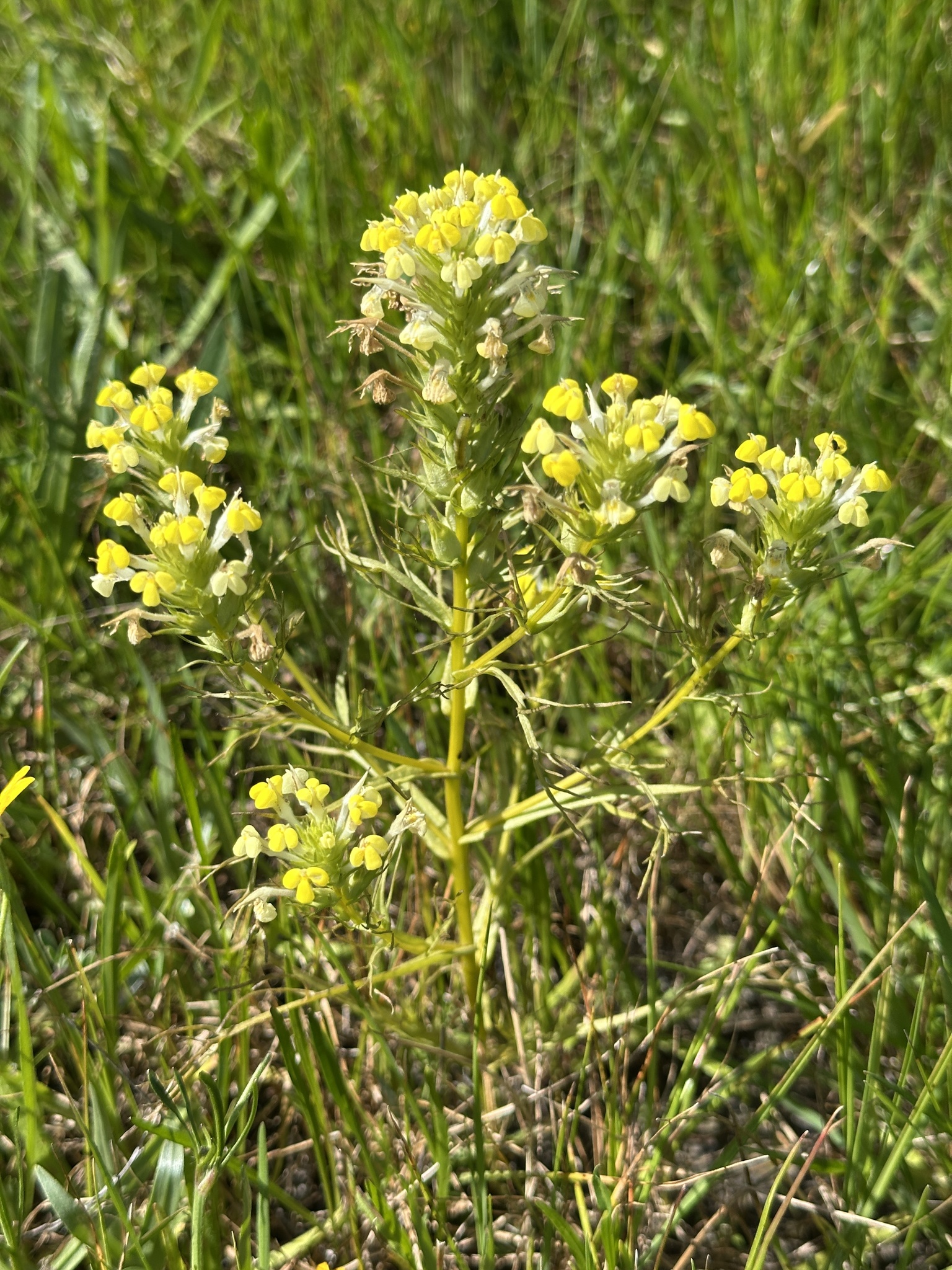
San Francisco owl's-clover (Triphysaria floribunda) is a small, showy annual native to coastal California, often found in grasslands and open woodlands.
At-a-glance light, water, soil, and growing conditions from plant data
Full Sun
100% intensity
Prefers at least 6 hours of direct sunlight per day for optimal growth and flowering.
Low
25% intensity
Allow soil to dry out between waterings. Prefers well-drained conditions.
Sandy, Loam, Clay
50% intensity
Moderate
50% intensity
Prefers mild to warm temperatures. Protect from hard frosts. Adaptable to coastal climates.
Very Low
10% intensity
Requires minimal feeding. A light feed in spring is generally enough.
Safety information from plant toxicity data
| Attribute | Value |
|---|---|
| Toxic for humans | No 0/5 intensity |
| Toxic for pets | No 0/5 intensity |
| Edible | No |
Key traits and growing stats from plant data
Watering, pruning, propagation, and repotting details from plant data
Water sparingly, allowing the soil to dry out between waterings. Overwatering can lead to root rot, especially in cooler months.
Ensure good drainage to prevent waterlogged conditions, as this plant prefers drier environments once established.
Pruning is typically minimal for San Francisco owl's-clover. Remove any dead or spent flower stalks after blooming to maintain a tidy appearance.
Pinching back young plants can encourage bushier growth, but this is not usually necessary.
Propagation is primarily done through seeds. Sow seeds in autumn or early spring in well-draining soil. Germination can be erratic and may benefit from a period of cold stratification.
Division of established clumps is rarely successful.
Repotting is not a common practice for Triphysaria floribunda as it is often grown as an annual or short-lived perennial. If it becomes overcrowded in a pot, consider dividing it in early spring, although this can be challenging due to its root structure.
Identify plants like this with ePlant AI
Snap a photo to get care tips and match similar species on the go.
Monthly activity intensity for bloom and fruit across both hemispheres.
Flowering & fruiting calendar
Flowering & fruiting calendar
Photos of San Francisco Owl's-Clover (Triphysaria floribunda)
Where San Francisco Owl's-Clover (Triphysaria floribunda) is found

Density
Tap map to explore
Common names and botanical synonyms
Botanical classification
| Rank | Name |
|---|---|
| Kingdom | Plantae |
| Division | Tracheophyta |
| Class | Magnoliopsida |
| Order | Lamiales |
| Family | Orobanchaceae |
| Genus | Triphysaria |
| Species | Triphysaria floribunda |
Similar in genus Triphysaria
Answers based on plant encyclopedia data