Water
Santa Barbara Sedge prefers consistently moist soil. Water regularly, especially during dry periods, ensuring the soil does not completely dry out. Reduce watering in cooler months.
Aim for damp, not waterlogged, conditions for optimal growth.
Also known as White-Root Sedge
Santa Barbara Sedge (Carex barbarae) is a graceful native grass-like plant for moist areas, erosion control, and naturalistic landscapes.
At-a-glance light, water, soil, and growing conditions from plant data
Full Sun to Partial Shade
75% intensity
Thrives in at least 6 hours of direct sunlight daily, but tolerates some shade.
Consistent Moisture
75% intensity
Prefers moist soil; avoid complete drying out.
Well-drained
50% intensity
Moderate
50% intensity
Prefers temperatures between 15-25°C; tolerates a range but avoid extreme fluctuations.
Low
25% intensity
Minimal fertilization required; use a balanced slow-release in spring if desired.
Safety information from plant toxicity data
| Attribute | Value |
|---|---|
| Toxic for humans | No 0/5 intensity |
| Toxic for pets | No 0/5 intensity |
Non-toxic
Key traits and growing stats from plant data
Watering, pruning, propagation, and repotting details from plant data
Santa Barbara Sedge prefers consistently moist soil. Water regularly, especially during dry periods, ensuring the soil does not completely dry out. Reduce watering in cooler months.
Aim for damp, not waterlogged, conditions for optimal growth.
Prune Santa Barbara Sedge in late winter or early spring before new growth emerges. Remove any dead, damaged, or discolored foliage.
Cut back the entire plant by about one-third to one-half to encourage dense, fresh growth. Clean tools before and after pruning.
Propagation is typically done by division of clumps in spring or fall. Carefully dig up the plant and divide the root ball into smaller sections, ensuring each section has roots and shoots.
Replant immediately into prepared soil and water thoroughly.
Repotting is usually only necessary for container-grown specimens when they become root-bound, typically every 2-3 years. Choose a pot one size larger than the current one.
Use a well-draining potting mix and water well after repotting.
Identify plants like this with ePlant AI
Snap a photo to get care tips and match similar species on the go.
Monthly activity intensity for bloom and fruit across both hemispheres.
Flowering & fruiting calendar
Flowering & fruiting calendar
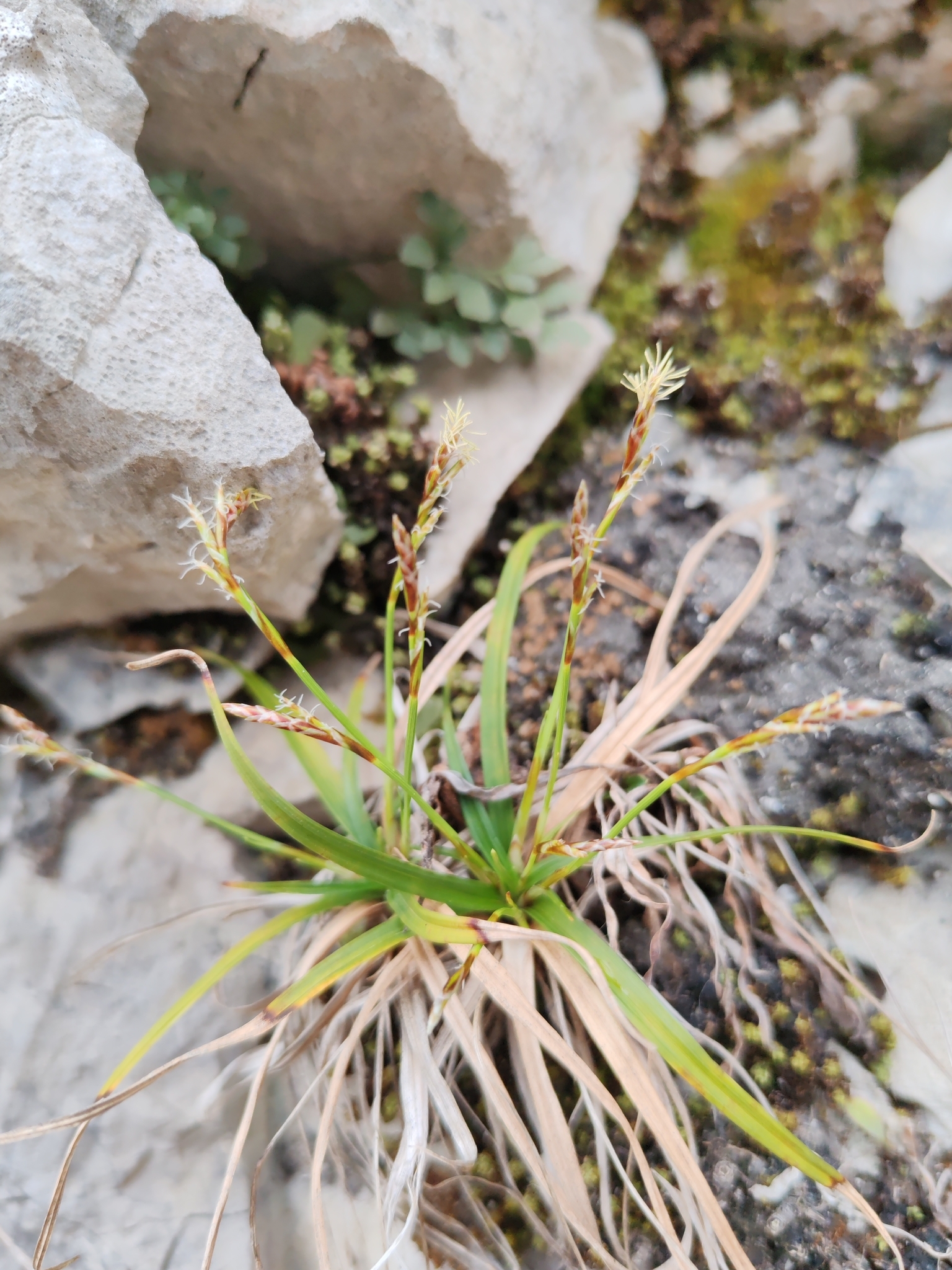
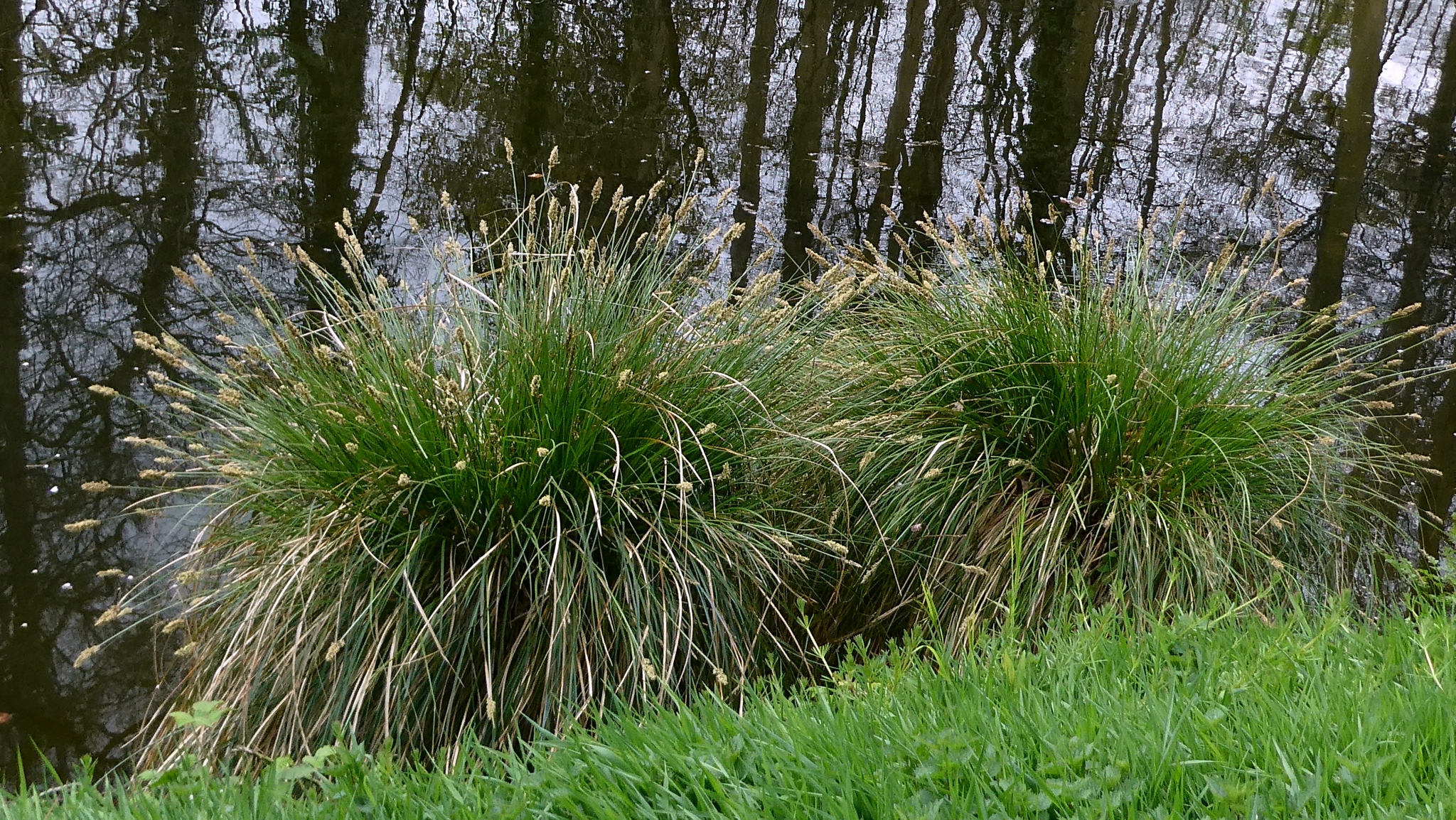
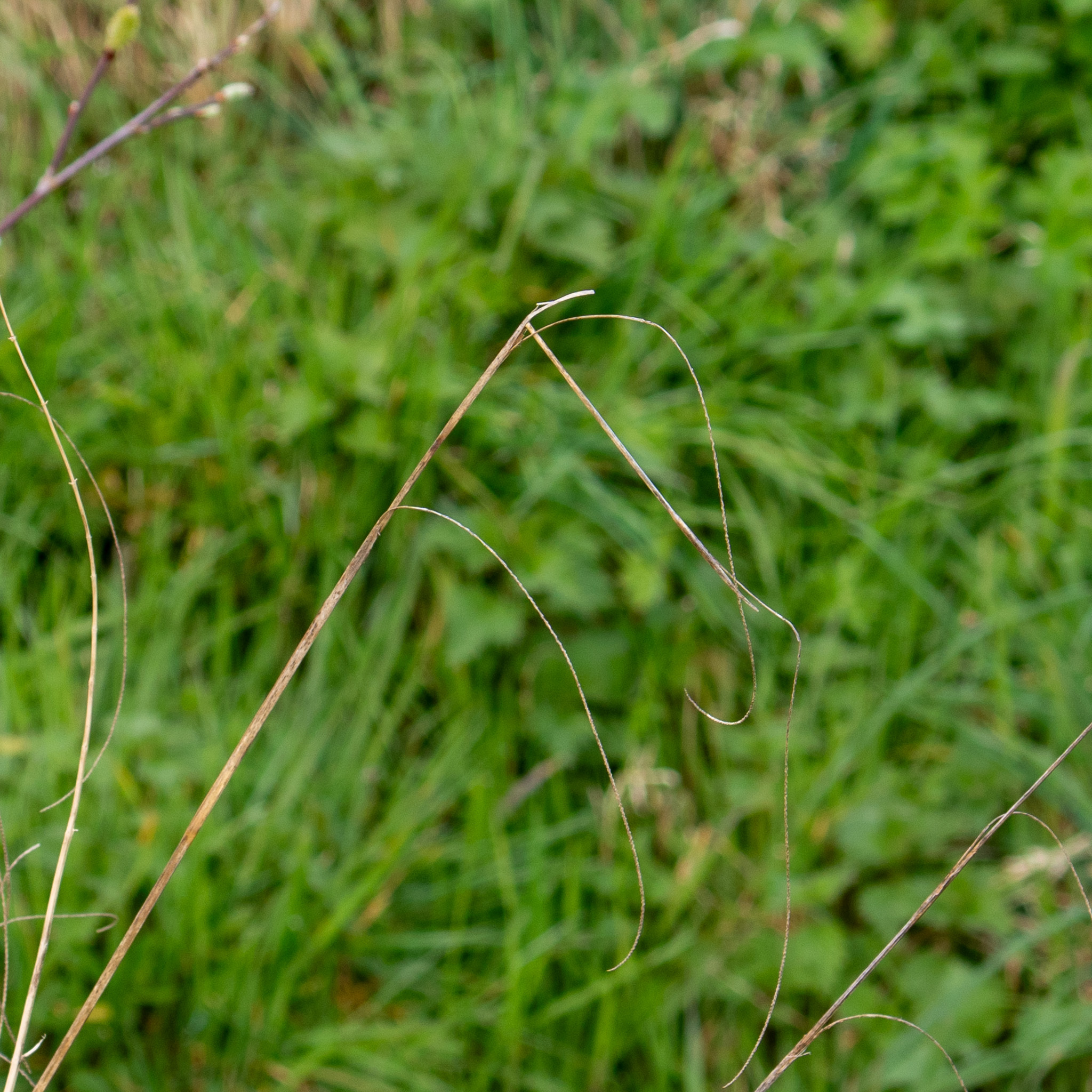
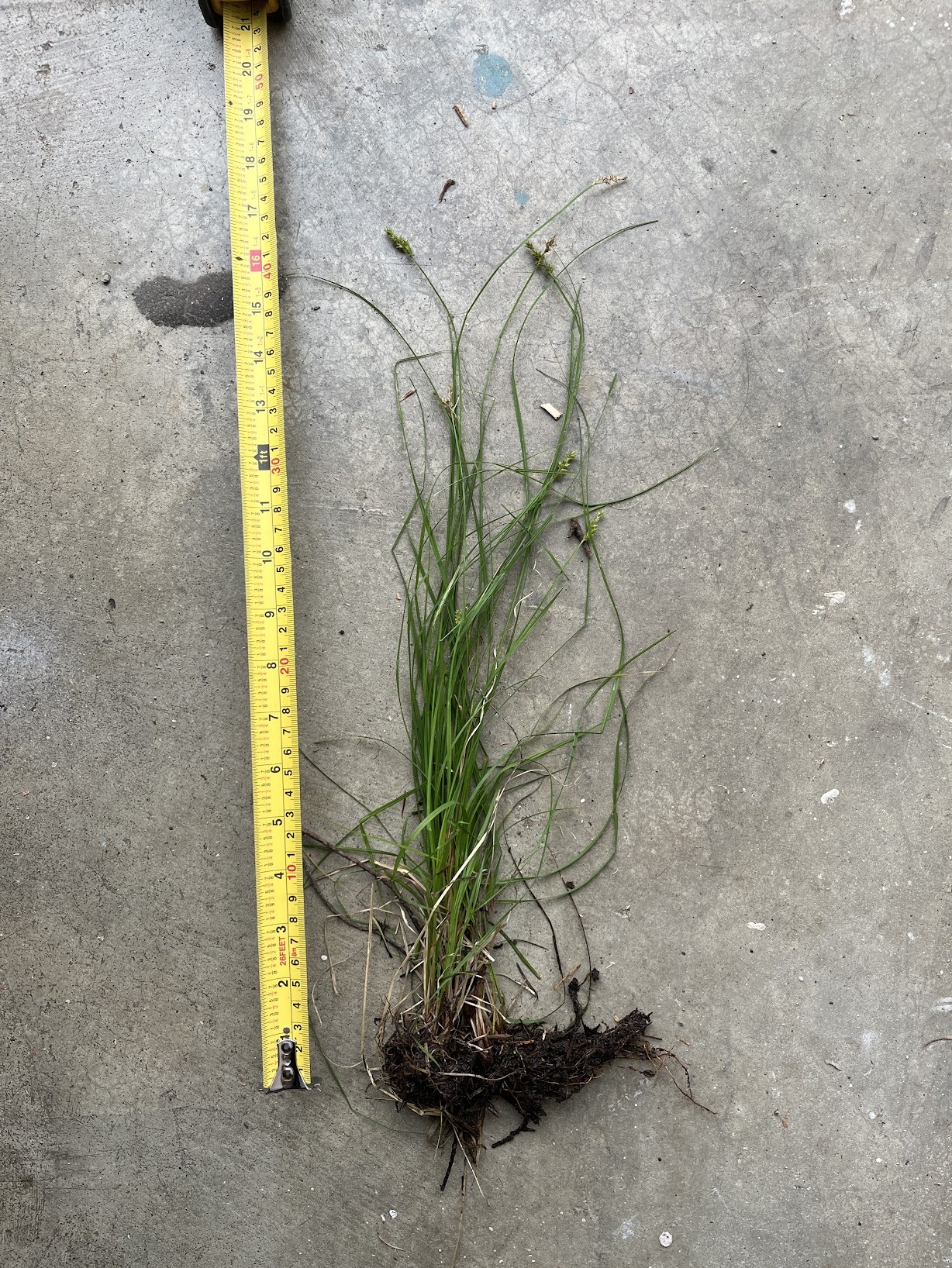
Photos of Santa Barbara Sedge (Carex barbarae)
Where Santa Barbara Sedge (Carex barbarae) is found

Density
Tap map to explore
Common names and botanical synonyms
Botanical classification
| Rank | Name |
|---|---|
| Kingdom | Plantae |
| Division | Tracheophyta |
| Class | Liliopsida |
| Order | Poales |
| Family | Cyperaceae |
| Genus | Carex |
| Species | Carex barbarae |
Similar in genus Carex
Answers based on plant encyclopedia data