Water
Sapranthus campechianus prefers consistently moist soil but not waterlogged conditions. Water thoroughly when the top 2-3 cm of soil feels dry. Reduce watering slightly during cooler, dormant periods.
Ensure good drainage to prevent root rot.
Sapranthus campechianus is a tropical shrub or small tree native to Mexico, known for its fragrant flowers and potential medicinal uses. It thrives in warm climates.
At-a-glance light, water, soil, and growing conditions from plant data
Bright, Indirect Light
75% intensity
Prefers bright, filtered sunlight. Protect from direct, intense sun which can scorch the leaves.
Consistent Moisture
50% intensity
Keep soil evenly moist, allowing the top inch to dry out slightly between waterings. Avoid waterlogging.
Well-drained
50% intensity
Warm
75% intensity
Thrives in temperatures between 18-25°C. Protect from frost and sudden temperature drops.
During Growing Season
50% intensity
Feed with a balanced liquid fertilizer diluted to half strength every 4-6 weeks from spring to summer.
Safety information from plant toxicity data
| Attribute | Value |
|---|---|
| Toxic for humans | No 0/5 intensity |
| Toxic for pets | No 0/5 intensity |
| Edible | No |
None
Key traits and growing stats from plant data
Watering, pruning, propagation, and repotting details from plant data
Sapranthus campechianus prefers consistently moist soil but not waterlogged conditions. Water thoroughly when the top 2-3 cm of soil feels dry. Reduce watering slightly during cooler, dormant periods.
Ensure good drainage to prevent root rot.
Prune Sapranthus campechianus to maintain shape and size, and to remove any dead or damaged branches.
Light pruning can be done anytime, but heavier pruning is best done in late winter or early spring before new growth begins. This encourages bushier growth.
Propagation is typically done by seeds, which require warm temperatures and consistent moisture to germinate. Cuttings can also be taken from semi-hardwood during summer, treated with rooting hormone, and placed in a humid environment.
Repot Sapranthus campechianus every 2-3 years, or when it becomes root-bound. Use a well-draining potting mix. Repotting is best done in spring before the active growing season begins to minimize stress.
Identify plants like this with ePlant AI
Snap a photo to get care tips and match similar species on the go.
Monthly activity intensity for bloom and fruit across both hemispheres.
Flowering & fruiting calendar
Flowering & fruiting calendar
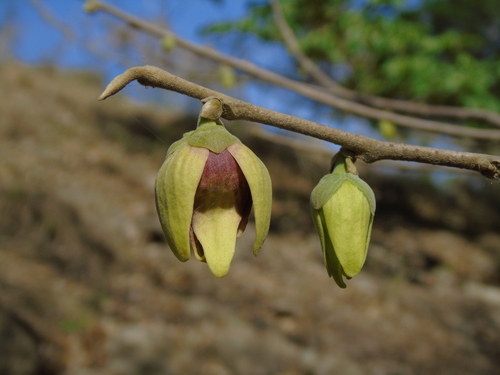
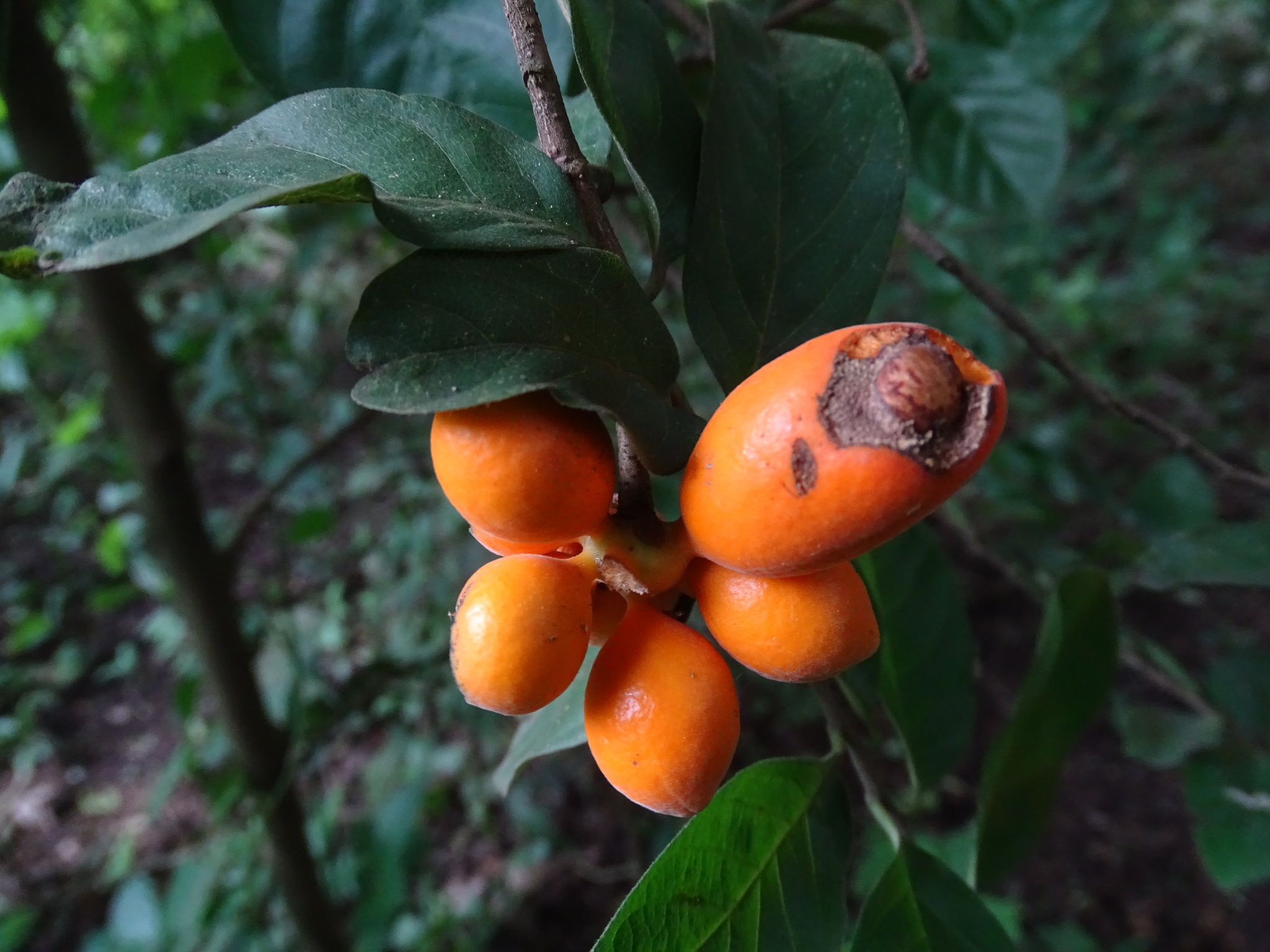
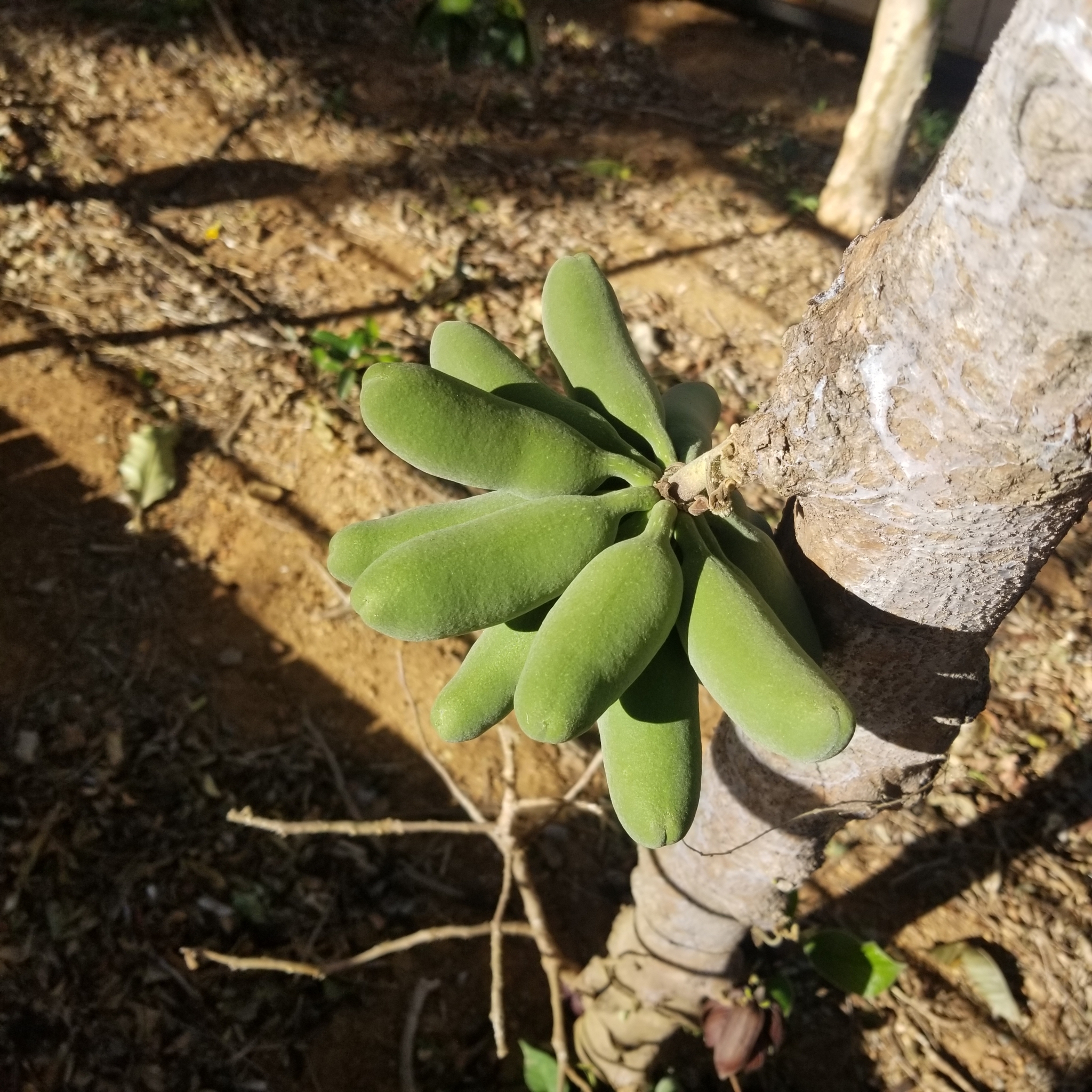
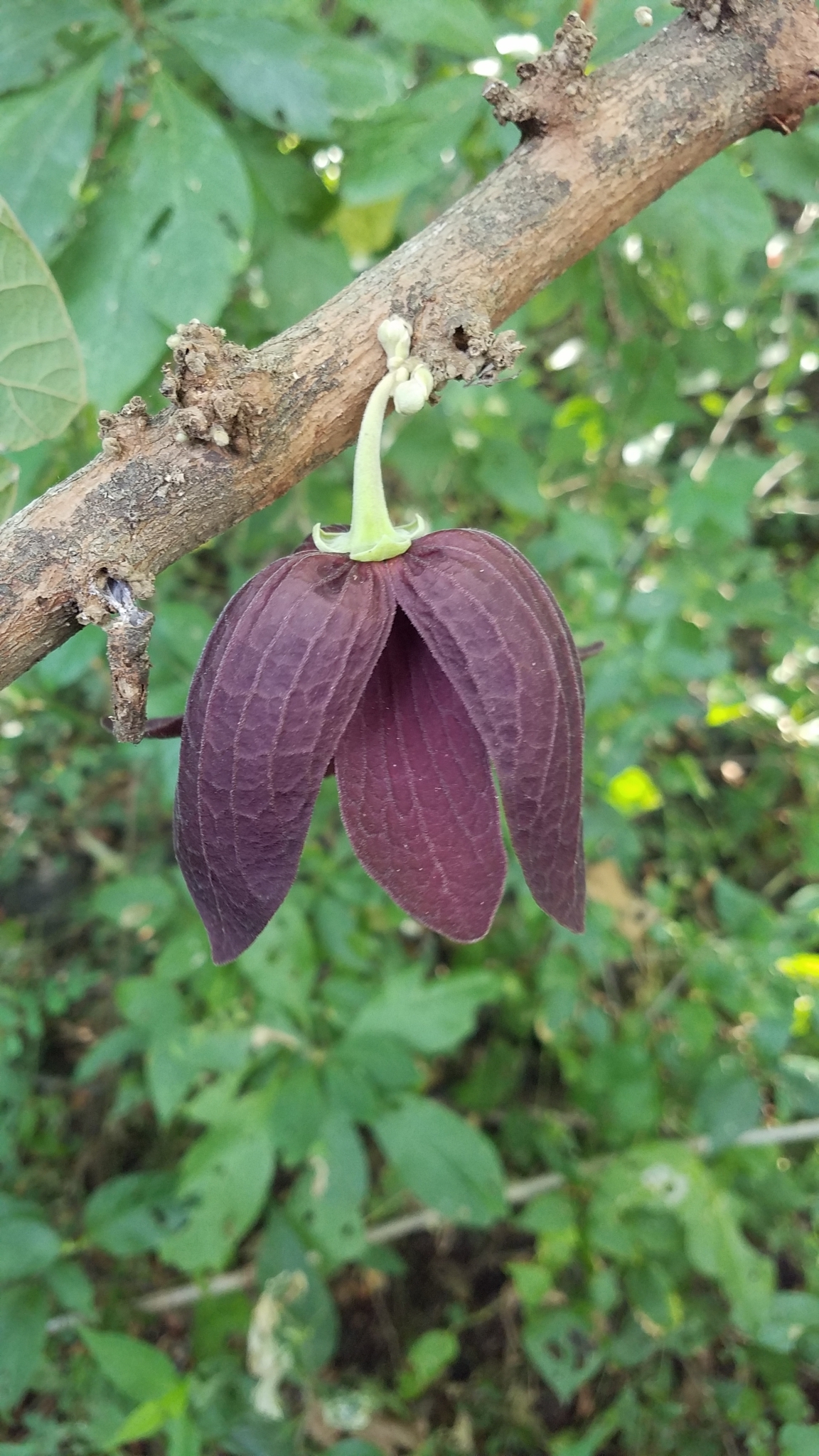
Photos of Sapranthus Campechianus (Sapranthus campechianus)
Common names and botanical synonyms
Botanical classification
| Rank | Name |
|---|---|
| Kingdom | Plantae |
| Division | Tracheophyta |
| Class | Magnoliopsida |
| Order | Magnoliales |
| Family | Annonaceae |
| Genus | Sapranthus |
| Species | Sapranthus campechianus |
Similar in genus Sapranthus
Answers based on plant encyclopedia data