Skip to plant details

Selaginella PallescensSelaginella pallescens

Also known as Pale Spikemoss

  • Category: Ornamental
  • Type: Creeper
  • Sunlight: Bright indirect light
  • Water: Keep consistently moist
  • Temperature: Moderate to warm
  • Habitat: Indoor

Selaginella pallescens is a low-growing, creeping plant with delicate, fern-like foliage, creating a lush green carpet in humid environments.

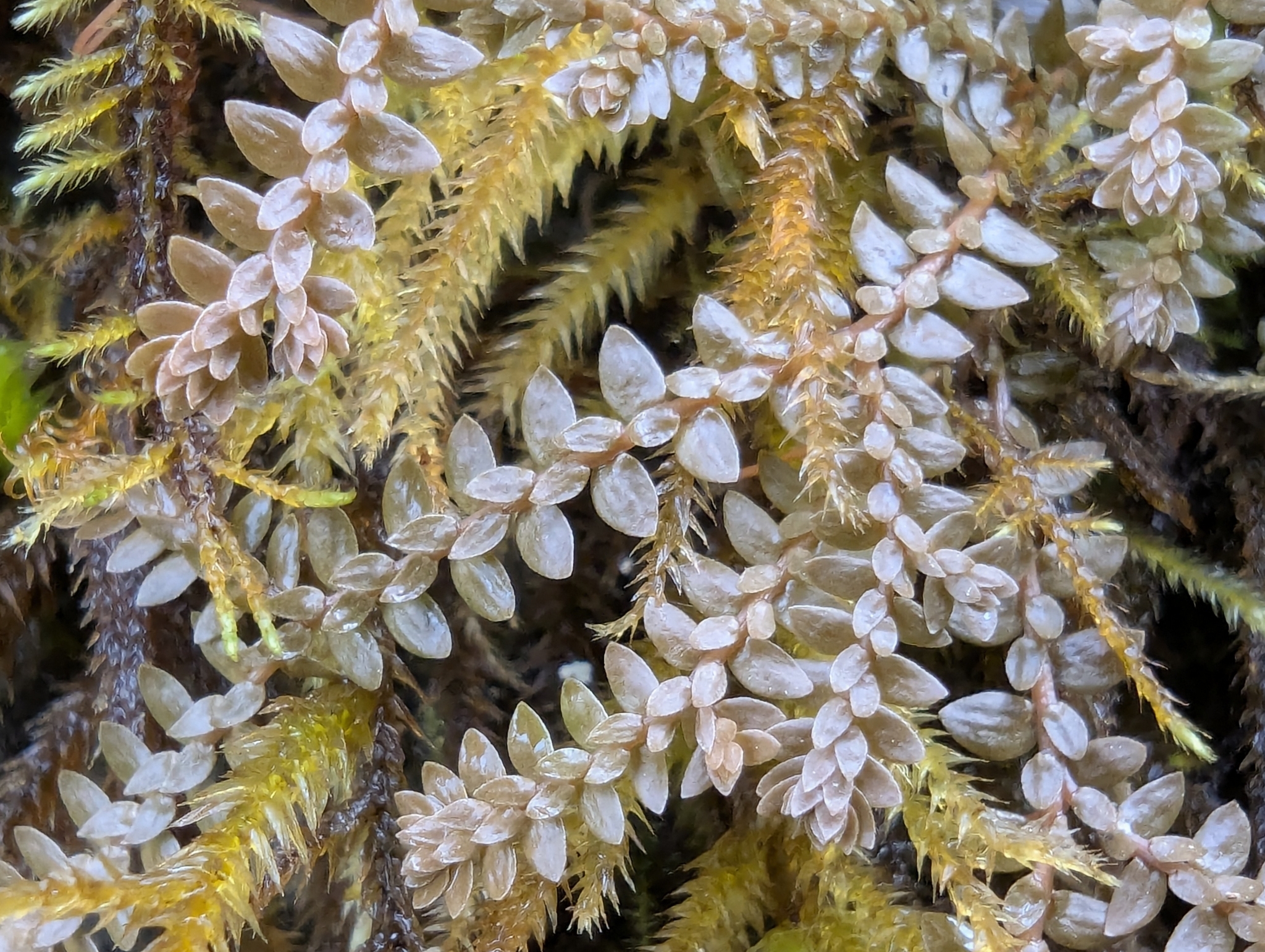
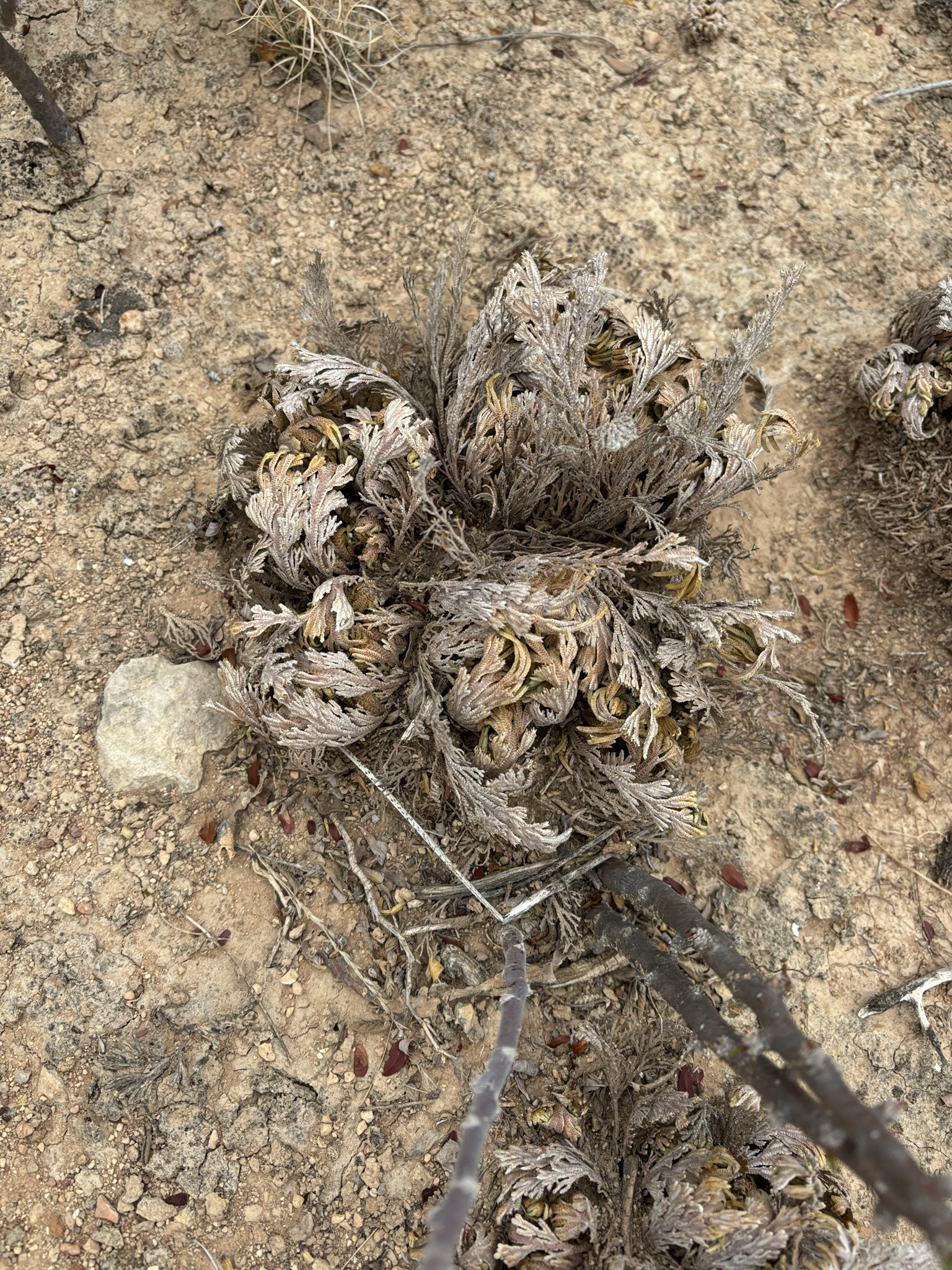
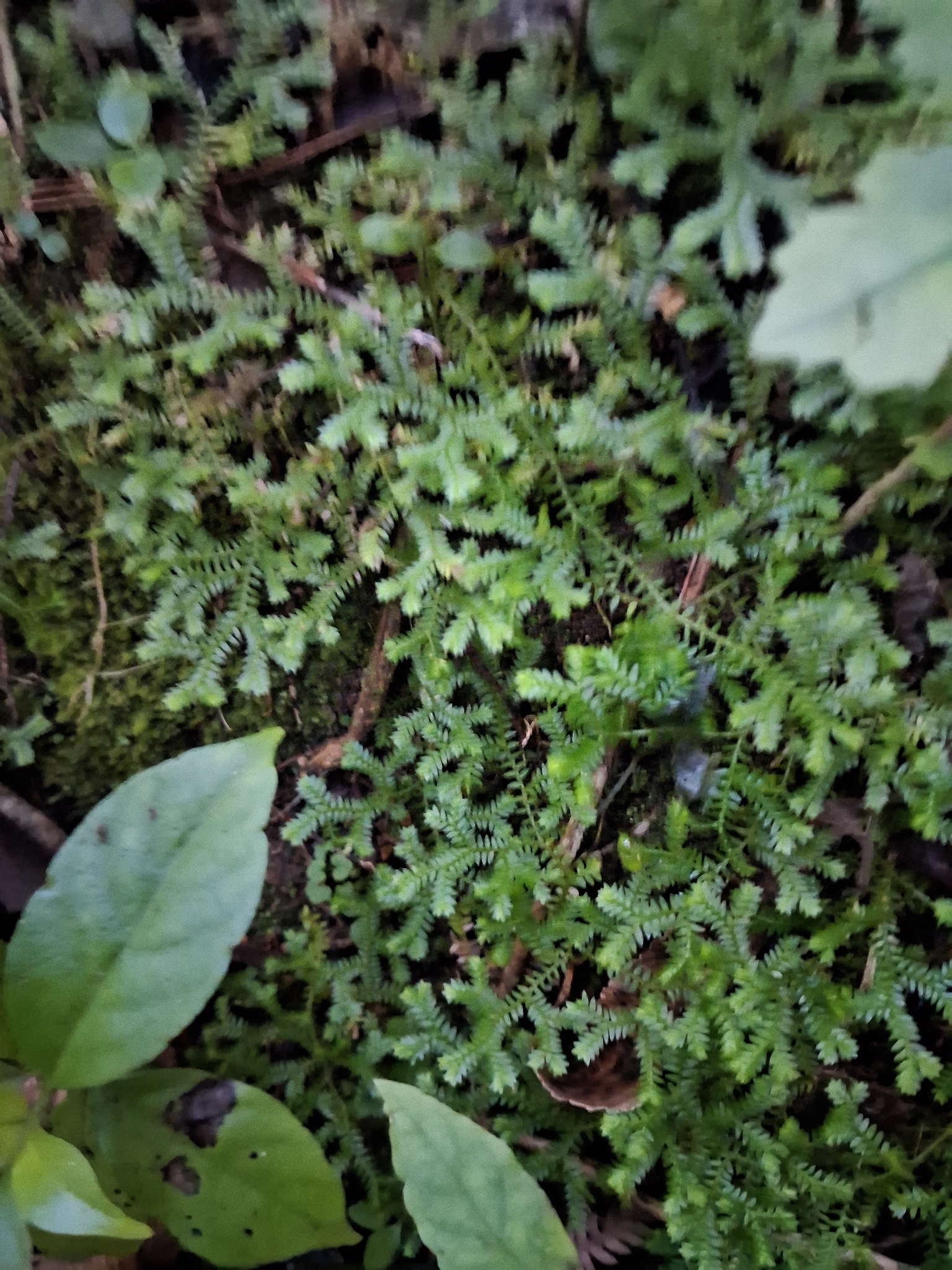
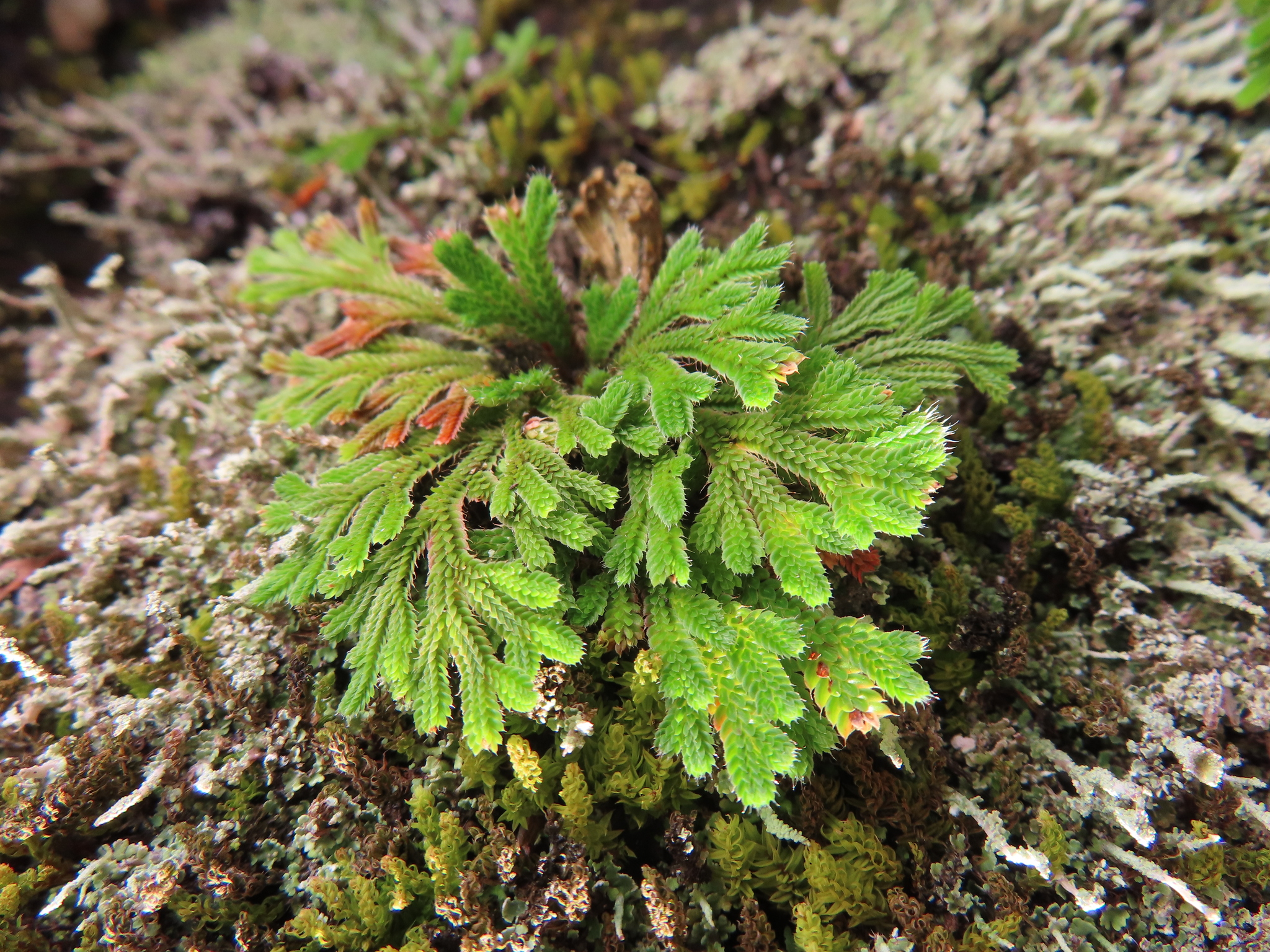
Selaginella pallescens is a species of spike moss belonging to the family Selaginellaceae. These ancient plants, often referred to as clubmosses, are distinct from true mosses and represent a lineage that predates flowering plants. Selaginella pallescens is recognized for its delicate, fern-like appearance and its ability to thrive in specific environmental conditions. Physically, Selaginella pallescens exhibits a creeping or ascending growth habit, forming low-lying mats or small, upright clusters. The stems are typically slender and branched, bearing small, scale-like leaves arranged in four rows along the stem. These leaves, or microphylls, are often ovate to lanceolate in shape and possess a single, unbranched vein. The coloration of the foliage can vary, but typically presents a light green to yellowish-green hue, contributing to its common name which alludes to a pale appearance. Unlike true ferns, Selaginella pallescens reproduces via spores, which are produced in specialized structures called strobili, located at the tips of some branches. These strobili contain microsporangia and megasporangia, leading to the development of microspores and megaspores, respectively. The plant does not produce flowers, fruits, or true seeds in the botanical sense. The native distribution of Selaginella pallescens is primarily within Mexico and Central America. It is typically found in humid, shaded environments, often inhabiting tropical and subtropical forests. Its natural habitat includes the understory of rainforests, along stream banks, and on mossy rocks or tree trunks where moisture is consistently available and direct sunlight is limited. Cultivation requirements for Selaginella pallescens mirror its natural preferences. It thrives in warm, humid conditions with consistently moist, well-draining soil. Partial to full shade is essential, as direct sunlight can scorch its delicate foliage. Maintaining high humidity is crucial for its successful growth, making it well-suited for terrariums or shaded, sheltered garden locations in appropriate climates. While Selaginella pallescens is not widely cultivated for economic purposes, its ornamental value is appreciated by plant enthusiasts who seek unusual and visually interesting foliage plants. Its unique growth habit and intricate leaf structure make it a captivating addition to shaded gardens or indoor plant collections. Ecologically, Selaginella species play a role in their native ecosystems by contributing to ground cover and providing habitat for small invertebrates. Their ability to tolerate low light conditions allows them to colonize areas where other plants may not thrive. An interesting characteristic of some Selaginella species, though not specifically documented for Selaginella pallescens in all contexts, is their capacity for poikilohydry, meaning they can tolerate extreme dehydration and revive upon rehydration, a remarkable adaptation for surviving periods of drought. However, for optimal horticultural success, consistent moisture is preferred for Selaginella pallescens.

Photograph © Alejandro Huereca Delgado · CC-BY-NC-ND

Selaginella Pallescens Care Summary

At-a-glance light, water, soil, and growing conditions from plant data

Light

Bright indirect light

50% intensity

Prefers dappled shade or bright, filtered light. Avoid direct sunlight, which can scorch the leaves.

Watering

Keep consistently moist

75% intensity

Avoid letting the soil dry out completely, but do not oversaturate.

Soil

Peat-based, well-draining

50% intensity

Temperature

Moderate to warm

50% intensity

Ideal temperatures range from 18-24°C. Protect from cold drafts and sudden temperature fluctuations.

Habitat

Indoor

50% intensity

Fertilizer

Low

25% intensity

Fertilize lightly during the growing season with a diluted balanced liquid fertilizer.

Selaginella Pallescens Toxicity

Safety information from plant toxicity data

Toxicity details for Selaginella Pallescens
AttributeValue
Toxic for humansNo

0/5 intensity

Toxic for petsNo

0/5 intensity

EdibleNo

Non-toxic

Selaginella Pallescens Quick Facts

Key traits and growing stats from plant data

Plant Type
Creeper
Plant Category
Ornamental
Plant Place Type
Pot
Plant Environment
Indoor
Lifespan
Perennial
Plant Height
0.05-0.1 m
Spread
0.3-0.5 m
Growth Rate
Moderate
Dormancy
None
Leaf Color
Green
Leaf Type
Scale-like
Optimal Sunlight Lux
1500

Care guide for Selaginella Pallescens

Watering, pruning, propagation, and repotting details from plant data

Water

Keep the soil consistently moist but not waterlogged. Water when the top centimeter of soil feels dry. Use distilled or rainwater to prevent mineral buildup, which can harm this delicate plant.

Overwatering can lead to root rot, so ensure good drainage.

Pruning

Prune to maintain shape and remove any dead or yellowing foliage. Trim back leggy stems to encourage bushier growth. Use clean, sharp scissors or pruning shears.

Pruning is generally light and primarily for aesthetic purposes or to manage size.

Propagation

Propagate through stem cuttings. Take 3-5 cm cuttings from healthy stems, remove lower leaves, and plant them in moist, well-draining potting mix. Keep the cuttings in a humid environment with indirect light.

Roots should form within a few weeks.

Repotting

Repot every 1-2 years, or when the plant becomes root-bound. Use a well-draining potting mix, such as a blend for ferns or houseplants.

Choose a pot only slightly larger than the current one to avoid excessive moisture retention.

Identify plants like this with ePlant

Snap a photo to get care tips and match similar species on the go.

Try for Free

Flowering & Fruiting Cycles

Monthly activity intensity for bloom and fruit across both hemispheres.

Northern hemisphere

Flowering & fruiting calendar

Peak bloom · JunPeak fruit · Jul
FloweringFruiting
02468JanFebMarAprMayJunJulAugSepOctNovDecActivity intensityMonths46
Southern hemisphere

Flowering & fruiting calendar

Peak bloom · AugPeak fruit · Sep
FloweringFruiting
02468JanFebMarAprMayJunJulAugSepOctNovDecActivity intensityMonths46

Selaginella Pallescens Names & Synonyms

Common names and botanical synonyms

Common Names

  • Pale Spikemoss

Synonyms

  • Lycopodioides cuspidata (Link) Kuntze
  • Lycopodium cuspidatum Link
  • Lycopodium pallescens C.Presl
  • Selaginella avilae Klotzsch ex Kunze
  • Selaginella cuspidata (Link) Link
  • Selaginella dentifolia Klotzsch ex Aberle
  • Selaginella emmeliana Van Geert
  • Selaginella incana Spring
  • Selaginella nidus-avis Ezcurdia
  • Selaginella pallasiana A.Braun
  • Selaginella sulcangula Spring

Selaginella Pallescens Taxonomy

Botanical classification

Taxonomic classification of Selaginella Pallescens
RankName
kingdomPlantae
divisionTracheophyta
classLycopodiopsida
orderSelaginellales
familySelaginellaceae
genusSelaginella
speciesSelaginella pallescens

Selaginella Pallescens FAQs

Answers based on plant encyclopedia data

What are the light requirements for Selaginella pallescens?

Selaginella pallescens prefers bright, indirect light. Direct sunlight can scorch its delicate foliage.

How often should I water Selaginella pallescens?

Keep the soil consistently moist but not waterlogged. Water when the top layer of soil begins to feel dry.

What kind of soil is best for Selaginella pallescens?

A well-draining potting mix with added organic matter, such as peat moss or coco coir, is ideal. Aim for slightly acidic conditions.

Does Selaginella pallescens require high humidity?

Yes, Selaginella pallescens thrives in high humidity environments. Misting regularly or placing it in a terrarium can help maintain adequate moisture levels.

How do I propagate Selaginella pallescens?

Propagation is typically done by stem cuttings or division of the plant. Cuttings can be rooted in moist soil or sphagnum moss.