Water
Allow soil to dry out completely between waterings. Overwatering is the most common cause of rot.
In winter, reduce watering significantly as the plant enters dormancy, providing only enough to prevent extreme shriveling.
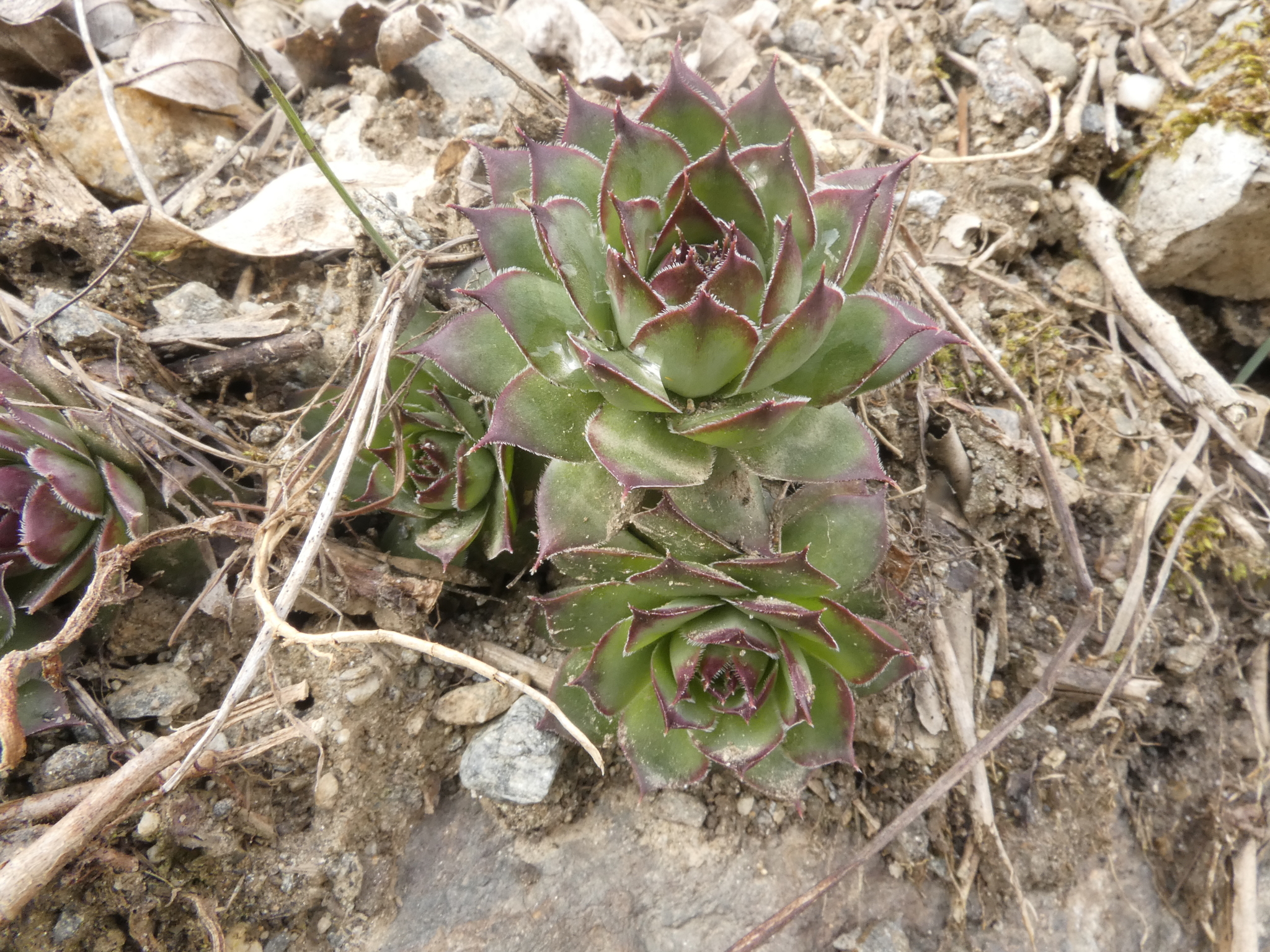
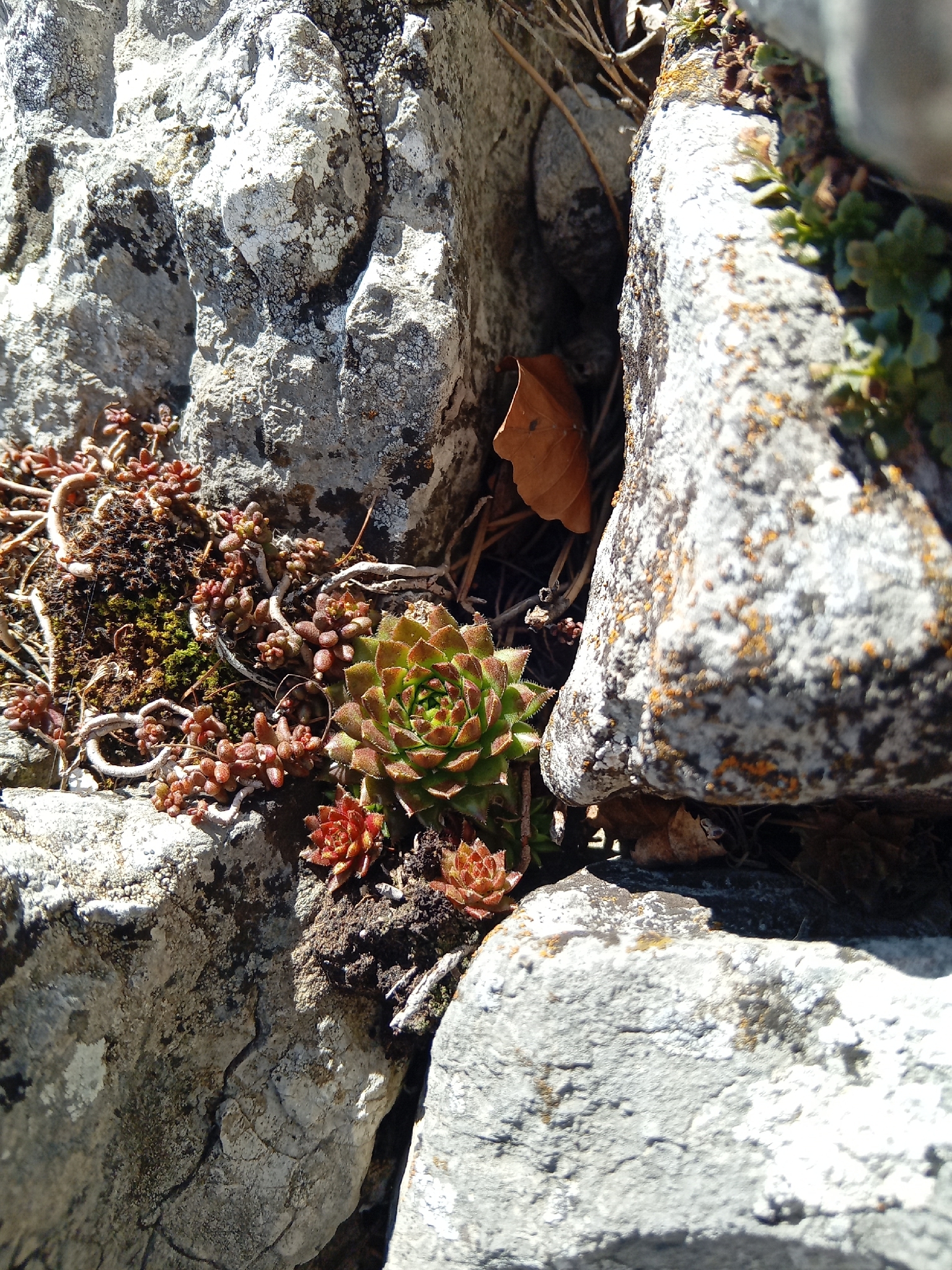
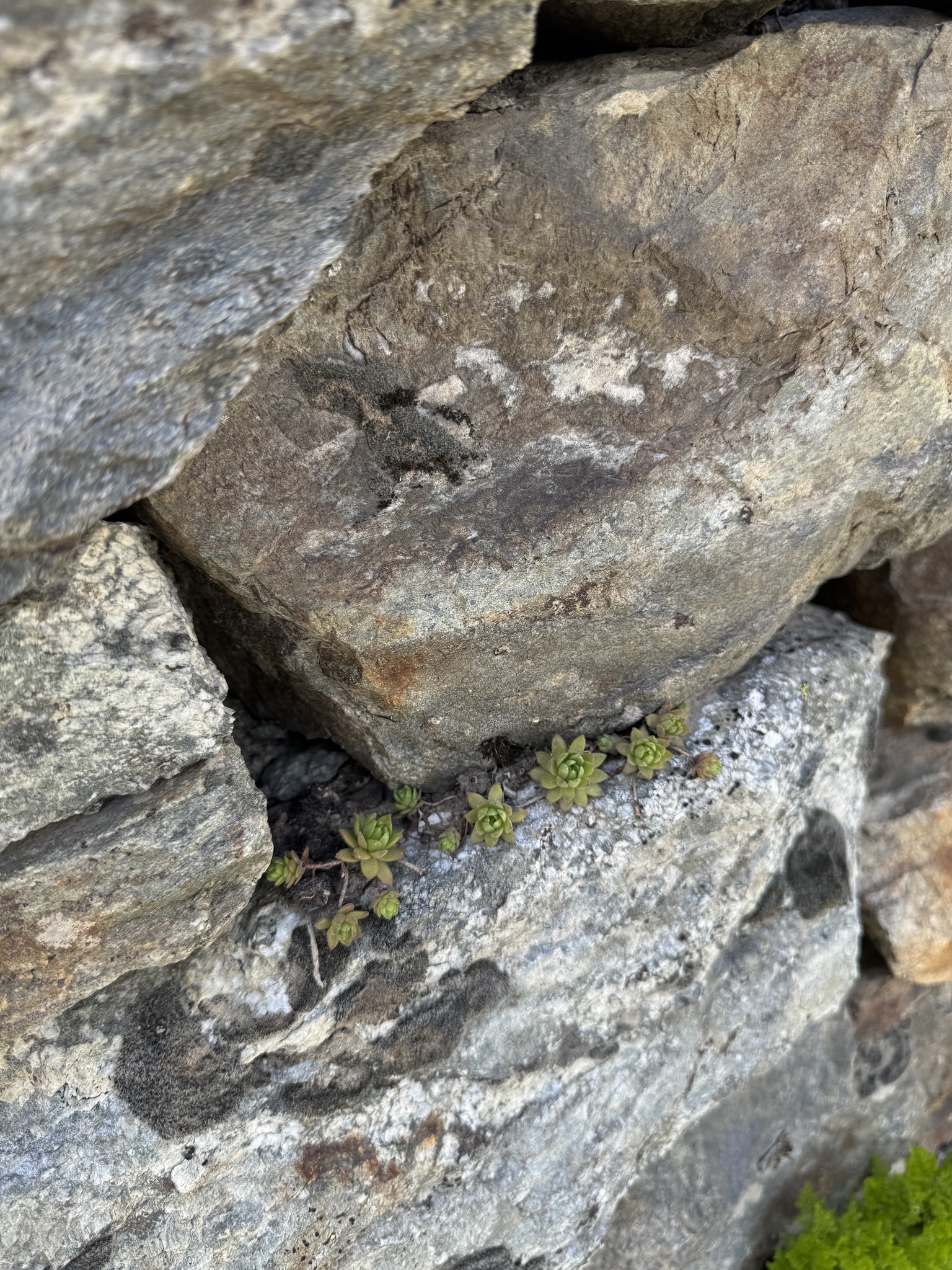
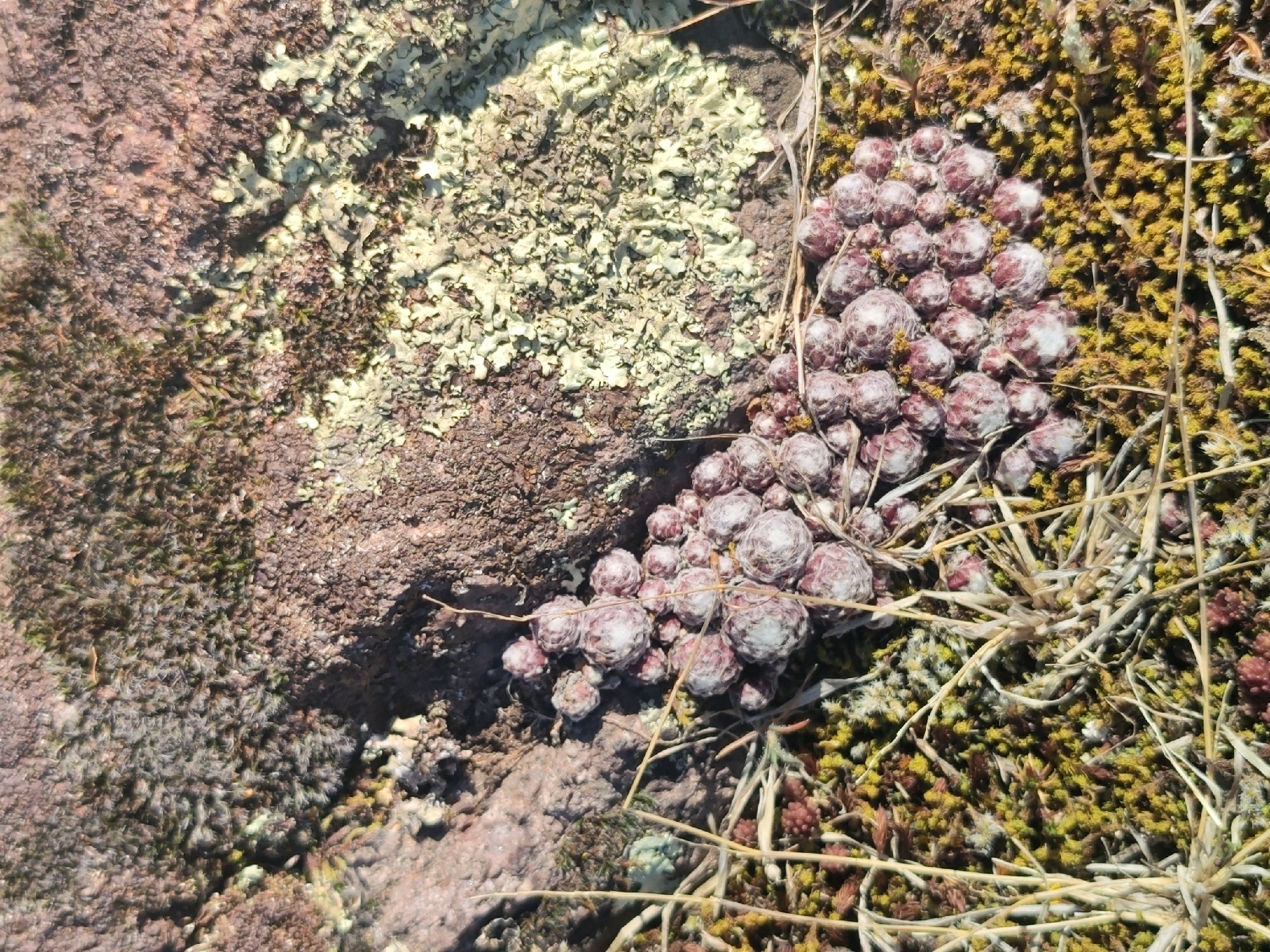
Sempervivum ingwersenii is a hardy succulent forming dense rosettes of fleshy, pointed leaves, often tinged with red. It thrives in dry, sunny conditions and is excellent
At-a-glance light, water, soil, and growing conditions from plant data
Prefers full sun to partial shade.
75% intensity
In very hot climates, some afternoon shade can be beneficial to prevent scorching.
Allow soil to dry out completely between waterings.
25% intensity
Reduce watering significantly in winter.
Well-drained, Sandy, Gritty
50% intensity
Hardy and tolerant of both heat and cold.
25% intensity
Prefers moderate temperatures but can withstand freezing conditions when established.
Low fertilizer needs.
25% intensity
Fertilize sparingly in spring with a diluted succulent fertilizer.
Safety information from plant toxicity data
| Attribute | Value |
|---|---|
| Toxic for humans | No 0/5 intensity |
| Toxic for pets | No 0/5 intensity |
Non-toxic
Key traits and growing stats from plant data
Watering, pruning, propagation, and repotting details from plant data
Allow soil to dry out completely between waterings. Overwatering is the most common cause of rot.
In winter, reduce watering significantly as the plant enters dormancy, providing only enough to prevent extreme shriveling.
Pruning is generally not required for Sempervivum ingwersenii beyond removing dead or dried leaves and spent flower stalks. If the plant becomes overcrowded, rosettes can be divided and replanted.
This naturally tidies up the plant and encourages new growth.
Propagation is easy via offsets (chicks) that the mother plant produces. Once these chicks have developed a few small leaves and roots, they can be carefully separated and planted in their own well-draining soil.
They root readily with minimal care.
Repot Sempervivum ingwersenii every 2-3 years, or when the pot becomes crowded with rosettes and offsets. Use a gritty, well-draining succulent or cactus mix.
Repotting is best done in spring or early summer after the risk of frost has passed.
Identify plants like this with ePlant AI
Snap a photo to get care tips and match similar species on the go.
Monthly activity intensity for bloom and fruit across both hemispheres.
Flowering & fruiting calendar
Flowering & fruiting calendar
Photos of Sempervivum Ingwersenii (Sempervivum ingwersenii)
Where Sempervivum Ingwersenii (Sempervivum ingwersenii) is found

Density
Tap map to explore
Common names and botanical synonyms
Botanical classification
| Rank | Name |
|---|---|
| Kingdom | Plantae |
| Division | Tracheophyta |
| Class | Magnoliopsida |
| Order | Saxifragales |
| Family | Crassulaceae |
| Genus | Sempervivum |
| Species | Sempervivum ingwersenii |
Similar in genus Sempervivum
Answers based on plant encyclopedia data