Water
Keep the soil consistently moist but not waterlogged. Allow the top 2-3 cm of soil to dry out between waterings. Reduce watering frequency during the cooler winter months to prevent root rot.
Ensure good drainage to avoid soggy conditions.
Also known as Shingle Plant
Safety note: This plant may be toxic to humans and pets. See toxicity details.
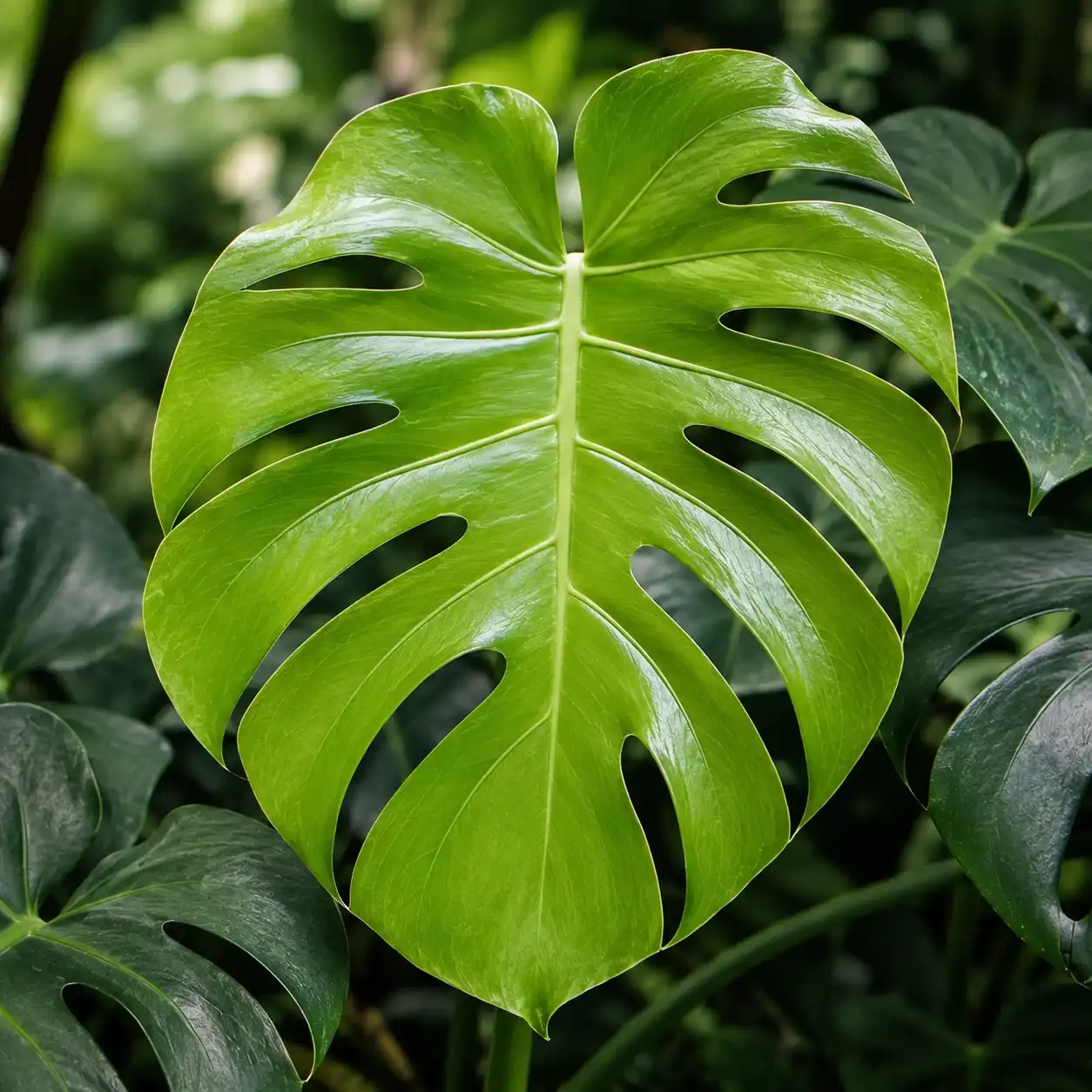
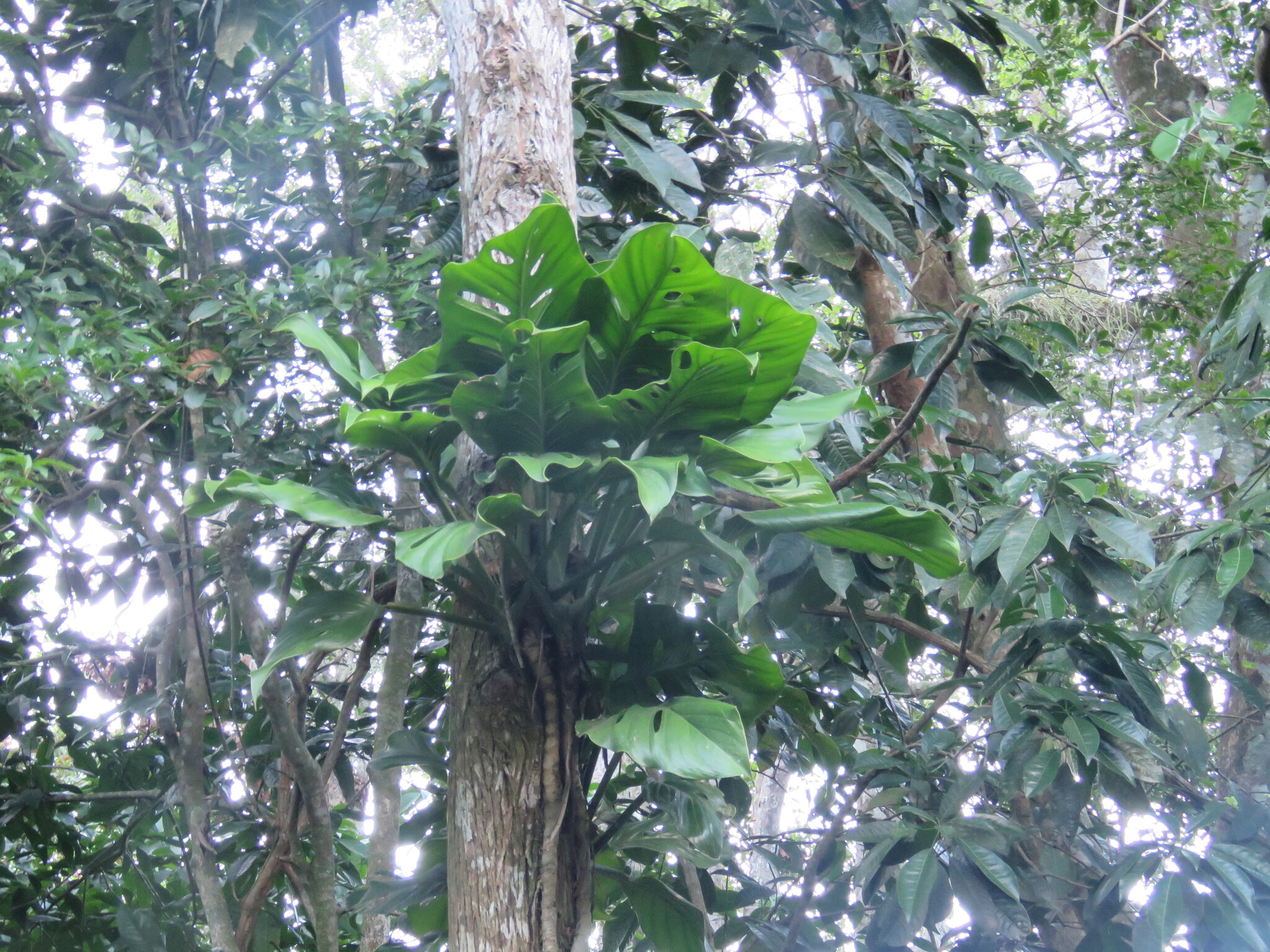
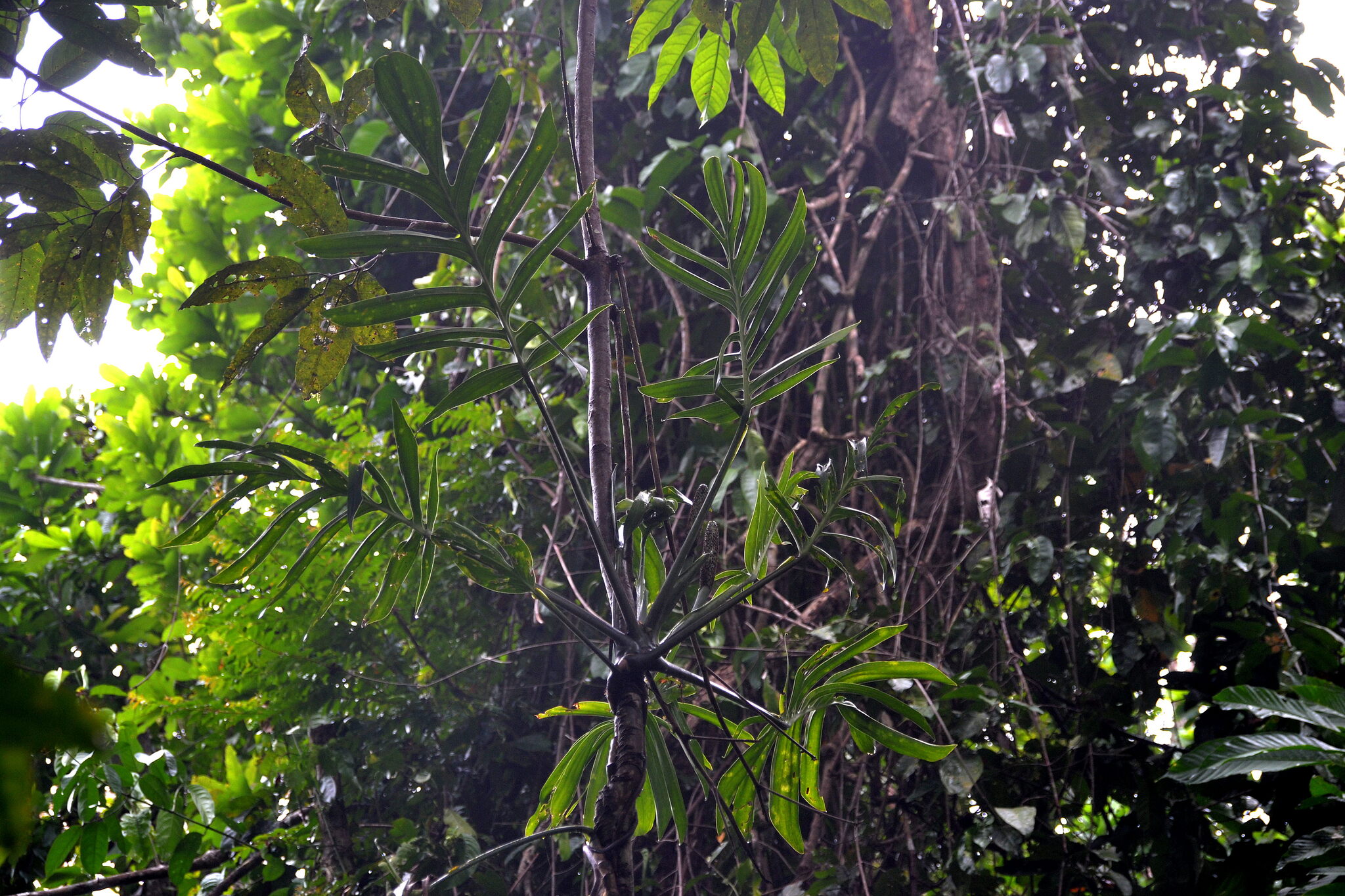
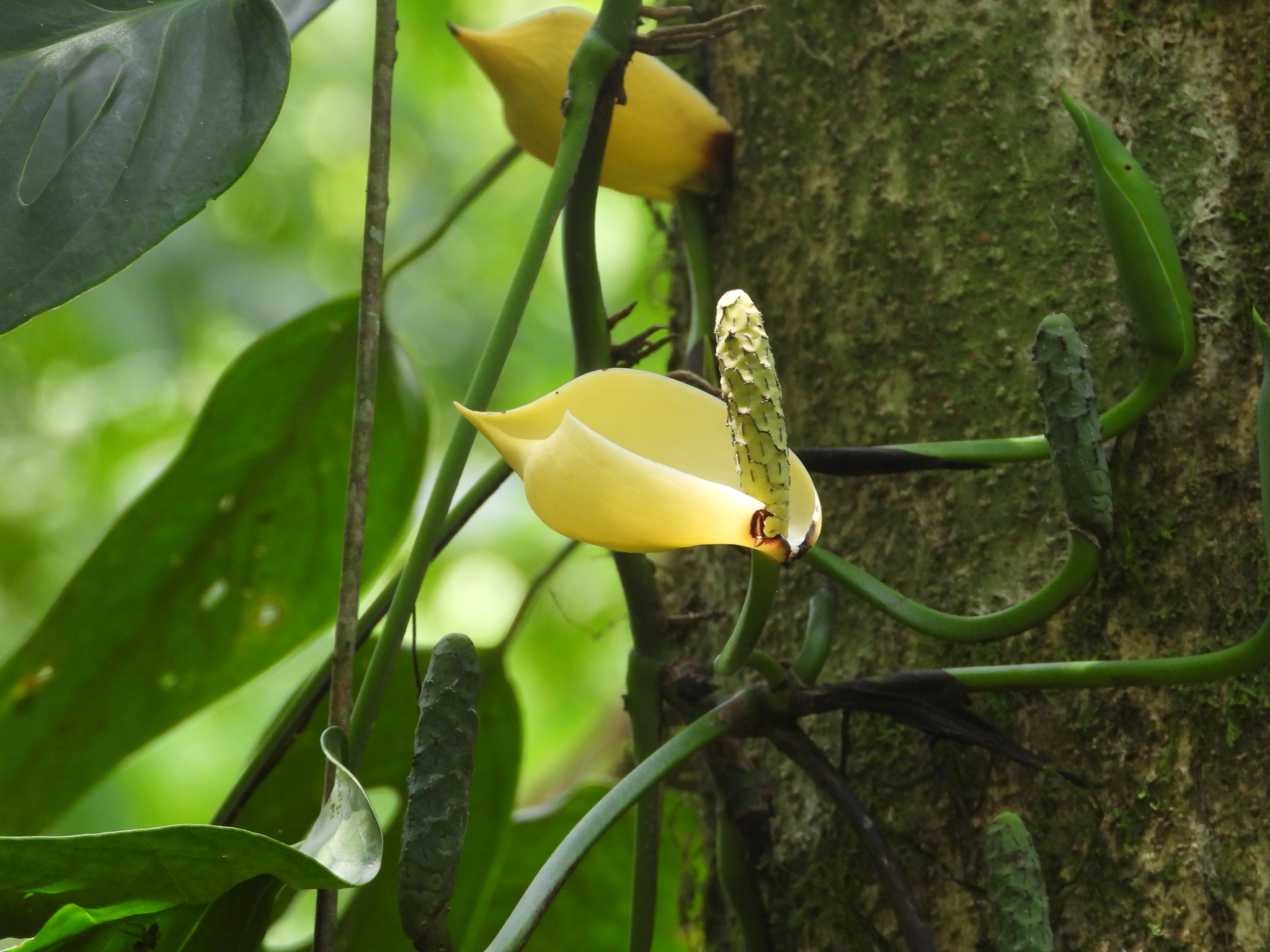
Monstera tuberculata, the giant monstera, is a stunning Aroid with large, fenestrated leaves, native to Central and South America. It thrives in warm, humid environments.
At-a-glance light, water, soil, and growing conditions from plant data
Bright, Indirect Light
75% intensity
Prefers dappled sunlight or bright, indirect light. Avoid direct sun, which can scorch leaves.
Consistent Moisture
50% intensity
Allow topsoil to dry slightly between waterings. Avoid soggy conditions.
Well-draining potting mix, rich in organic matter.
50% intensity
Average to Warm
50% intensity
Prefers temperatures between 18-27°C. Avoid drafts and sudden temperature drops.
Moderate Feeding
50% intensity
Feed with a balanced liquid fertilizer diluted by half during the growing season.
Safety information from plant toxicity data
| Attribute | Value |
|---|---|
| Toxic for humans | Yes 3/5 intensity |
| Toxic for pets | Yes 3/5 intensity |
| Edible | No |
Contains calcium oxalate crystals, causing irritation and swelling if ingested or upon skin contact.
Key traits and growing stats from plant data
Watering, pruning, propagation, and repotting details from plant data
Keep the soil consistently moist but not waterlogged. Allow the top 2-3 cm of soil to dry out between waterings. Reduce watering frequency during the cooler winter months to prevent root rot.
Ensure good drainage to avoid soggy conditions.
Prune to maintain shape, remove yellowing or dead leaves, and control size. Use clean, sharp pruning shears. Pruning can also encourage bushier growth.
Remove aerial roots if they become unruly or are not anchoring the plant effectively.
Propagate by stem cuttings, ensuring each cutting has at least one node. Root cuttings in water or moist potting mix. Once roots have developed, transplant into a pot.
This method is best done during the active growing season.
Repot every 2-3 years or when the plant becomes root-bound, typically in spring. Choose a pot that is 2-5 cm larger in diameter than the current one. Use a well-draining potting mix suitable for aroids.
Identify plants like this with ePlant AI
Snap a photo to get care tips and match similar species on the go.
Monthly activity intensity for bloom and fruit across both hemispheres.
Flowering & fruiting calendar
Flowering & fruiting calendar
Photos of Giant Monstera (Monstera tuberculata)
Common names and botanical synonyms
Botanical classification
| Rank | Name |
|---|---|
| Kingdom | Plantae |
| Division | Tracheophyta |
| Class | Liliopsida |
| Order | Alismatales |
| Family | Araceae |
| Genus | Monstera |
| Species | Monstera tuberculata |
Similar in genus Monstera
Answers based on plant encyclopedia data