Also known as Shrubby False Buttonwood · Vassoura Branca · Whitehead Broom
Category: Ornamental
Type: Shrub
Sunlight: Bright Indirect to Partial Shade
Water: Moderate
Temperature: Average Room Temperature
Shrubby False Buttonweed (Spermacoce verticillata) is a spreading tropical groundcover or low shrub with whorls of tiny white flowers, attractive to pollinators. Thrives
Spermacoce verticillata, commonly known as Shrubby False Buttonweed, is a perennial herb or subshrub belonging to the family Rubiaceae. This species is recognized for its distinctive whorled foliage and its ecological role in its native environments.
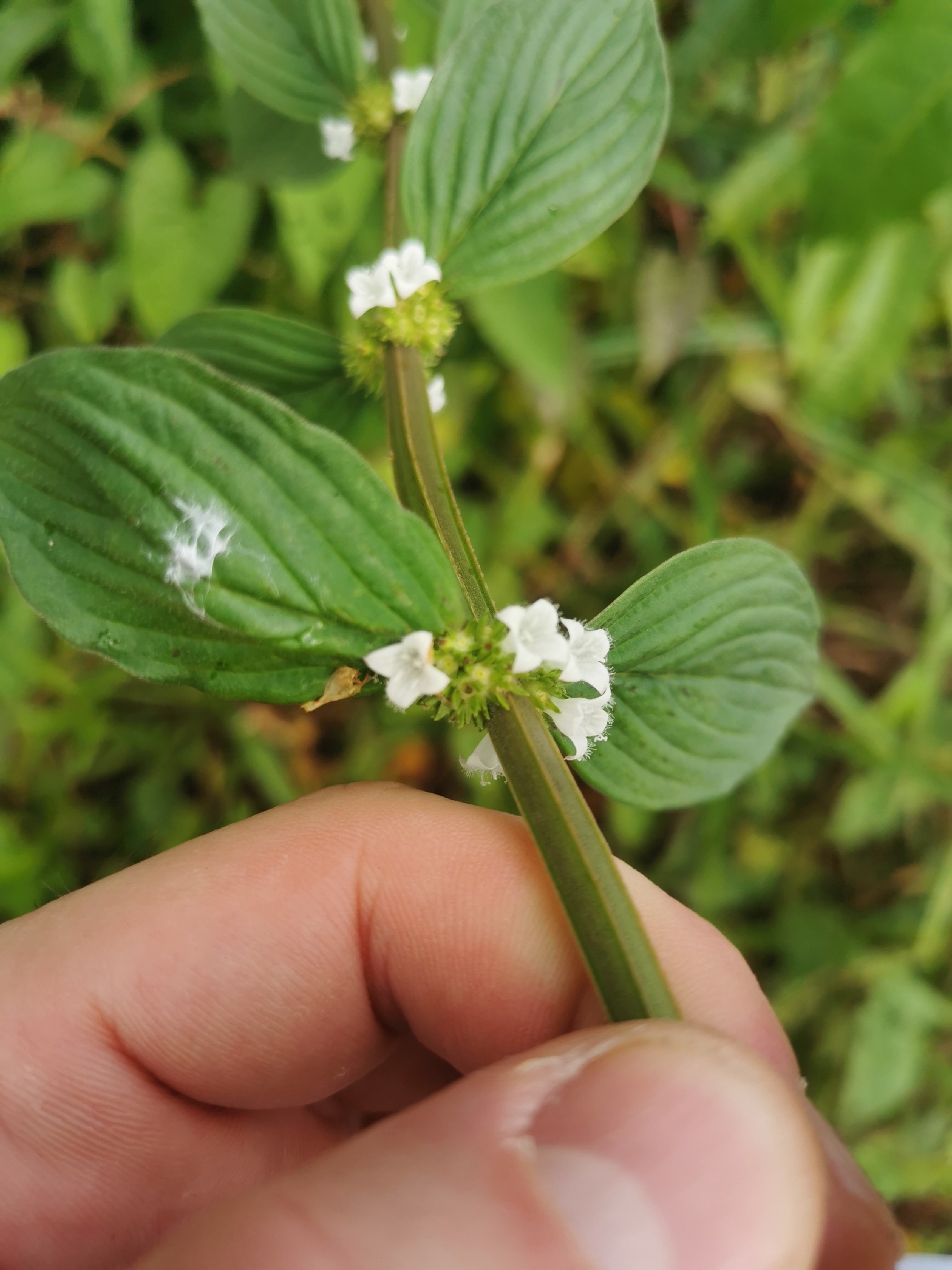
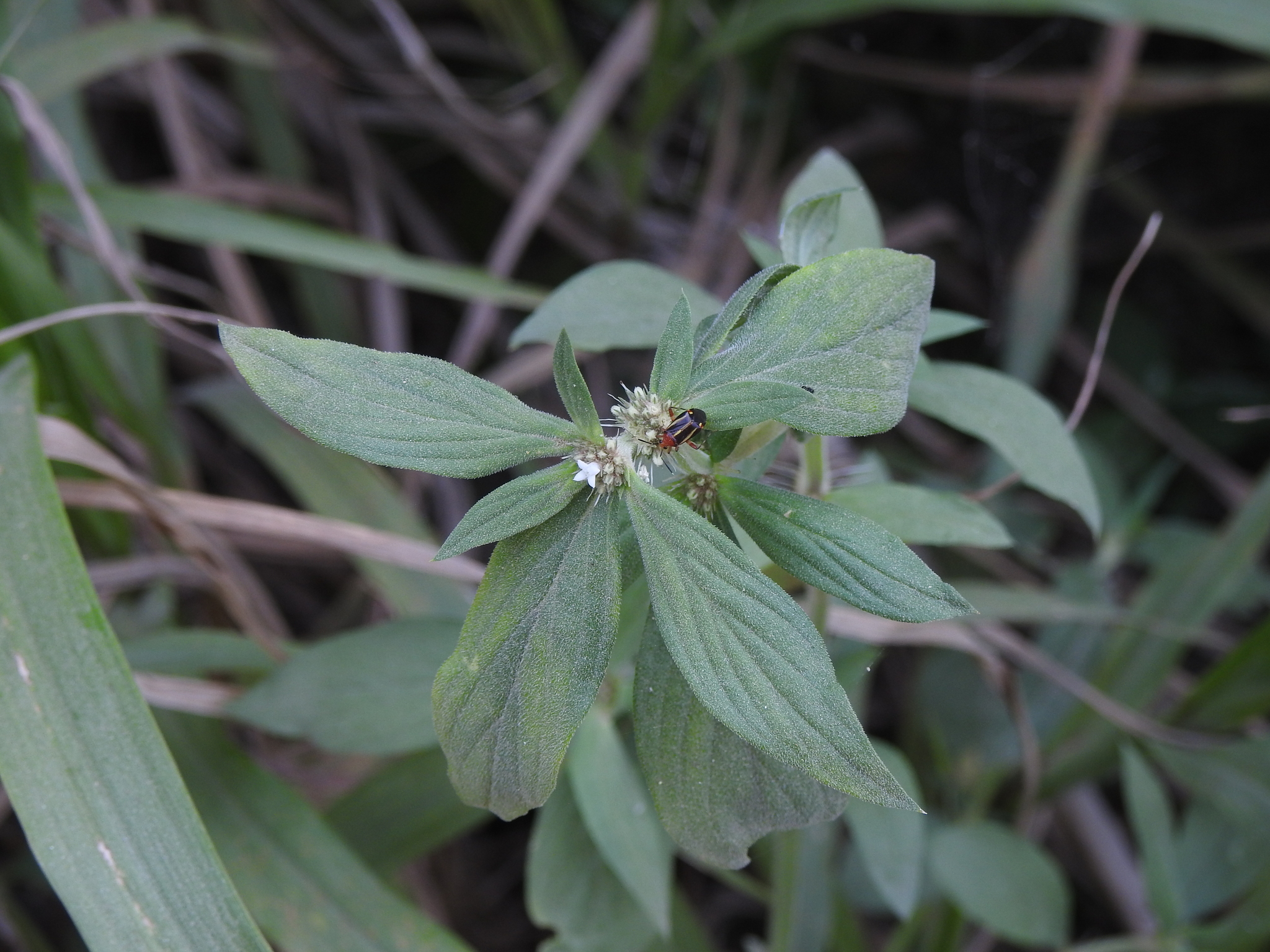
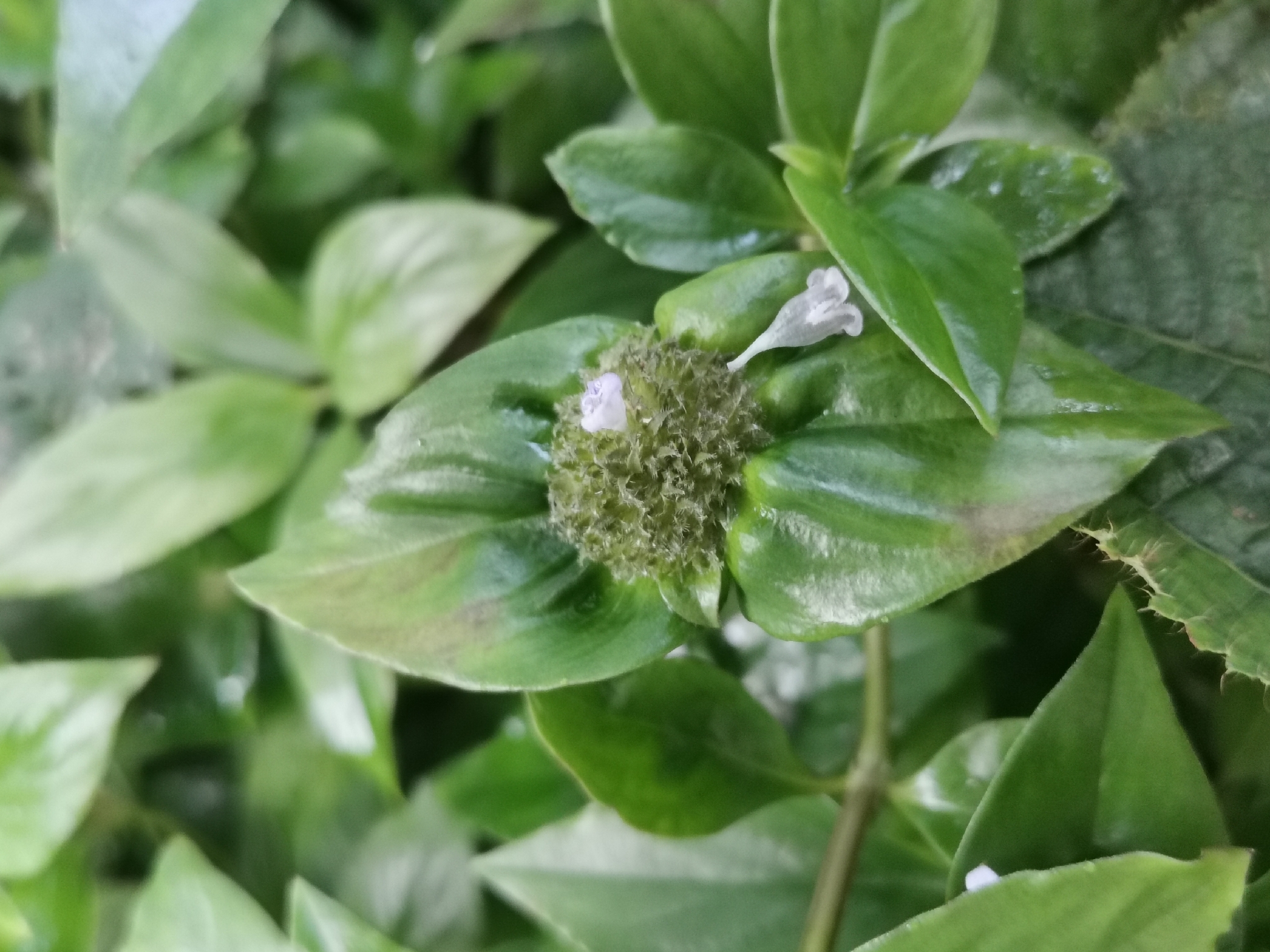
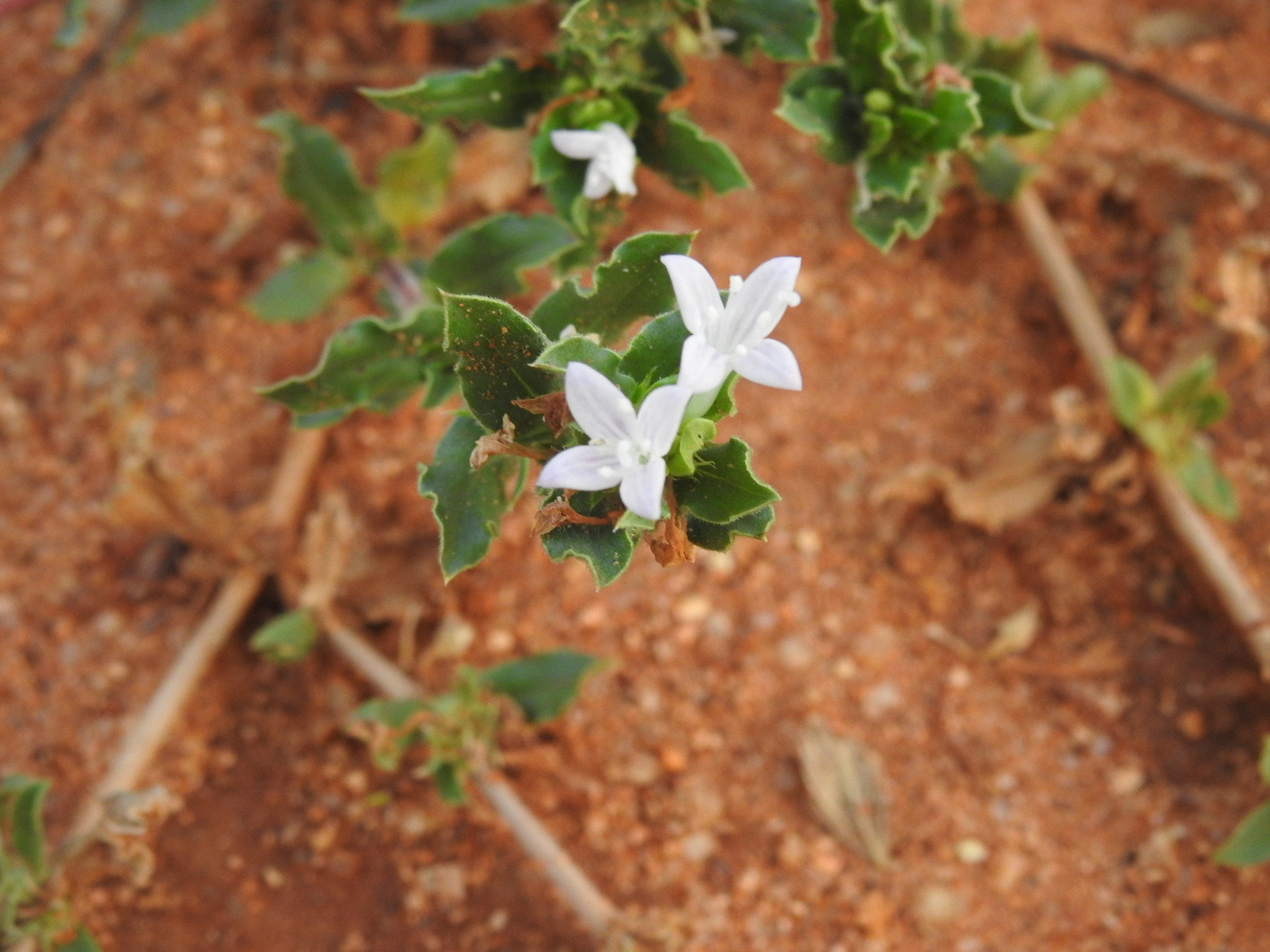
Physically, Spermacoce verticillata typically presents as a low-growing, spreading plant, often reaching heights of 30 to 60 centimeters, though it can occasionally grow taller. Its growth habit is somewhat sprawling, with stems that can root at the nodes, contributing to its groundcover potential. The leaves are arranged in whorls of four to six along the stems, a characteristic feature that aids in its identification. These leaves are generally lanceolate to ovate in shape, with entire margins and a smooth texture. The plant produces small, inconspicuous flowers that are typically white or pale pink. These flowers are borne in dense, axillary clusters, often appearing at the tips of stems. Following flowering, small, globose to ovoid capsules develop, containing numerous tiny seeds. The bark is generally smooth and greenish to brownish.
The native distribution of Spermacoce verticillata is extensive, encompassing tropical and subtropical regions of the Americas, including parts of North, Central, and South America, as well as the Caribbean. It thrives in a variety of natural habitats, commonly found in open, disturbed areas, sandy soils, savannas, grasslands, and along roadsides. It is often associated with well-drained soils and prefers sunny to partially shaded conditions. While it is a native species in many regions, it has also naturalized in other parts of the world. Its cultivation requirements are generally straightforward, favoring well-drained soils and a warm climate. It is relatively drought-tolerant once established.
Spermacoce verticillata plays a role in its native ecosystems, providing habitat and sustenance for certain insects. While not widely cultivated for ornamental purposes, its low-growing habit and ability to tolerate varied conditions make it a potential candidate for groundcover in suitable climates. There is limited scientifically documented information regarding significant ornamental, agricultural, medicinal, culinary, or economic importance for this specific species.
An interesting characteristic of Spermacoce verticillata is its ability to adapt to disturbed environments, often colonizing areas where the soil has been turned or where vegetation cover is sparse. This resilience contributes to its success in various natural and anthropogenic landscapes. The whorled arrangement of its leaves is a key diagnostic feature, distinguishing it from many other herbaceous plants.
At-a-glance light, water, soil, and growing conditions from plant data
Light
Bright Indirect to Partial Shade
50% intensity
Prefers bright light but can tolerate some shade. Avoid intense, direct sun.
Watering
Moderate
50% intensity
Allow soil to dry slightly between waterings. Avoid overwatering.
Soil
Well-drained
50% intensity
Temperature
Average Room Temperature
50% intensity
Thrives in temperatures between 18-24°C. Protect from frost.
Fertilizing
Light
25% intensity
Feed with a balanced liquid fertilizer diluted in spring and summer.
Shrubby False Buttonweed Toxicity
Safety information from plant toxicity data
Toxicity details for Shrubby False Buttonweed
Attribute
Value
Toxic for humans
No
0/5 intensity
Toxic for pets
No
0/5 intensity
Edible
No
Shrubby False Buttonweed Quick Facts
Key traits and growing stats from plant data
Plant Type
Shrub
Plant Category
Ornamental
Plant Place Type
Garden, Pot
Lifespan
Perennial
Plant Height
0.3-0.9 m
Spread
0.3-1.2 m
Growth Rate
Moderate
Dormancy
None
Leaf Color
Green
Leaf Type
Simple
Flower Size
0.3-0.5 cm
Optimal Sunlight Lux
60000
Care guide for Shrubby False Buttonweed
Watering, pruning, propagation, and repotting details from plant data
Water
Water Spermacoce verticillata moderately, allowing the soil to dry slightly between waterings. Avoid waterlogged conditions, as this can lead to root rot.
Reduce watering frequency during cooler months or when the plant is dormant. Ensure good drainage to prevent excessive moisture buildup.
Pruning
Prune Spermacoce verticillata to maintain its shape and encourage bushier growth. Remove dead or damaged stems at any time. Light pruning in spring can help stimulate new growth and keep the plant compact.
Avoid heavy pruning unless necessary.
Propagation
Propagate Shrubby False Buttonweed from stem cuttings taken during the spring or summer. Dip the cut end in rooting hormone and plant in moist, well-draining potting mix.
Keep the cuttings in a warm, bright location until roots form, which usually takes several weeks.
Repotting
Repot Spermacoce verticillata when it becomes root-bound, typically every 2-3 years. Choose a pot one size larger with adequate drainage holes. Use a well-draining potting mix.
Repotting is best done in the spring before the active growing season begins.
Identify plants like this with ePlant
Snap a photo to get care tips and match similar species on the go.
Taxonomic classification of Shrubby False Buttonweed
Rank
Name
kingdom
Plantae
division
Tracheophyta
class
Magnoliopsida
order
Gentianales
family
Rubiaceae
genus
Spermacoce
species
Spermacoce verticillata
Shrubby False Buttonweed FAQs
Answers based on plant encyclopedia data
What are the light requirements for Spermacoce verticillata?
Shrubby False Buttonweed prefers full sun to partial shade for optimal growth and flowering.
How often should I water Shrubby False Buttonweed?
Water regularly, especially during establishment and dry periods. Once established, it can tolerate some drought.
What type of soil does Spermacoce verticillata prefer?
It thrives in well-drained soils and can tolerate a range of soil types, including sandy and poor soils.
Is Shrubby False Buttonweed cold-hardy?
No, Spermacoce verticillata is a tropical plant and is not cold-hardy. It is typically grown as an annual in cooler climates or protected in a greenhouse.
How can I propagate Spermacoce verticillata?
Propagation is commonly done through stem cuttings, which root easily, or from seeds.