Skip to plant details

Tree WormwoodArtemisia arborescens

Also known as Hedge Artemisia · Shrubby Mugwort · Shrubby Wormwood

  • Category: Ornamental
  • Type: Shrub
  • Sunlight: Full Sun
  • Water: Moderate
  • Temperature: Adaptable

Safety note: This plant may be toxic to humans and pets. See toxicity details.

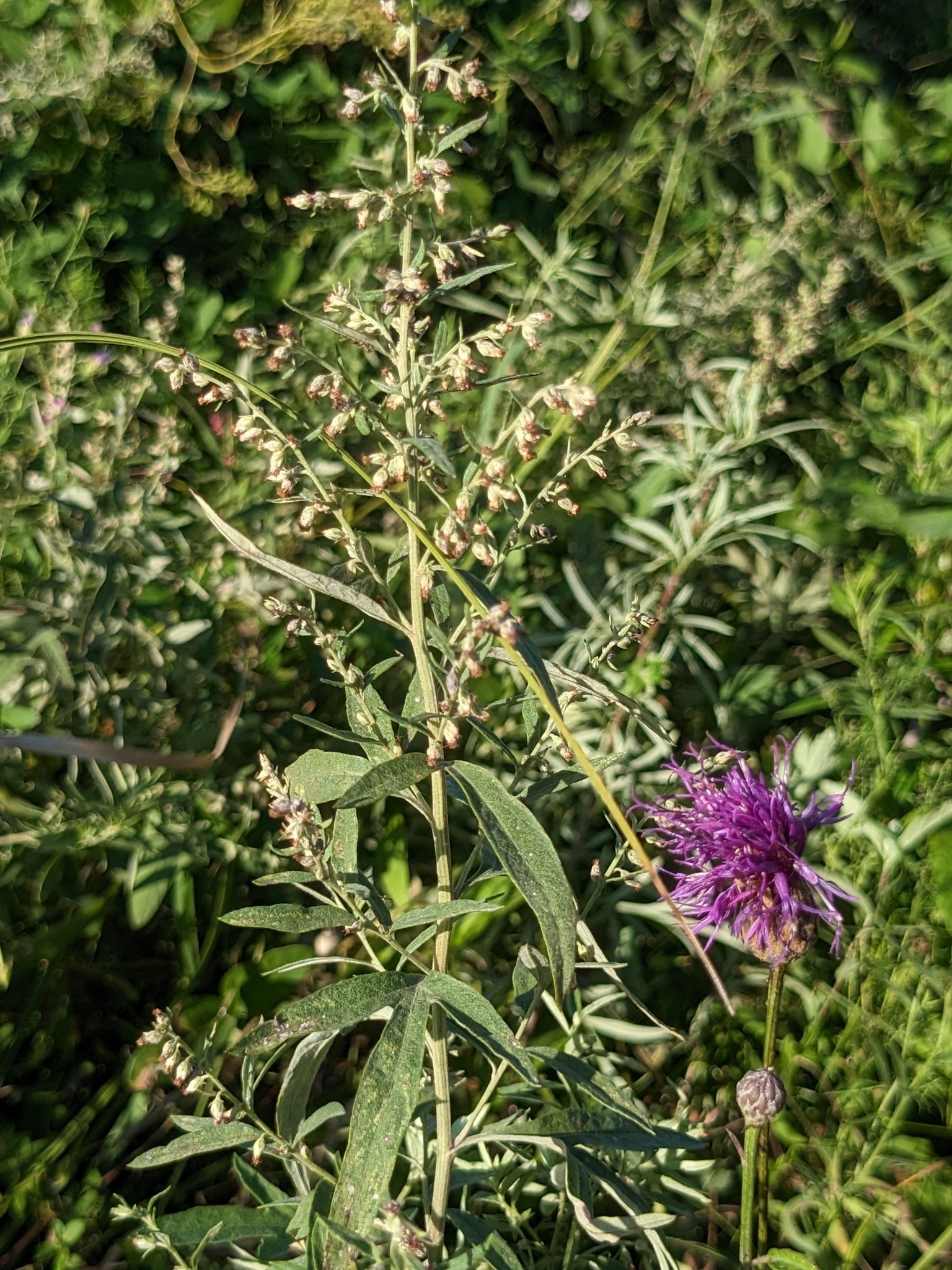
Tree Wormwood (Artemisia arborescens) is a striking shrub with silvery-grey foliage, forming a substantial aromatic presence in gardens. Adaptable and drought-tolerant.

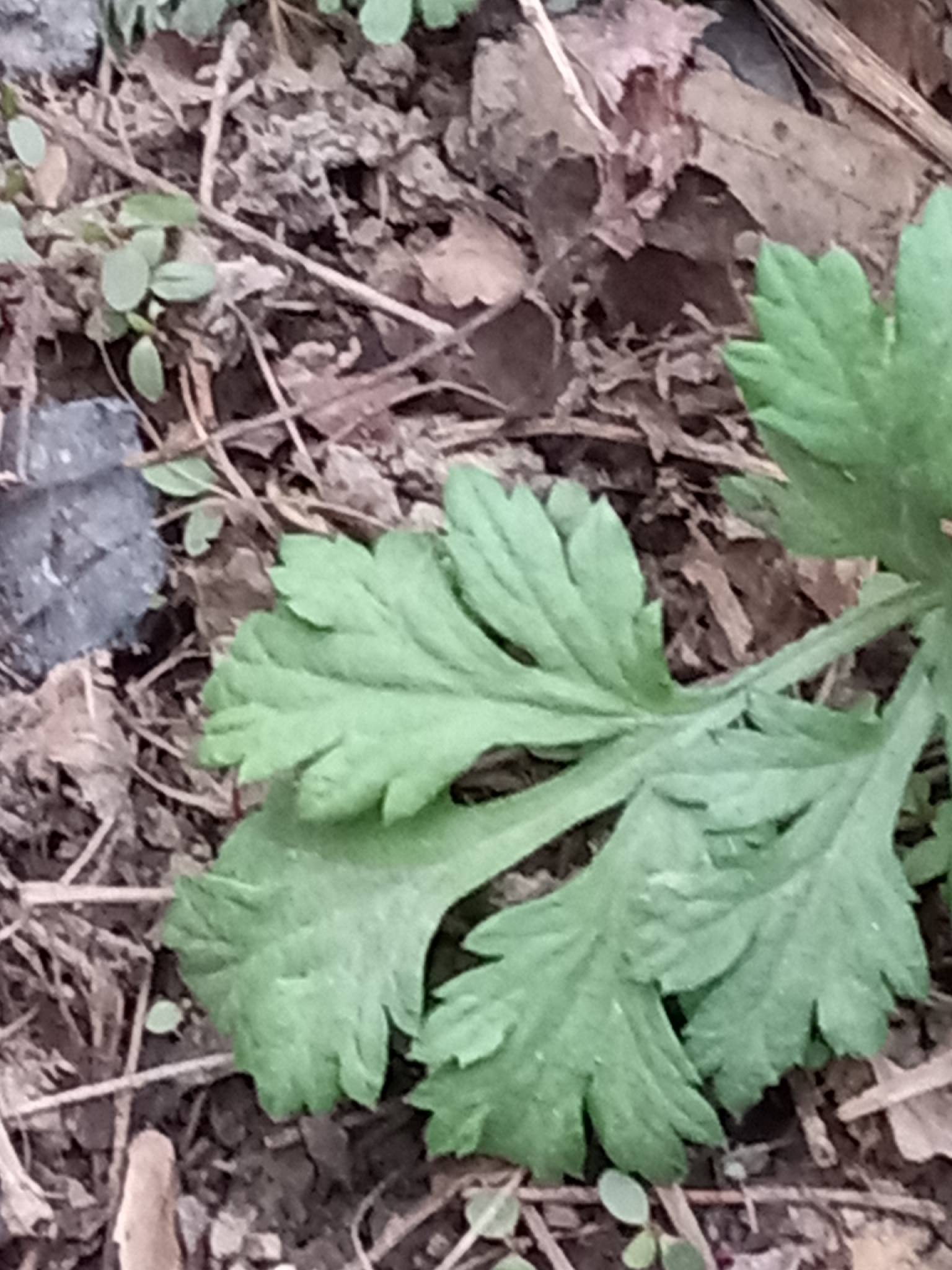
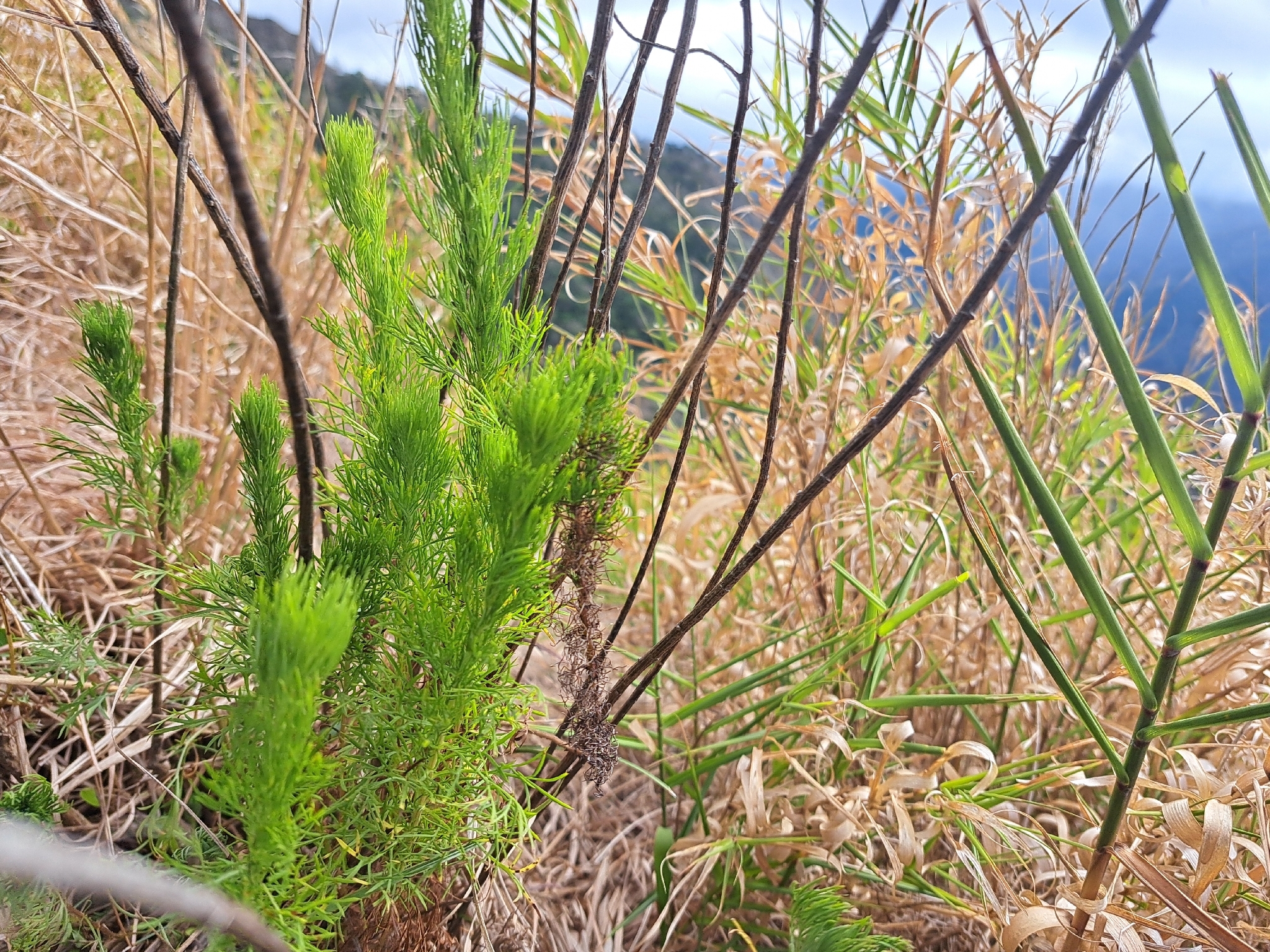
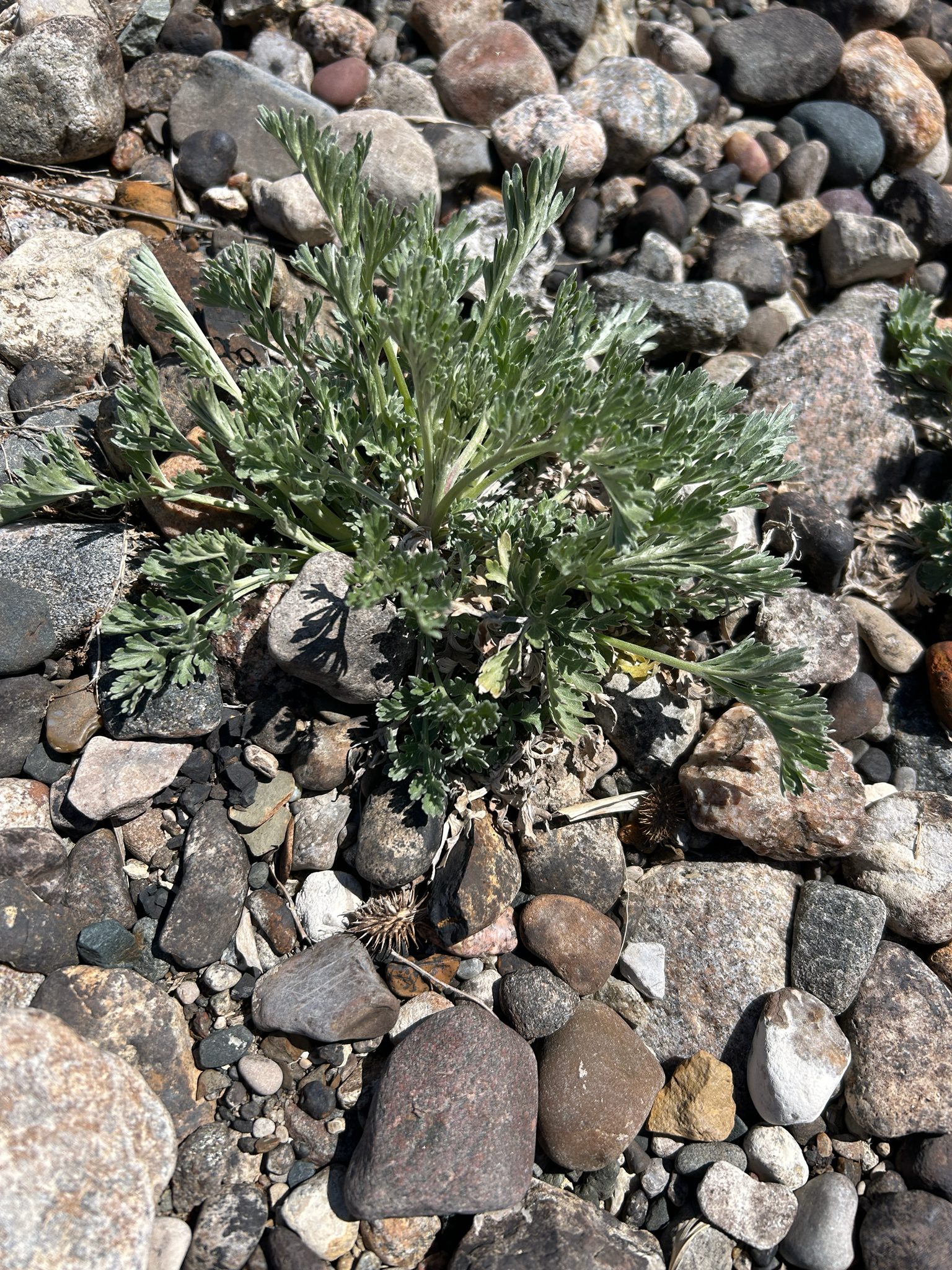
Artemisia arborescens, commonly known as Tree Wormwood, is a striking perennial shrub native to the Mediterranean region. This species is notable for its woody, shrubby habit and its aromatic foliage, characteristic of the Artemisia genus. It is a significant component of the flora in its native arid and semi-arid environments, often found in rocky or sandy soils. Physically, Artemisia arborescens typically grows into a rounded shrub reaching heights of 1 to 2 meters, with a similar spread. Its stems are woody and branched, forming a dense structure. The leaves are a defining feature, being finely divided, feathery, and silvery-green to greyish in color. This coloration is due to a dense covering of fine hairs, which helps to reduce water loss in its native, often hot and dry, climate. The leaves are aromatic when crushed, releasing a characteristic camphoraceous scent. During the summer months, Artemisia arborescens produces small, inconspicuous flowers arranged in panicles. These flowers are typically yellowish or brownish and are followed by tiny achenes, the characteristic fruit of the Asteraceae family, though they are not a prominent feature. The bark is generally greyish and somewhat rough on older stems. The native distribution of Artemisia arborescens is primarily across the Mediterranean basin, including parts of Southern Europe, North Africa, and the Middle East. It thrives in well-drained soils, preferring full sun exposure. While it is adapted to arid conditions, it can also be found in slightly more mesic habitats within its range. In cultivation, it is valued for its drought tolerance and its attractive silvery foliage, making it a popular choice for xeriscaping and Mediterranean-style gardens. It is generally hardy in temperate climates, provided it has excellent drainage, especially during winter. Artemisia arborescens has a long history of use, though specific documented applications are often intertwined with other Artemisia species. Historically, plants in the Artemisia genus have been utilized for their aromatic properties and in traditional medicine. The aromatic oils present in the leaves are thought to contribute to its insect-repellent qualities, a common characteristic within the genus. While not a primary culinary herb, its aromatic nature suggests potential, though its strong flavor profile may limit widespread culinary use. Its ornamental value lies in its silvery foliage and shrubby form, providing texture and color contrast in garden designs. An interesting adaptation of Artemisia arborescens is its ability to thrive in nutrient-poor, rocky soils. The silvery, hairy leaves are a key adaptation for survival in its native habitat, reflecting sunlight and minimizing water loss through transpiration. This resilience makes it a valuable plant for challenging garden sites where other species might struggle. The aromatic compounds produced by the plant may also serve as a defense mechanism against herbivores.

Photograph © bombusvos · CC-BY-NC

Tree Wormwood Care Summary

At-a-glance light, water, soil, and growing conditions from plant data

Light

Full Sun

100% intensity

Prefers at least 6-8 hours of direct sunlight daily.

Water

Moderate

50% intensity

Allow soil to dry between waterings.

Soil

Well-drained, sandy, loamy, or chalky

50% intensity

Temperature

Adaptable

50% intensity

Prefers warm conditions but tolerates moderate cold.

Fertilizer

Low

25% intensity

Minimal feeding required.

Tree Wormwood Toxicity

Safety information from plant toxicity data

Toxicity details for Tree Wormwood
AttributeValue
Toxic for humansYes

3/5 intensity

Toxic for petsYes

3/5 intensity

EdibleNo

Contains thujone, which can be toxic in large amounts. Ingestion can cause gastrointestinal upset, nausea, vomiting, and in severe cases, convulsions and central nervous system effects.

Tree Wormwood Quick Facts

Key traits and growing stats from plant data

Plant Type
Shrub
Plant Category
Ornamental
Plant Place Type
Garden, Pot
Lifespan
Perennial
Plant Height
1.0-2.5 m
Spread
1.0-1.5 m
Growth Rate
Moderate
Dormancy
Evergreen
Leaf Color
Green, Silver, Gray
Leaf Type
Serrate
Flower Size
Small
Optimal Sunlight Lux
60000

Care guide for Tree Wormwood

Watering, pruning, propagation, and repotting details from plant data

Water

Artemisia arborescens prefers well-drained soil and is drought-tolerant once established. Water thoroughly when the top 2-3 cm of soil feels dry. Avoid overwatering, as this can lead to root rot.

Reduce watering significantly during winter dormancy.

Pruning

Prune Tree Wormwood in early spring to shape the plant and remove any dead or damaged wood. Cut back by about one-third to encourage bushier growth.

Lightly trim throughout the growing season to maintain its desired form and remove spent flowers.

Propagation

Propagation is easily done by softwood cuttings taken in late spring or early summer. Roots readily in moist, well-drained potting mix. Can also be propagated by division of established clumps in spring.

Repotting

Repot young plants annually or as needed when root-bound, typically in spring. Mature plants can remain in their pots for several years.

Use a well-draining potting mix and choose a pot only slightly larger than the current one.

Identify plants like this with ePlant

Snap a photo to get care tips and match similar species on the go.

Try for Free

Flowering & Fruiting Cycles

Monthly activity intensity for bloom and fruit across both hemispheres.

Northern hemisphere

Flowering & fruiting calendar

Peak bloom · JulPeak fruit · Aug
FloweringFruiting
02468JanFebMarAprMayJunJulAugSepOctNovDecActivity intensityMonths109
Southern hemisphere

Flowering & fruiting calendar

Peak bloom · MayPeak fruit · Jun
FloweringFruiting
02468JanFebMarAprMayJunJulAugSepOctNovDecActivity intensityMonths109

Tree Wormwood Names & Synonyms

Common names and botanical synonyms

Common Names

  • Hedge Artemisia
  • Shrubby Mugwort
  • Shrubby Wormwood
  • Tree Wormwood

Synonyms

  • Absinthium arborescens (L.) Moench
  • Absinthium argenteum Besser

Tree Wormwood Taxonomy

Botanical classification

Taxonomic classification of Tree Wormwood
RankName
kingdomPlantae
divisionTracheophyta
classMagnoliopsida
orderAsterales
familyAsteraceae
genusArtemisia
speciesArtemisia arborescens

Tree Wormwood FAQs

Answers based on plant encyclopedia data

How much sun does Tree Wormwood need?

Tree Wormwood thrives in full sun, requiring at least 6 hours of direct sunlight per day for optimal growth and form.

What kind of soil is best for Artemisia arborescens?

This plant prefers well-drained soil. It tolerates a range of soil types but dislikes waterlogged conditions.

Is Tree Wormwood drought tolerant?

Yes, once established, Artemisia arborescens is highly drought tolerant and requires minimal watering.

How should I prune Tree Wormwood?

Prune in early spring to shape the plant and remove any dead or damaged wood. Light trimming can be done after flowering to maintain a tidy appearance.

Can Tree Wormwood be grown in containers?

Yes, Tree Wormwood can be successfully grown in containers, provided they have good drainage and are placed in a sunny location.