Water
Water regularly, especially during establishment and dry periods. Siberian elm prefers consistently moist soil but can tolerate brief periods of drought once mature.
Avoid waterlogged conditions, which can lead to root rot.
Also known as Chinese Elm · Dwarf Asiatic Elm · Dwarf Elm
Siberian elm (Ulmus pumila) is a fast-growing, adaptable deciduous tree known for its drought tolerance and ability to thrive in poor soils.
At-a-glance light, water, soil, and growing conditions from plant data
Full Sun
100% intensity
Thrives in full sun, requiring at least 6-8 hours of direct sunlight per day for optimal growth and health.
Moderate
50% intensity
Keep soil consistently moist, especially when young. Allow the top inch of soil to dry out slightly between waterings.
Adaptable
50% intensity
Very Hardy
0% intensity
Extremely cold-hardy, tolerating harsh winter conditions. Also adaptable to warm summer temperatures.
Low
25% intensity
Benefits from a light feeding of balanced fertilizer in spring. Generally not a heavy feeder.
Safety information from plant toxicity data
| Attribute | Value |
|---|---|
| Toxic for humans | No 0/5 intensity |
| Toxic for pets | No 0/5 intensity |
| Edible | No |
None
Key traits and growing stats from plant data
Watering, pruning, propagation, and repotting details from plant data
Water regularly, especially during establishment and dry periods. Siberian elm prefers consistently moist soil but can tolerate brief periods of drought once mature.
Avoid waterlogged conditions, which can lead to root rot.
Prune to shape the tree, remove dead or damaged branches, and improve air circulation. Siberian elm responds well to pruning and can be maintained as a specimen tree or hedge.
Prune in late winter or early spring before bud break.
Siberian elm is easily propagated from seeds sown in fall or spring. It can also be propagated from semi-hardwood cuttings taken in summer. Grafting is another method for specific cultivars.
Young Siberian elms benefit from repotting every 1-2 years to refresh the soil and check root health. Mature trees generally do not require frequent repotting. Repot in early spring before active growth begins.
Identify plants like this with ePlant AI
Snap a photo to get care tips and match similar species on the go.
Monthly activity intensity for bloom and fruit across both hemispheres.
Flowering & fruiting calendar
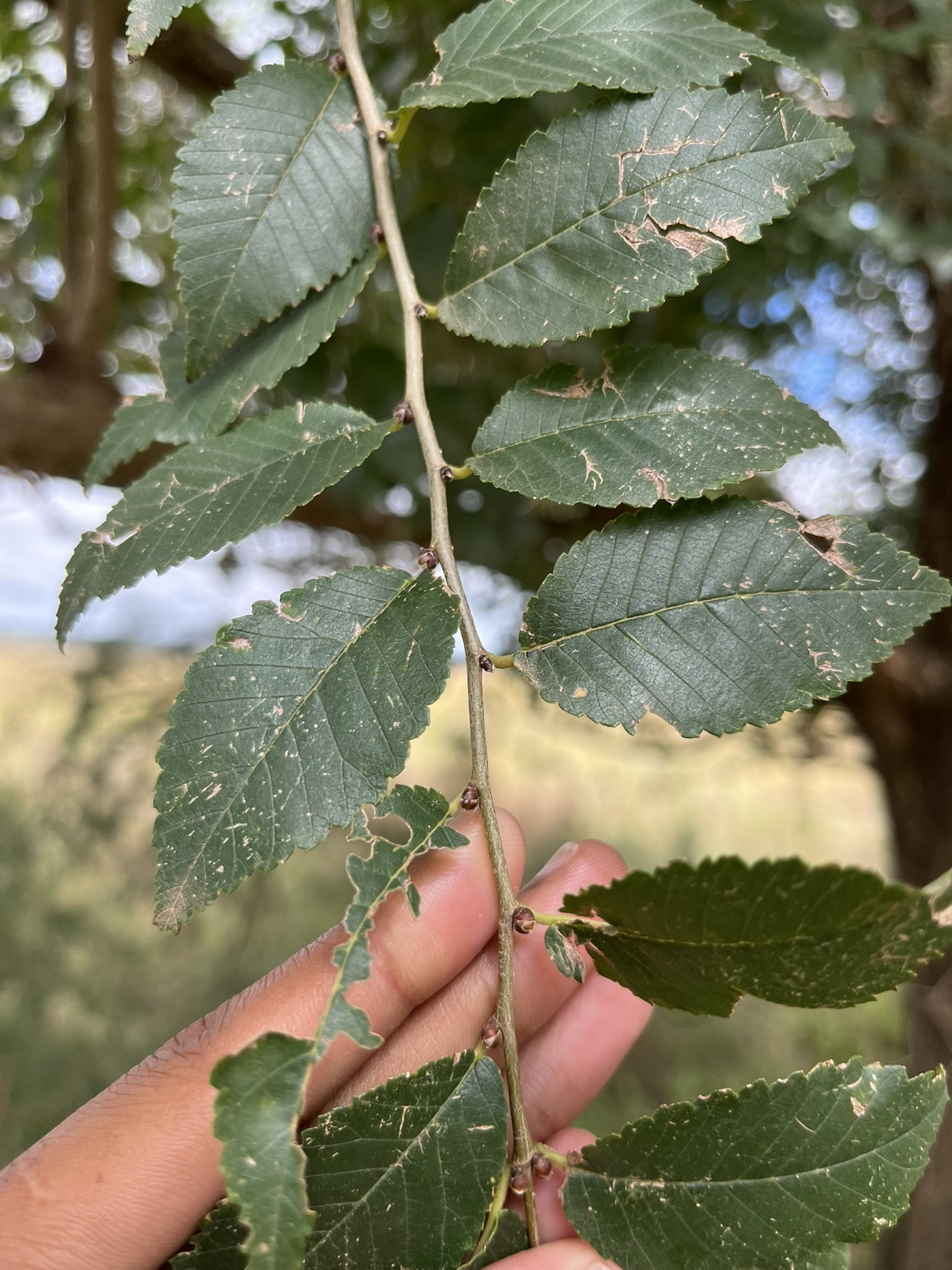
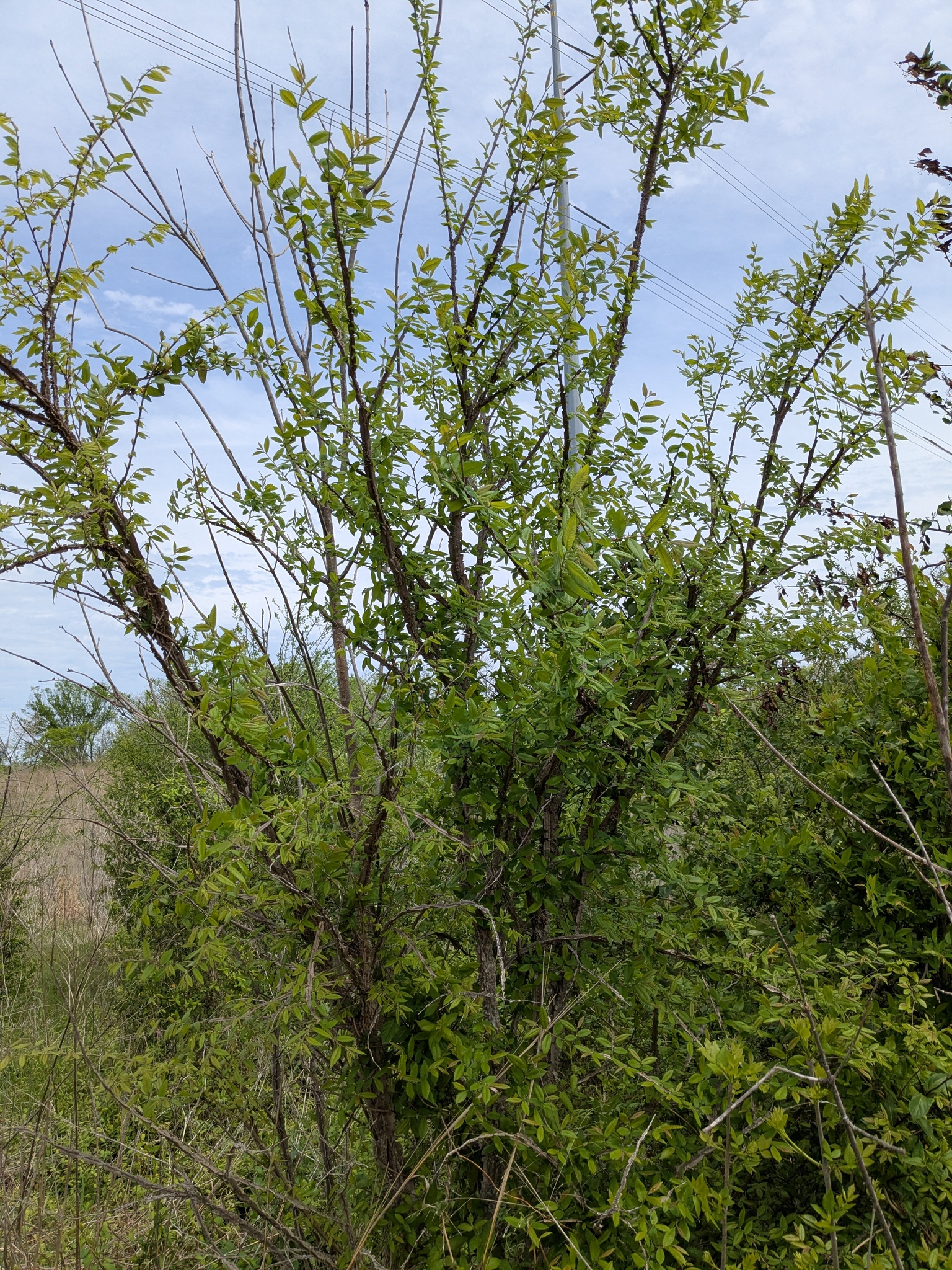
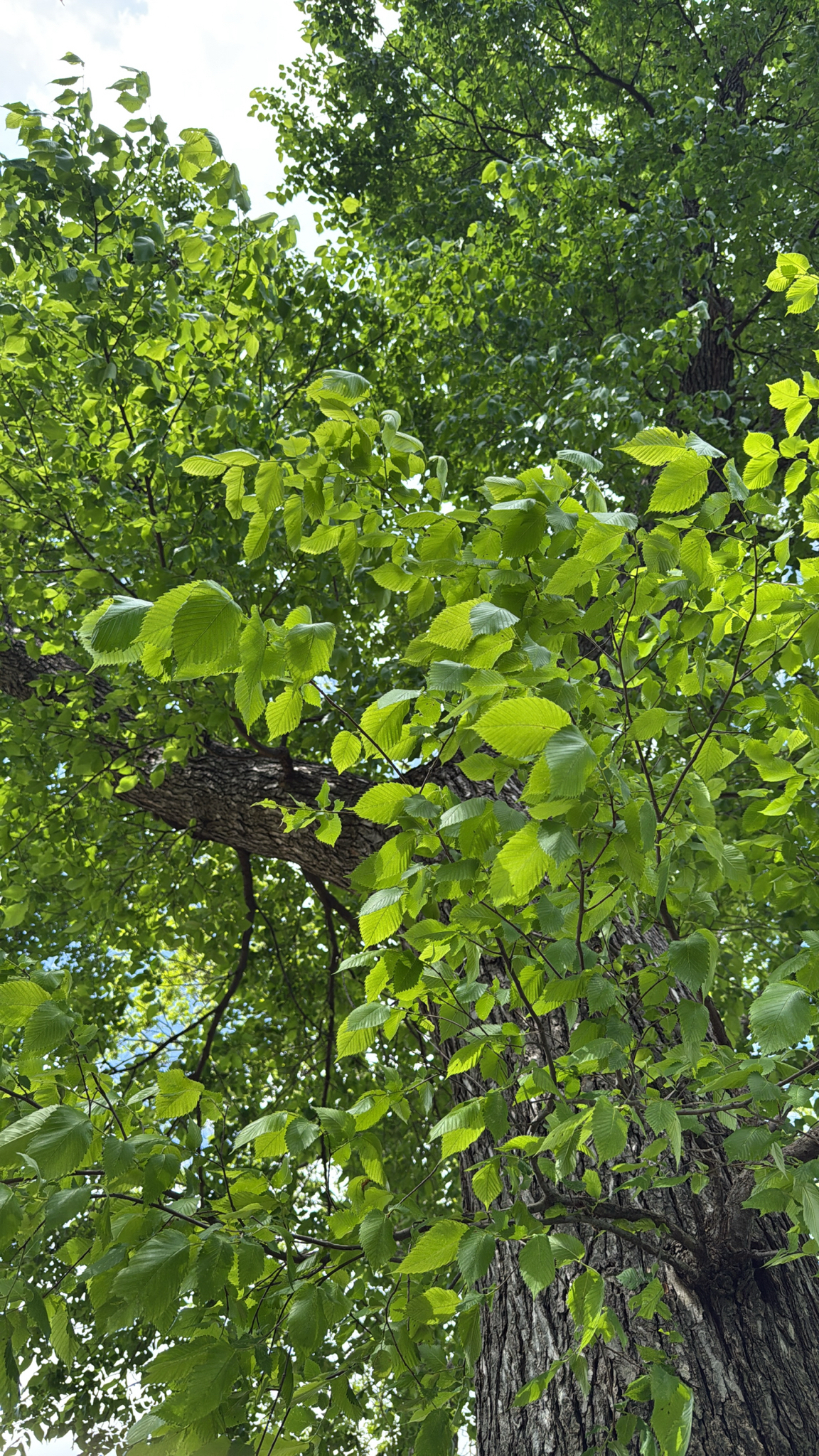
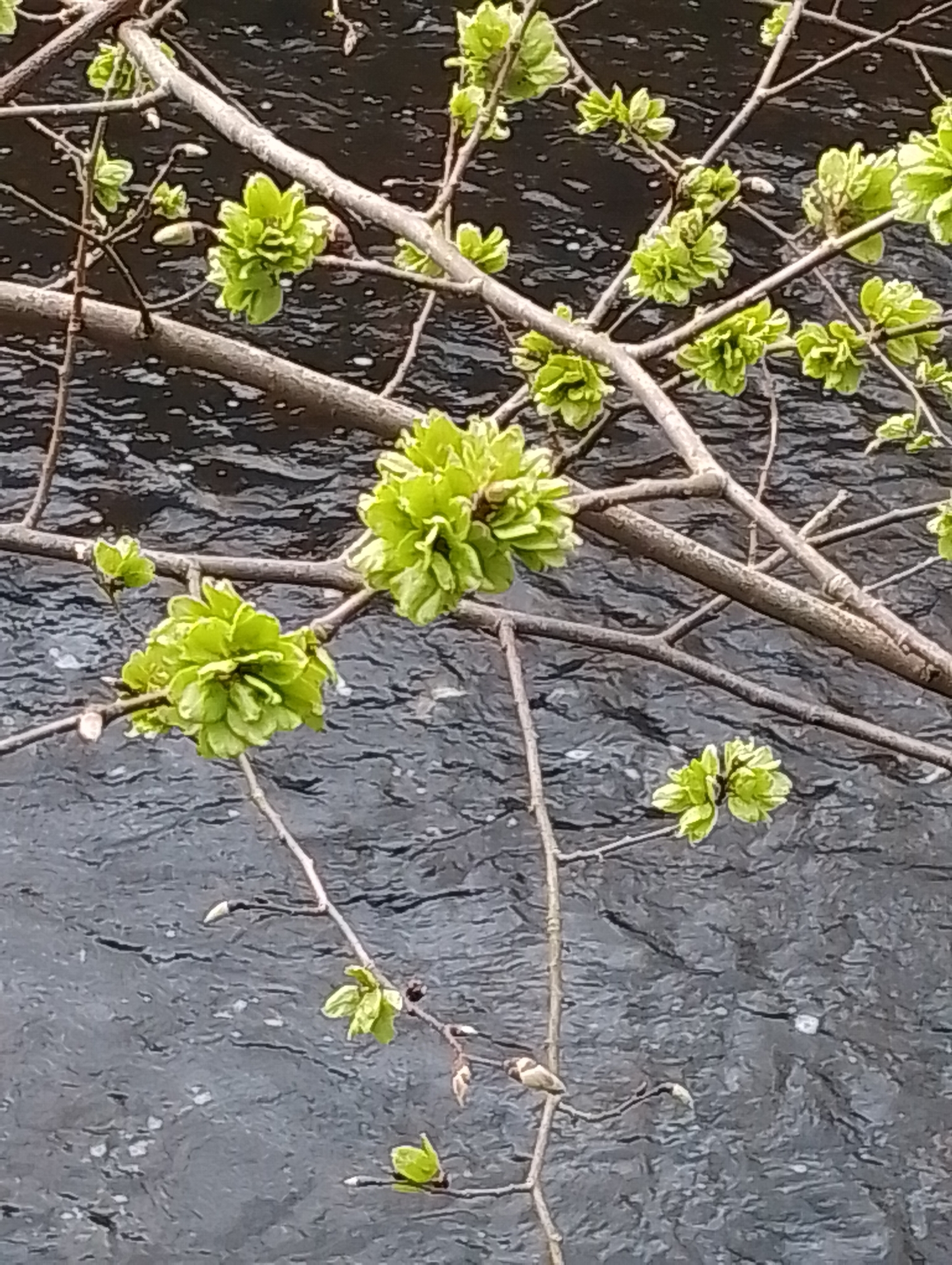
Photos of Siberian Elm (Ulmus pumila)
Where Siberian Elm (Ulmus pumila) is found

Density
Tap map to explore
Common names and botanical synonyms
Botanical classification
| Rank | Name |
|---|---|
| Kingdom | Plantae |
| Division | Tracheophyta |
| Class | Magnoliopsida |
| Order | Rosales |
| Family | Ulmaceae |
| Genus | Ulmus |
| Species | Ulmus pumila |
Similar in genus Ulmus
Answers based on plant encyclopedia data