Skip to plant details

Silky DogwoodCornus amomum

Also known as Kinnikinnik · Red-Willow · Silky Cornel

  • Category: Ornamental
  • Type: Shrub
  • Sunlight: Full Sun to Partial Shade
  • Water: Consistent Moisture Recommended
  • Temperature: Hardy

Silky Dogwood (Cornus amomum) is a multi-stemmed shrub native to eastern North America, prized for its attractive white flowers and blue fruit.

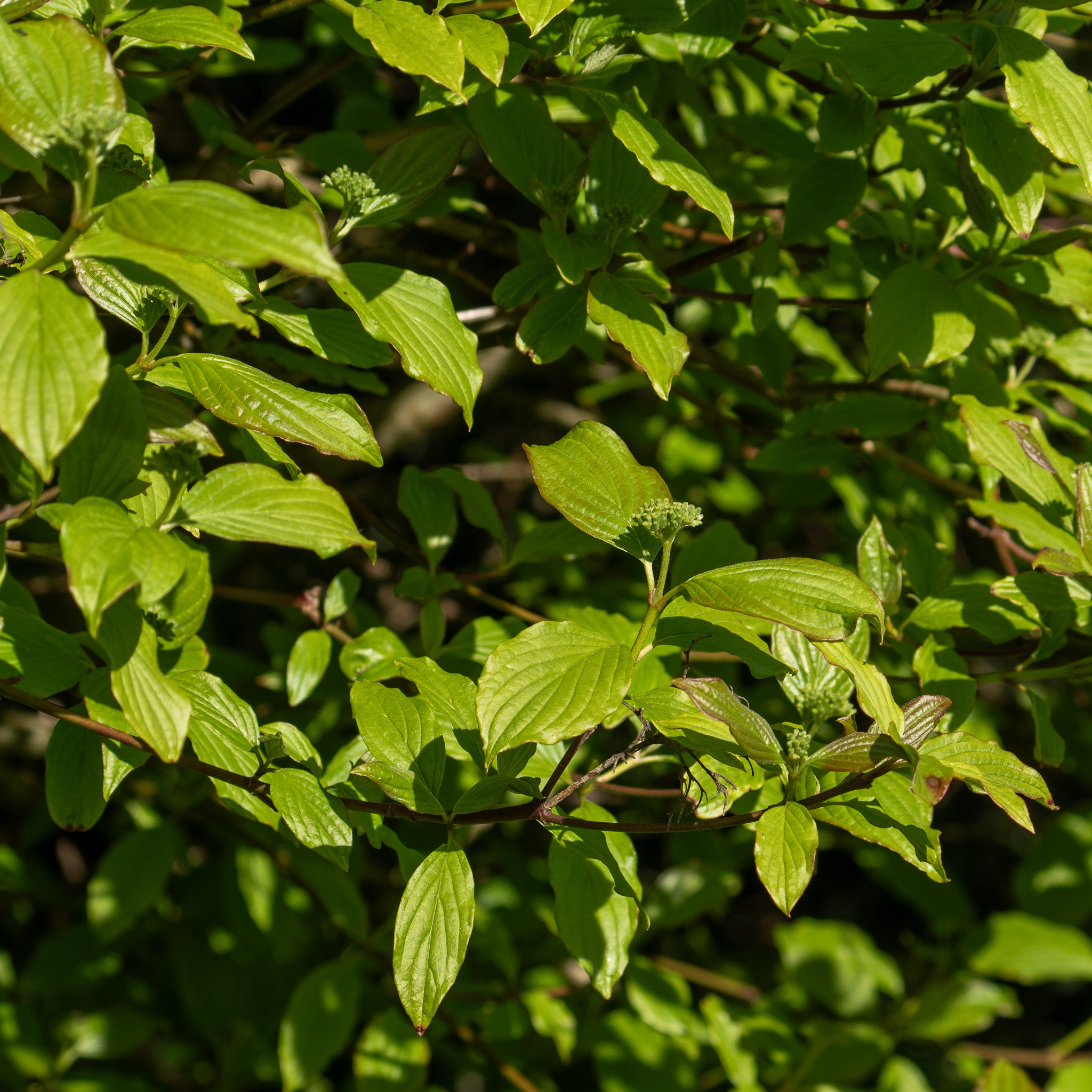
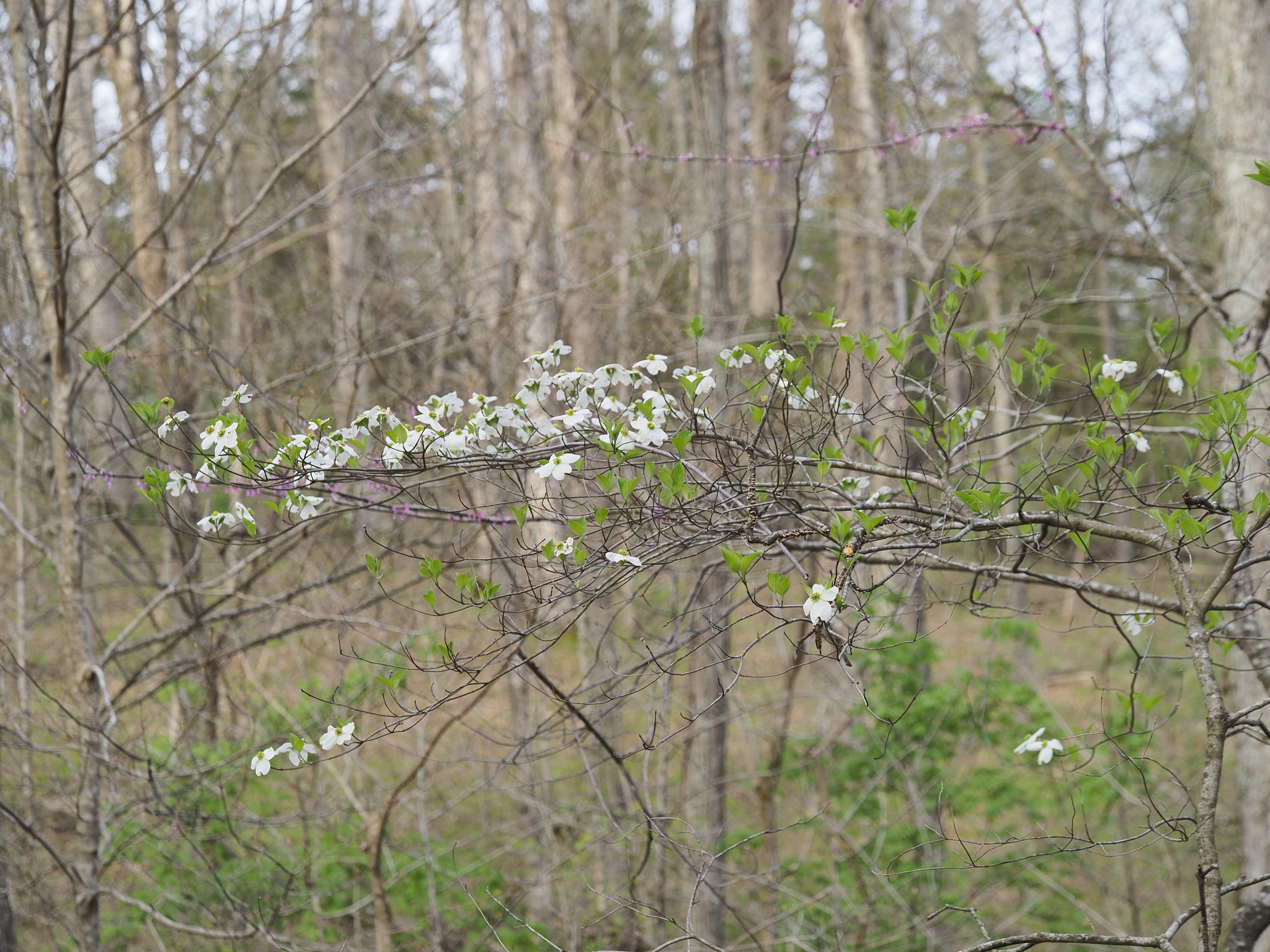
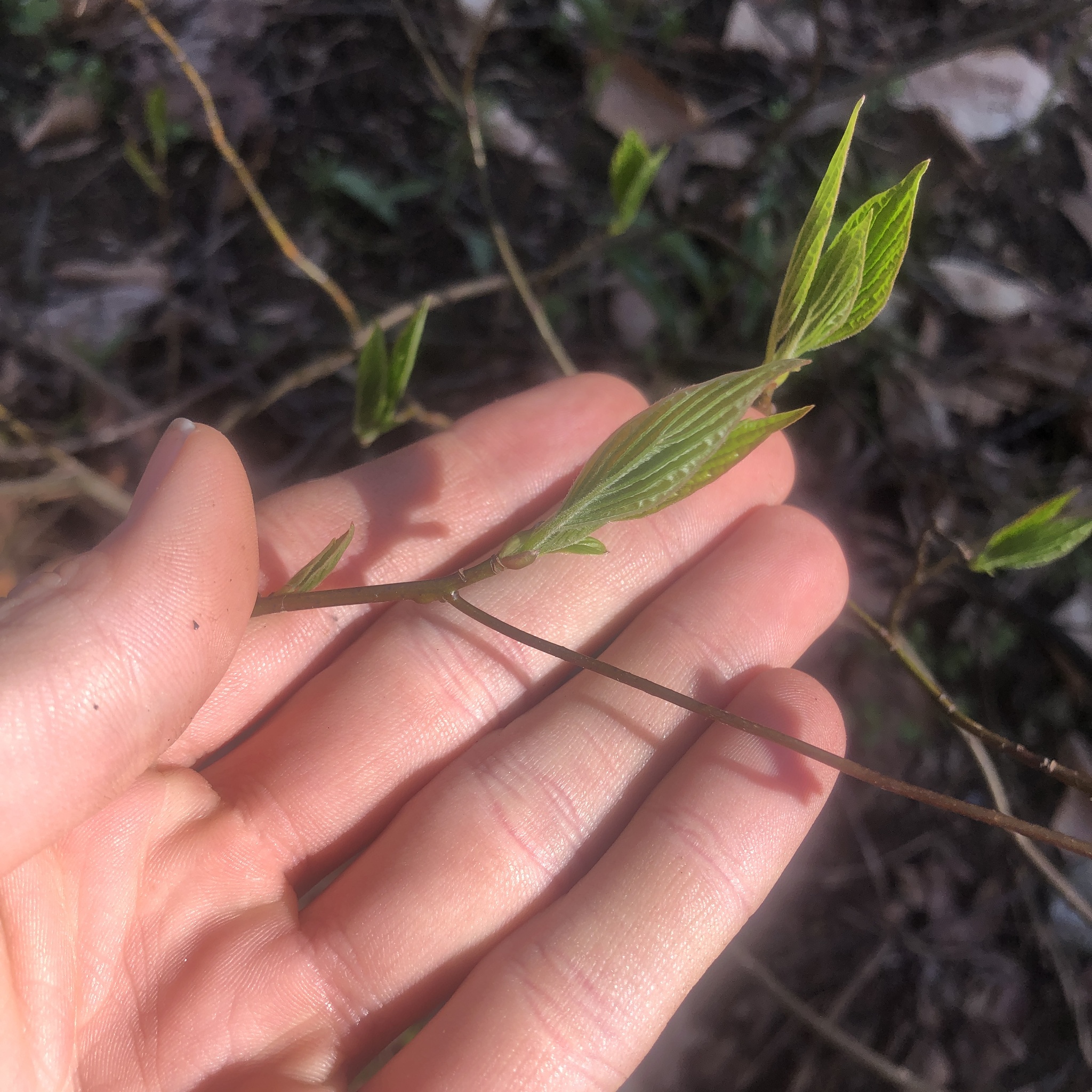
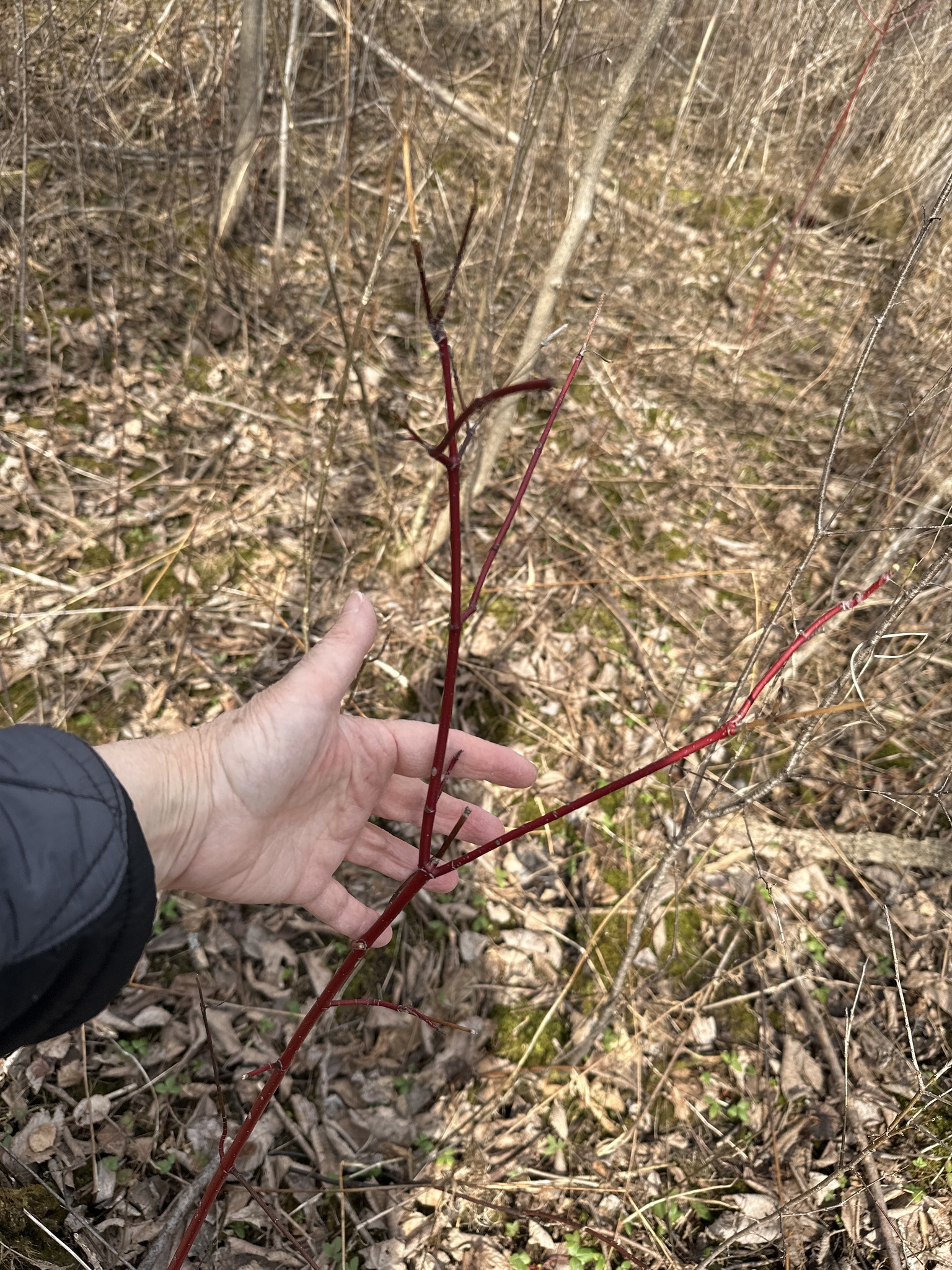
Cornus amomum, commonly known as silky dogwood, is a deciduous shrub native to eastern North America, valued for its attractive foliage, seasonal blooms, and ornamental fruits. This species is a member of the Cornaceae family, a group of plants recognized for their distinctive flower and fruit structures. Silky dogwood plays a role in its native ecosystems, providing habitat and food for wildlife. This shrub typically grows to a height of 6 to 12 feet, often forming a dense, multi-stemmed thicket. Its growth habit is spreading, with arching branches that can give it a somewhat graceful appearance. The leaves are opposite, simple, and ovate to elliptical in shape, measuring about 2 to 5 inches long. They are typically dark green on the upper surface and paler, often with a silky pubescence, on the underside, which contributes to the common name. In autumn, the foliage often transforms into attractive shades of reddish-purple. The flowers of Cornus amomum are small and borne in flat-topped clusters, or cymes, typically appearing in late spring to early summer. Each individual flower is creamy white and has four petals. Following the bloom, the plant produces clusters of drupes, which are small, berry-like fruits. These fruits are initially greenish-white, maturing to a striking bluish-white or sometimes purplish-blue color by late summer or early autumn. The bark is generally dark brown to reddish-brown and can be smooth on younger stems, becoming more furrowed with age. Silky dogwood thrives in a variety of light conditions, from full sun to partial shade, and prefers moist, well-drained soils. It is adaptable to a range of soil types, including those that are somewhat wet, making it suitable for riparian areas and low-lying sites. Its native range extends across much of the eastern United States and southeastern Canada, where it is commonly found in woodlands, along stream banks, in swamps, and in moist thickets. The bluish fruits of Cornus amomum are an important food source for various bird species, including thrushes, waxwings, and woodpeckers, as well as small mammals. This ecological role makes it a valuable component of wildlife gardens and naturalized landscapes. While not typically cultivated for culinary purposes, its ornamental appeal lies in its layered branching, attractive summer flowers, and particularly its vibrant blue fruits that contrast beautifully with the autumn foliage. The plant's adaptability and resilience also contribute to its horticultural value, making it a reliable choice for naturalistic plantings and erosion control in moist areas.

Photograph © Anita · CC-BY-NC

Silky Dogwood Care Summary

At-a-glance light, water, soil, and growing conditions from plant data

Light

Full Sun to Partial Shade

50% intensity

Thrives in full sun but tolerates partial shade. More sun generally means better flowering and fruit production.

Water

Consistent Moisture Recommended

75% intensity

Prefers consistently moist, well-drained soil. Water deeply during drought.

Soil

Loam, Clay, Sand, Moist, Well-drained

50% intensity

Temperature

Hardy

25% intensity

Adaptable to a wide range of temperatures. Extremely cold-hardy once established.

Fertilizer

Low Requirement

25% intensity

Generally does not require supplemental fertilization. Use balanced fertilizer sparingly if soil is poor.

Silky Dogwood Toxicity

Safety information from plant toxicity data

Toxicity details for Silky Dogwood
AttributeValue
Toxic for humansNo

0/5 intensity

Toxic for petsNo

0/5 intensity

None

Silky Dogwood Quick Facts

Key traits and growing stats from plant data

Plant Type
Shrub
Plant Category
Ornamental
Plant Place Type
Garden
Lifespan
Perennial
Plant Height
1.5-3 meters
Spread
1.5-3 meters
Growth Rate
Moderate
Dormancy
Yes
Leaf Color
Green
Leaf Type
Simple
Flower Size
0.5-1 cm
Optimal Sunlight Lux
60000

Care guide for Silky Dogwood

Watering, pruning, propagation, and repotting details from plant data

Water

Silky Dogwood thrives in consistently moist soil. Water deeply and regularly, especially during dry spells and the first year after planting. Avoid waterlogged conditions, as this can lead to root rot.
Check soil moisture by inserting a finger a few inches down; water when the top layer feels dry.

Pruning

Prune Silky Dogwood in late winter or early spring before new growth begins. Remove dead, damaged, or crossing branches.

To maintain shape and encourage vigorous new growth for better flower and fruit display, consider thinning out older, less productive stems at the base. It responds well to rejuvenation pruning.

Propagation

Propagation is best achieved through softwood cuttings taken in late spring or early summer, or semi-hardwood cuttings in mid-summer. Root cuttings can also be taken in late winter.

Using rooting hormone can improve success rates. Seeds require a period of cold stratification before sowing to break dormancy.

Repotting

Repotting is rarely necessary for established landscape specimens as Silky Dogwood is a large shrub. If grown in a container, repot every 2-3 years in early spring before new growth emerges.

Use a well-draining potting mix and a slightly larger container to accommodate root growth.

Identify plants like this with ePlant

Snap a photo to get care tips and match similar species on the go.

Try for Free

Flowering & Fruiting Cycles

Monthly activity intensity for bloom and fruit across both hemispheres.

Northern hemisphere

Flowering & fruiting calendar

Peak bloom · MayPeak fruit · Aug
FloweringFruiting
02468JanFebMarAprMayJunJulAugSepOctNovDecActivity intensityMonths89
Southern hemisphere

Flowering & fruiting calendar

Peak bloom · OctPeak fruit · Apr
FloweringFruiting
02468JanFebMarAprMayJunJulAugSepOctNovDecActivity intensityMonths89

Silky Dogwood Names & Synonyms

Common names and botanical synonyms

Common Names

  • Kinnikinnik
  • Red-Willow
  • Silky Cornel
  • Silky Dogwood

Synonyms

  • Cornus atrata Raf.
  • Cornus coerulea Lam.
  • Cornus cyanocarpus Moench
  • Cornus ferruginea Lam.
  • Cornus ferulacea Jacq. ex Roem. & Schult.
  • Cornus ferulifolia Nocca
  • Cornus ignorata K.Koch
  • Cornus lanuginosa Michx.
  • Cornus mexicana Carrière
  • Cornus minor Steud.
  • Cornus oblongifolia Raf. ex DC.
  • Cornus polygama Raf.
  • Cornus rubiginosa Ehrh.
  • Swida amomum (Mill.) Small
  • Thelycrania amomum (Mill.) Pojark.

Silky Dogwood Taxonomy

Botanical classification

Taxonomic classification of Silky Dogwood
RankName
kingdomPlantae
divisionTracheophyta
classMagnoliopsida
orderCornales
familyCornaceae
genusCornus
speciesCornus amomum

Silky Dogwood FAQs

Answers based on plant encyclopedia data

What are the preferred growing conditions for Silky Dogwood?

Silky Dogwood thrives in full sun to partial shade and prefers moist, well-drained soils. It is adaptable to a range of soil types but performs best in consistently damp conditions.

When does Silky Dogwood bloom?

Silky Dogwood typically blooms in late spring to early summer, producing clusters of small, creamy-white flowers.

What is the mature size of Cornus amomum?

Cornus amomum usually grows to a height of 1.5 to 3 meters (5 to 10 feet) with a similar spread, forming a dense, multi-stemmed shrub.

Are the fruits of Silky Dogwood edible?

The blue drupes are technically edible but are often described as insipid or bitter by humans. They are a valuable food source for many bird species.

How should Silky Dogwood be pruned?

Pruning is best done in late winter or early spring before new growth begins. Remove dead, damaged, or crossing branches to maintain plant health and shape. Older, less productive stems can be cut back to the ground to encourage new growth.