Skip to plant details

Slender BrakePteris ensiformis

Also known as Pteris Fern · Slender Bracken · Sword Brake

  • Category: Ornamental
  • Type: Fern
  • Sunlight: Bright, indirect light
  • Water: Keep consistently moist
  • Temperature: Average room temperature

Slender Brake (Pteris ensiformis) is an elegant, adaptable fern with decorative fronds, ideal for adding lush greenery to indoor spaces and shaded gardens.

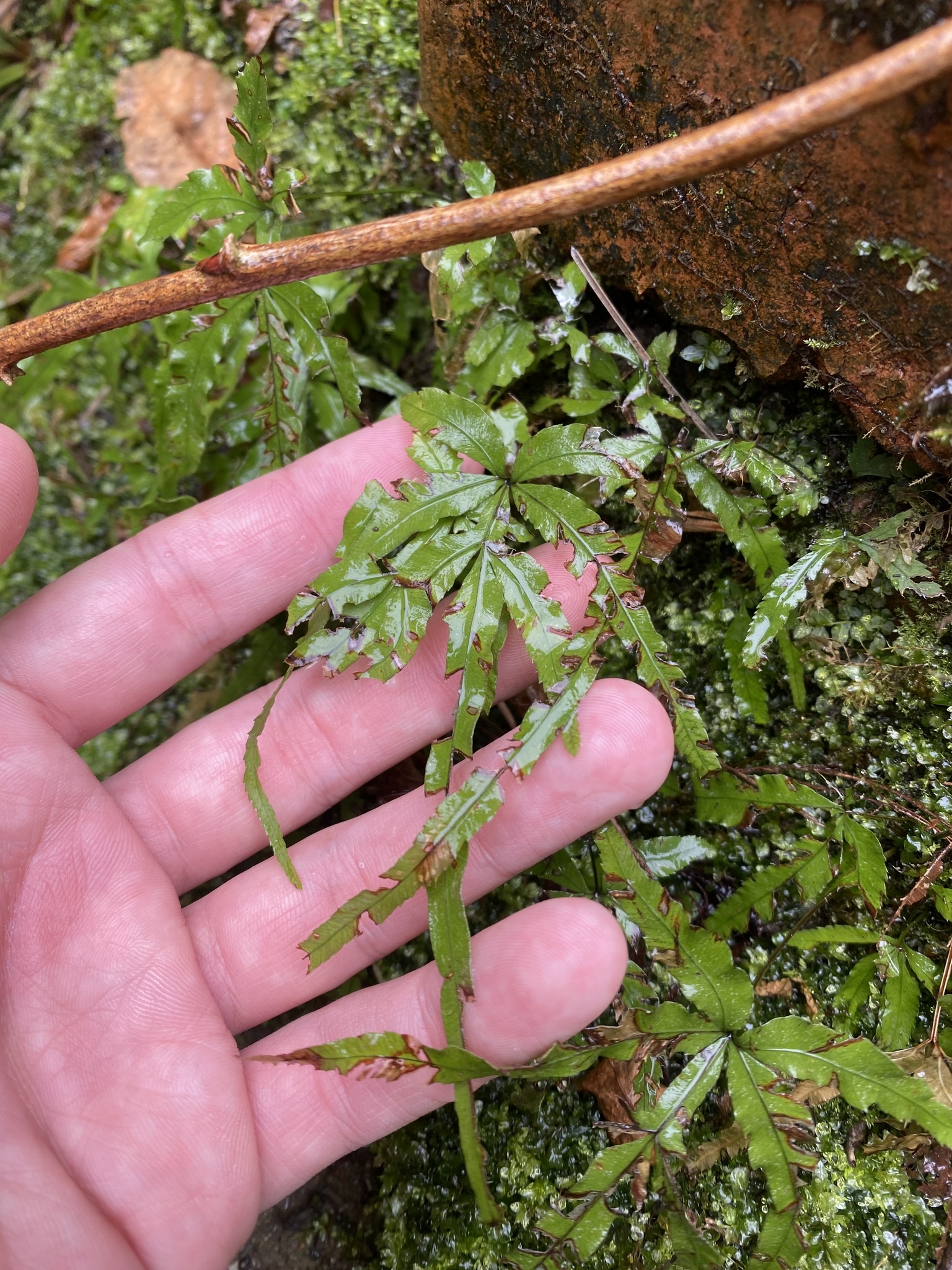
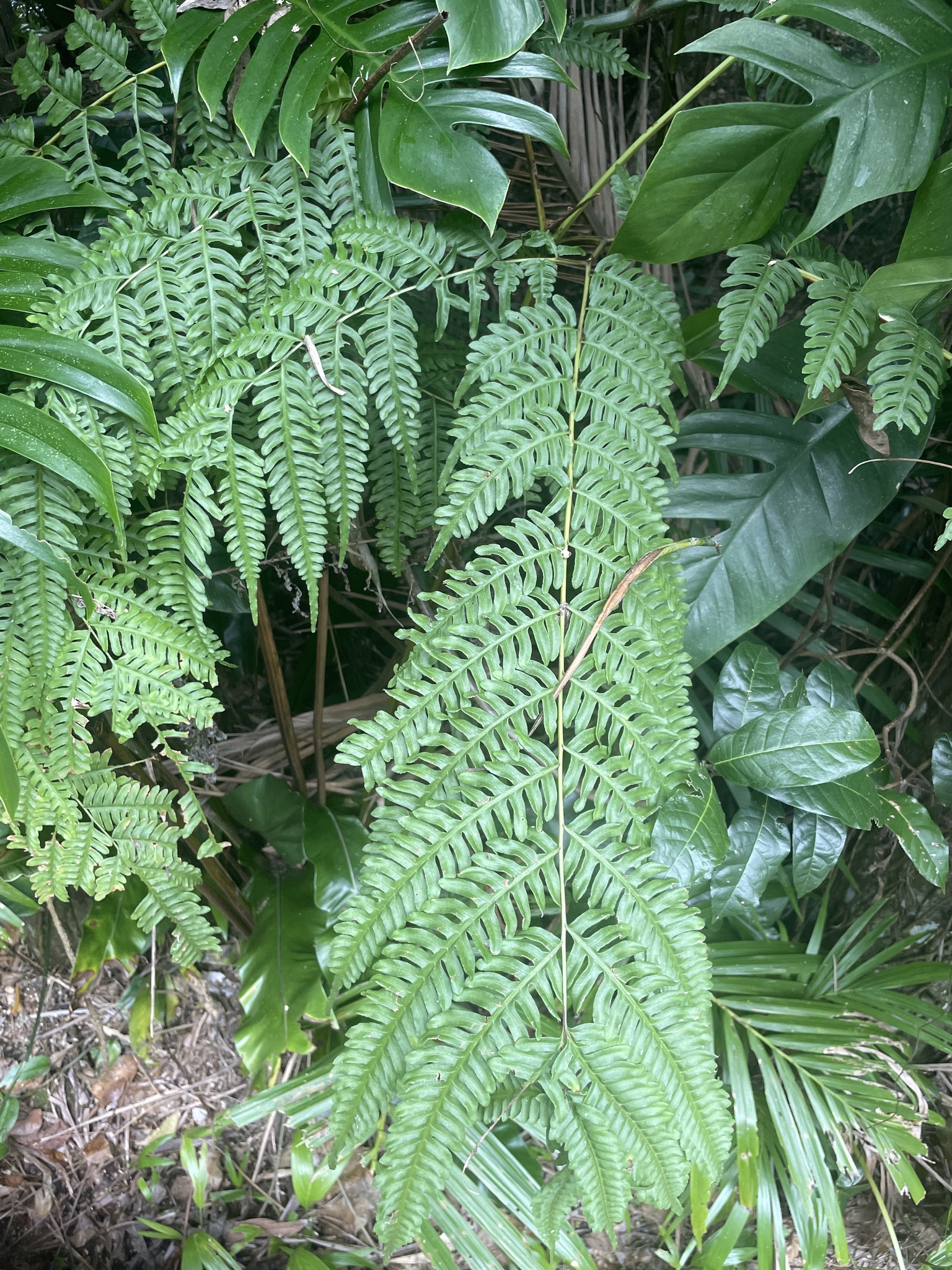
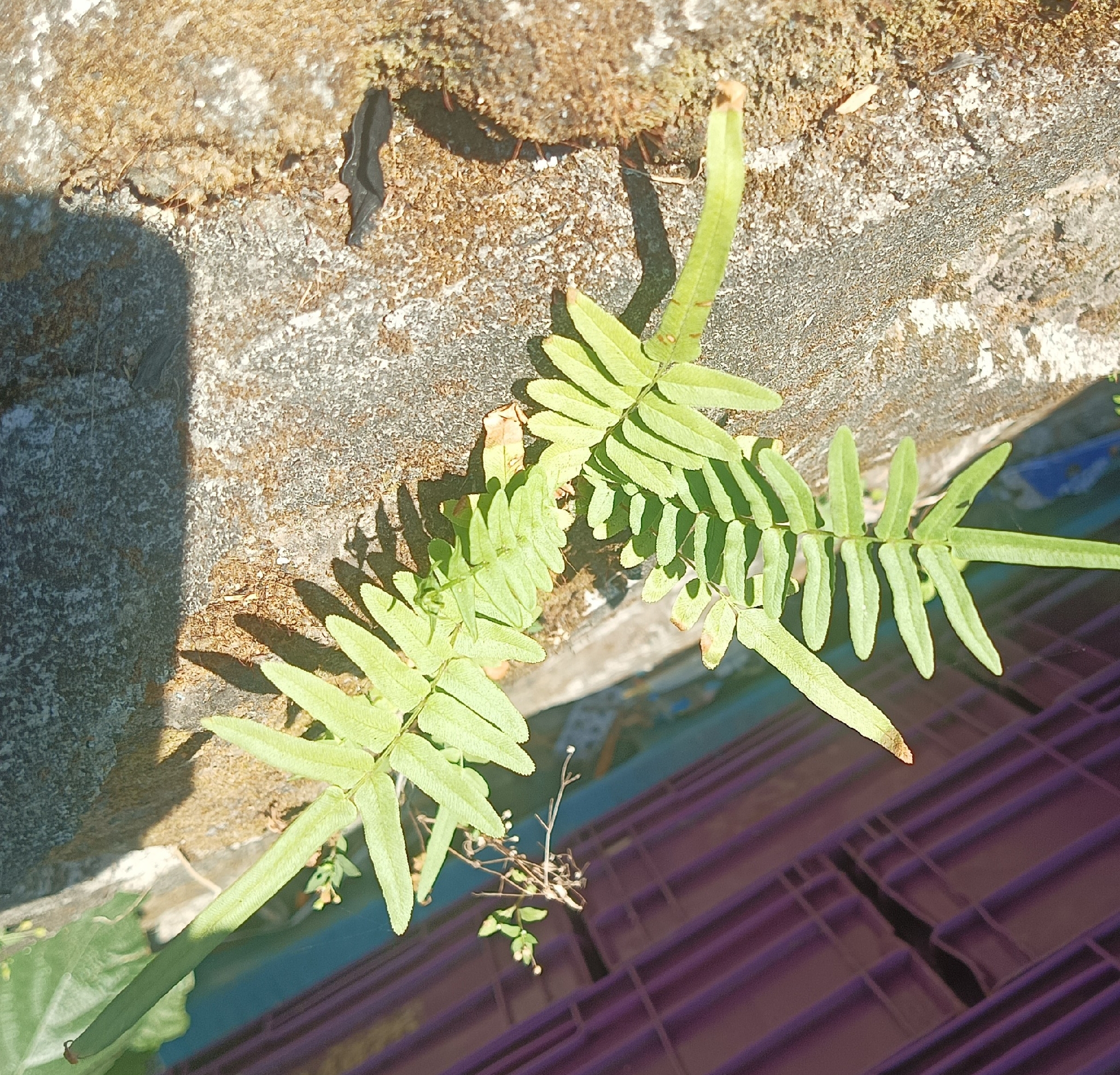
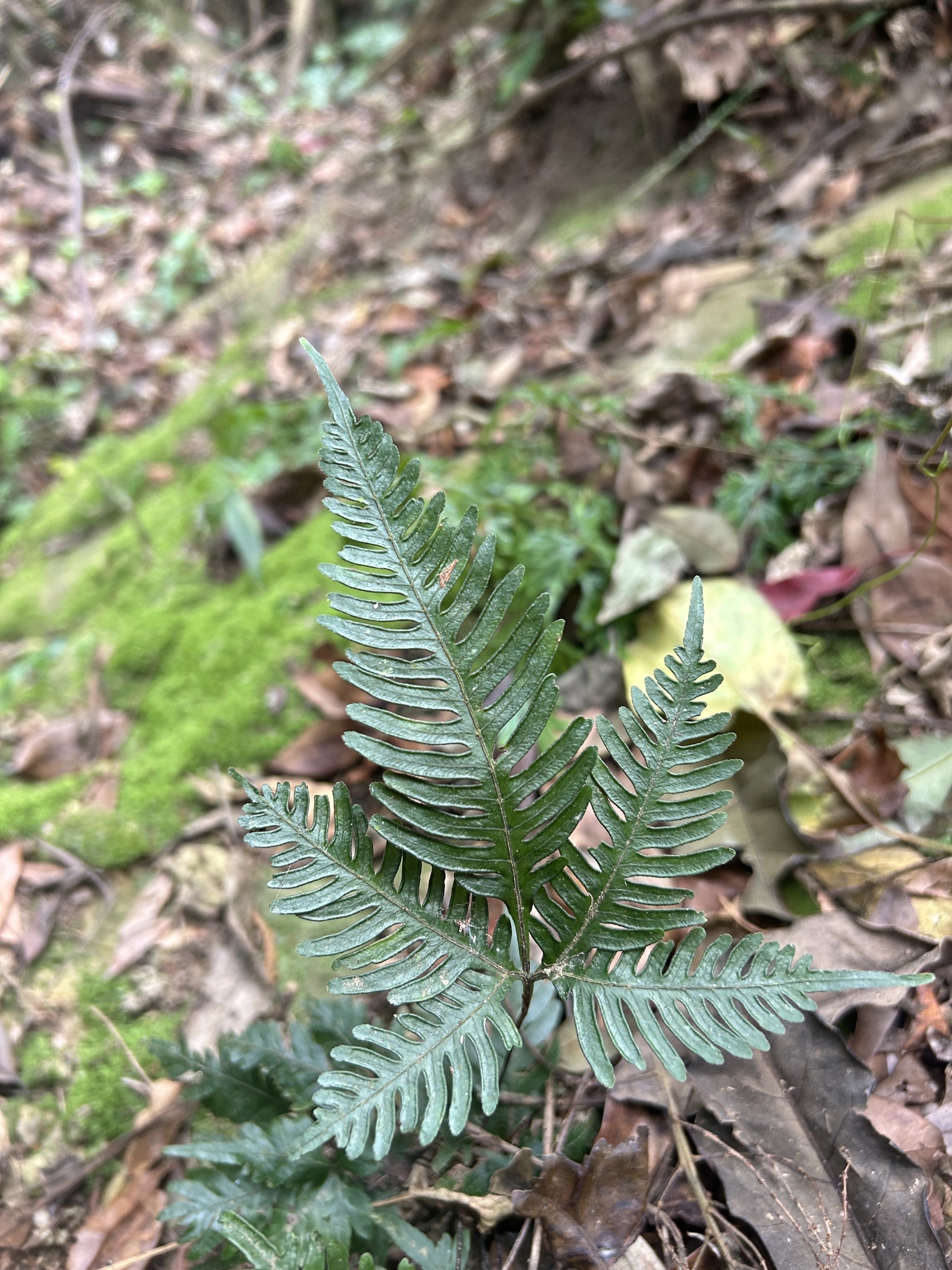
Pteris ensiformis, commonly known as the Slender Brake, is a species of fern that holds a notable place in both natural ecosystems and horticultural collections. This elegant fern is recognized for its distinctive frond structure and adaptability, making it a popular choice for various ornamental settings. The physical characteristics of Pteris ensiformis are key to its identification. It typically grows as a clumping fern, forming dense tufts of fronds that can reach heights of 30 to 60 centimeters. The fronds are pinnately compound, meaning they are divided into leaflets. A distinguishing feature is the dimorphism of the fronds; sterile fronds are typically broader and more spreading, while fertile fronds are narrower and more erect, bearing the reproductive structures. The pinnae, or leaflets, are often lance-shaped, hence the specific epithet "ensiformis," which translates to "sword-shaped." The texture of the fronds is generally smooth and somewhat leathery. Reproduction in Pteris ensiformis, as with other ferns, occurs via spores produced in sporangia, which are typically found on the underside of the fertile fronds, often protected by the reflexed margin of the leaf. The native distribution of Pteris ensiformis spans a broad geographical area across tropical and subtropical regions of Asia and Oceania. It thrives in a variety of natural habitats, commonly found in shaded, moist environments such as forest understories, along stream banks, and on rocky slopes. In cultivation, Pteris ensiformis generally prefers well-drained, humus-rich soil and consistent moisture. It is well-suited to warm, humid conditions and partial to full shade, making it an excellent choice for underplanting in gardens, for conservatories, or as a houseplant. While it is a tropical fern, some cultivars exhibit a degree of hardiness, allowing for cultivation in milder temperate climates with protection. While Pteris ensiformis is primarily valued for its ornamental appeal, its ecological role as a groundcover in its native habitats contributes to soil stabilization and provides microhabitats for small invertebrates. There is limited scientifically documented evidence regarding significant medicinal, culinary, or economic uses for this specific species. Its importance is largely centered on its aesthetic qualities and its contribution to biodiversity within its natural range. An interesting characteristic of Pteris ensiformis is its ability to adapt to different light conditions, although it performs best in dappled shade. The dimorphism of its fronds is a fascinating adaptation, with the specialized fertile fronds efficiently dispersing spores, while the broader sterile fronds maximize light capture for photosynthesis. This fern's resilience and attractive form have secured its position as a favored specimen in botanical gardens and among plant enthusiasts worldwide.

Photograph © 鐦鍆錒(锎钔锕) · CC-BY-NC

Slender Brake Care Summary

At-a-glance light, water, soil, and growing conditions from plant data

Light

Bright, indirect light

50% intensity

Prefers dappled shade or a location with filtered sunlight. Avoid direct sun.

Watering

Keep consistently moist

75% intensity

Avoid waterlogged soil. Water when top inch is dry.

Soil

Well-draining, humus-rich potting mix

50% intensity

Temperature

Average room temperature

50% intensity

Prefers temperatures between 18-24°C. Avoid cold drafts and sudden temperature fluctuations.

Fertilizer

Moderate feeding during growing season

50% intensity

Use diluted balanced liquid fertilizer every 4-6 weeks in spring and summer.

Slender Brake Toxicity

Safety information from plant toxicity data

Toxicity details for Slender Brake
AttributeValue
Toxic for humansNo

0/5 intensity

Toxic for petsNo

0/5 intensity

EdibleNo

None

Slender Brake Quick Facts

Key traits and growing stats from plant data

Plant Type
Fern
Plant Category
Ornamental
Plant Place Type
Pot
Lifespan
Perennial
Plant Height
0.3-0.6 m
Spread
0.3-0.6 m
Growth Rate
Moderate
Dormancy
None
Leaf Color
Green
Leaf Type
Compound
Optimal Sunlight Lux
7000

Care guide for Slender Brake

Watering, pruning, propagation, and repotting details from plant data

Water

Keep the soil consistently moist, but not waterlogged. Allow the top centimeter of soil to dry out slightly between waterings. Reduce watering frequency during winter months to prevent root rot.

Ensure good drainage to avoid standing water.

Pruning

Remove any yellow or brown fronds promptly to maintain the plant's aesthetic appeal and encourage new growth. Trim back leggy stems to promote a bushier habit. Pruning can be done any time of year as needed.

Propagation

Propagate Pteris ensiformis through division of established clumps in spring. Carefully separate the rhizomes, ensuring each section has roots and a few fronds.

Pot the divisions into moist, well-draining soil and keep them humid.

Repotting

Repot your Slender Brake every 2-3 years, or when it becomes root-bound. Choose a pot one size larger with good drainage. Use a well-draining potting mix, such as a blend of peat moss, perlite, and potting soil.

Repot in spring.

Identify plants like this with ePlant

Snap a photo to get care tips and match similar species on the go.

Try for Free

Flowering & Fruiting Cycles

Monthly activity intensity for bloom and fruit across both hemispheres.

Northern hemisphere

Flowering & fruiting calendar

Peak bloom · AugPeak fruit · Oct
FloweringFruiting
02468JanFebMarAprMayJunJulAugSepOctNovDecActivity intensityMonths44
Southern hemisphere

Flowering & fruiting calendar

Peak bloom · AprPeak fruit · Apr
FloweringFruiting
02468JanFebMarAprMayJunJulAugSepOctNovDecActivity intensityMonths44

Slender Brake Names & Synonyms

Common names and botanical synonyms

Common Names

  • Pteris Fern
  • Slender Bracken
  • Slender Brake
  • Sword Brake
  • Victoria Fern

Slender Brake Taxonomy

Botanical classification

Taxonomic classification of Slender Brake
RankName
kingdomPlantae
divisionTracheophyta
classPolypodiopsida
orderPolypodiales
familyPteridaceae
genusPteris
speciesPteris ensiformis

Slender Brake FAQs

Answers based on plant encyclopedia data

What are the light requirements for Pteris ensiformis?

Pteris ensiformis prefers bright, indirect light. Avoid direct sunlight, which can scorch its fronds.

How often should I water my Slender Brake fern?

Keep the soil consistently moist but not waterlogged. Water when the top centimeter of soil feels dry to the touch.

What type of soil is best for Pteris ensiformis?

A well-draining, peat-based potting mix is ideal. A mix designed for ferns or houseplants will work well.

Does Pteris ensiformis require high humidity?

Yes, Pteris ensiformis thrives in high humidity. Misting the fronds or placing the pot on a pebble tray filled with water can help.

How should I fertilize Pteris ensiformis?

Feed with a balanced liquid fertilizer diluted to half strength every 2-4 weeks during the growing season (spring and summer). Avoid fertilizing in fall and winter.