Skip to plant details

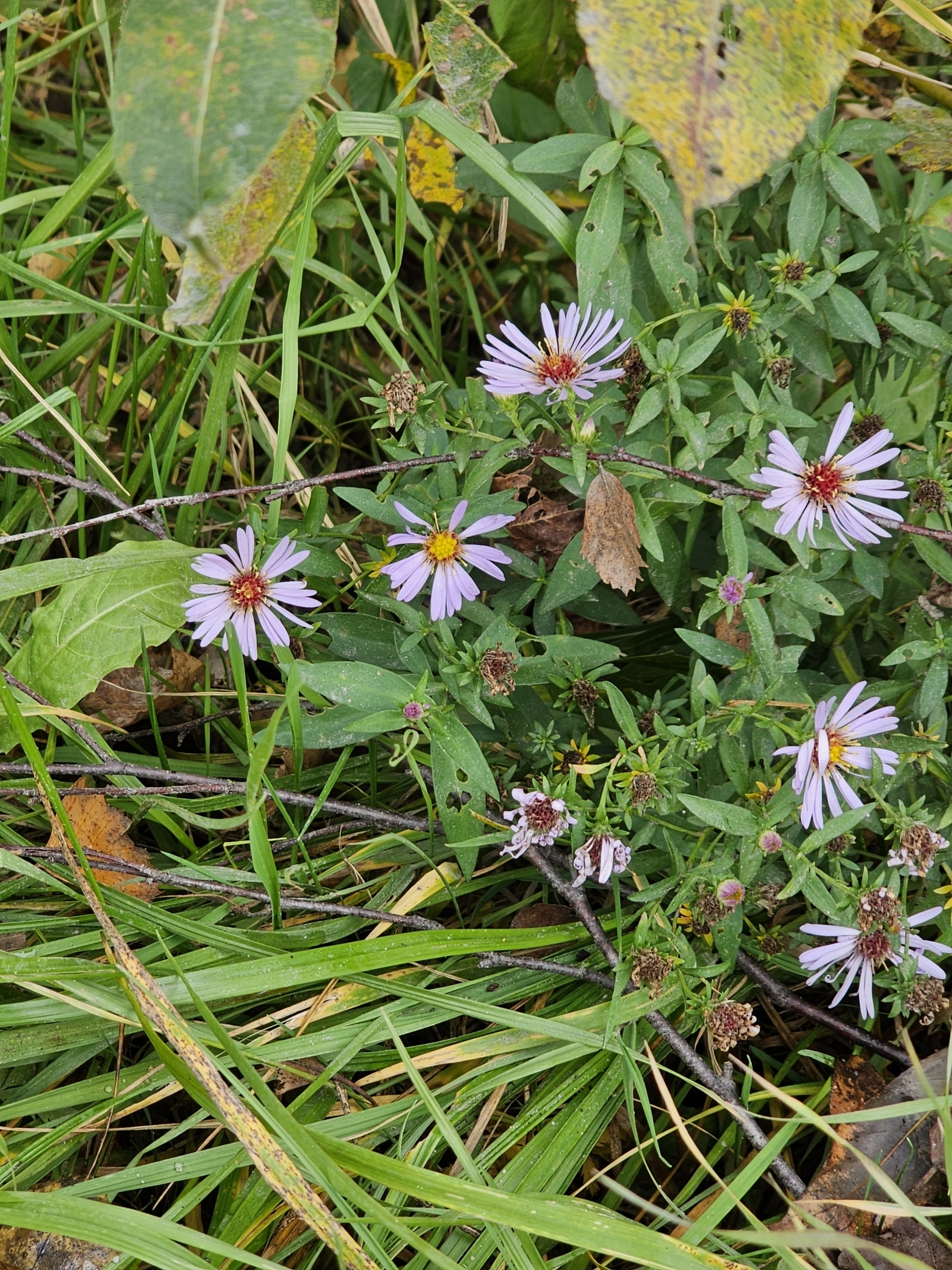
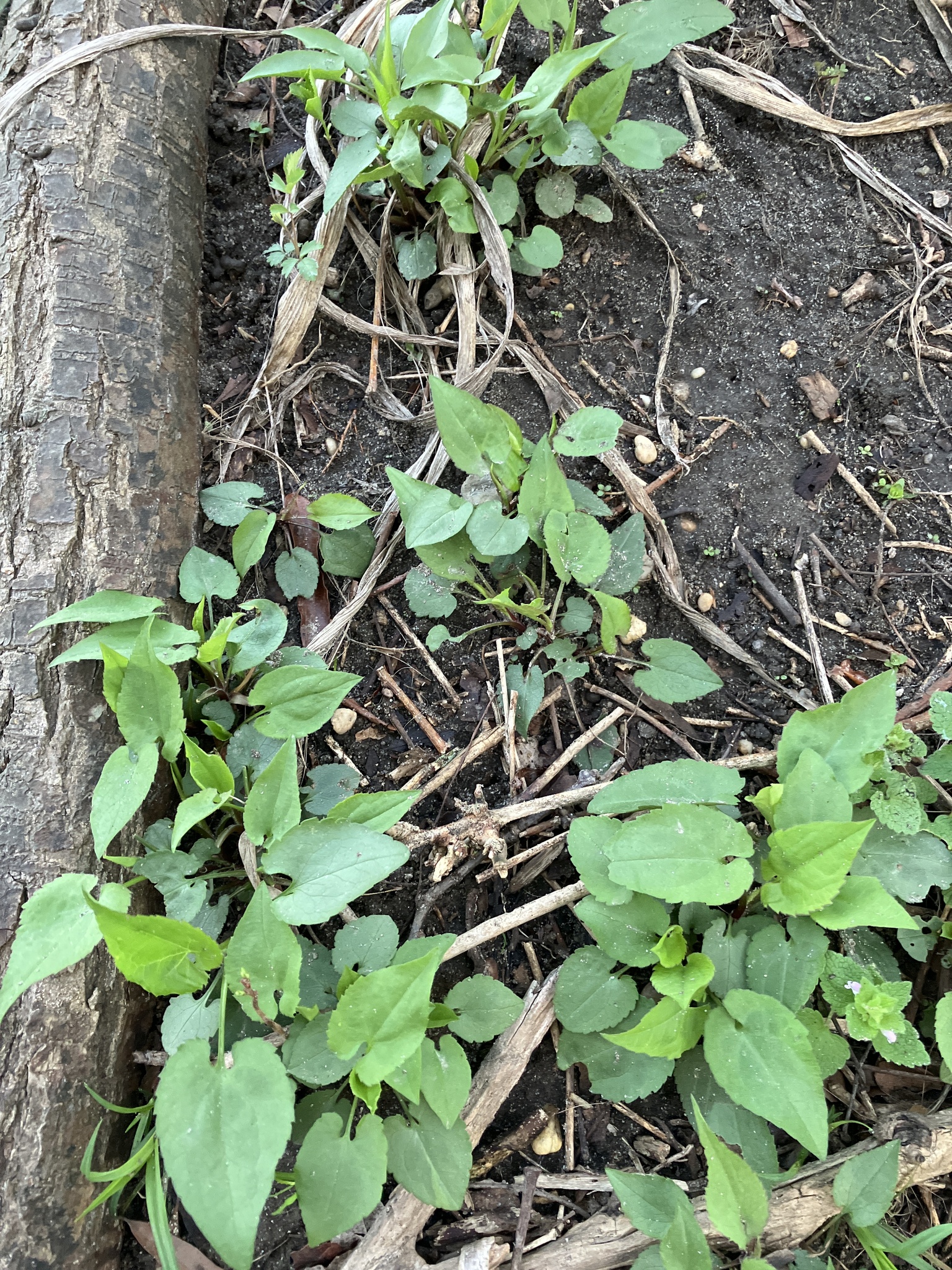
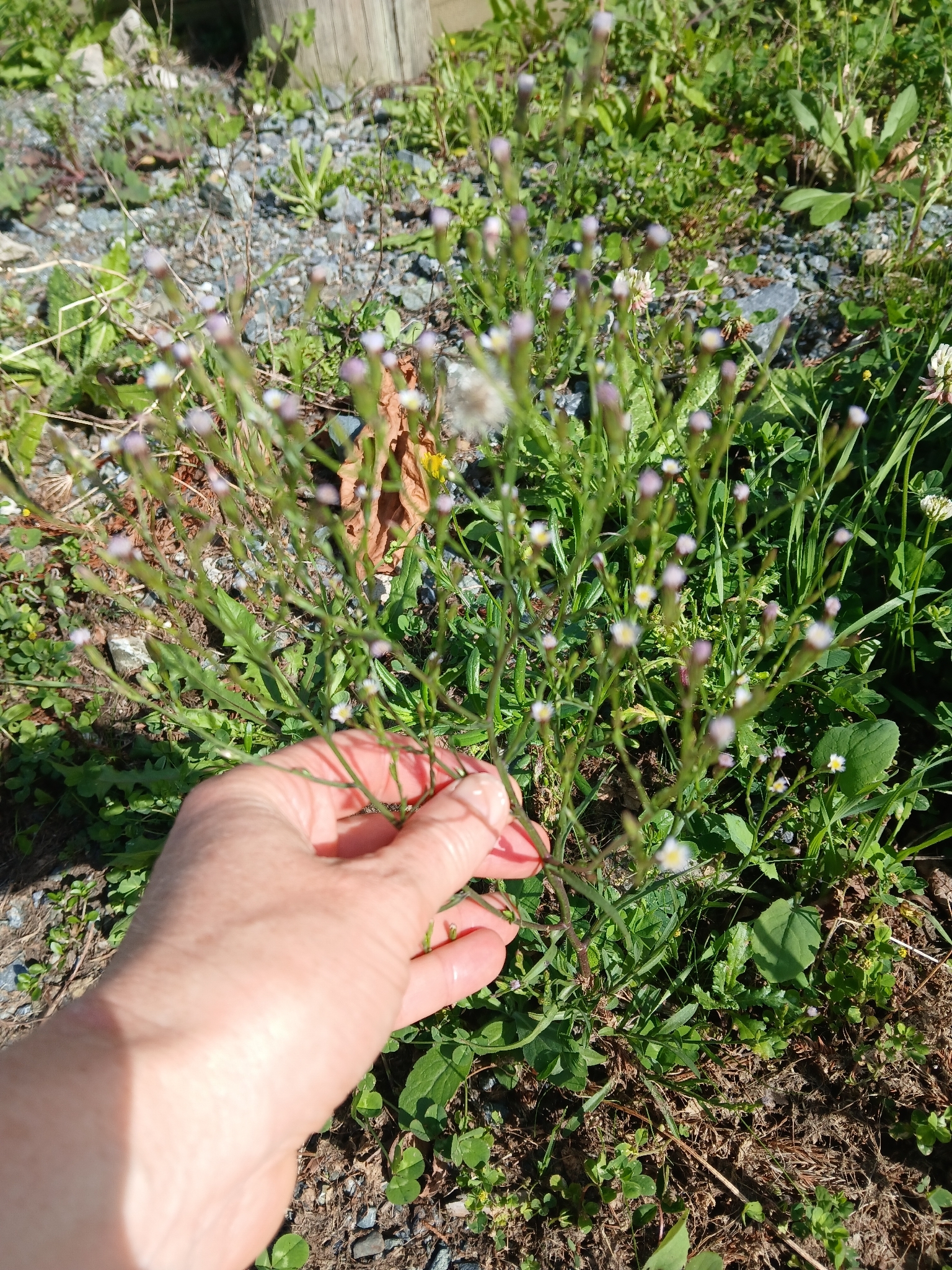
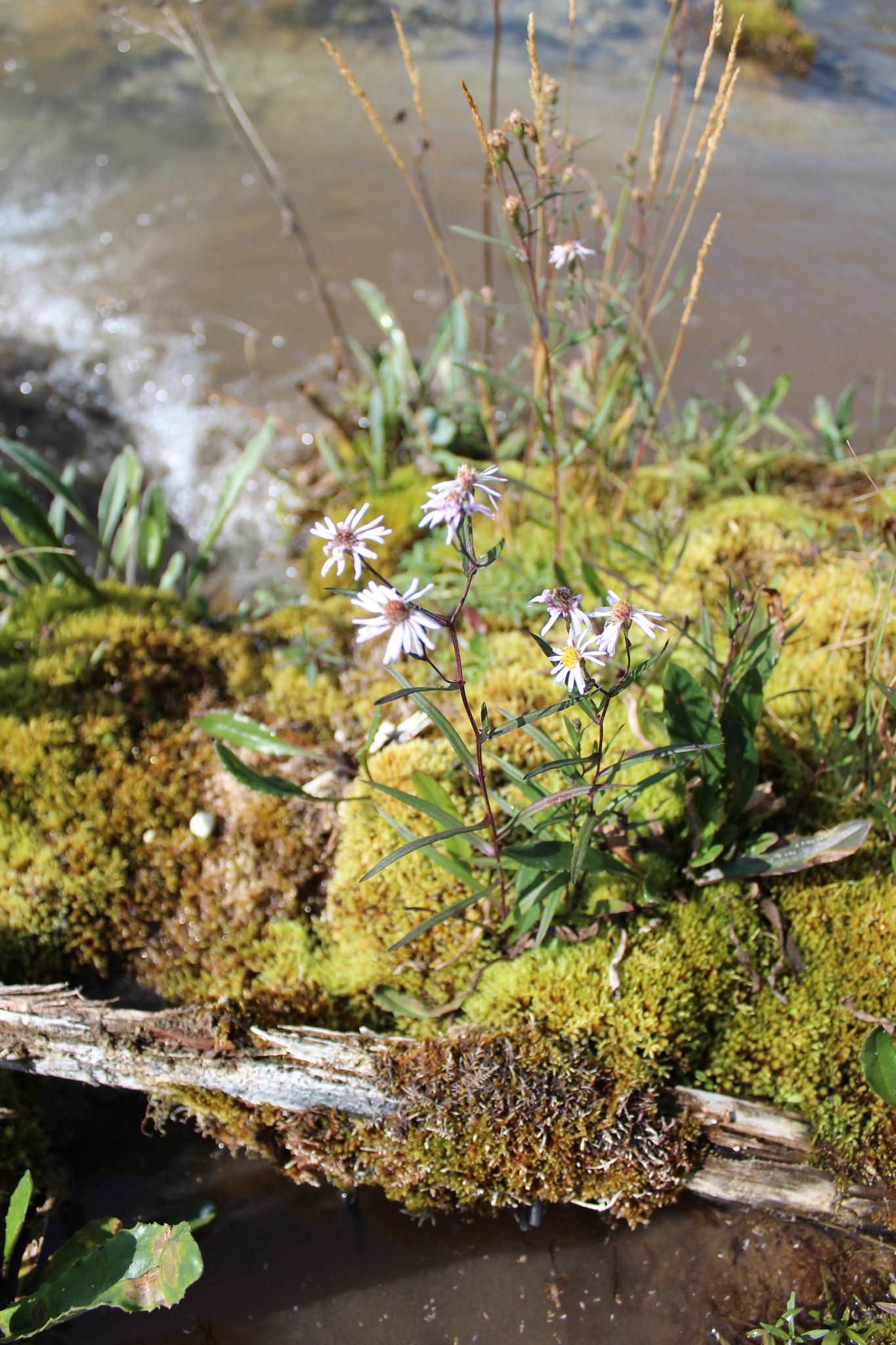
Smooth Blue AsterSymphyotrichum laeve

Also known as Aster Lisse · Delicate Michaelmas Daisy · Glaucous Aster

  • Type: Herb
  • Sunlight: Full Sun
  • Water: Moderate
  • Temperature: Moderate
Photograph © leafystars · CC-BY-NC

Smooth Blue Aster Care Summary

At-a-glance light, water, soil, and growing conditions from plant data

Light

Full Sun

100% intensity

Prefers at least 6 hours of direct sunlight daily for optimal flowering.

Watering

Moderate

50% intensity

Keep soil consistently moist but not waterlogged.

Soil

Well-drained

50% intensity

Temperature

Moderate

50% intensity

Hardy in USDA Zones 3-8. Prefers cooler temperatures for best performance.

Fertilizer

Low

25% intensity

Fertilize sparingly in spring; over-fertilizing can reduce blooms.

Smooth Blue Aster Toxicity

Safety information from plant toxicity data

Toxicity details for Smooth Blue Aster
AttributeValue
Toxic for humansNo

0/5 intensity

Toxic for petsNo

0/5 intensity

EdibleNo

Smooth Blue Aster Quick Facts

Key traits and growing stats from plant data

Plant Type
Herb
Plant Place Type
Garden, Pot
Lifespan
Perennial
Plant Height
0.6-1.5 m
Spread
0.3-0.6 m
Tall Or Wide
tall
Growth Rate
Moderate
Dormancy
Yes
Leaf Color
Green
Leaf Type
Simple
Flower Size
2-4 cm
Optimal Sunlight Lux
60000

Care guide for Smooth Blue Aster

Watering, pruning, propagation, and repotting details from plant data

Water

Water regularly during the growing season, especially in dry periods. Allow the soil to dry slightly between waterings. Reduce watering in fall as the plant enters dormancy.

Ensure good drainage to prevent waterlogged roots, which can lead to root rot.

Pruning

Cut back stems in late fall or early spring to about 10-15 cm from the ground. This encourages bushier growth and prevents the plant from becoming too leggy.

Remove spent flowers throughout the blooming season to prolong flowering and maintain a tidy appearance.

Propagation

Propagate by division in early spring. Carefully dig up established clumps and divide them into smaller sections, ensuring each section has roots and shoots. Replant divisions immediately into well-prepared soil.

Seeds can also be sown in autumn or stratified indoors.

Repotting

Established plants generally do not require frequent repotting. If the plant becomes overcrowded or the soil is exhausted, divide and repot in early spring.

This process revitalizes the plant and can help manage its size and vigor in garden settings.

Identify plants like this with ePlant AI

Snap a photo to get care tips and match similar species on the go.

Try for Free

Smooth Blue Aster Names & Synonyms

Common names and botanical synonyms

Smooth Blue Aster Taxonomy

Botanical classification