Water
Water moderately, ensuring the soil remains consistently moist but not waterlogged, especially during establishment and dry periods. Reduce watering in cooler months.
Drought stress can lead to browning and reduced vigor.
Also known as Birdgrass · Blue Grass · Çim
Smooth Meadow-grass (Poa pratensis) is a cool-season perennial grass forming dense sod, widely used in lawns and pastures for its resilience and fine texture.
At-a-glance light, water, soil, and growing conditions from plant data
Full Sun to Partial Shade
75% intensity
Thrives in full sun but tolerates partial shade conditions. Optimal growth occurs with at least 6 hours of direct sunlight daily.
Moderate
50% intensity
Keep soil consistently moist, especially when young or during dry spells. Avoid waterlogging.
Well-drained, fertile loam
50% intensity
Cool Season
50% intensity
Prefers cooler temperatures for optimal growth, typically between 15-25°C. Can withstand moderate heat if adequately watered.
Moderate
50% intensity
Fertilize in spring and fall with a balanced lawn fertilizer for best results.
Safety information from plant toxicity data
| Attribute | Value |
|---|---|
| Toxic for humans | No 0/5 intensity |
| Toxic for pets | No 0/5 intensity |
Non-toxic
Key traits and growing stats from plant data
Watering, pruning, propagation, and repotting details from plant data
Water moderately, ensuring the soil remains consistently moist but not waterlogged, especially during establishment and dry periods. Reduce watering in cooler months.
Drought stress can lead to browning and reduced vigor.
Generally, minimal pruning is required for turf. For landscape applications where seed heads are undesirable, mowing before seed set will maintain a tidy appearance. This also encourages denser leaf growth.
Propagated primarily through seed, sown in spring or autumn. It can also be spread vegetatively through rhizomes and stolons, making it effective for filling in bare patches in established lawns.
Not applicable for Poa pratensis when grown as turf or in its natural habitat. If grown in containers for specific horticultural purposes, repotting is typically not necessary as it is a perennial grass.
Identify plants like this with ePlant AI
Snap a photo to get care tips and match similar species on the go.
Monthly activity intensity for bloom and fruit across both hemispheres.
Flowering & fruiting calendar
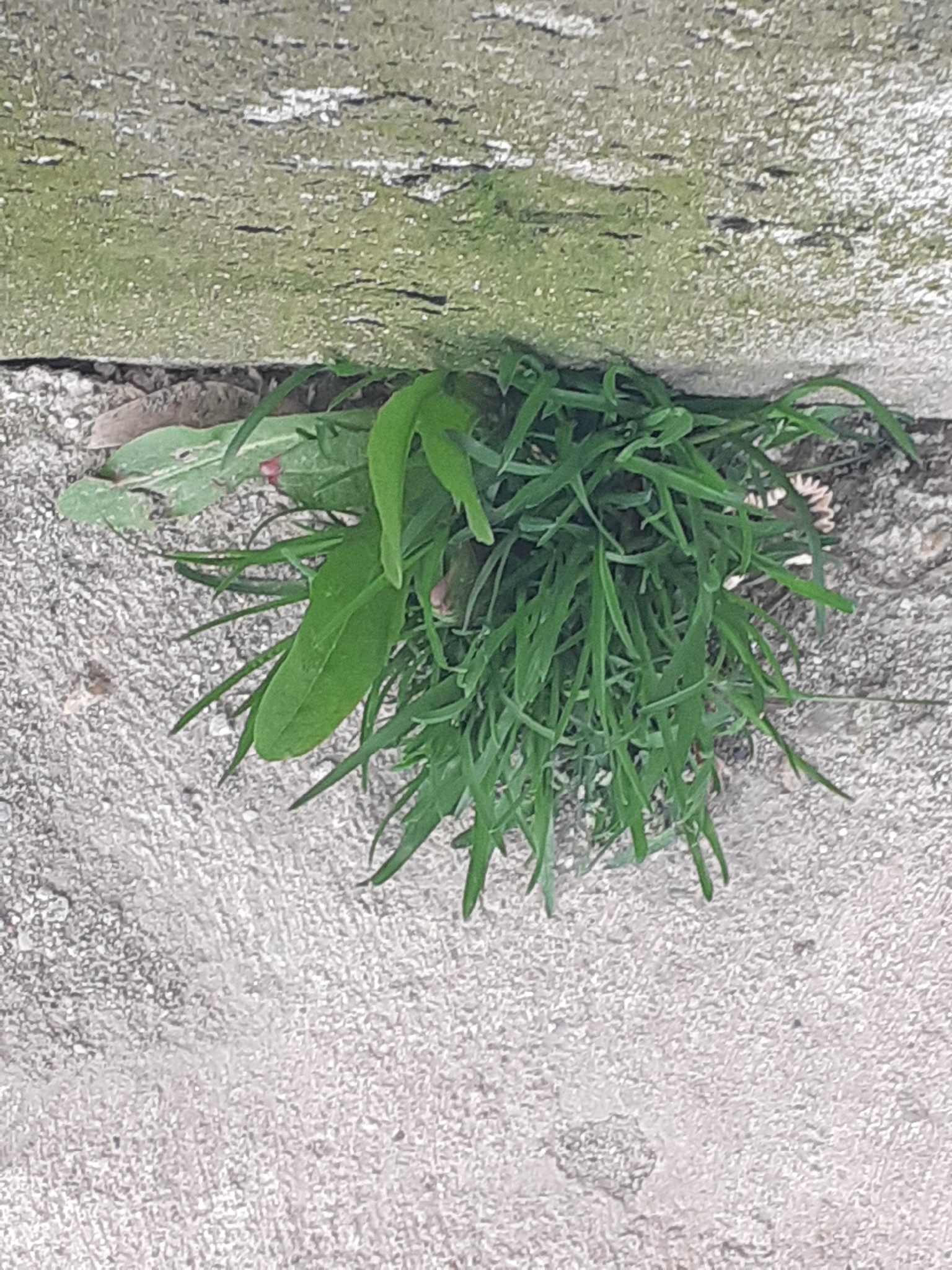
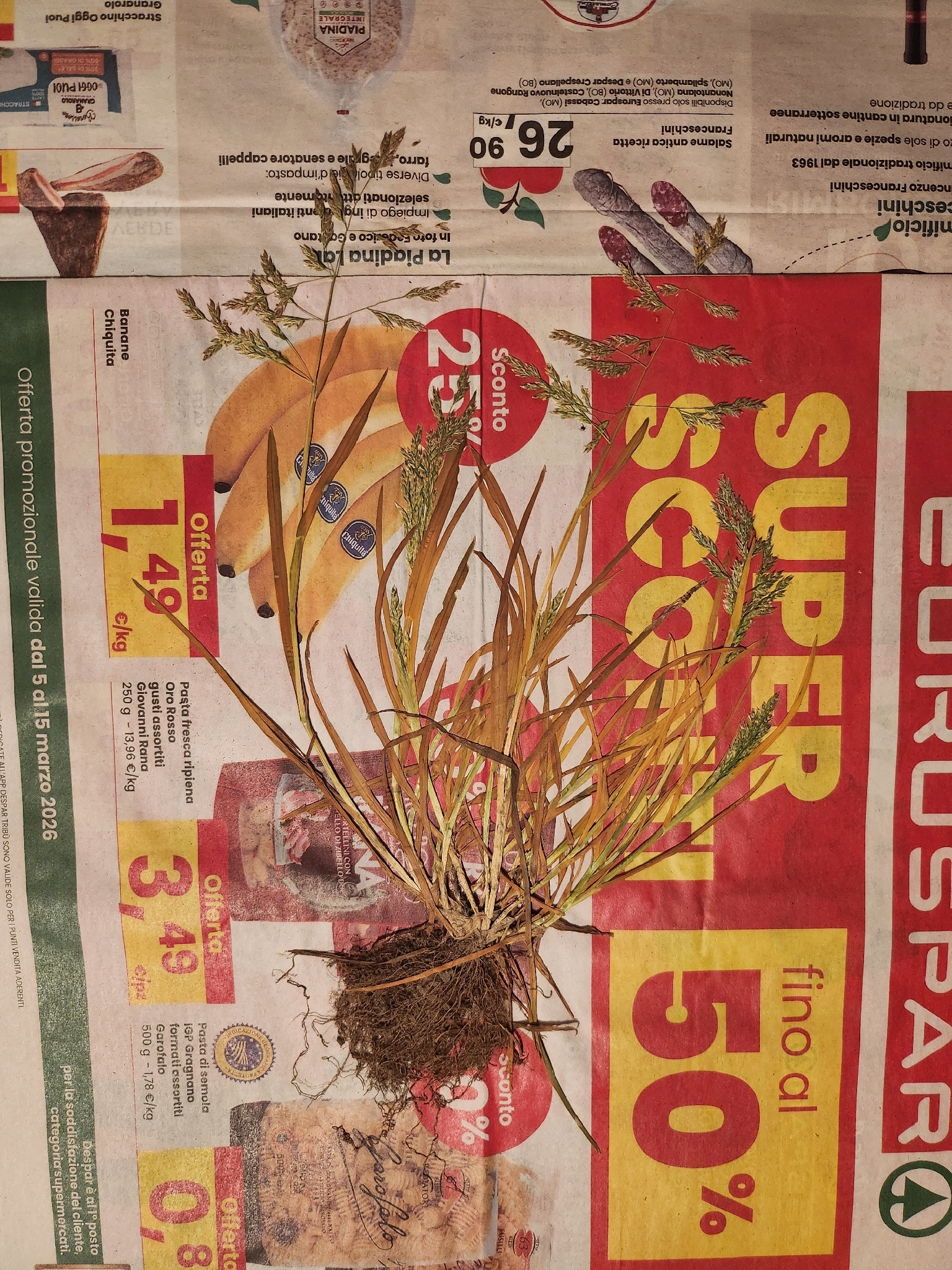
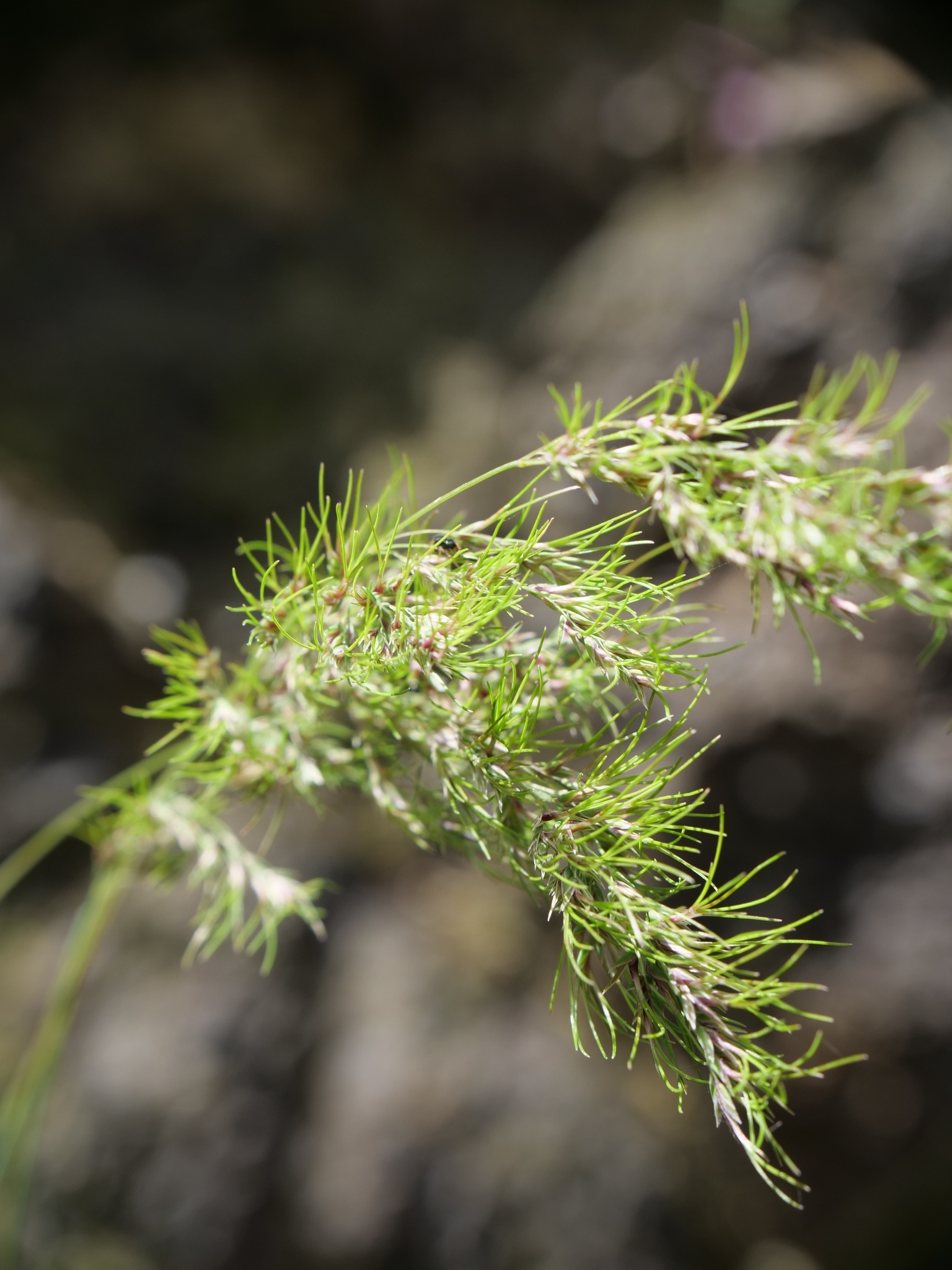
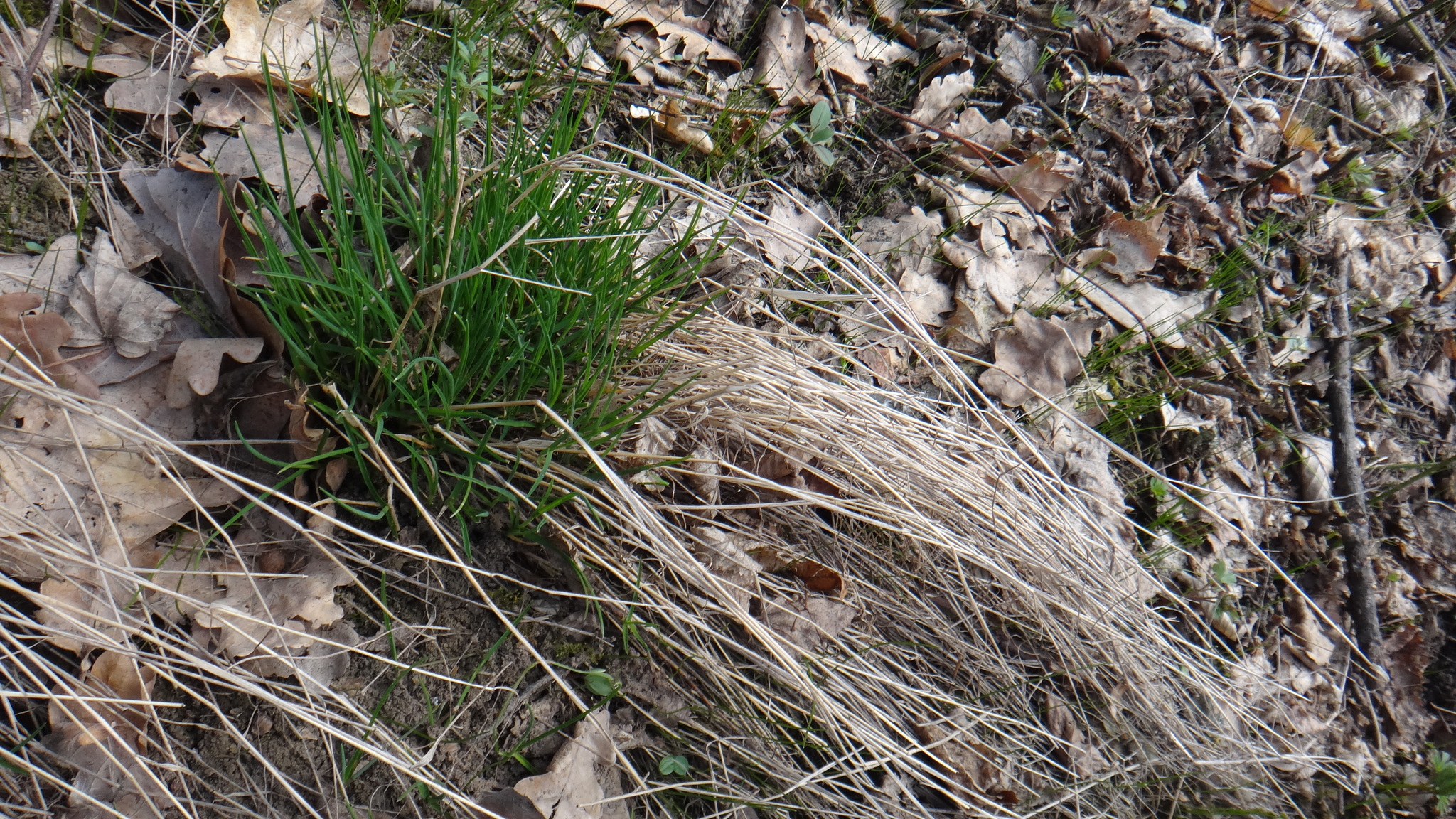
Photos of Smooth Meadow-Grass (Poa pratensis)
Where Smooth Meadow-Grass (Poa pratensis) is found

Density
Tap map to explore
10 known issues from plant disease data
Dollar Spot on Turfgrasses causes small straw-colored spots that merge into larger pale patches, leaving thin, blighted turf.
Brown Patch in Turfgrasses causes broad brown circles with smoke-like edges, where leaves quickly blight and turf thins.
Pythium Blight on Turfgrasses causes greasy, water-soaked patches that collapse fast, leaving matted, blighted grass.
Leaf Spot on Turfgrasses causes small purple to brown lesions on blades, with yellowing and thinning as damage spreads.
Anthracnose in Turfgrasses causes yellow to orange patches and blackened leaf bases, with weak turf that thins fast.
Summer Patch in Turfgrasses causes sunken bronze rings or patches, with wilted blades and dead centers in hot weather.
Common names and botanical synonyms
Botanical classification
| Rank | Name |
|---|---|
| Kingdom | Plantae |
| Division | Tracheophyta |
| Class | Liliopsida |
| Order | Poales |
| Family | Poaceae |
| Genus | Poa |
| Species | Poa pratensis |
Similar in genus Poa
Answers based on plant encyclopedia data