Water
Allow the soil to dry out completely between waterings. Water thoroughly when the top 2-5 cm of soil is dry. Overwatering is the most common cause of root rot.
Reduce watering significantly during the winter months when the plant is dormant.
Also known as African Bowstring-Hemp · Espada-De-Santa-Bárbara · Espada-De-São-Jorge
Safety note: This plant may be toxic to humans and pets. See toxicity details.
Viper's Bowstring Hemp (Sansevieria trifasciata) is a resilient, low-maintenance houseplant known for its striking, upright, sword-like leaves, ideal for improving air qu
At-a-glance light, water, soil, and growing conditions from plant data
Tolerates low light but prefers bright, indirect light
50% intensity
Can survive in very dim conditions, but growth is best in moderate light. Avoid direct sun which can scorch leaves.
Allow soil to dry out between waterings
25% intensity
Water thoroughly when top inches of soil are dry. Reduce in winter.
Well-draining potting mix
50% intensity
Prefers average room temperatures
50% intensity
Ideal range is 18-27°C. Can tolerate slightly cooler temperatures but avoid frost and prolonged exposure below 10°C.
Indoor, Outdoor
50% intensity
Feed sparingly during growing season
25% intensity
Use a balanced liquid fertilizer diluted to half strength once or twice in spring/summer. Do not fertilize in fall/winter.
Safety information from plant toxicity data
| Attribute | Value |
|---|---|
| Toxic for humans | Yes 3/5 intensity |
| Toxic for pets | Yes 3/5 intensity |
| Edible | No |
Mildly toxic if ingested, causing nausea, vomiting, and diarrhea.
Key traits and growing stats from plant data
Watering, pruning, propagation, and repotting details from plant data
Allow the soil to dry out completely between waterings. Water thoroughly when the top 2-5 cm of soil is dry. Overwatering is the most common cause of root rot.
Reduce watering significantly during the winter months when the plant is dormant.
Remove any yellowing, brown, or damaged leaves by cutting them at the base of the plant with a clean, sharp knife. This not only improves the plant's appearance but also prevents potential disease spread.
Pruning is minimal and mainly for aesthetic maintenance.
Sansevieria trifasciata can be propagated by division of rhizomes or by leaf cuttings. For leaf cuttings, cut a healthy leaf into sections, let them callus for a few days, and then plant them in well-draining soil.
Rhizome division is typically done during repotting.
Repot every 2-5 years or when the plant becomes root-bound and outgrows its container. Choose a pot that is only slightly larger than the current one. Use a well-draining potting mix, such as a cactus or succulent blend.
Repot in spring.
Identify plants like this with ePlant AI
Snap a photo to get care tips and match similar species on the go.
Monthly activity intensity for bloom and fruit across both hemispheres.
Flowering & fruiting calendar
Flowering & fruiting calendar
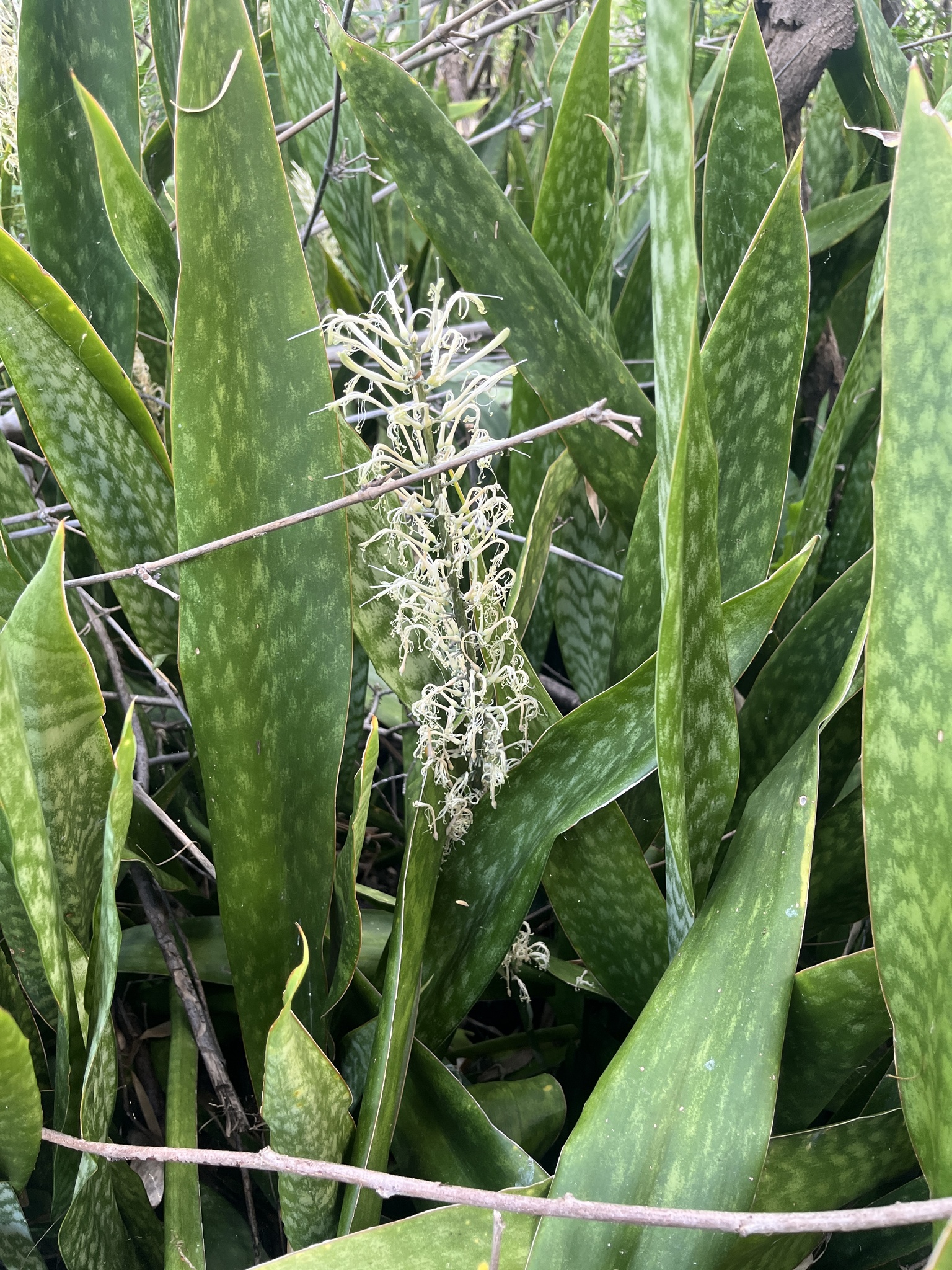
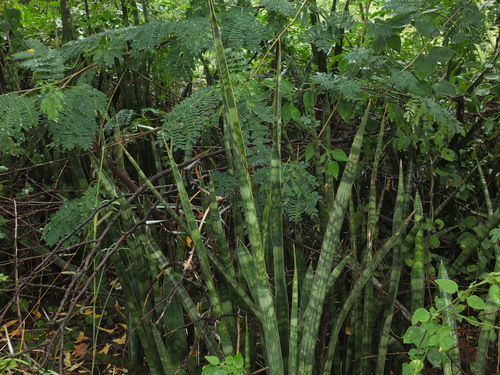
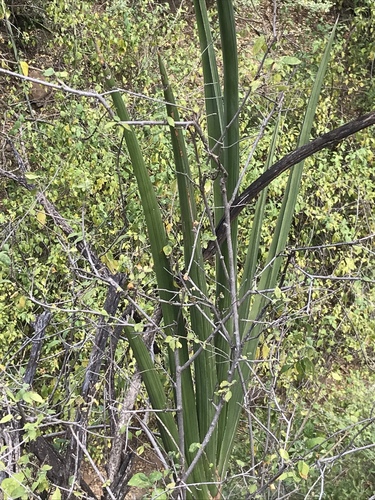
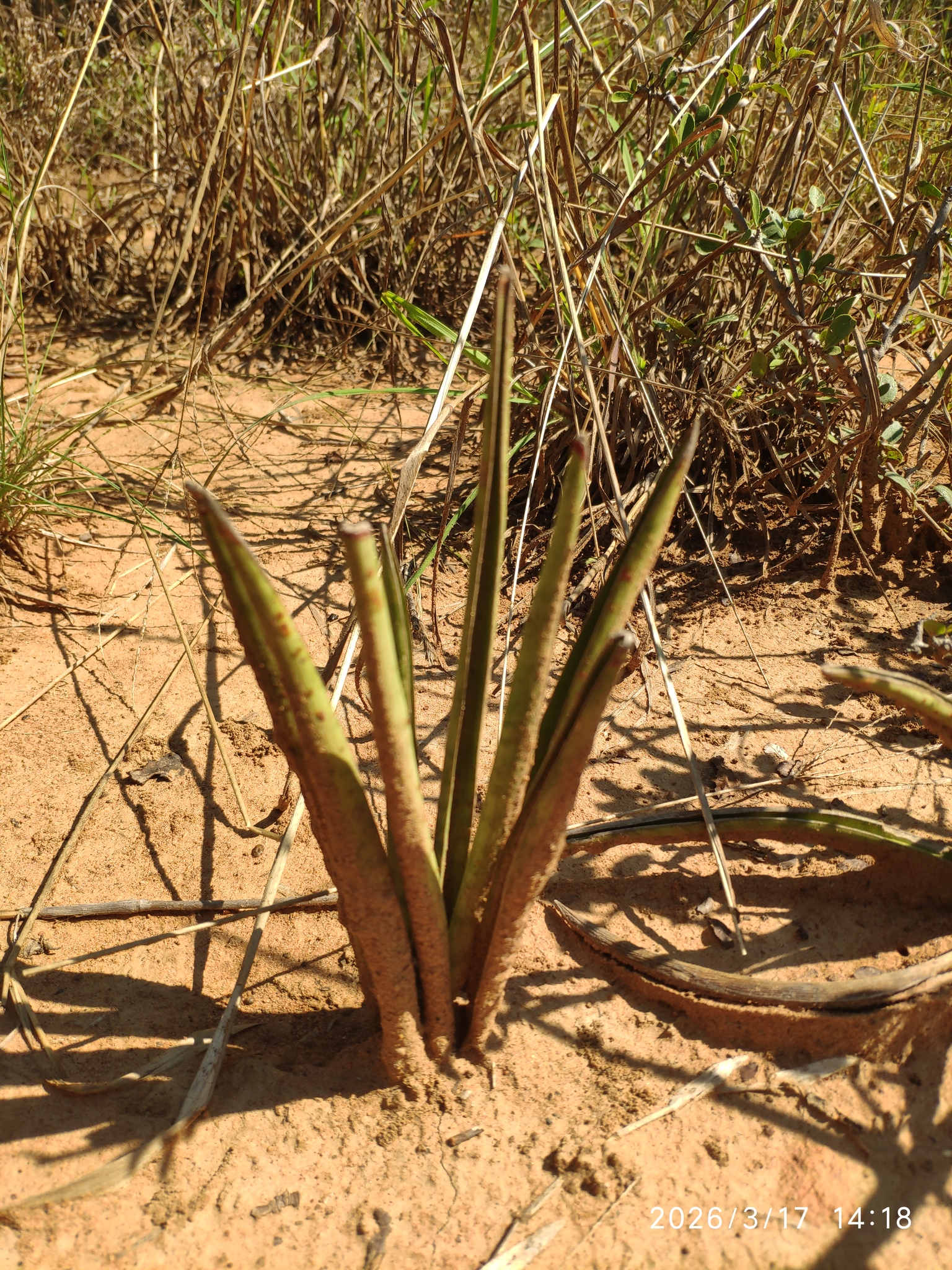
Photos of Viper's Bowstring Hemp (Sansevieria trifasciata)
Where Viper's Bowstring Hemp (Sansevieria trifasciata) is found

Density
Tap map to explore
Common names and botanical synonyms
Botanical classification
| Rank | Name |
|---|---|
| Kingdom | Plantae |
| Division | Tracheophyta |
| Class | Liliopsida |
| Order | Asparagales |
| Family | Asparagaceae |
| Genus | Sansevieria |
| Species | Sansevieria trifasciata |
Similar in genus Sansevieria
Answers based on plant encyclopedia data