Water
Water thoroughly when the soil is completely dry. Allow the pot to drain freely. Reduce watering significantly during the dormant winter months to prevent root rot.
Overwatering is a common cause of problems for Opuntia species.
Also known as Hairy Prickly-Pear · Snow Prickly Pear · Western Pricklypear
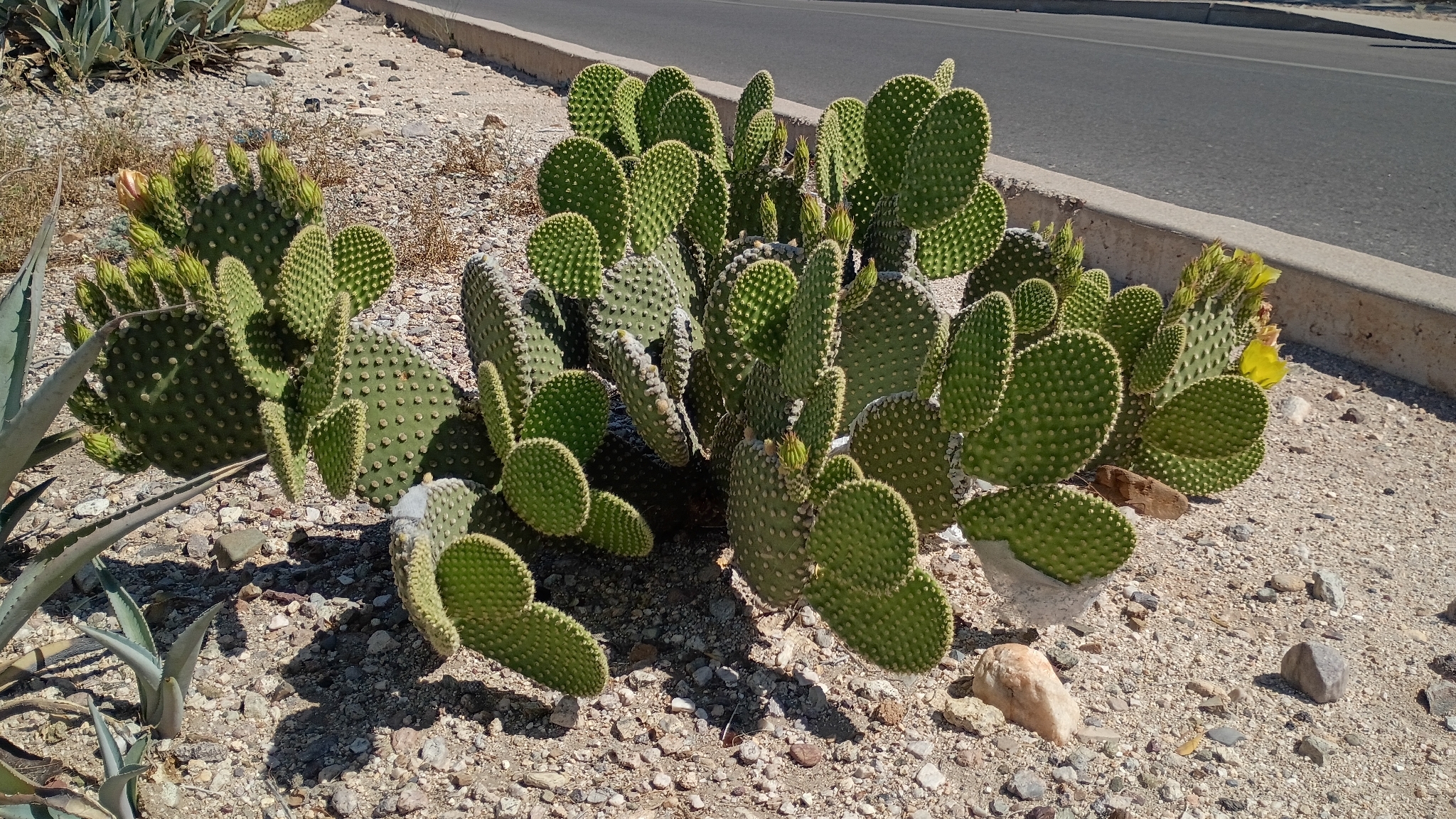
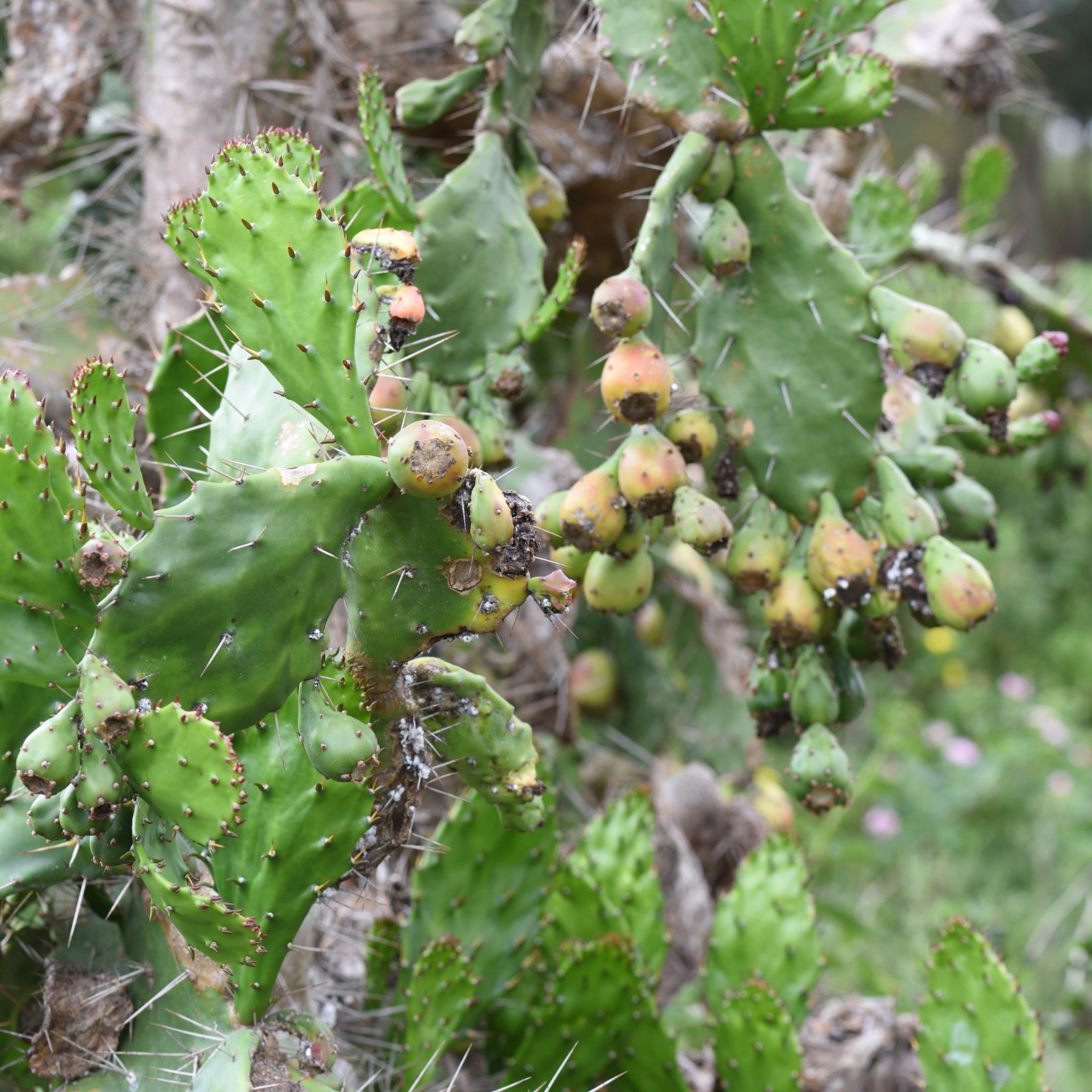
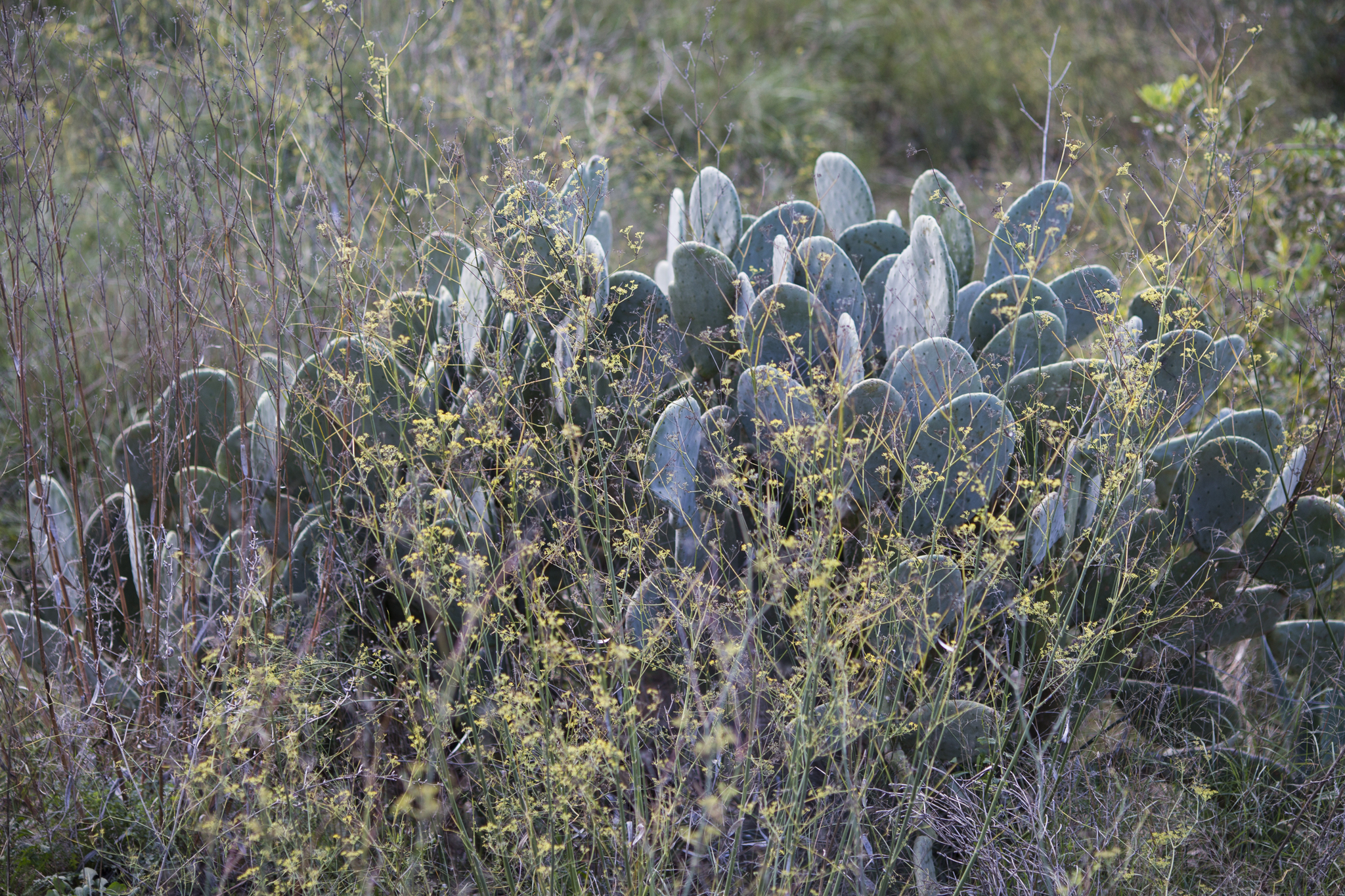
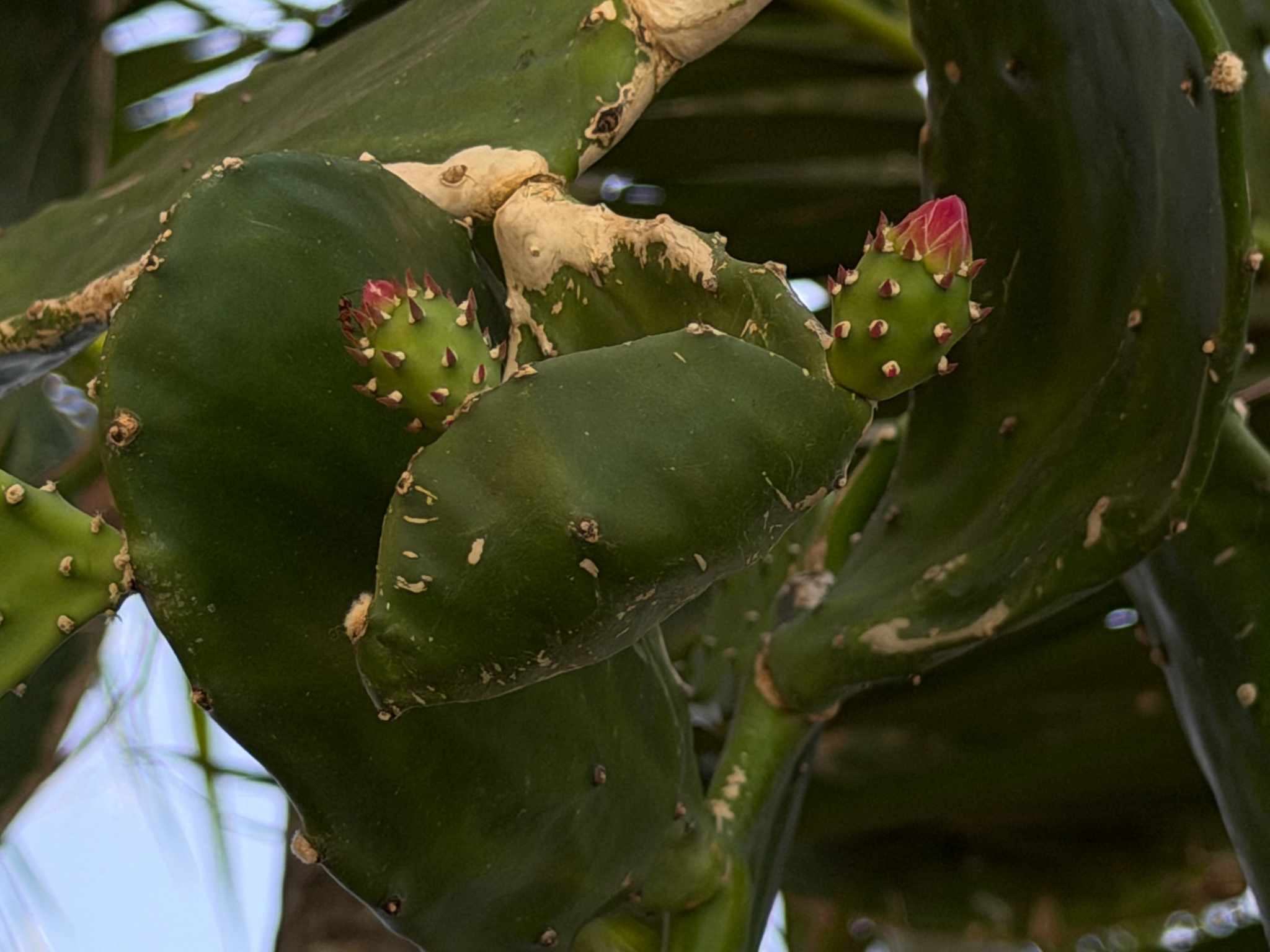
Opuntia orbiculata is a striking cactus with flattened, round to oval pads covered in glochids. It produces vibrant yellow flowers.
At-a-glance light, water, soil, and growing conditions from plant data
Requires full sun for best growth and flowering.
100% intensity
At least 6-8 hours of direct sunlight daily.
Allow soil to dry out completely between waterings.
25% intensity
Reduce watering in winter.
Well-drained
50% intensity
Prefers warm temperatures during the growing season.
75% intensity
Tolerates heat well; can survive light frosts but protect from hard freezes.
Fertilize sparingly during the growing season.
25% intensity
Use a balanced, diluted liquid fertilizer in spring and summer.
Safety information from plant toxicity data
| Attribute | Value |
|---|---|
| Toxic for humans | No 0/5 intensity |
| Toxic for pets | No 0/5 intensity |
Non-toxic to pets and humans.
Key traits and growing stats from plant data
Watering, pruning, propagation, and repotting details from plant data
Water thoroughly when the soil is completely dry. Allow the pot to drain freely. Reduce watering significantly during the dormant winter months to prevent root rot.
Overwatering is a common cause of problems for Opuntia species.
Prune Opuntia orbiculata to manage size and shape, or to remove damaged or dead pads. Use clean, sharp tools. Pruning is best done in spring or early summer.
Allow cuts to callus over before returning to normal conditions to prevent disease.
Propagate Opuntia orbiculata from pads or segments. Allow detached pads to callus over for several days to a week. Plant the callused end into well-draining soil.
Roots will form in a few weeks, especially in warmer conditions.
Repot Opuntia orbiculata every 2-3 years or when it outgrows its pot. Use a cactus or succulent potting mix with excellent drainage. Choose a pot that is only slightly larger than the root ball.
Repotting is best done in spring.
Identify plants like this with ePlant AI
Snap a photo to get care tips and match similar species on the go.
Monthly activity intensity for bloom and fruit across both hemispheres.
Flowering & fruiting calendar
Flowering & fruiting calendar
Photos of Opuntia Orbiculata (Opuntia orbiculata)
Where Opuntia Orbiculata (Opuntia orbiculata) is found

Density
Tap map to explore
Common names and botanical synonyms
Botanical classification
| Rank | Name |
|---|---|
| Kingdom | Plantae |
| Division | Tracheophyta |
| Class | Magnoliopsida |
| Order | Caryophyllales |
| Family | Cactaceae |
| Genus | Opuntia |
| Species | Opuntia orbiculata |
Similar in genus Opuntia
Answers based on plant encyclopedia data