Skip to plant details

Sour CherryPrunus cerasus

Also known as Amarelle Cherry · Amarello Cherry · Black Cherry

  • Category: Fruit
  • Type: Tree
  • Sunlight: Full Sun
  • Water: Consistent Moisture
  • Temperature: Cold Hardy

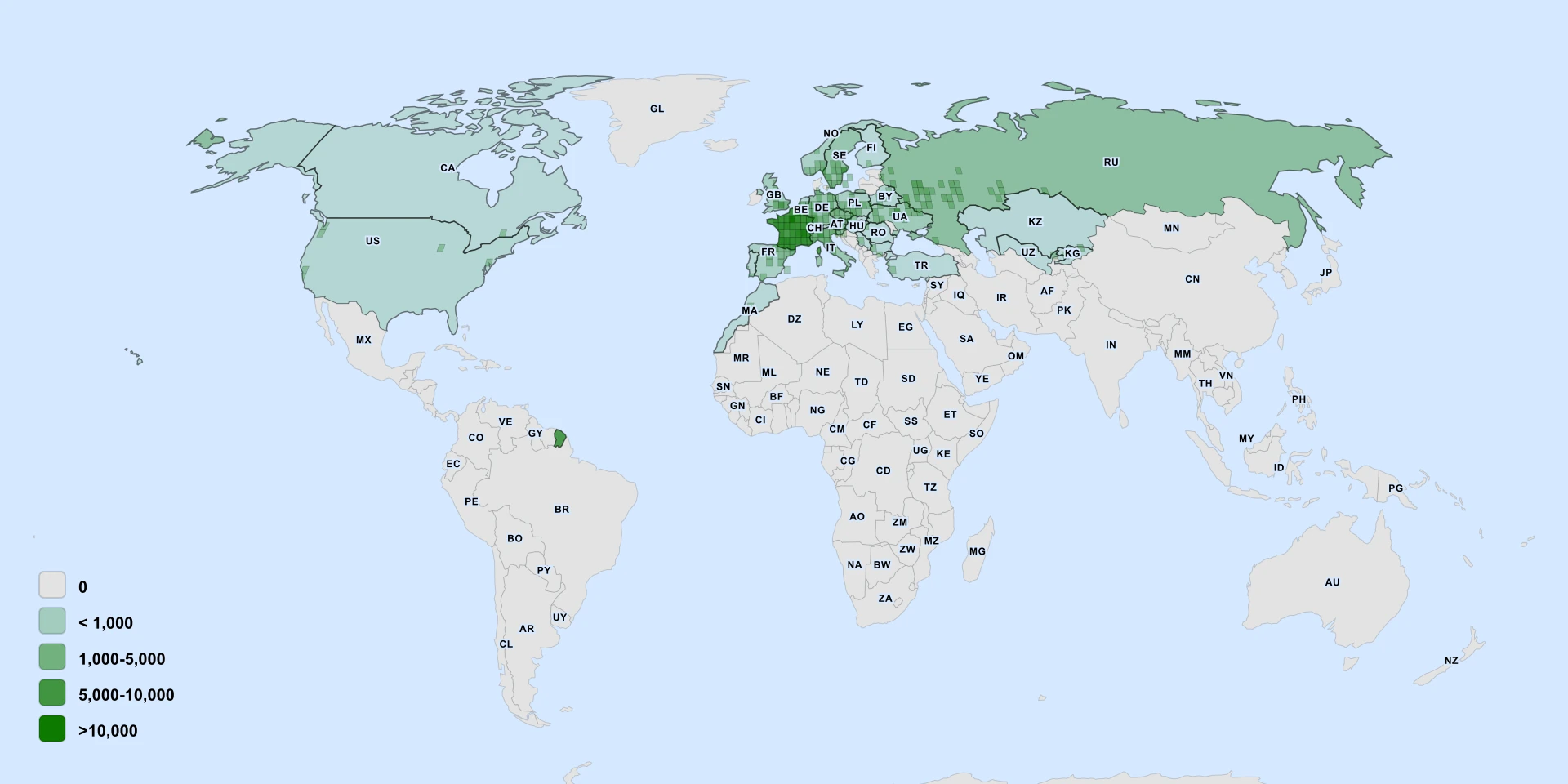
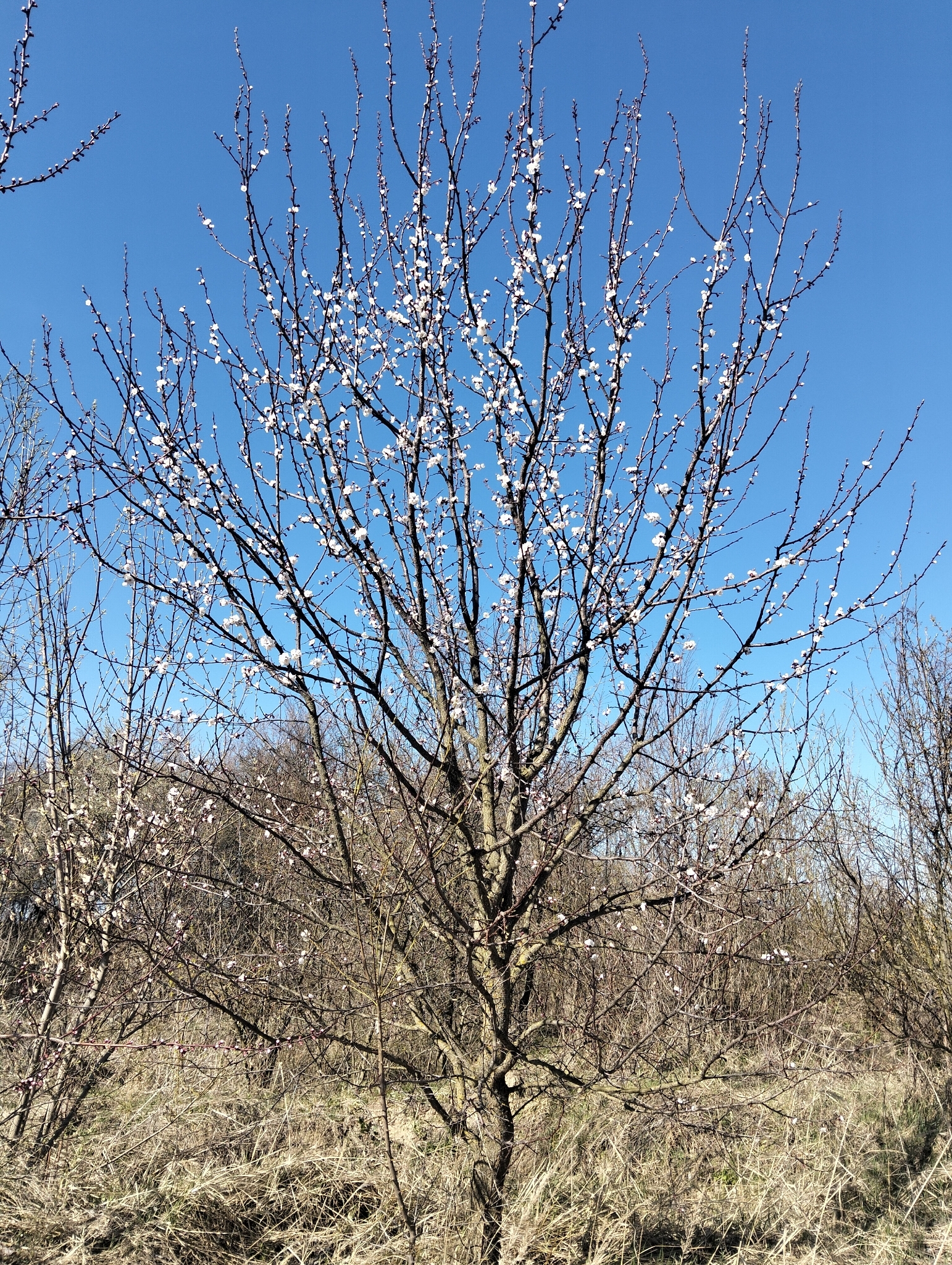
Sour Cherry (Prunus cerasus) is a deciduous tree known for its tart, bright red fruit, widely used in pies, jams, and liqueurs. It thrives in temperate climates with well

Photograph © Tig

Sour Cherry Care Summary

At-a-glance light, water, soil, and growing conditions from plant data

Light Exposure

Full Sun

100% intensity

Requires at least 6-8 hours of direct sunlight daily for best fruit production.

Watering

Consistent Moisture

50% intensity

Water deeply when top 5-7 cm of soil is dry. Avoid waterlogging.

Soil

Loam, Sandy loam, Clay loam

50% intensity

Temperature

Cold Hardy

75% intensity

Requires a period of winter chilling for fruit set. Prefers temperate climates.

Fertilizing

Moderate

50% intensity

Apply balanced fertilizer in early spring. Avoid over-fertilizing.

Sour Cherry Toxicity

Safety information from plant toxicity data

Toxicity details for Sour Cherry
AttributeValue
Toxic for humansNo

0/5 intensity

Toxic for petsNo

0/5 intensity

EdibleYes

None

Sour Cherry Quick Facts

Key traits and growing stats from plant data

Plant Type
Tree
Plant Category
Fruit
Plant Place Type
Garden, Pot
Lifespan
Perennial
Plant Height
4-6 m
Spread
3-5 m
Growth Rate
Moderate
Dormancy
Yes
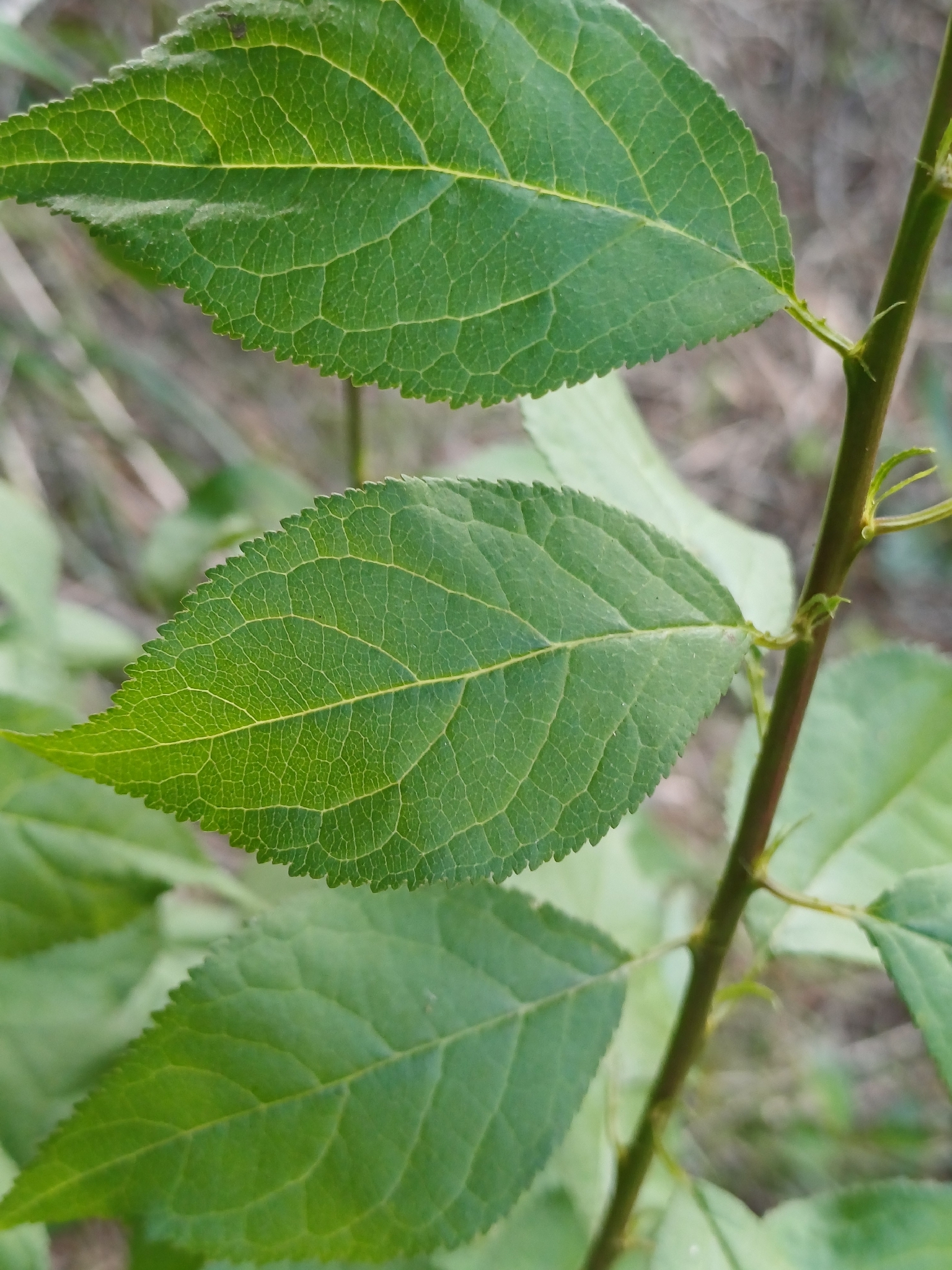
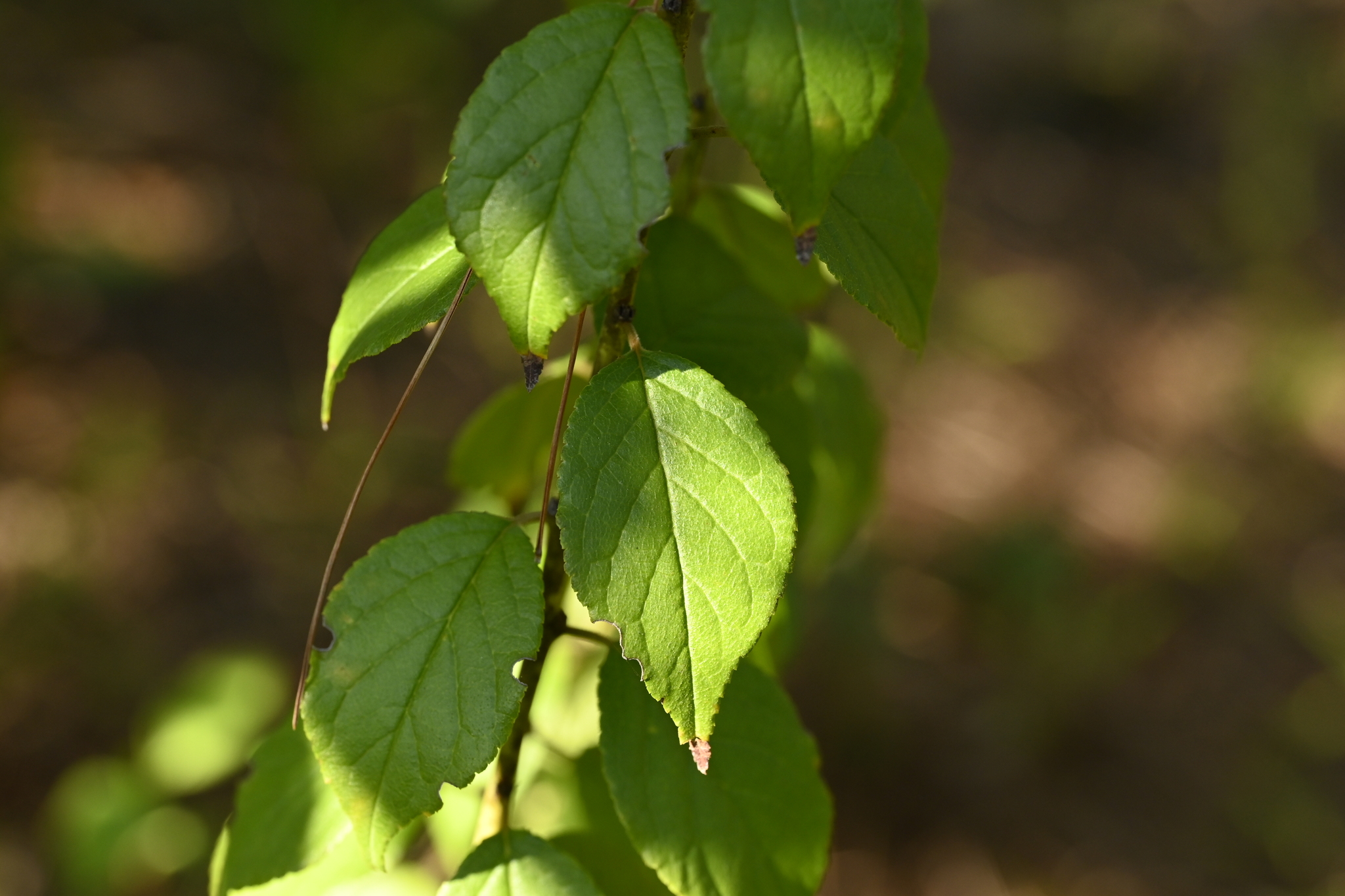
Leaf Color
Green
Leaf Type
Simple
Flower Size
2-3 cm
Optimal Sunlight Lux
64500

Care guide for Sour Cherry

Watering, pruning, propagation, and repotting details from plant data

Water

Sour cherries prefer consistent moisture, especially during fruit development. Water deeply when the top 5-7 cm of soil feels dry. Avoid waterlogged conditions, as this can lead to root rot.

Reduce watering slightly in late summer and fall to help the plant harden off for winter.

Pruning

Prune sour cherries in late winter or early spring while dormant. Remove any dead, damaged, or crossing branches. Aim for an open canopy to improve air circulation and light penetration.

This also helps maintain the tree's shape and encourages fruit production on older wood.

Propagation

Sour cherries are typically propagated by budding or grafting onto rootstock. Seed propagation is possible but often results in offspring that do not reliably exhibit the parent plant's characteristics.

Rooting cuttings is generally difficult for this species.

Repotting

Repotting is generally not applicable to mature sour cherry trees grown outdoors.

Young trees or those grown in containers may require repotting every 2-3 years into a slightly larger container as their root system develops. Use well-draining potting mix.

Identify plants like this with ePlant

Snap a photo to get care tips and match similar species on the go.

Try for Free

Flowering & Fruiting Cycles

Monthly activity intensity for bloom and fruit across both hemispheres.

Northern hemisphere

Flowering & fruiting calendar

Peak bloom · MayPeak fruit · Jul
FloweringFruiting
02468JanFebMarAprMayJunJulAugSepOctNovDecActivity intensityMonths89
Southern hemisphere

Flowering & fruiting calendar

Peak bloom · NovPeak fruit · May
FloweringFruiting
02468JanFebMarAprMayJunJulAugSepOctNovDecActivity intensityMonths89

Sour Cherry Names & Synonyms

Common names and botanical synonyms

Common Names

  • Amarelle Cherry
  • Amarello Cherry
  • Black Cherry
  • Culinary Sour Cherry
  • Cultivated Sour Cherry
  • Dwarf Cherry
  • Garden Sour Cherry
  • Greengrocer's Sour Cherry
  • Grocer's Sour Cherry
  • Market Sour Cherry
  • Morello Cherry
  • Pie Cherry
  • Sour Cherry
  • Sour Prunus
  • Tart Cherries
  • Tart Cherry
  • Višnja
  • Вишня
  • آلبالو
  • شکوفه آلبالو

Synonyms

  • Cerasus acida (Ehrh.) Borkh.
  • Cerasus austera (L.) Borkh.
  • Cerasus brevipes Poit. & Turpin
  • Cerasus caproniana (L.) DC.
  • Cerasus collina Lej. & Courtois
  • Cerasus communis Poit. & Turpin
  • Cerasus conglobata Poit. & Turpin
  • Cerasus hortensis Mill.
  • Cerasus longipes Poit. & Turpin
  • Cerasus marasca Host
  • Cerasus officinarum Poit. & Turpin
  • Cerasus peracida Poit. & Turpin
  • Cerasus propera Poit. & Turpin
  • Cerasus semperflorens (Ehrh.) Borkh.
  • Cerasus vulgaris Mill.
  • Druparia cerasus (L.) Clairv.
  • Prunus acida Ehrh.
  • Prunus aestiva Salisb.
  • Prunus austera (L.) Ehrh.
  • Prunus caproniana (L.) Gaudin
  • Prunus laxiflora Kit.
  • Prunus marasca Rchb.
  • Prunus plena (L.) Poir.
  • Prunus recta (Liegel) K.Koch
  • Prunus rosea (L.) Poir.
  • Prunus semperflorens Ehrh.
  • Prunus vulgaris (Mill.) Schur

Sour Cherry Taxonomy

Botanical classification

Taxonomic classification of Sour Cherry
RankName
kingdomPlantae
divisionTracheophyta
classMagnoliopsida
orderRosales
familyRosaceae
genusPrunus
speciesPrunus cerasus

Sour Cherry FAQs

Answers based on plant encyclopedia data

How much sun does a Sour Cherry tree need?

Sour Cherry trees (Prunus cerasus) require full sun, at least 6-8 hours of direct sunlight per day, for optimal fruit production and overall health.

What type of soil is best for Sour Cherries?

Sour Cherry trees prefer well-drained loamy soil. They are sensitive to waterlogged conditions, so good drainage is crucial.

When is the best time to plant a Sour Cherry tree?

The best time to plant a Sour Cherry tree (Prunus cerasus) is typically in the dormant season, either in early spring before bud break or in the fall after the leaves have dropped.

Do Sour Cherry trees need to be pruned?

Yes, pruning is important for Sour Cherry trees (Prunus cerasus) to maintain shape, improve fruit production, remove dead or diseased branches, and enhance air circulation.

Are Sour Cherries safe for pets?

The fruit of the Sour Cherry (Prunus cerasus) is generally considered safe in small quantities for most pets. However, the pits and leaves contain cyanide compounds and should never be ingested by pets as they can be toxic.