Water
Water generously when the top 2-5 cm of soil feels dry. Allow excess water to drain completely. Reduce watering frequency during cooler months to prevent root rot.
Consistent moisture is key, especially during fruiting and dry periods.
Sour Orange (Citrus × aurantium) is a hybrid citrus fruit grown for its fragrant flowers and bitter fruit, widely used in marmalades, liqueurs, and as a rootstock.
At-a-glance light, water, soil, and growing conditions from plant data
High
100% intensity
Requires at least 6-8 hours of direct sunlight daily.
Moderate
50% intensity
Water deeply when the top soil is dry, ensuring good drainage.
Well-draining soil
50% intensity
Moderate
50% intensity
Thrives in temperatures between 15-29°C. Protect from frost; bring indoors if temperatures drop below 10°C.
Outdoor
50% intensity
Moderate
50% intensity
Feed regularly during growing season with a citrus-specific fertilizer.
Safety information from plant toxicity data
| Attribute | Value |
|---|---|
| Toxic for humans | No 0/5 intensity |
| Toxic for pets | No 0/5 intensity |
| Edible | Yes |
Contains compounds that can cause gastrointestinal upset and skin irritation. The seeds and peel can be toxic if ingested in large quantities.
Key traits and growing stats from plant data
Watering, pruning, propagation, and repotting details from plant data
Water generously when the top 2-5 cm of soil feels dry. Allow excess water to drain completely. Reduce watering frequency during cooler months to prevent root rot.
Consistent moisture is key, especially during fruiting and dry periods.
Prune in late winter or early spring to remove dead, damaged, or crossing branches. Shape for air circulation and light penetration. Pinch back new growth to encourage bushiness and fruit production.
Remove suckers from the base.
Best propagated by grafting onto rootstock. Seeds can be sown but may not produce true-to-type fruit. Cuttings can be taken from semi-hardwood, but rooting can be challenging.
Grafting ensures desirable traits and disease resistance.
Repot young trees every 1-2 years, or when root-bound, typically in spring. Mature trees can be repotted less frequently, every 3-5 years. Use a well-draining potting mix, preferably a citrus-specific blend.
Ensure the new pot is only slightly larger.
Identify plants like this with ePlant AI
Snap a photo to get care tips and match similar species on the go.
Monthly activity intensity for bloom and fruit across both hemispheres.
Flowering & fruiting calendar
Flowering & fruiting calendar
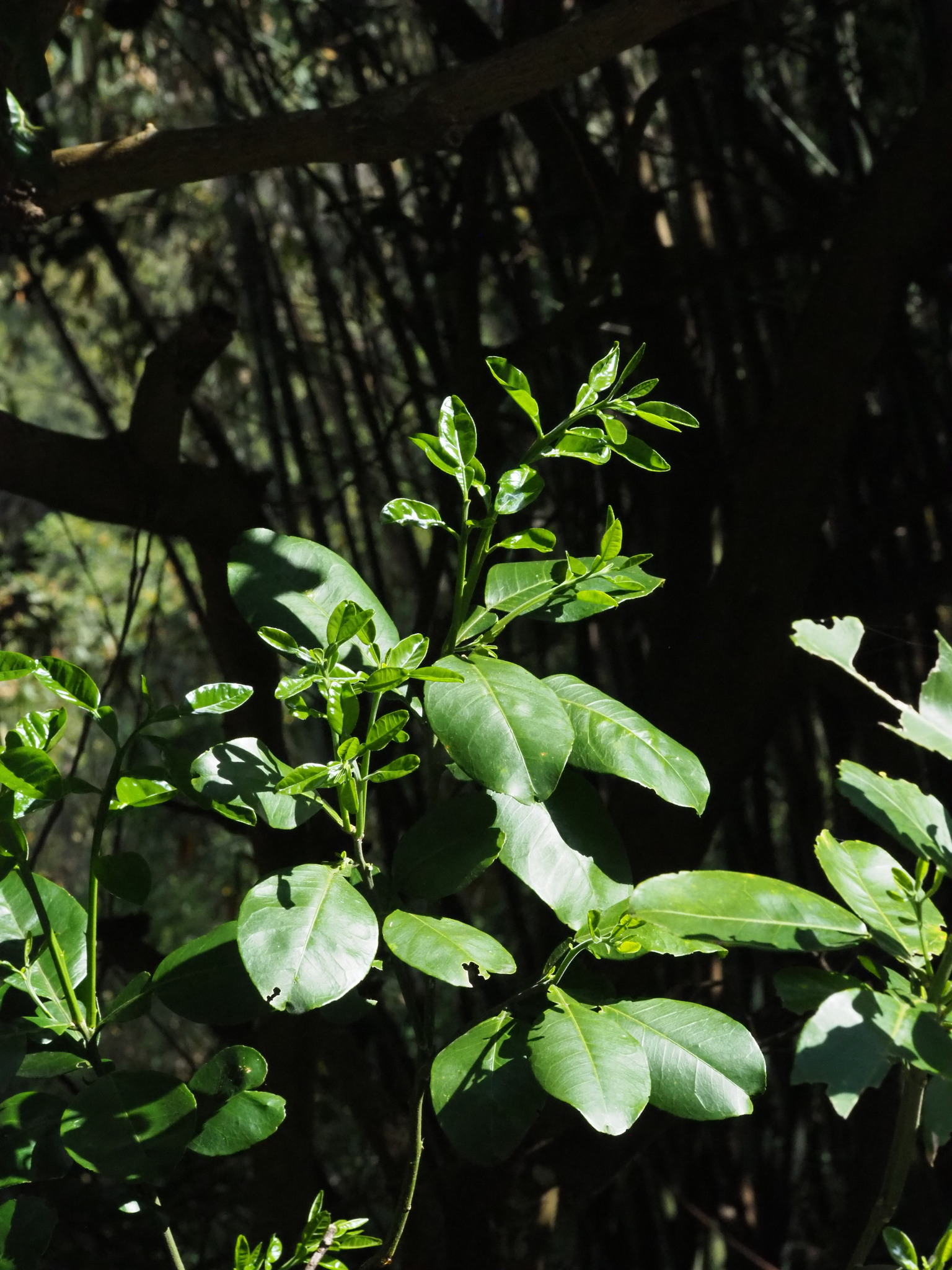
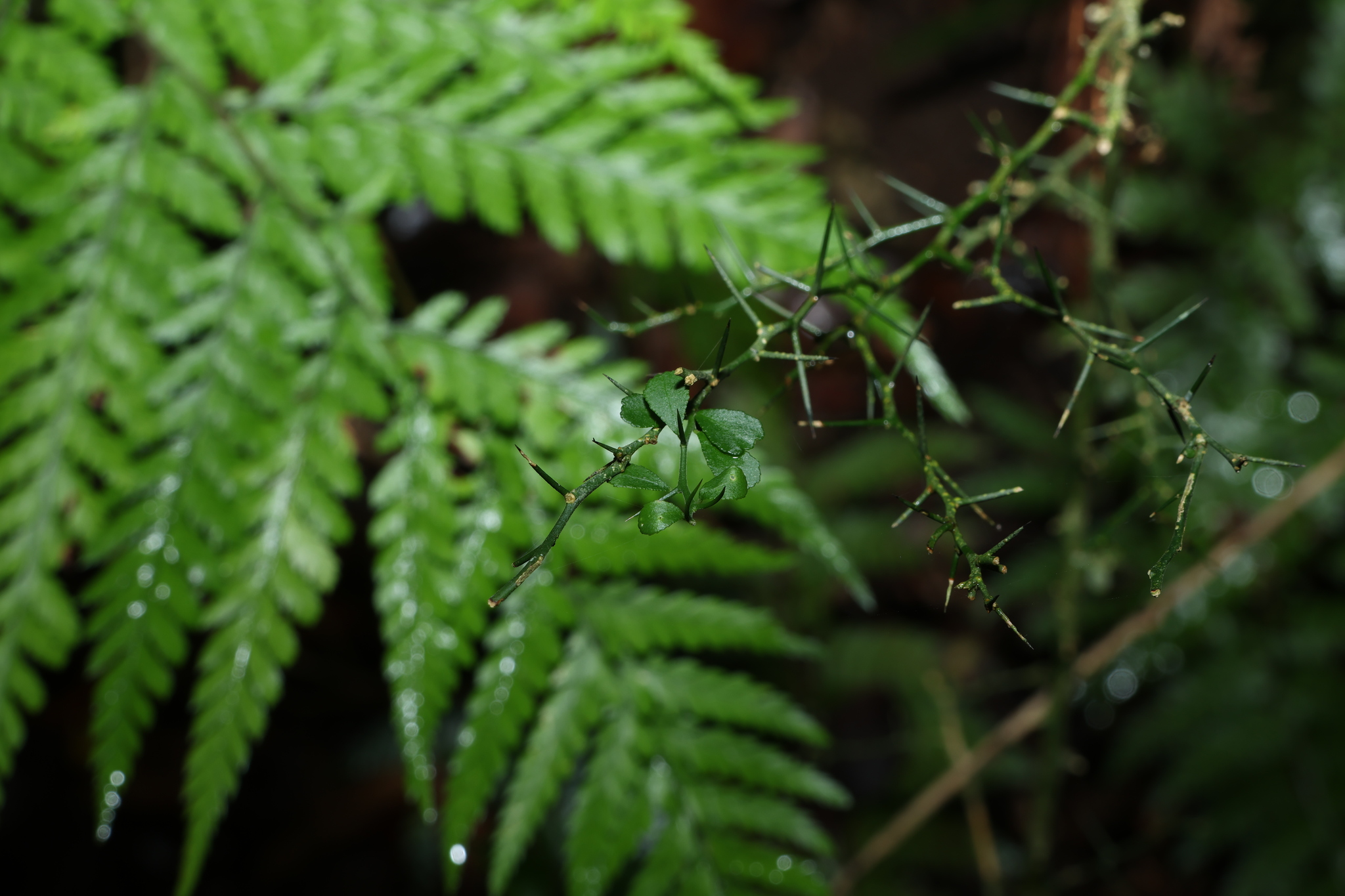
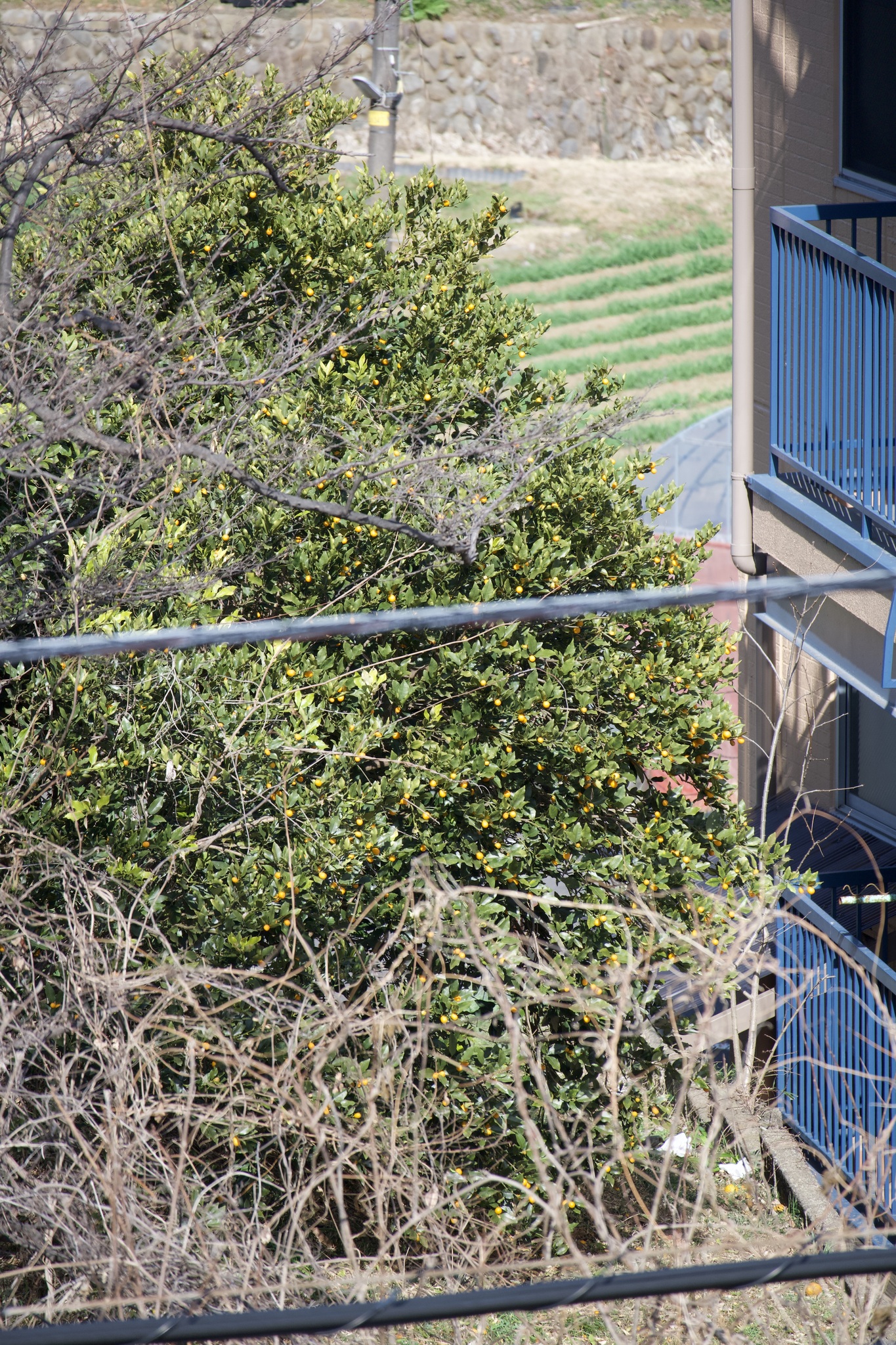
Photos of Sour Orange (Citrus × aurantium)
Common names and botanical synonyms
Botanical classification
| Rank | Name |
|---|---|
| Species | Citrus × aurantium |
Similar in genus Citrus
Answers based on plant encyclopedia data