Water
Water thoroughly when the top 2-3 cm of soil feels dry. Peace lilies prefer consistently moist soil but dislike waterlogged conditions. Reduce watering slightly in winter to prevent root rot.
Ensure good drainage to avoid standing water.
Also known as Peace Lily · Spathe Flower · Spatheflower
Safety note: This plant may be toxic to humans and pets. See toxicity details.
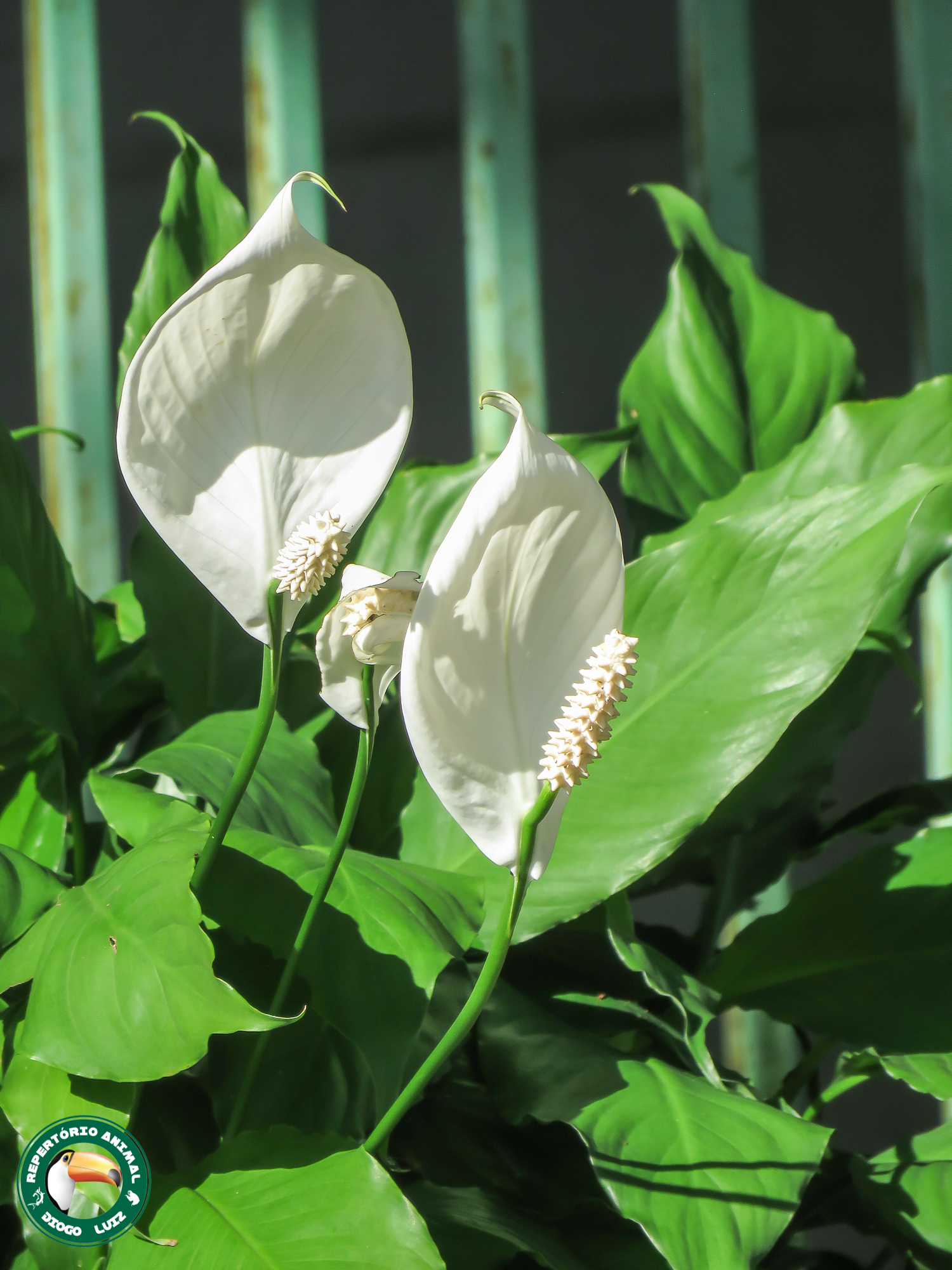
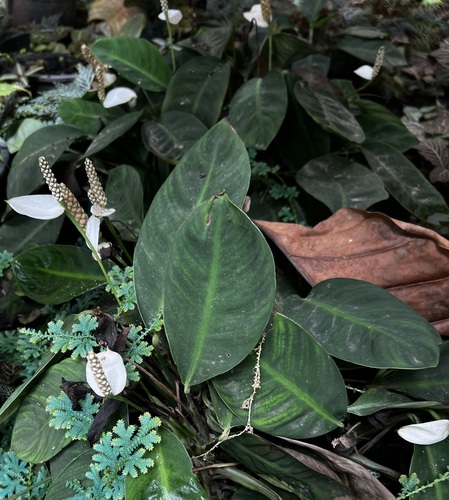
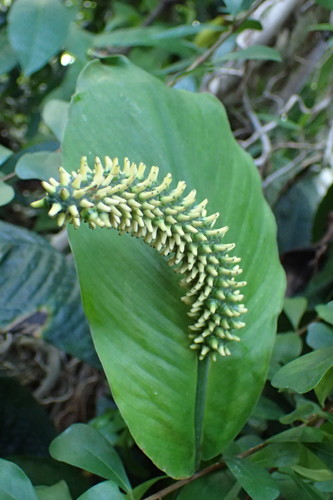
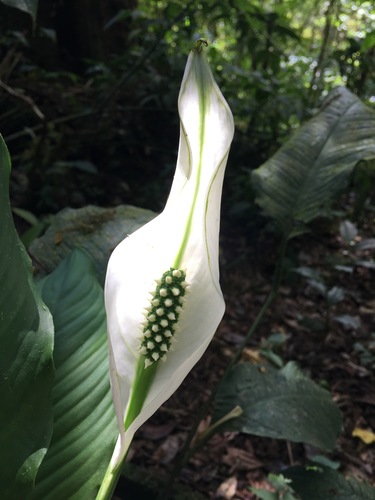
Canna-Leaf Peace Lily (Spathiphyllum cannifolium) is a striking evergreen perennial known for its large, glossy, canna-like leaves and elegant white spathes. Ideal for lo
At-a-glance light, water, soil, and growing conditions from plant data
Thrives in medium to low indirect light
50% intensity
Avoid direct sunlight, which can scorch leaves. Tolerates shade.
Prefers consistently moist soil
75% intensity
Allow top 2-3 cm to dry between waterings. Avoid waterlogging.
Well-draining potting mix, such as a peat-based mix amended with perlite or sand.
50% intensity
Prefers warm temperatures
75% intensity
Ideal range is 18-24°C. Avoid drafts and sudden temperature fluctuations.
Indoor
50% intensity
Moderate feeder
50% intensity
Fertilize bi-monthly during growing season with diluted liquid fertilizer.
Safety information from plant toxicity data
| Attribute | Value |
|---|---|
| Toxic for humans | Yes 2/5 intensity |
| Toxic for pets | Yes 3/5 intensity |
| Edible | No |
Mildly toxic if ingested due to calcium oxalate crystals.
Key traits and growing stats from plant data
Watering, pruning, propagation, and repotting details from plant data
Water thoroughly when the top 2-3 cm of soil feels dry. Peace lilies prefer consistently moist soil but dislike waterlogged conditions. Reduce watering slightly in winter to prevent root rot.
Ensure good drainage to avoid standing water.
Prune away yellowing or dead leaves and spent flower stalks at the base of the plant to maintain a tidy appearance and encourage new growth. Use clean, sharp scissors or pruners. This also helps prevent disease.
Peace lilies can be propagated by division. In spring, carefully divide the root ball of a mature plant into smaller sections, each with at least one pseudobulb and several leaves. Replant each division in its own pot.
Repot your Canna-Leaf Peace Lily every 1-2 years, or when it becomes root-bound. Choose a pot that is only slightly larger than the current one. Spring is the ideal time for repotting to give the plant a fresh start.
Identify plants like this with ePlant AI
Snap a photo to get care tips and match similar species on the go.
Monthly activity intensity for bloom and fruit across both hemispheres.
Flowering & fruiting calendar
Flowering & fruiting calendar
Photos of Canna-Leaf Peace Lily (Spathiphyllum cannifolium)
Where Canna-Leaf Peace Lily (Spathiphyllum cannifolium) is found

Density
Tap map to explore
Common names and botanical synonyms
Botanical classification
| Rank | Name |
|---|---|
| Kingdom | Plantae |
| Division | Tracheophyta |
| Class | Liliopsida |
| Order | Alismatales |
| Family | Araceae |
| Genus | Spathiphyllum |
| Species | Spathiphyllum cannifolium |
Similar in genus Spathiphyllum
Answers based on plant encyclopedia data