Monstera Lechleriana (Monstera lechleriana)

Lechler's Monstera

Monstera lechleriana is a tropical vine known for its deeply lobed leaves. It thrives in humid, shaded environments and is a sought-after houseplant for its tropical aest

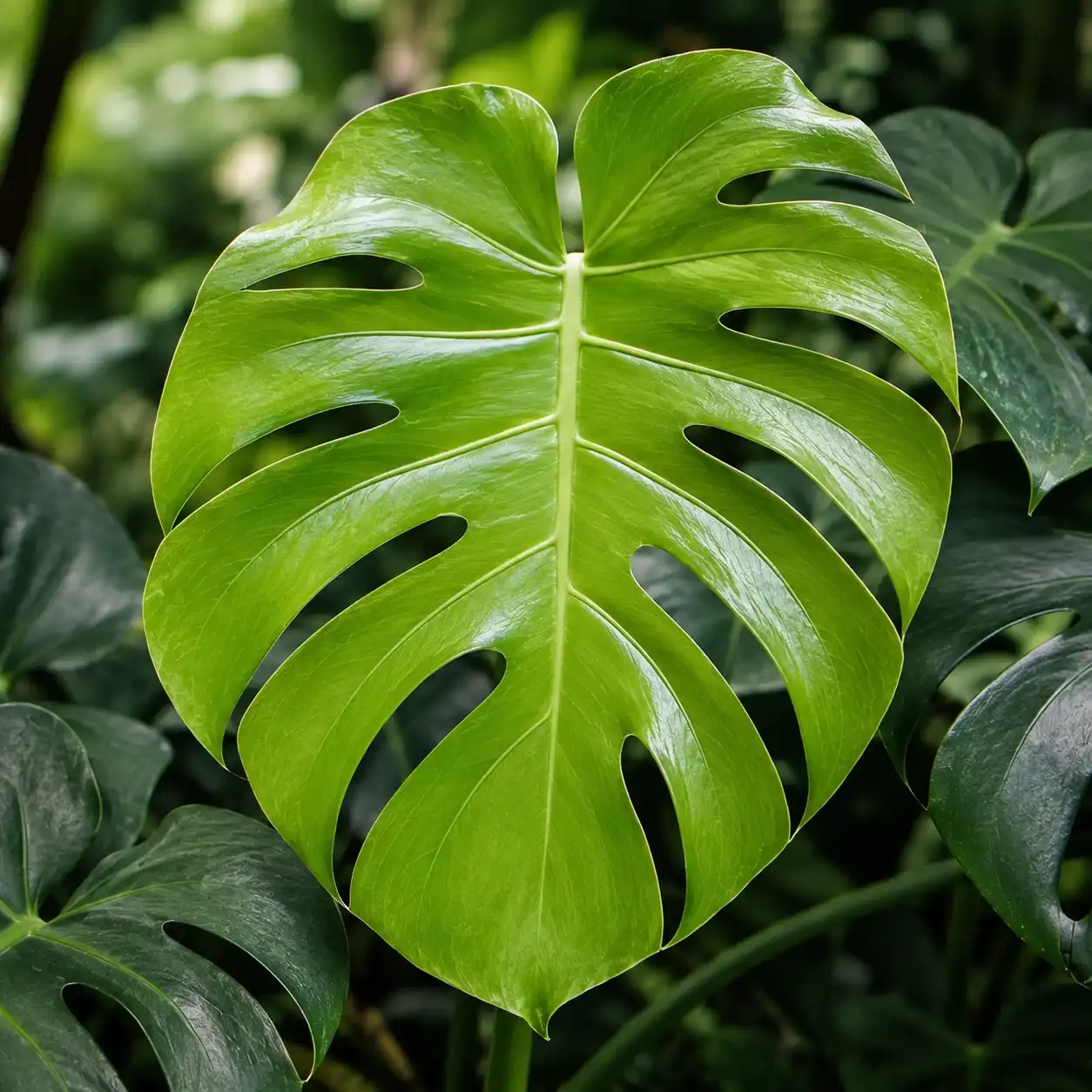
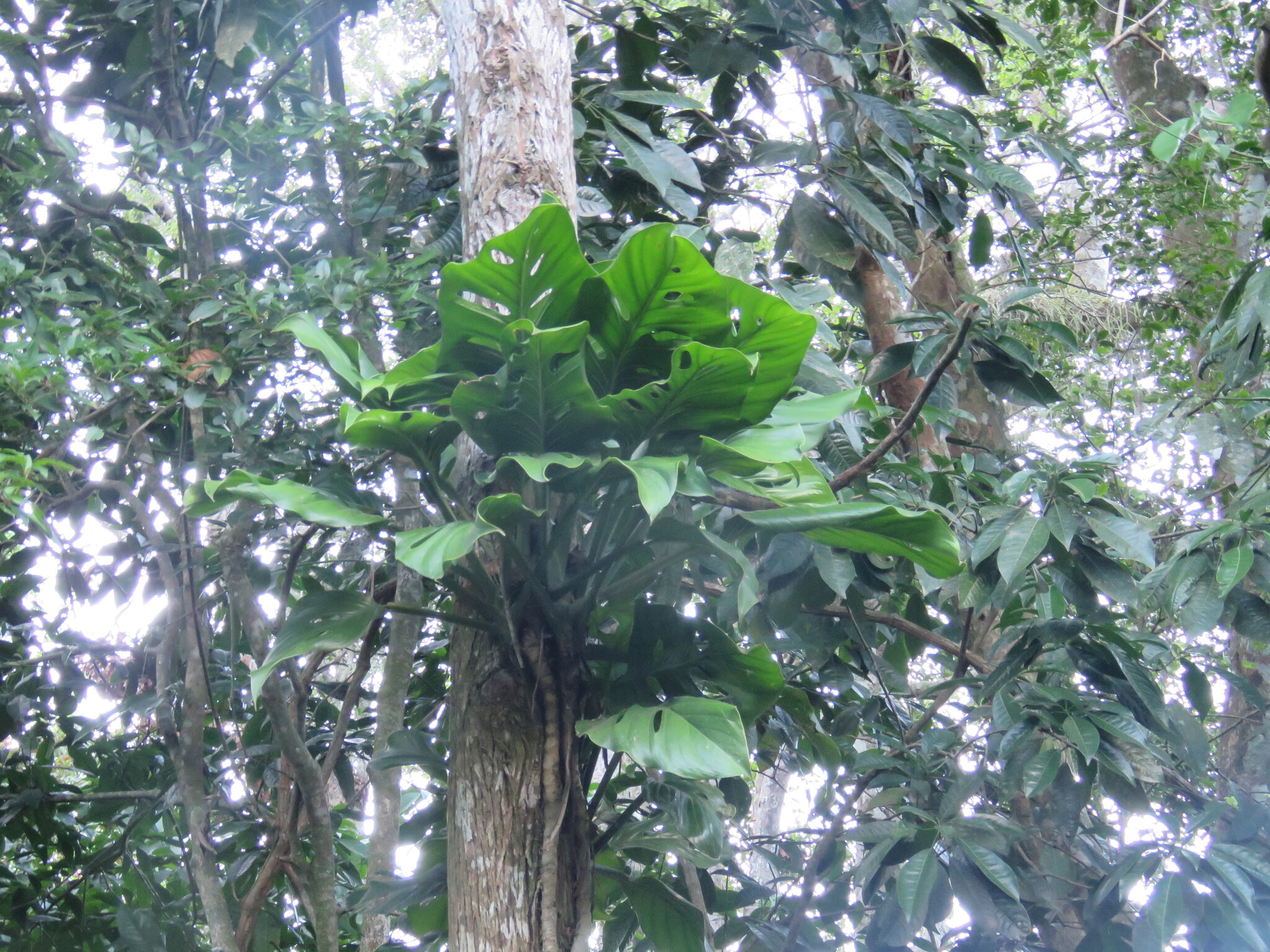
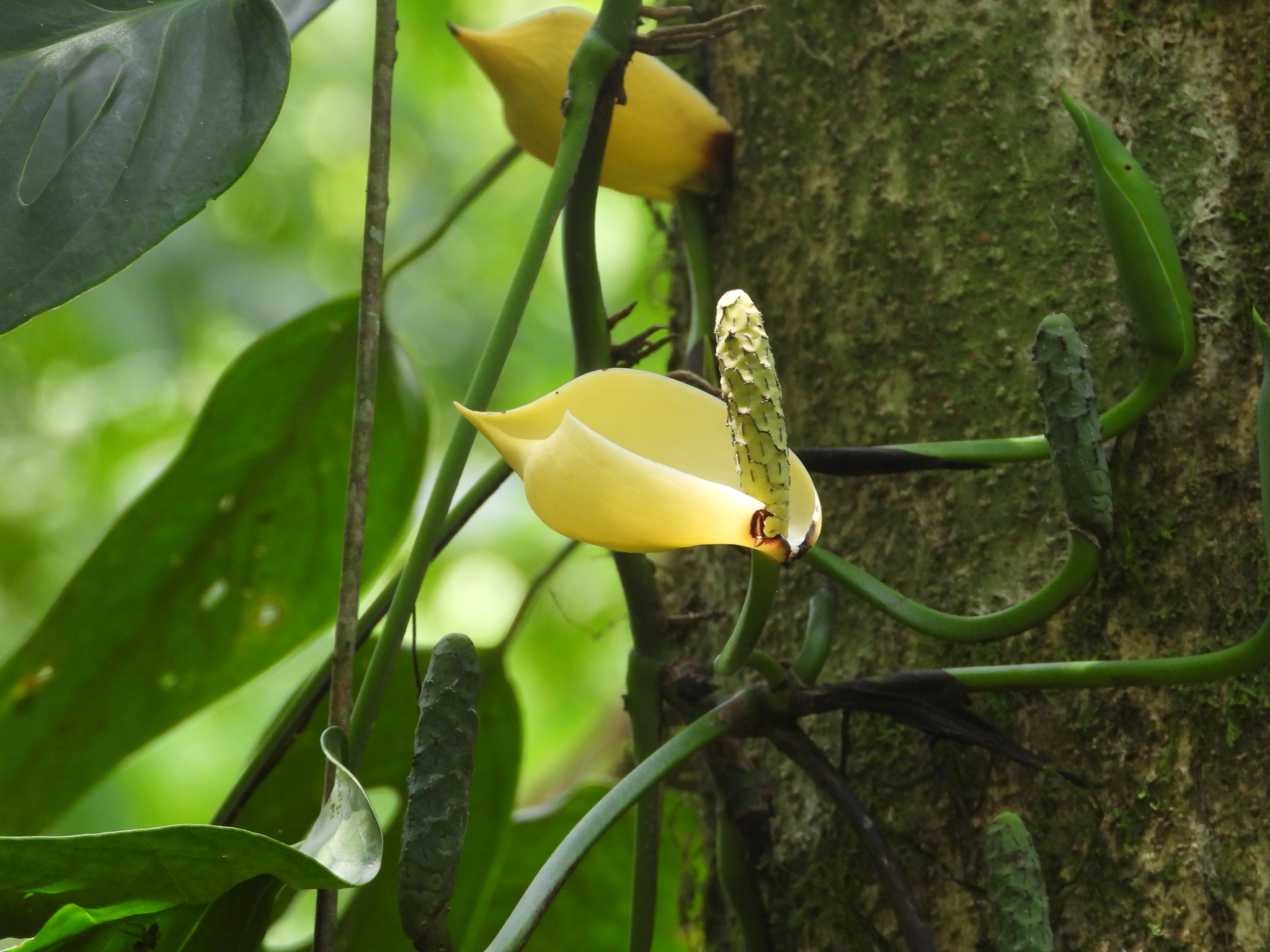
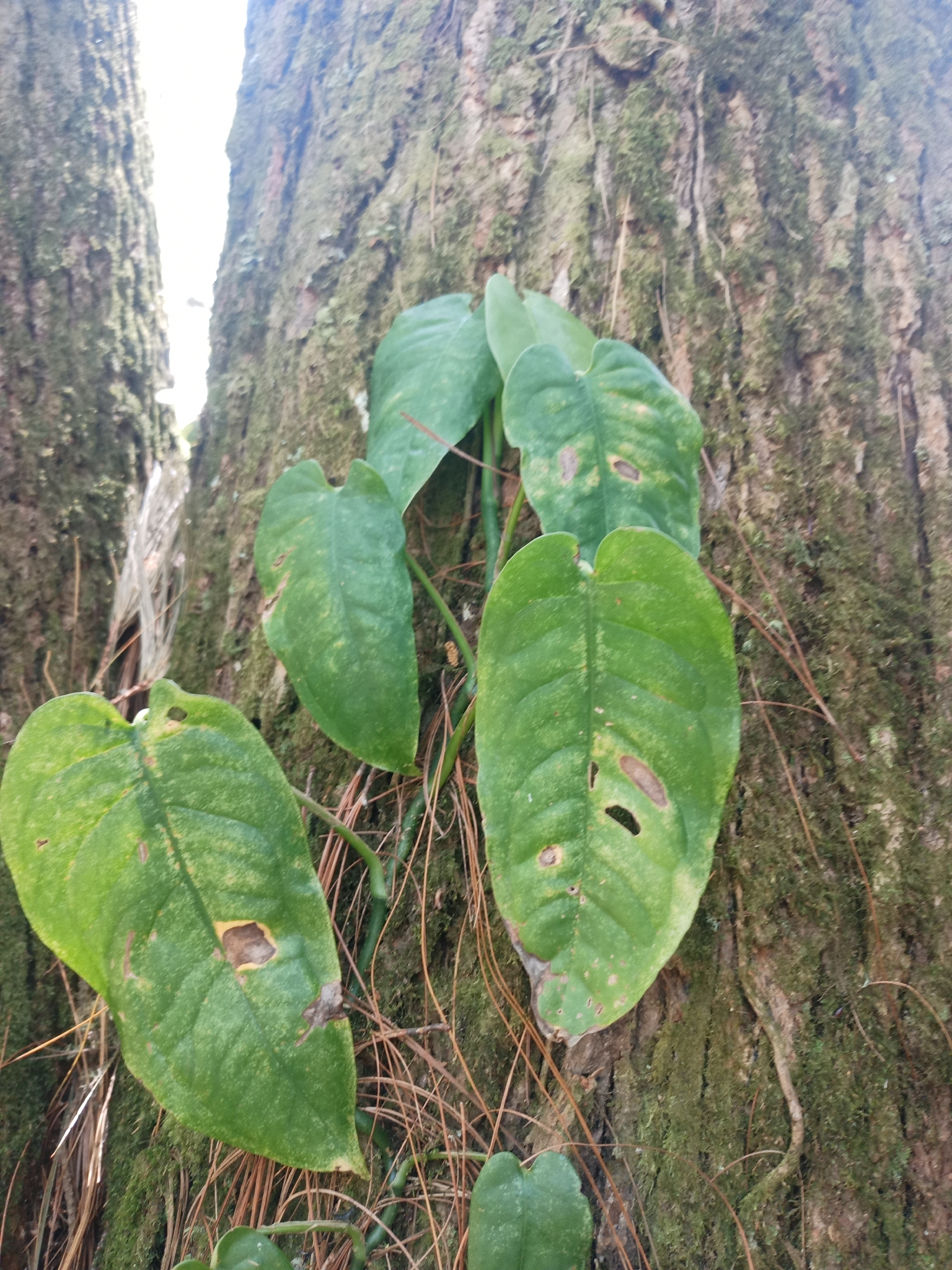
Monstera lechleriana is a captivating species within the Araceae family, renowned for its distinctive foliage and climbing habit. As a member of the Monstera genus, it shares a lineage with more widely recognized species, yet possesses unique characteristics that distinguish it within its natural environment. This plant is an integral part of the understory and mid-canopy of its native tropical forests, contributing to the biodiversity of these ecosystems. The physical attributes of Monstera lechleriana are primarily defined by its growth form and leaf morphology. It is a hemi-epiphyte, meaning it begins life as a terrestrial seedling and subsequently develops aerial roots to ascend trees, becoming a climber. In its natural habitat, it can reach significant heights, supported by its host trees. The leaves are a striking feature, typically ovate to oblong in shape, and can become quite large as the plant matures. A key characteristic of many Monstera species, including Monstera lechleriana, is the development of perforations or fenestrations within the leaf blade, which can take the form of holes or splits. These fenestrations are thought to play a role in reducing wind resistance and allowing light to penetrate to lower leaves. The inflorescence, when present, is typical of the Araceae family, consisting of a spathe and a spadix, though flowering is not a prominent ornamental feature for this species in cultivation. Information regarding its fruits and seeds is less commonly documented in general horticultural literature, but when present, they are characteristic of the genus. Monstera lechleriana is native to the Neotropics, with its distribution extending across various South American countries. It thrives in humid tropical rainforest environments, typically found in areas with consistent rainfall and high atmospheric moisture. In cultivation, it requires conditions that mimic its native habitat: warm temperatures, high humidity, and bright, indirect light. It prefers well-draining potting mixes that retain some moisture. As a climber, it benefits from support structures such as moss poles or trellises, which encourage its natural growth habit and the development of larger, more fenestrated leaves. Overwatering should be avoided, as this can lead to root rot. The ecological significance of Monstera lechleriana lies in its role as a component of the forest structure, providing habitat and contributing to the overall biomass of its ecosystem. While not widely cultivated for specific economic or medicinal purposes, its ornamental value is appreciated by plant enthusiasts who seek its unique aesthetic. The development of its fenestrated leaves is a fascinating adaptation, showcasing the plant's evolutionary response to its environment. These perforations are not merely decorative; they are functional elements that enhance the plant's survival and growth in the competitive tropical forest setting. Understanding these adaptations provides a deeper appreciation for the intricate relationships between plants and their natural world.

Above information is sourced from Wikipedia

Sunlight

Prefers bright, indirect light.

Watering

Keep soil consistently moist but not waterlogged.

Soil

Well-draining potting mix

Temperature

Ideal temperatures range from 18-27°C.

Habitat

Indoor, Outdoor

Fertilizer

Feed during the growing season.

Care Requirements

Light

Prefers bright, indirect light.

Avoid direct sunlight, which can scorch leaves.

Watering

Keep soil consistently moist but not waterlogged.

Allow top inch of soil to dry out between waterings.

Soil

Well-draining potting mix

Temperature

Ideal temperatures range from 18-27°C.

Protect from cold drafts and sudden temperature fluctuations.

Habitat

Indoor, Outdoor

Fertilizer

Feed during the growing season.

Use a balanced liquid fertilizer diluted to half strength every 4-6 weeks from spring to summer.

Plant Overview

Plant Type

Vine

Plant Category

Ornamental, Foliage

Plant Place Type

Pot, Garden

Plant Environment

Indoor, Outdoor

Lifespan

Perennial

Plant Height

500-1000 cm

Spread

100-200 cm

Growth Rate

Moderate

Dormancy

None

Leaf Color

Green

Leaf Type

Lobed

Flower Size

5-10 cm

Optimal Sunlight Lux

7000

Image Gallery

Flowering & Fruiting Cycles

Monthly activity intensity for bloom and fruit across both hemispheres.

Northern hemisphere

Flowering & fruiting calendar

Peak bloom · JulPeak fruit · Aug
FloweringFruiting
02468JanFebMarAprMayJunJulAugSepOctNovDecActivity intensityMonths55
Southern hemisphere

Flowering & fruiting calendar

Peak bloom · JunPeak fruit · May
FloweringFruiting
02468JanFebMarAprMayJunJulAugSepOctNovDecActivity intensityMonths55
Synonyms
Monstera henry-pittieri G.S.Bunting
Monstera maxima Engl. & K.Krause
Taxonomy
  • kingdomPlantae
  • divisionTracheophyta
  • classLiliopsida
  • orderAlismatales
  • familyAraceae
  • genusMonstera
  • speciesMonstera lechleriana
Toxicity

Toxic for humans

Yes

Rating: 3/5

Toxic for pets

Yes

Rating: 3/5

Edible

No

Toxic if ingested

Additional Care Tips

Water Monstera lechleriana thoroughly when the top 2-3 cm of soil feels dry to the touch. Avoid overwatering, which can lead to root rot. Reduce watering slightly during cooler months to accommodate slower growth. Ensure good drainage to prevent waterlogged conditions.

Prune Monstera lechleriana to maintain its shape, remove yellowing or damaged leaves, or to control its size. Use clean, sharp shears or a knife. Pruning can also encourage bushier growth. Remove aerial roots that are not supporting the plant if desired.

Propagate Monstera lechleriana through stem cuttings. Take a cutting with at least one node and a few leaves. You can root the cutting in water or directly in well-draining potting mix. New growth should appear within a few weeks.

Repot Monstera lechleriana every 2-3 years, or when it becomes root-bound. Choose a pot that is 2-5 cm larger in diameter than the current one. Use a well-draining potting mix. Repotting is best done in spring.

FAQs

What are the light requirements for Monstera lechleriana?

Monstera lechleriana prefers bright, indirect light. Avoid direct sunlight, which can scorch its leaves.

How often should I water Monstera lechleriana?

Water when the top 2-3 cm of soil feels dry to the touch. Ensure good drainage to prevent root rot.

What kind of soil is best for Monstera lechleriana?

A well-draining potting mix is ideal. A mix formulated for aroids or houseplants, often containing peat moss, perlite, and bark, works well.

Does Monstera lechleriana need high humidity?

Yes, Monstera lechleriana thrives in high humidity. You can increase humidity by misting the plant, using a humidifier, or placing it on a pebble tray.

When and how should I fertilize Monstera lechleriana?

Fertilize during the growing season (spring and summer) with a balanced liquid fertilizer diluted to half strength, about once a month.