Water
Water moderately when the foliage begins to yellow and die back in early summer. Allow the soil to dry out between waterings during the dormant period in late summer and fall.
Resume regular watering as new growth appears in spring.
Also known as Hardy Amaryllis · Magic-Lily · Naked Ladies
Safety note: This plant may be toxic to humans and pets. See toxicity details.
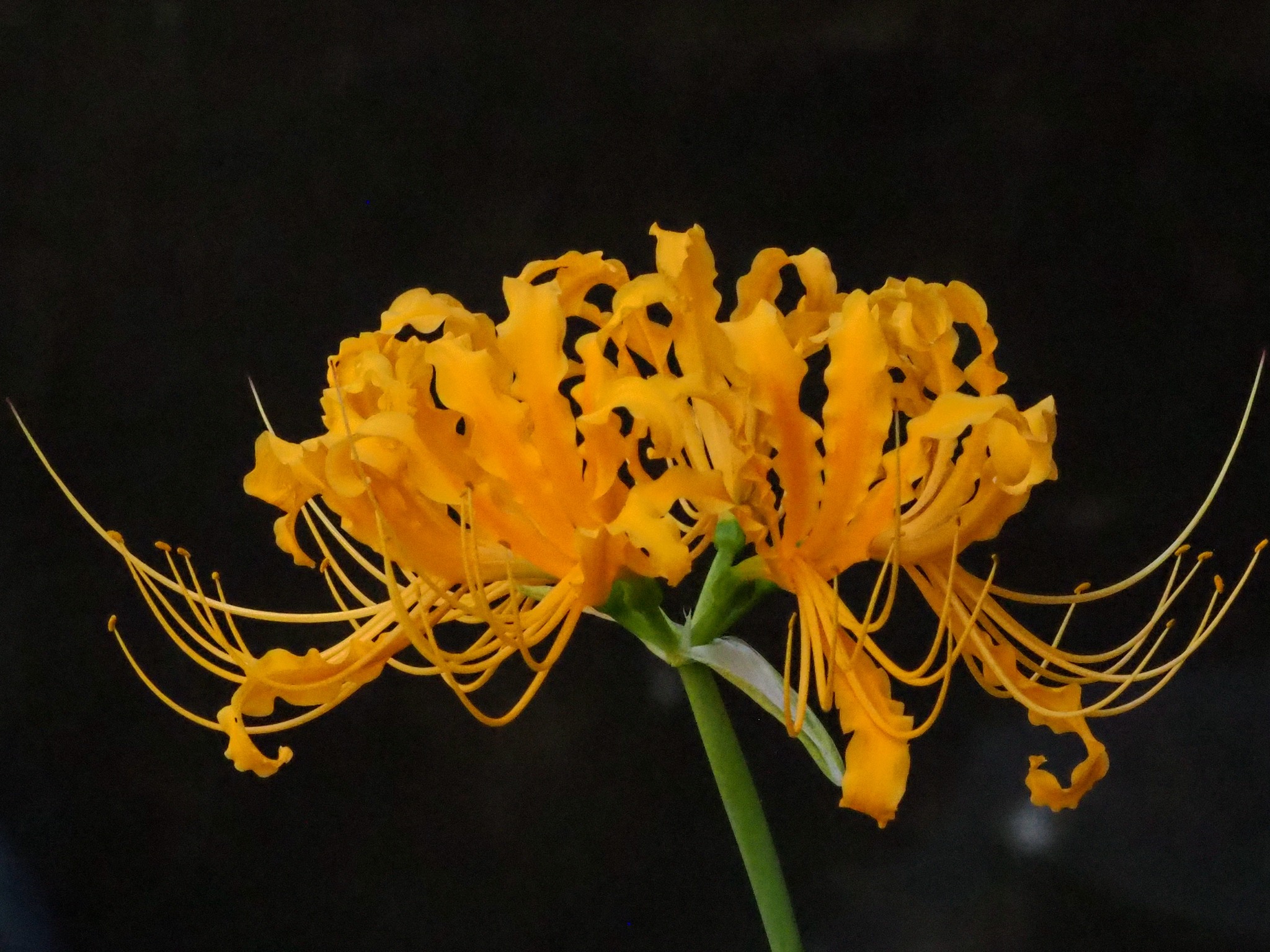
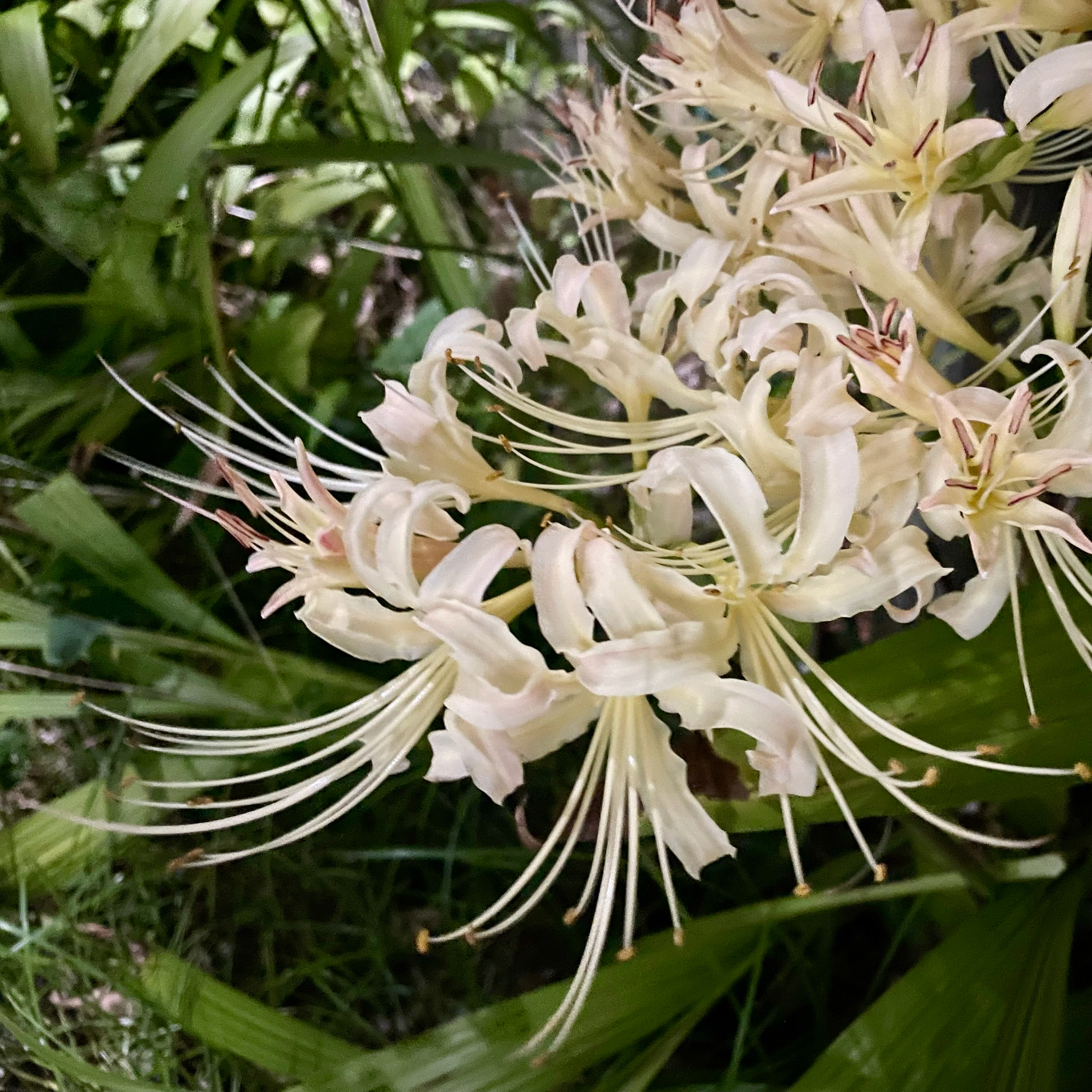
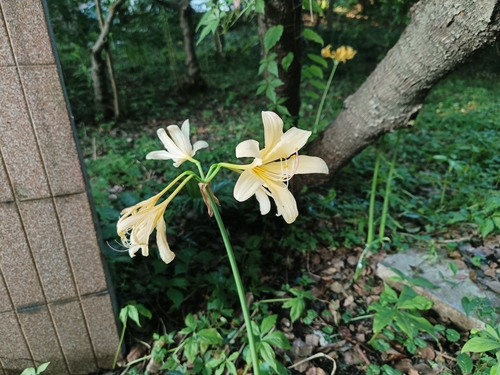
Resurrection Lily (Lycoris squamigera) is a striking perennial known for its late summer, naked flower scapes appearing after foliage has died back.
At-a-glance light, water, soil, and growing conditions from plant data
Full sun to partial shade
75% intensity
Prefers at least 6 hours of direct sunlight daily for best blooming, but tolerates some shade.
Moderate during growth, dry during dormancy
50% intensity
Allow soil to dry between waterings when foliage is present. Keep drier during summer dormancy.
Well-drained
50% intensity
Hardy
50% intensity
Thrives in temperate climates; hardy in USDA zones 4-9. Tolerates a range of seasonal temperatures.
Moderate
50% intensity
Apply a balanced fertilizer in early spring. Avoid over-fertilizing.
Safety information from plant toxicity data
| Attribute | Value |
|---|---|
| Toxic for humans | Yes 5/5 intensity |
| Toxic for pets | Yes 5/5 intensity |
| Edible | No |
Bulbs are toxic if ingested. Contains lycorine and other alkaloids.
Key traits and growing stats from plant data
Watering, pruning, propagation, and repotting details from plant data
Water moderately when the foliage begins to yellow and die back in early summer. Allow the soil to dry out between waterings during the dormant period in late summer and fall.
Resume regular watering as new growth appears in spring.
Pruning is minimal for Resurrection Lilies. Remove spent flower stalks after blooming to prevent seed production, which can divert energy from bulb development.
Cut back yellowing or dead foliage in early summer once it has fully senesced.
Resurrection Lilies are best propagated by dividing overcrowded clumps. This is typically done in late summer or early fall after the foliage has died back.
Separate bulbs carefully, ensuring each division has at least one healthy bulb and roots.
Repotting is generally only necessary when bulbs become overcrowded, usually every 3-5 years. The best time to repot is in late summer or early fall when the plant is dormant.
Plant bulbs 10-15 cm deep in well-draining soil.
Identify plants like this with ePlant AI
Snap a photo to get care tips and match similar species on the go.
Monthly activity intensity for bloom and fruit across both hemispheres.
Flowering & fruiting calendar
Flowering & fruiting calendar
Photos of Resurrection Lily (Lycoris squamigera)
Where Resurrection Lily (Lycoris squamigera) is found

Density
Tap map to explore
Common names and botanical synonyms
Botanical classification
| Rank | Name |
|---|---|
| Kingdom | Plantae |
| Division | Tracheophyta |
| Class | Liliopsida |
| Order | Asparagales |
| Family | Amaryllidaceae |
| Genus | Lycoris |
| Species | Lycoris squamigera |
Similar in genus Lycoris
Answers based on plant encyclopedia data