Water
Water thoroughly when the top few centimeters of soil feel dry, reducing frequency in winter. Ensure good drainage to prevent root rot, especially for container-grown plants.
Overwatering is more detrimental than slight underwatering.
Also known as (sweet) Bay Leaf · Apollo Laurel · Bay
Sweet Bay Leaf (Laurus nobilis) is an evergreen shrub or small tree, prized for its aromatic leaves used in cooking and its ornamental value in gardens.
At-a-glance light, water, soil, and growing conditions from plant data
Full sun to partial shade
100% intensity
Moderate
100% intensity
Allow soil to dry slightly
Well-draining, fertile, slightly acidic to neutral
50% intensity
Cool to warm
100% intensity
Protect from hard frosts
Outdoor, Indoor
50% intensity
Moderate
100% intensity
During growing season
Safety information from plant toxicity data
| Attribute | Value |
|---|---|
| Toxic for humans | No 0/5 intensity |
| Toxic for pets | No 0/5 intensity |
| Edible | Yes |
The leaves of Laurus nobilis are safe for culinary use and are non-toxic to common pets. It should not be confused with other toxic plants sometimes called 'bay'.
Key traits and growing stats from plant data
Watering, pruning, propagation, and repotting details from plant data
Water thoroughly when the top few centimeters of soil feel dry, reducing frequency in winter. Ensure good drainage to prevent root rot, especially for container-grown plants.
Overwatering is more detrimental than slight underwatering.
Prune your bay laurel in late spring or early summer after the risk of hard frost has passed. This is ideal for maintaining its desired shape, controlling size, and encouraging denser, bushier growth.
Bay laurels are very tolerant of pruning and can be easily trained into various forms, including hedges or topiary. Always remove any dead, diseased, or crossing branches to improve air circulation and plant health.
Propagate Laurus nobilis from semi-ripe cuttings taken in late summer or early autumn. Root cuttings in a well-draining medium with bottom heat and high humidity.
Seed propagation is also possible but slower and less reliable.
Repot container-grown bay laurels every 2-3 years in spring, moving to a slightly larger pot if needed. Refresh the soil with a fresh, well-draining potting mix.
For larger plants, root prune and replace the top layer of soil.
Identify plants like this with ePlant AI
Snap a photo to get care tips and match similar species on the go.
Monthly activity intensity for bloom and fruit across both hemispheres.
Flowering & fruiting calendar
Flowering & fruiting calendar
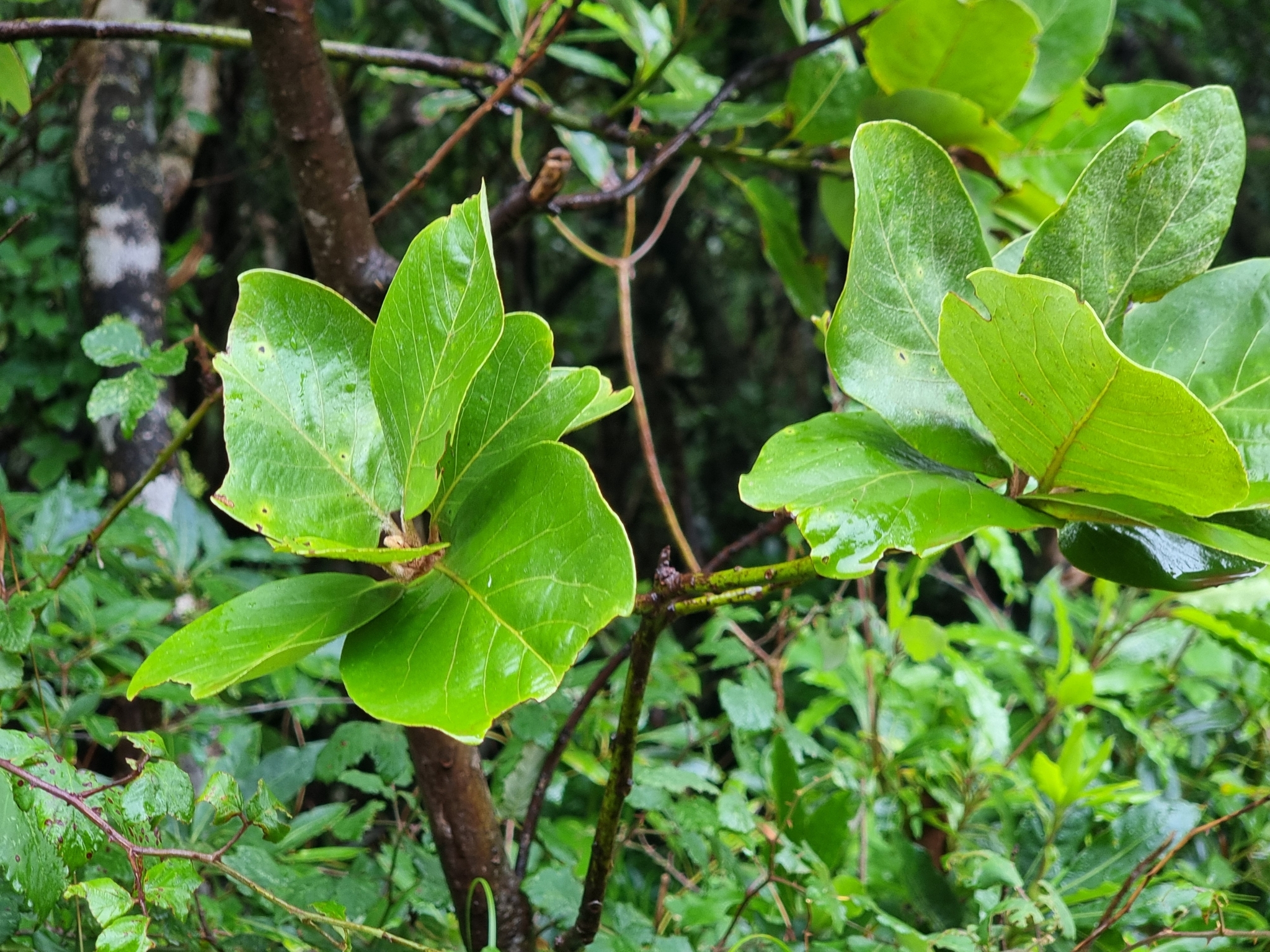
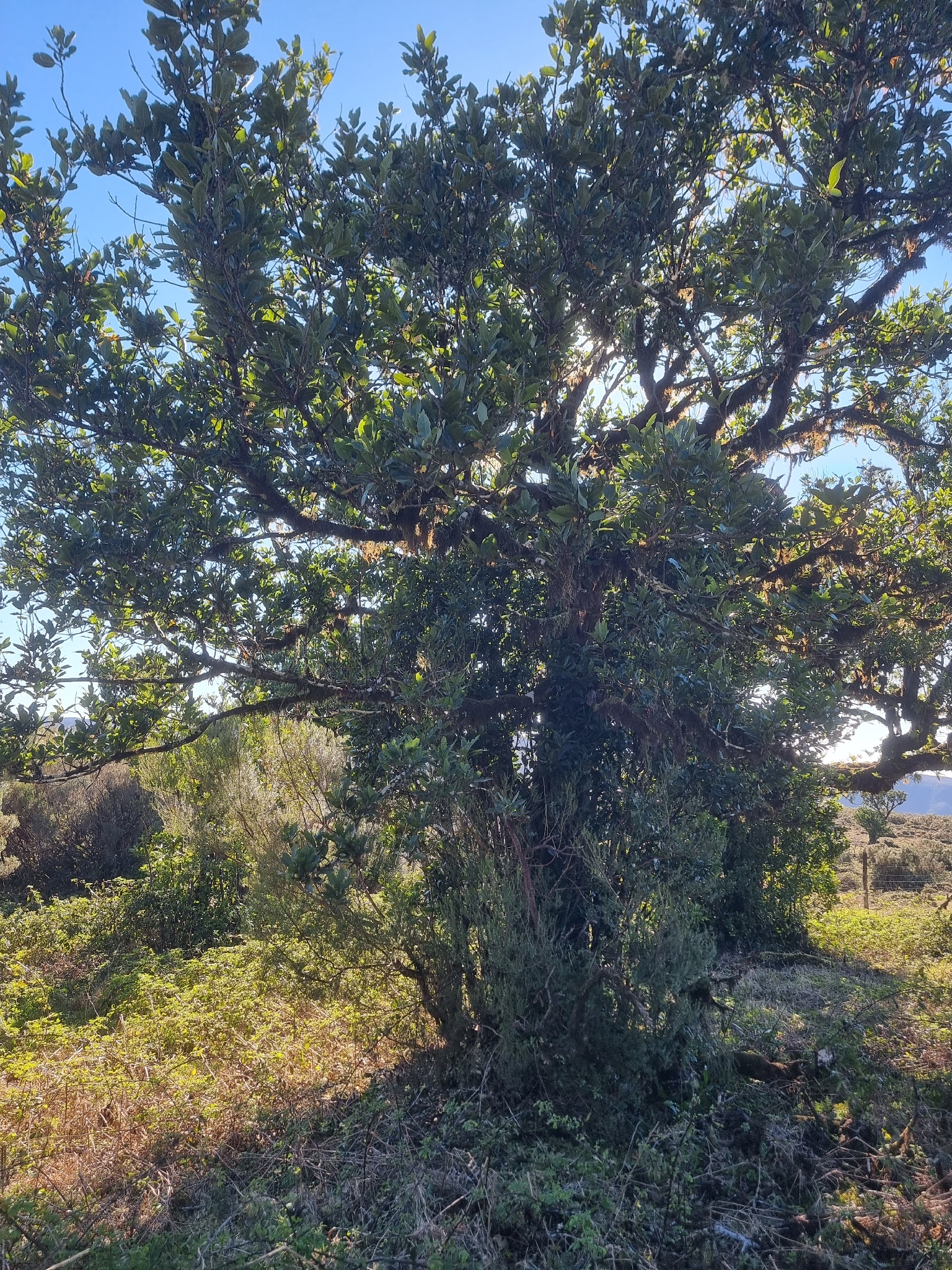
Photos of Bay Laurel (Laurus nobilis)
Where Bay Laurel (Laurus nobilis) is found

Density
Tap map to explore
Common names and botanical synonyms
Botanical classification
| Rank | Name |
|---|---|
| Kingdom | Plantae |
| Division | Tracheophyta |
| Class | Magnoliopsida |
| Order | Laurales |
| Family | Lauraceae |
| Genus | Laurus |
| Species | Laurus nobilis |
Similar in genus Laurus
Answers based on plant encyclopedia data