Water
Water sparingly once the soil has dried out. Thyme prefers to be on the drier side and is susceptible to root rot if overwatered.
Ensure good drainage to prevent waterlogging, especially during cooler months when the plant's growth slows.
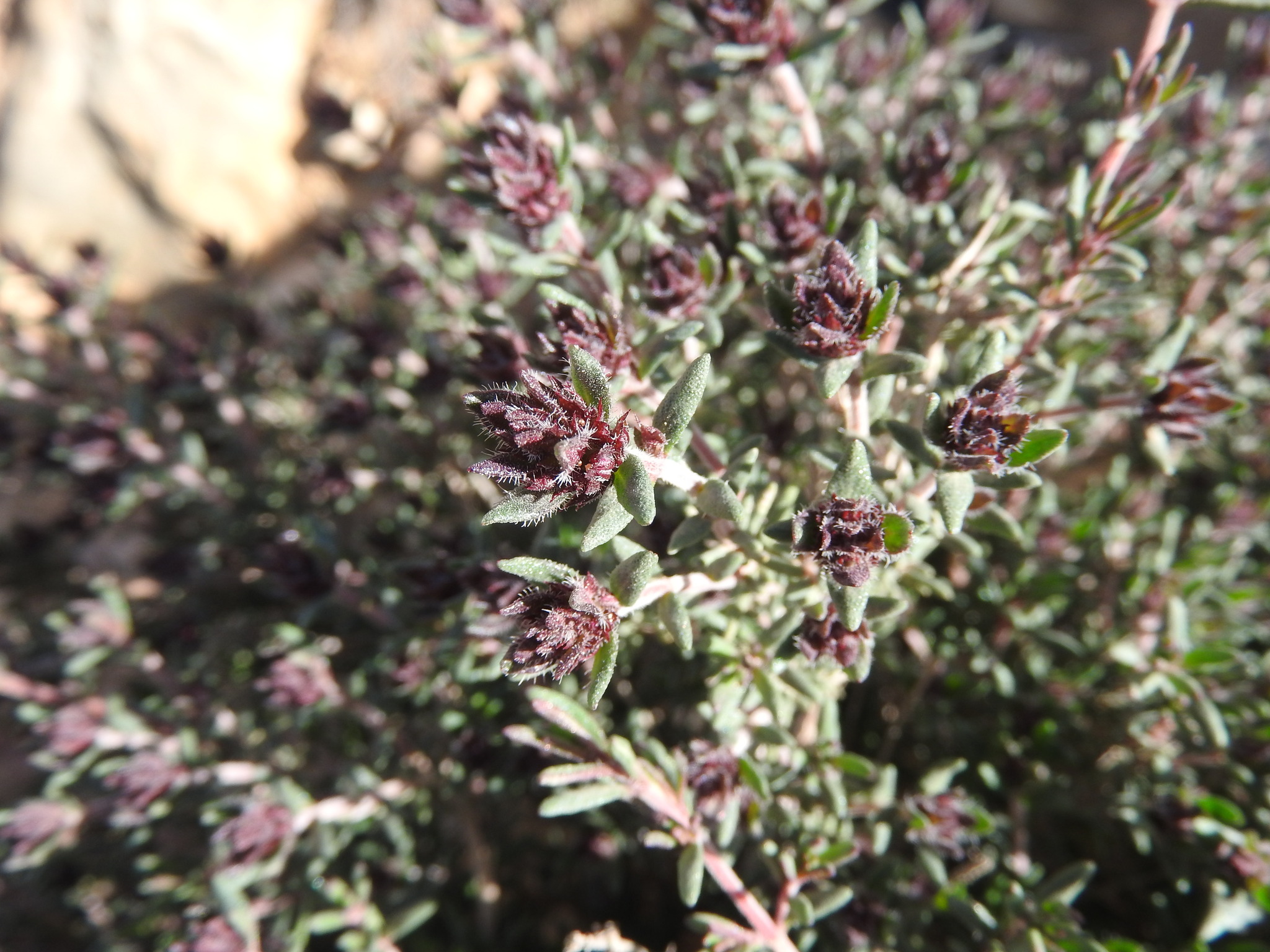
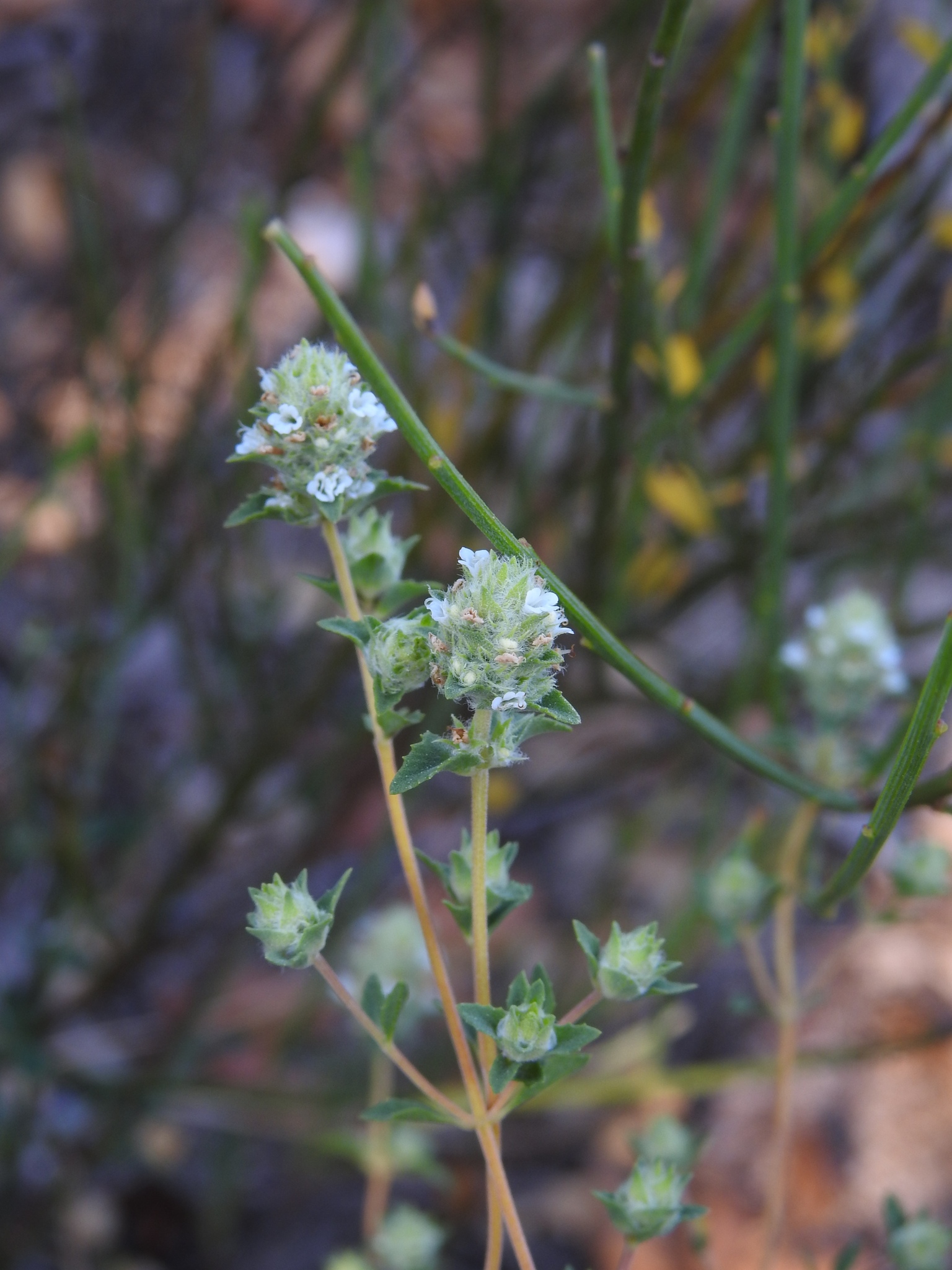
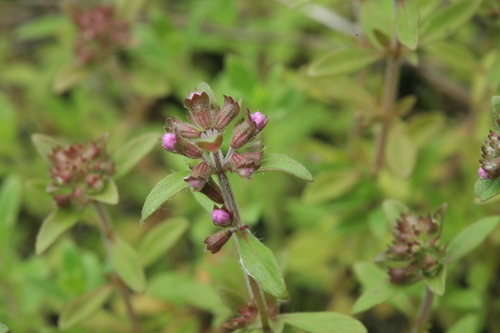
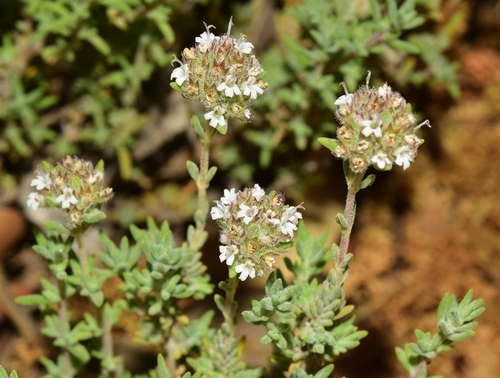
Attican Thyme (Thymus atticus) is a fragrant, low-growing perennial herb native to Greece and Turkey, admired for its aromatic foliage and delicate purple-pink flowers.
At-a-glance light, water, soil, and growing conditions from plant data
Full sun.
100% intensity
Requires at least 6 hours of direct sunlight per day for optimal growth and aroma.
Allow soil to dry out between waterings.
25% intensity
Prefers well-drained conditions; susceptible to root rot.
Well-drained, Sandy, Loamy
50% intensity
Prefers warm conditions.
75% intensity
Thrives in temperatures between 18-25°C. Can tolerate brief periods of higher heat but protect from extreme frost.
Outdoor
50% intensity
Minimal.
10% intensity
Does not require frequent feeding; over-fertilizing can reduce scent intensity.
Safety information from plant toxicity data
| Attribute | Value |
|---|---|
| Toxic for humans | No 0/5 intensity |
| Toxic for pets | No 0/5 intensity |
| Edible | Yes |
Key traits and growing stats from plant data
Watering, pruning, propagation, and repotting details from plant data
Water sparingly once the soil has dried out. Thyme prefers to be on the drier side and is susceptible to root rot if overwatered.
Ensure good drainage to prevent waterlogging, especially during cooler months when the plant's growth slows.
Prune Thymus atticus regularly to maintain a compact shape and encourage bushier growth. After flowering, trim back stems by about one-third to prevent woody growth and promote new foliage.
Light pruning can be done throughout the growing season to harvest sprigs.
Thymus atticus can be propagated by cuttings or division. Take softwood cuttings in late spring or semi-hardwood cuttings in mid-summer.
Divide established plants in spring or early autumn by carefully separating root masses. Ensure cuttings and divisions are planted in well-draining soil.
Repot Thymus atticus every 2-3 years or when it becomes root-bound. Use a well-draining potting mix, ideally containing sand or grit.
Choose a pot only slightly larger than the current one to avoid excessive moisture retention. Repot in spring before active growth begins.
Identify plants like this with ePlant AI
Snap a photo to get care tips and match similar species on the go.
Monthly activity intensity for bloom and fruit across both hemispheres.
Flowering & fruiting calendar
Flowering & fruiting calendar
Photos of Attican Thyme (Thymus atticus)
Common names and botanical synonyms
Botanical classification
| Rank | Name |
|---|---|
| Kingdom | Plantae |
| Division | Tracheophyta |
| Class | Magnoliopsida |
| Order | Lamiales |
| Family | Lamiaceae |
| Genus | Thymus |
| Species | Thymus atticus |
Similar in genus Thymus
Answers based on plant encyclopedia data