Water
Tiger Lilies prefer consistently moist soil but not waterlogged conditions. Water deeply when the top few centimeters of soil feel dry, especially during dry spells.
Reduce watering in fall as the plant enters dormancy to prevent bulb rot.
Also known as Devil Lily · Easter Lily · Japanese Lily
Safety note: This plant may be toxic to humans and pets. See toxicity details.
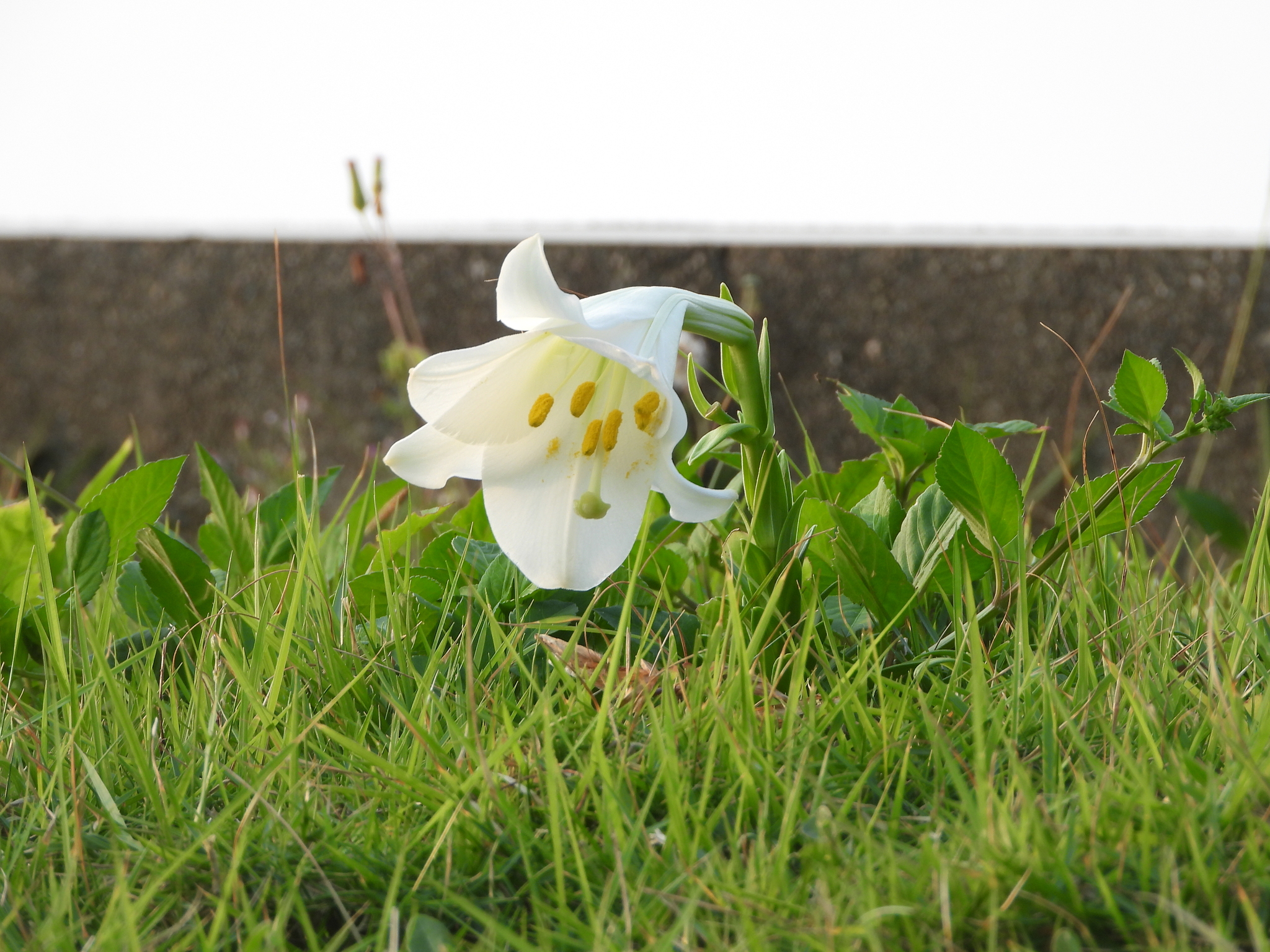
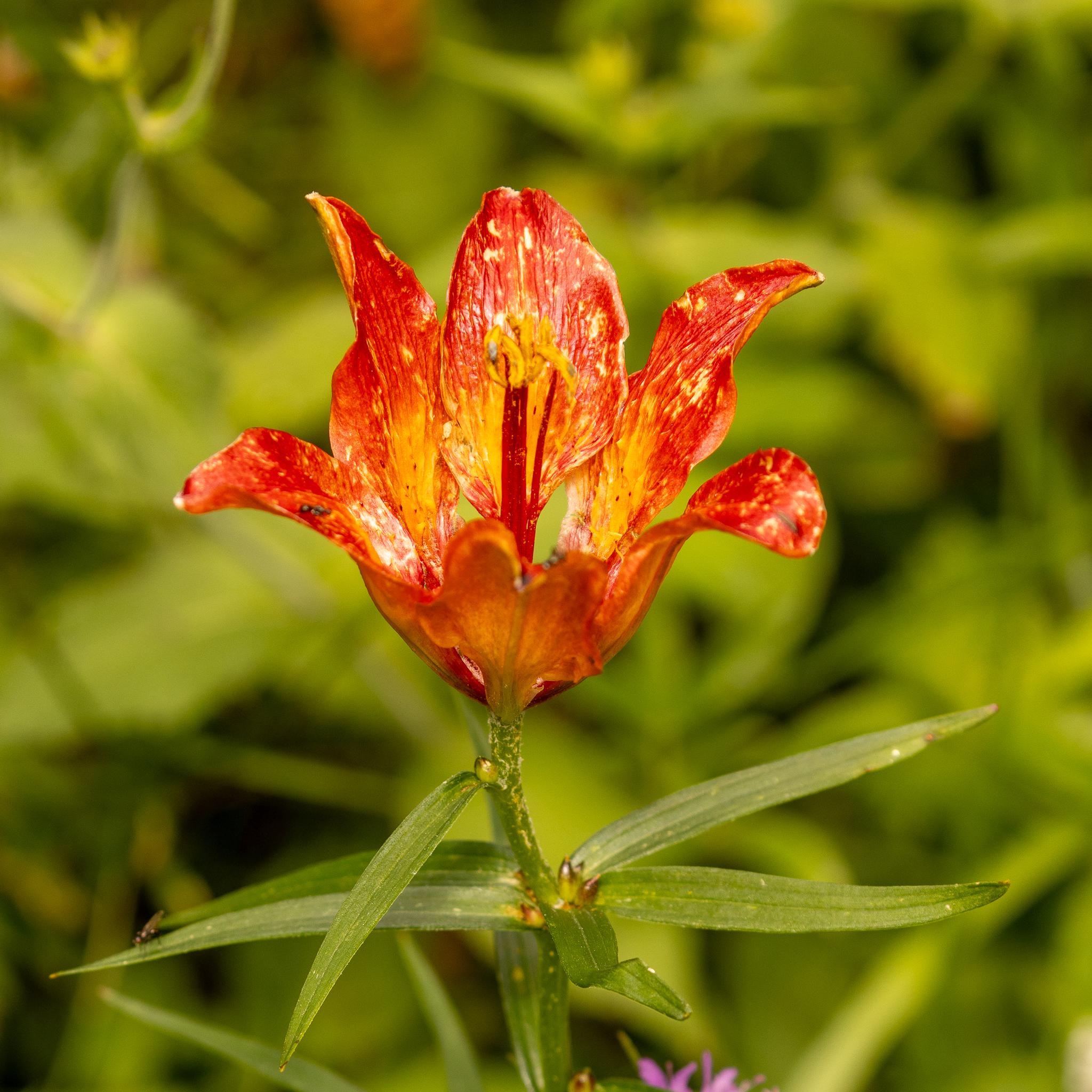
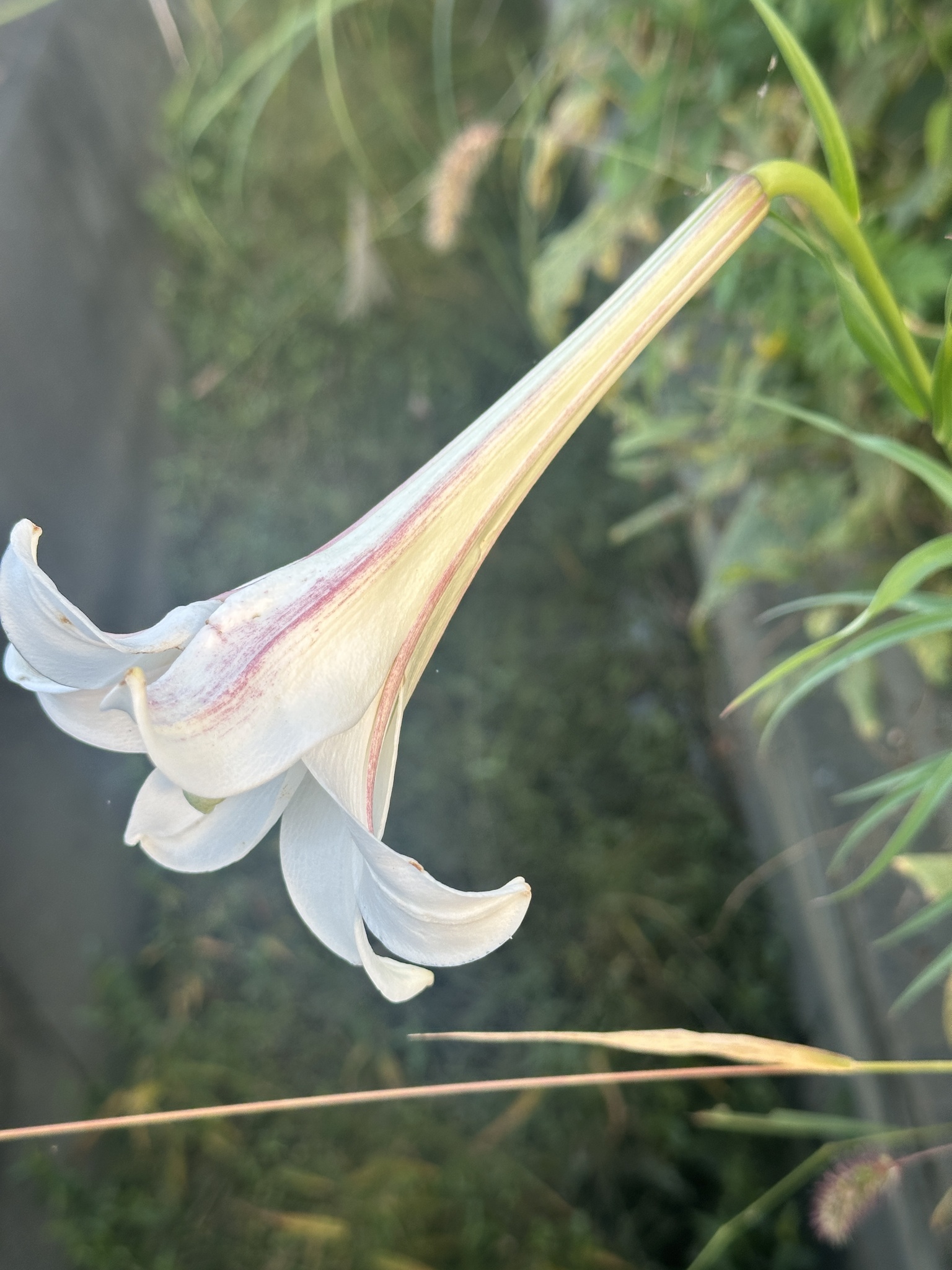
Tiger Lily (Lilium lancifolium) is a striking lily with orange, spotted flowers and bulbils in its leaf axils. It's an easy-to-grow perennial for sunny gardens.
At-a-glance light, water, soil, and growing conditions from plant data
Full Sun to Part Shade
75% intensity
Prefers at least 6 hours of direct sunlight daily.
Moderate
50% intensity
Keep soil consistently moist but well-drained.
Well-drained, fertile soil
50% intensity
Moderate
50% intensity
Prefers cooler temperatures during dormancy and warm growing seasons.
Moderate
50% intensity
Fertilize in spring with a balanced or low-nitrogen fertilizer.
Safety information from plant toxicity data
| Attribute | Value |
|---|---|
| Toxic for humans | Yes |
| Toxic for pets | Yes 5/5 intensity |
Parts of the plant can be toxic to pets, causing gastrointestinal upset and other symptoms.
Key traits and growing stats from plant data
Watering, pruning, propagation, and repotting details from plant data
Tiger Lilies prefer consistently moist soil but not waterlogged conditions. Water deeply when the top few centimeters of soil feel dry, especially during dry spells.
Reduce watering in fall as the plant enters dormancy to prevent bulb rot.
Deadhead spent blooms to prevent seed formation and encourage bulb energy to be stored. Cut back the dead foliage in late fall or early spring before new growth emerges.
Remove any diseased or damaged stems as needed throughout the growing season.
Tiger Lilies are easily propagated by bulbils (small bulb-like structures found in leaf axils) or by dividing mature bulbs in fall or early spring. Bulbils can be planted directly into the garden or pots, while divided bulbs should be replanted immediately.
Established Tiger Lilies generally do not require frequent repotting. If they become overcrowded or the soil is depleted, divide and replant them in fall.
Ensure the new location or pot provides good drainage and adequate space for bulb expansion.
Identify plants like this with ePlant AI
Snap a photo to get care tips and match similar species on the go.
Monthly activity intensity for bloom and fruit across both hemispheres.
Flowering & fruiting calendar
Flowering & fruiting calendar
Photos of Tiger Lily (Lilium lancifolium)
Where Tiger Lily (Lilium lancifolium) is found

Density
Tap map to explore
Common names and botanical synonyms
Botanical classification
| Rank | Name |
|---|---|
| Kingdom | Plantae |
| Division | Tracheophyta |
| Class | Liliopsida |
| Order | Liliales |
| Family | Liliaceae |
| Genus | Lilium |
| Species | Lilium lancifolium |
Similar in genus Lilium
Answers based on plant encyclopedia data