Water
Water Tillandsia loliacea thoroughly when the leaves begin to curl or feel slightly limp. Soaking the plant in room-temperature water for 20-30 minutes every 1-2 weeks is ideal.
Ensure it dries completely within a few hours to prevent rot.
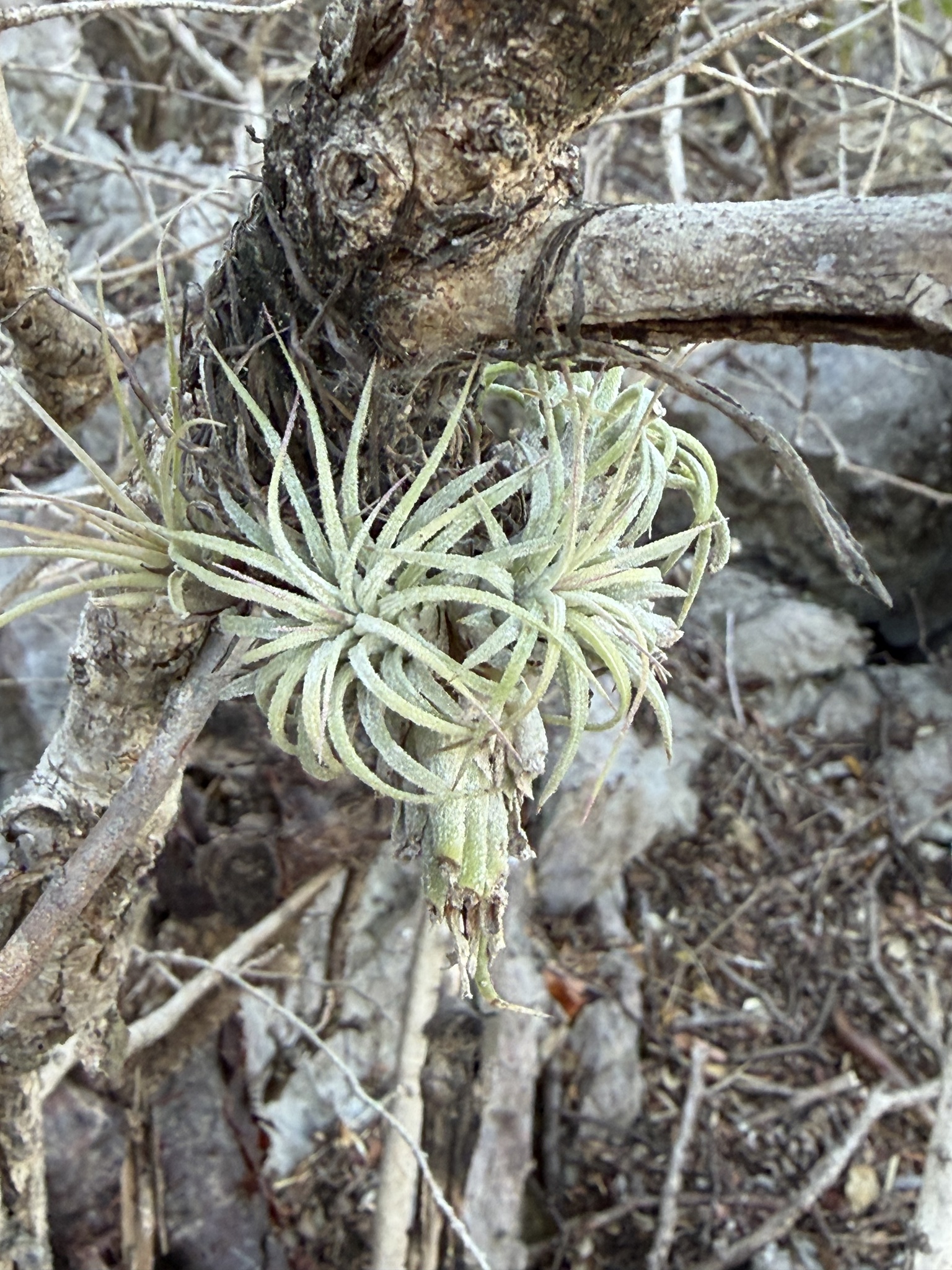
Tillandsia loliacea is a small, epiphytic bromeliad with delicate, silvery foliage and a compact growth habit, ideal for terrariums and humid environments.
At-a-glance light, water, soil, and growing conditions from plant data
Bright, Indirect
75% intensity
Prefers bright, filtered light. Avoid direct, intense sunlight which can scorch the leaves.
When Dry
50% intensity
Soak for 20-30 minutes every 1-2 weeks, or mist frequently in very dry environments. Ensure thorough drying.
Does not require soil (epiphytic)
50% intensity
Average Room
50% intensity
Thrives in temperatures between 18-25°C. Protect from frost and sudden temperature fluctuations.
Lightly
25% intensity
Feed with a diluted bromeliad or air plant fertilizer (1/4 strength) monthly during growth.
Safety information from plant toxicity data
| Attribute | Value |
|---|---|
| Toxic for humans | No 0/5 intensity |
| Toxic for pets | No 0/5 intensity |
Non-toxic
Key traits and growing stats from plant data
Watering, pruning, propagation, and repotting details from plant data
Water Tillandsia loliacea thoroughly when the leaves begin to curl or feel slightly limp. Soaking the plant in room-temperature water for 20-30 minutes every 1-2 weeks is ideal.
Ensure it dries completely within a few hours to prevent rot.
Pruning is generally not required for Tillandsia loliacea unless removing dead or dried leaves. Trim these close to the base of the plant with sterile scissors.
This helps maintain the plant's aesthetic and prevents potential disease.
Tillandsia loliacea primarily propagates through 'pups' or offsets that grow from the base of the mother plant. Once a pup is about one-third the size of the parent, it can be carefully separated and mounted or placed on a substrate.
Tillandsia loliacea are epiphytes and do not require traditional repotting. They grow attached to surfaces like wood, cork, or can be displayed in arrangements.
If mounting, ensure the material is stable and allows for good air circulation.
Identify plants like this with ePlant AI
Snap a photo to get care tips and match similar species on the go.
Monthly activity intensity for bloom and fruit across both hemispheres.
Flowering & fruiting calendar
Flowering & fruiting calendar
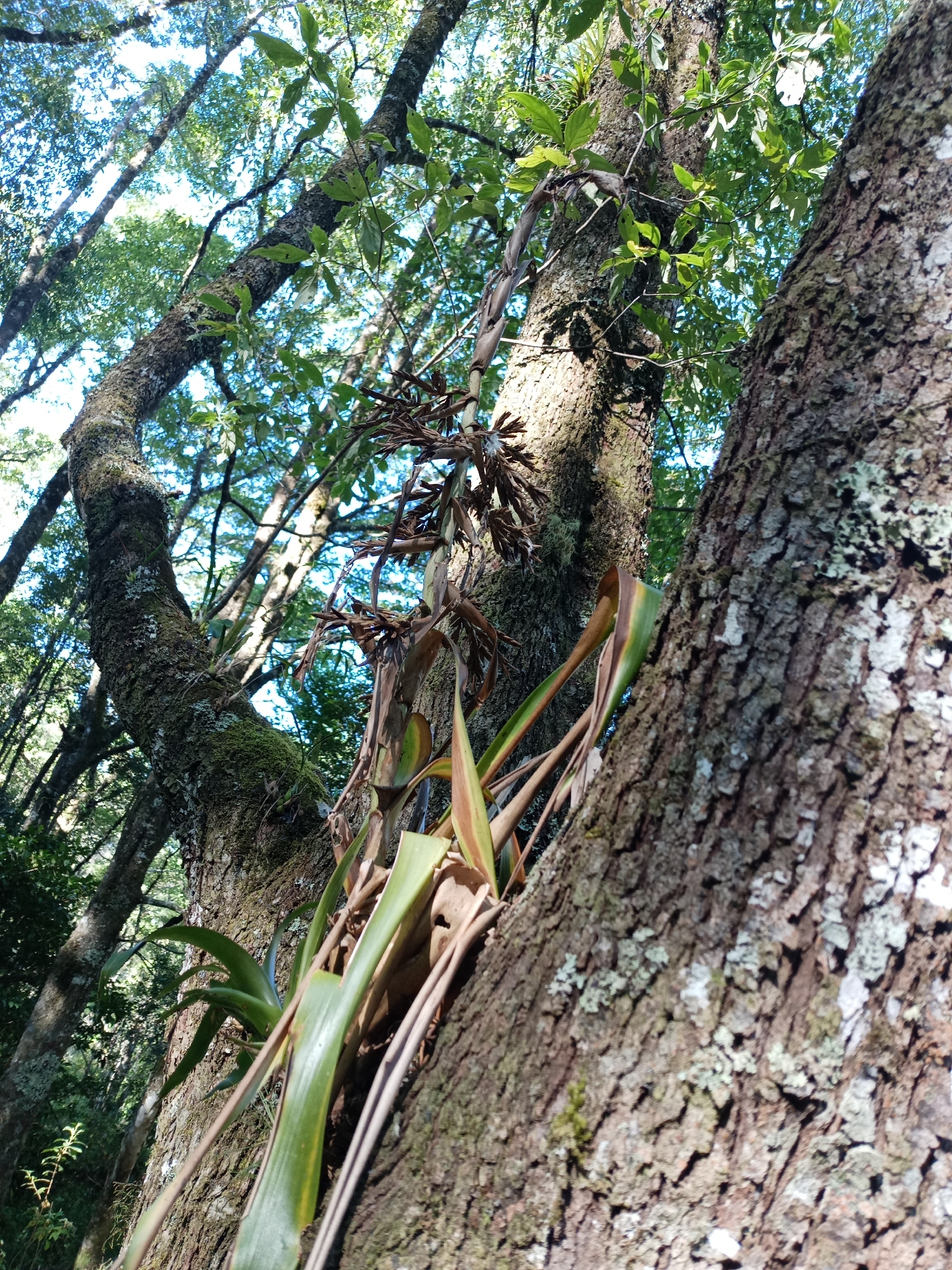
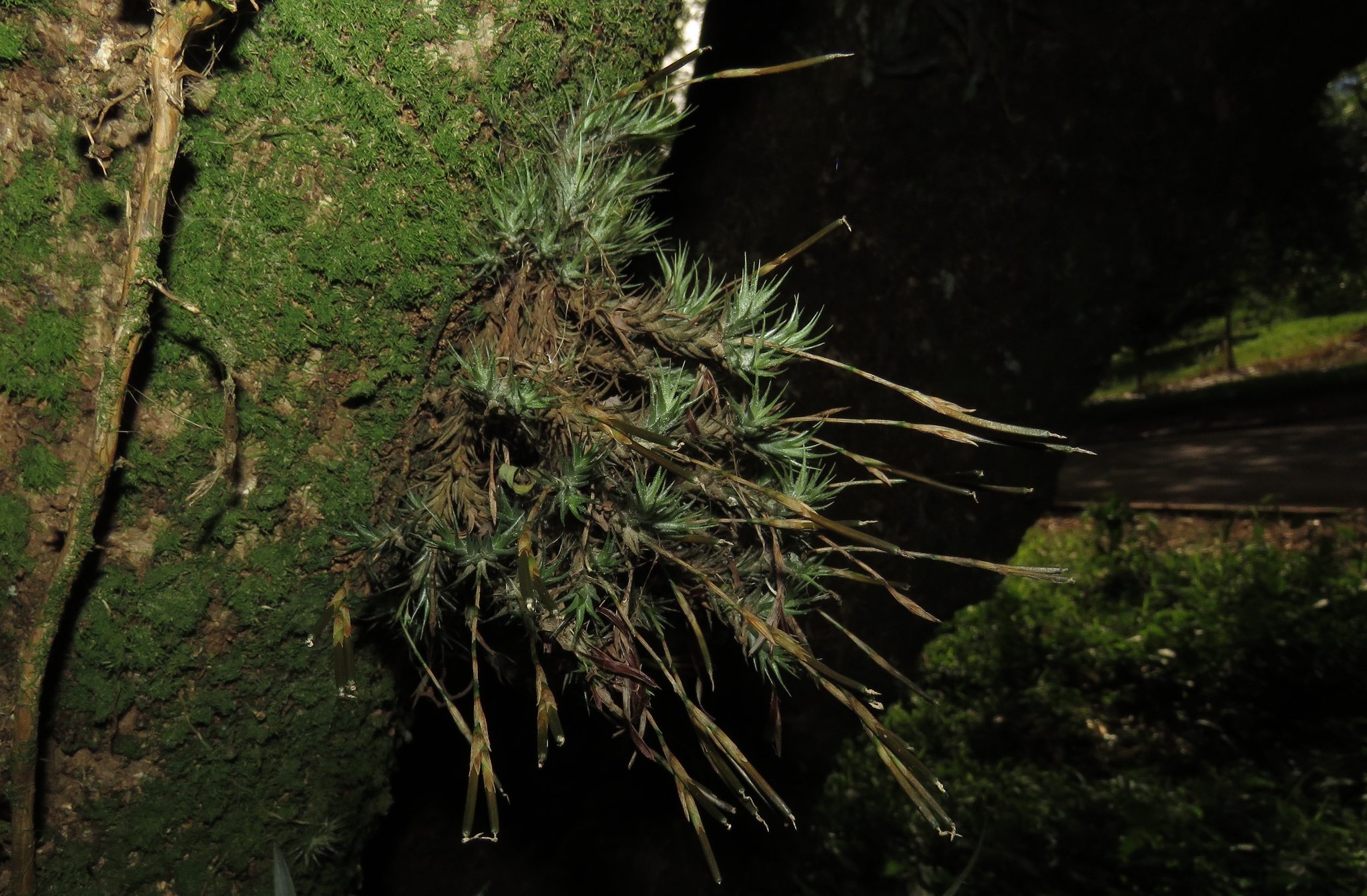
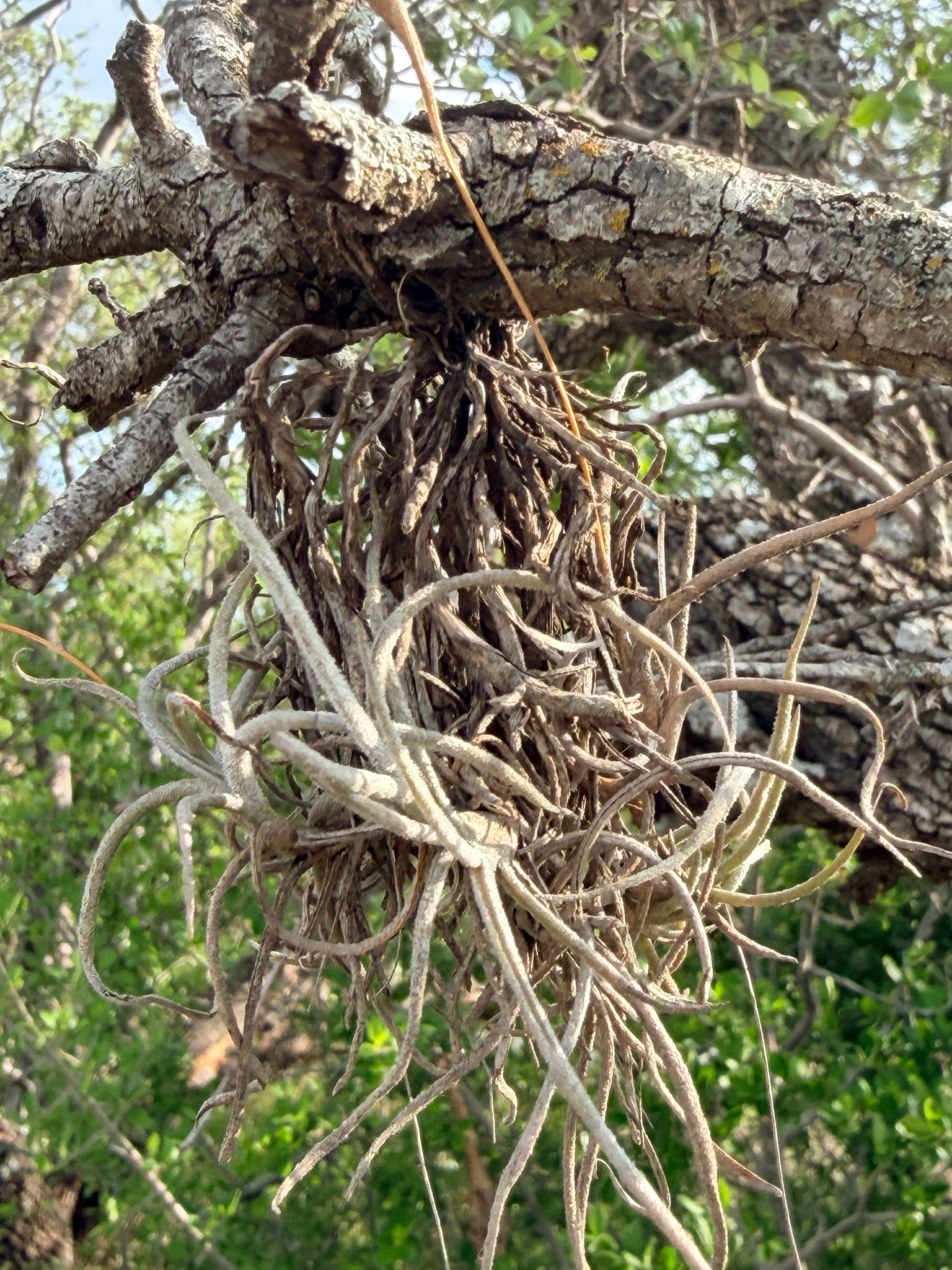
Photos of Tillandsia Loliacea (Tillandsia loliacea)
Where Tillandsia Loliacea (Tillandsia loliacea) is found

Density
Tap map to explore
Common names and botanical synonyms
Botanical classification
| Rank | Name |
|---|---|
| Kingdom | Plantae |
| Division | Tracheophyta |
| Class | Liliopsida |
| Order | Poales |
| Family | Bromeliaceae |
| Genus | Tillandsia |
| Species | Tillandsia loliacea |
Similar in genus Tillandsia
Answers based on plant encyclopedia data