Water
Keep the soil consistently moist but not waterlogged. Water when the top 2-3 cm of soil feels dry. Reduce watering slightly in cooler months, but avoid letting the soil dry out completely.
Good drainage is crucial to prevent root rot.
Also known as Brazilian Cress · Buzz Buttons · Electric Daisy
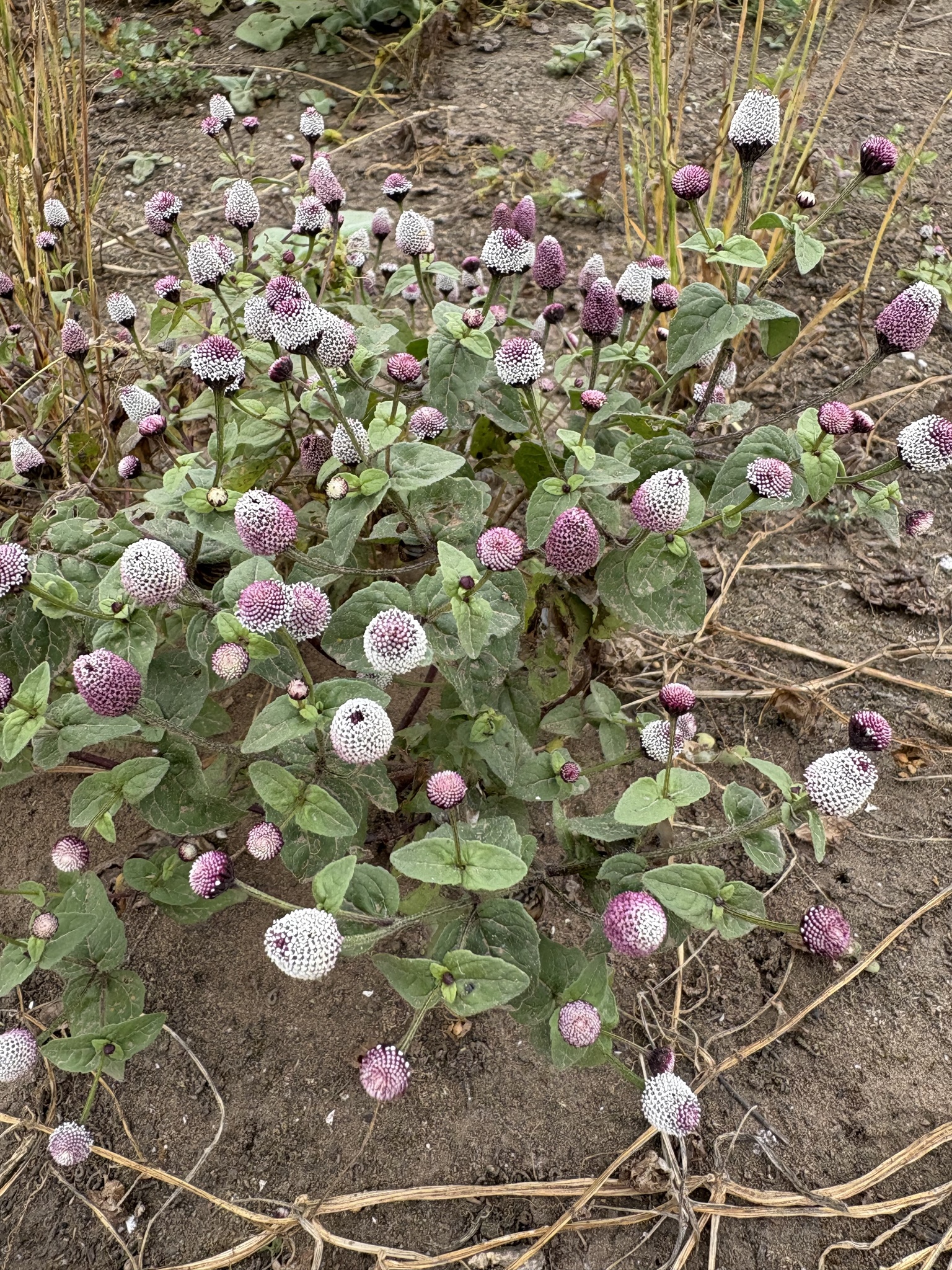
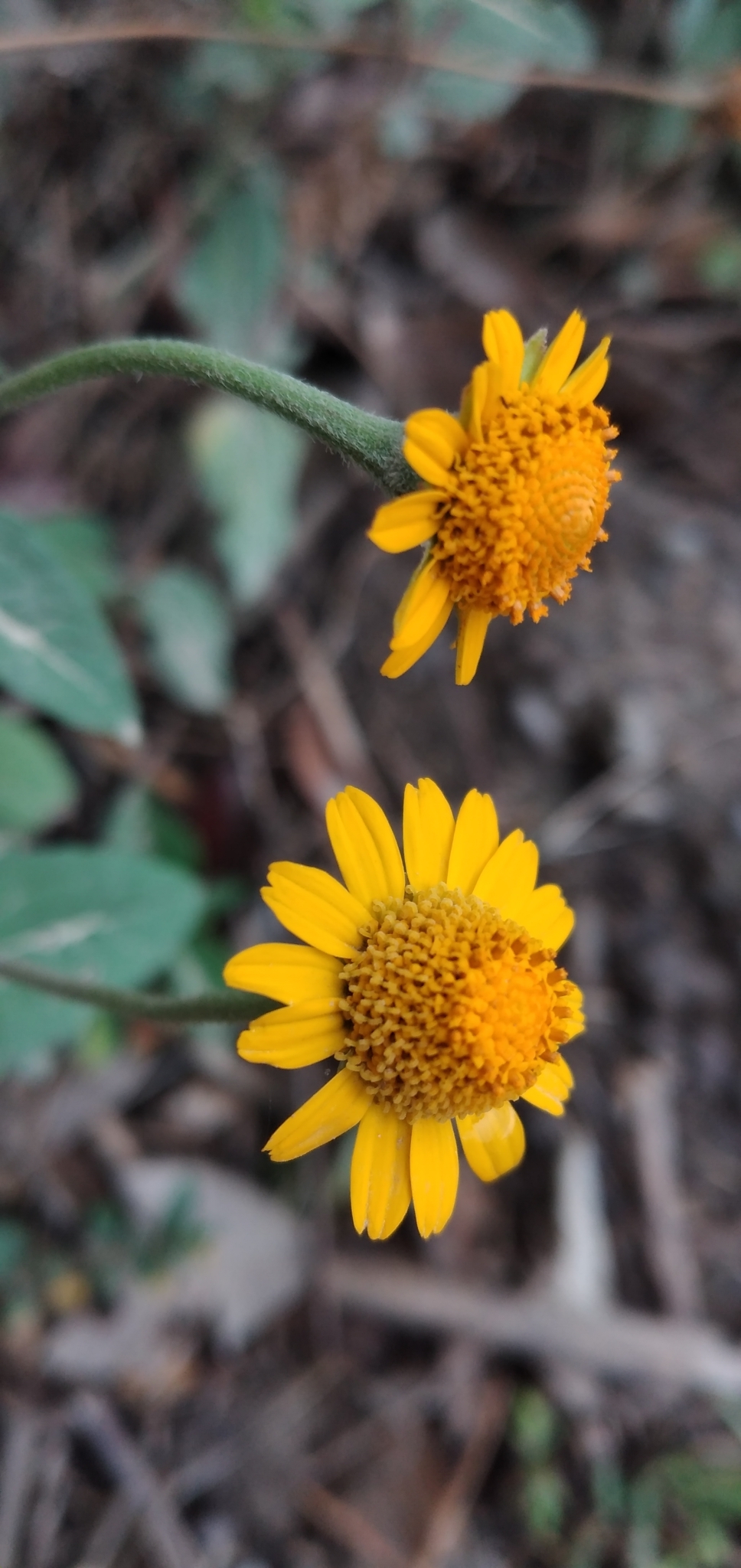
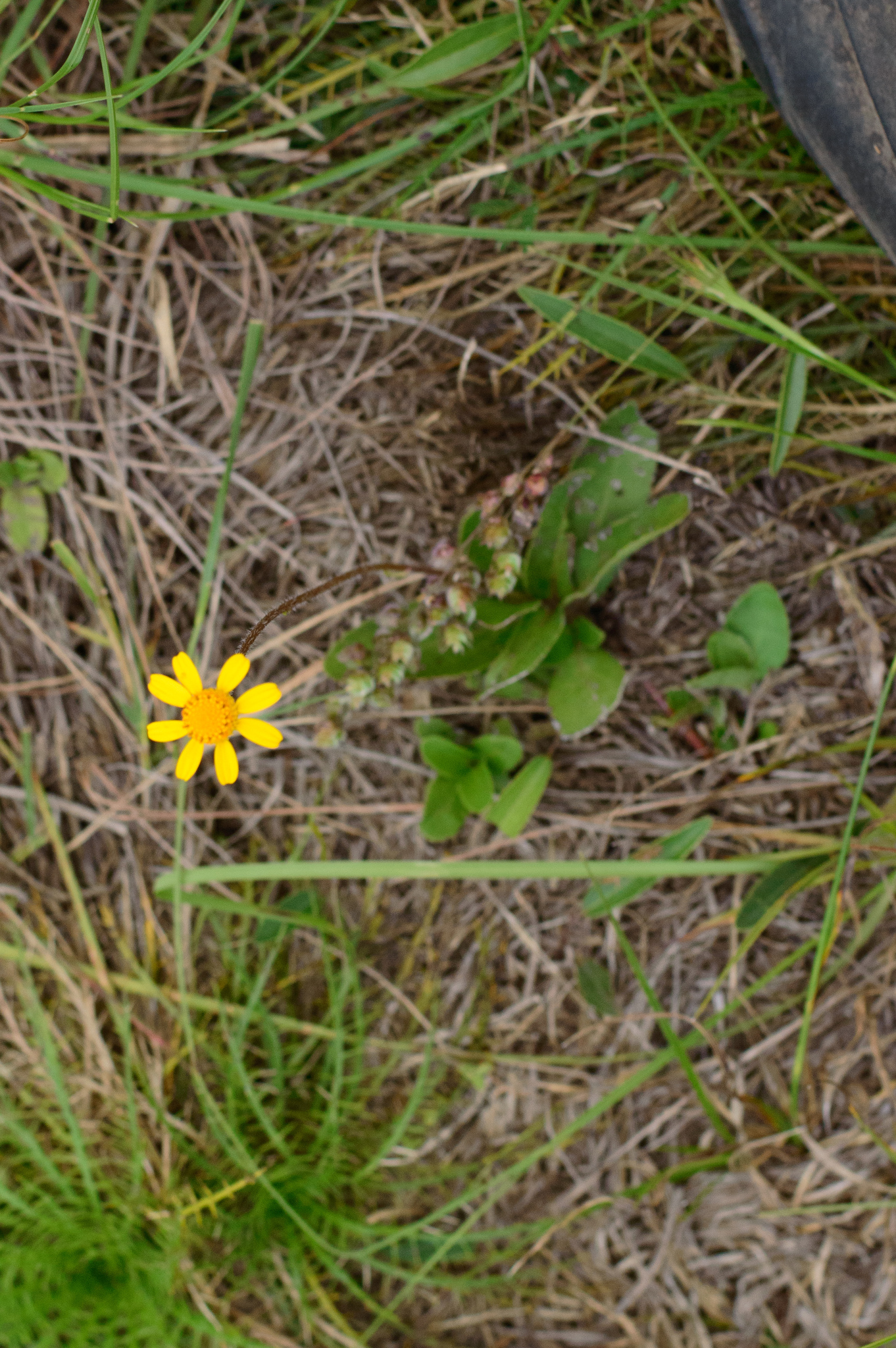
Toothache Plant (Acmella oleracea) is a tropical herb known for its unique numbing properties when chewed. It produces small, colorful flower heads and is often grown as
At-a-glance light, water, soil, and growing conditions from plant data
Bright, Indirect Light
75% intensity
Prefers 4-6 hours of bright, indirect sunlight daily. Can tolerate some morning sun.
Consistent Moisture
75% intensity
Water when the top inch of soil is dry. Ensure good drainage.
Well-drained
50% intensity
Warm
75% intensity
Thrives in temperatures between 18-25°C. Protect from frost and sudden temperature drops.
Outdoor
50% intensity
Moderate Feeding
50% intensity
Feed monthly during growing season with balanced liquid fertilizer. Reduce in winter.
Safety information from plant toxicity data
| Attribute | Value |
|---|---|
| Toxic for humans | No 0/5 intensity |
| Toxic for pets | No 0/5 intensity |
None
Key traits and growing stats from plant data
Watering, pruning, propagation, and repotting details from plant data
Keep the soil consistently moist but not waterlogged. Water when the top 2-3 cm of soil feels dry. Reduce watering slightly in cooler months, but avoid letting the soil dry out completely.
Good drainage is crucial to prevent root rot.
Pinch back the tips of stems regularly to encourage bushier growth and more flowers. Remove any yellowing or dead leaves and spent flower heads to maintain a tidy appearance and promote further blooming.
Prune more heavily in spring to shape.
Easily propagated from stem cuttings. Take 7-10 cm cuttings from healthy stems, remove lower leaves, and dip the cut end in rooting hormone. Insert into moist potting mix or water. Roots typically form within 3-4 weeks.
Repot young plants annually in spring to refresh the soil and provide more space. Mature plants can be repotted every 2-3 years.
Choose a pot that is only slightly larger than the current one, ensuring it has adequate drainage holes.
Identify plants like this with ePlant AI
Snap a photo to get care tips and match similar species on the go.
Monthly activity intensity for bloom and fruit across both hemispheres.
Flowering & fruiting calendar
Flowering & fruiting calendar
Photos of Toothache Plant (Acmella oleracea)
Where Toothache Plant (Acmella oleracea) is found

Density
Tap map to explore
Common names and botanical synonyms
Botanical classification
| Rank | Name |
|---|---|
| Kingdom | Plantae |
| Division | Tracheophyta |
| Class | Magnoliopsida |
| Order | Asterales |
| Family | Asteraceae |
| Genus | Acmella |
| Species | Acmella oleracea |
Similar in genus Acmella
Answers based on plant encyclopedia data