Water
Water thoroughly when the top 2-3 cm of soil feels dry. Avoid overwatering, as this can lead to root rot. Reduce watering frequency during winter dormancy. Ensure good drainage to prevent waterlogged conditions.
Safety note: This plant may be toxic to humans and pets. See toxicity details.
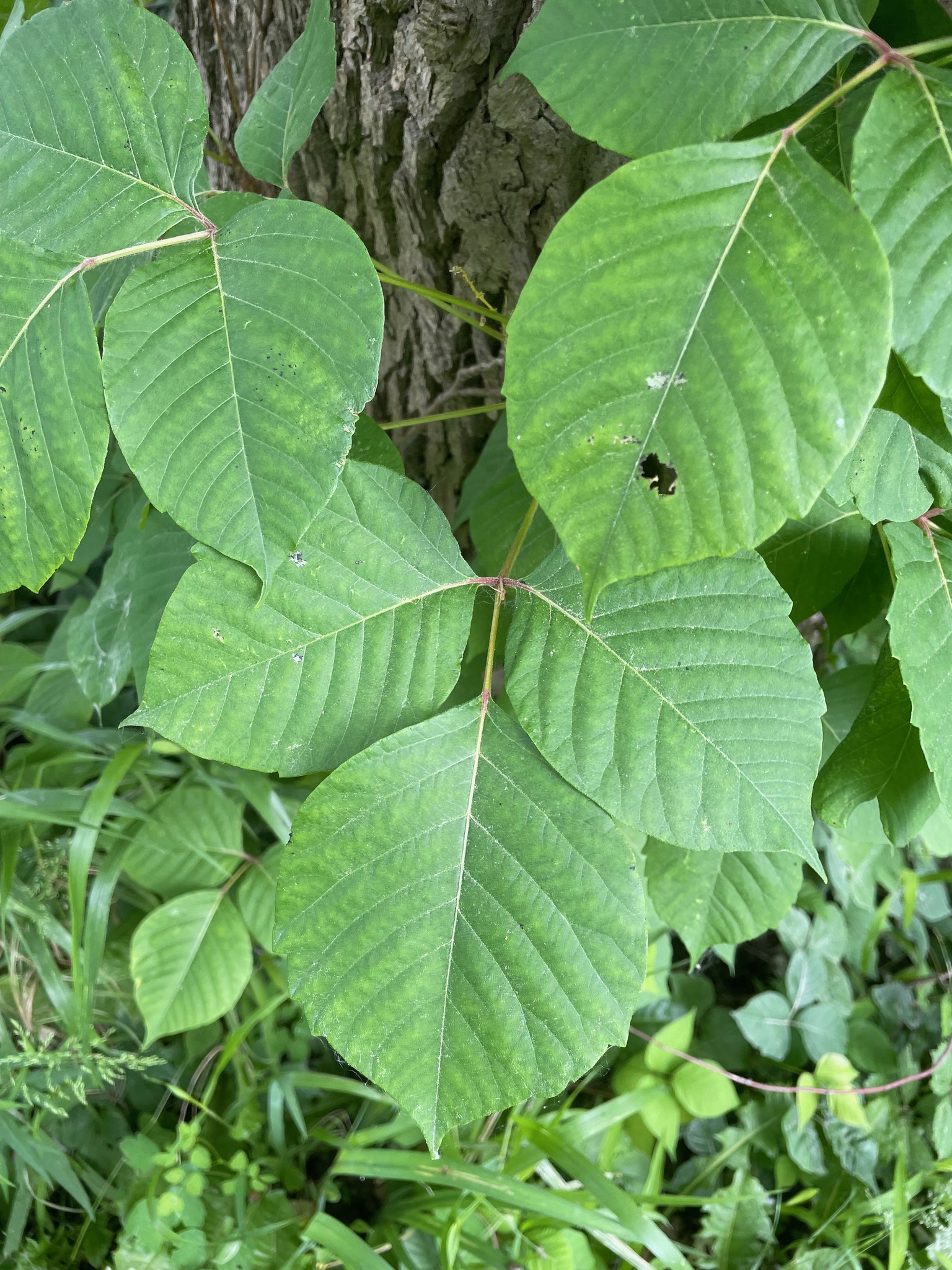
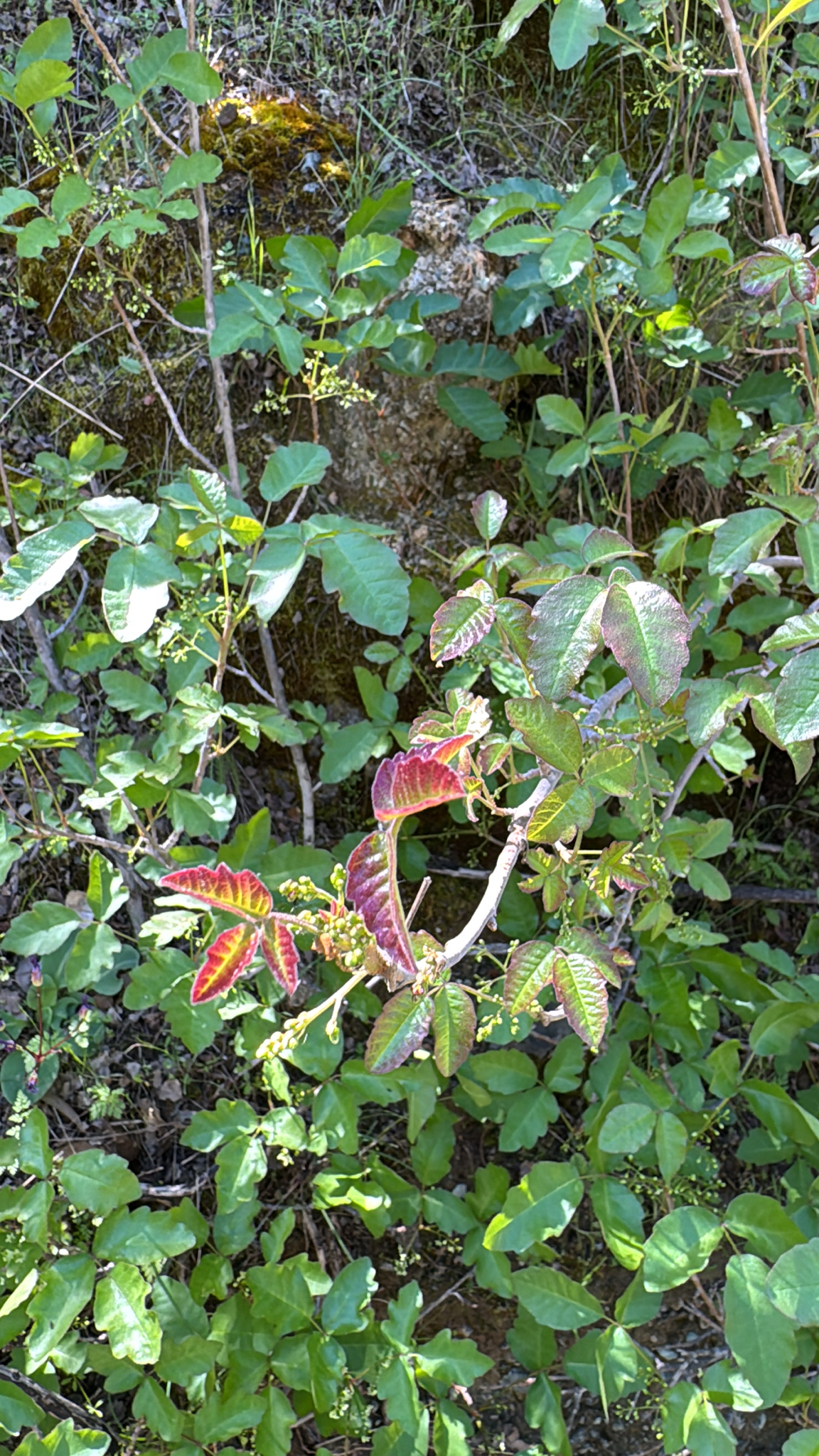
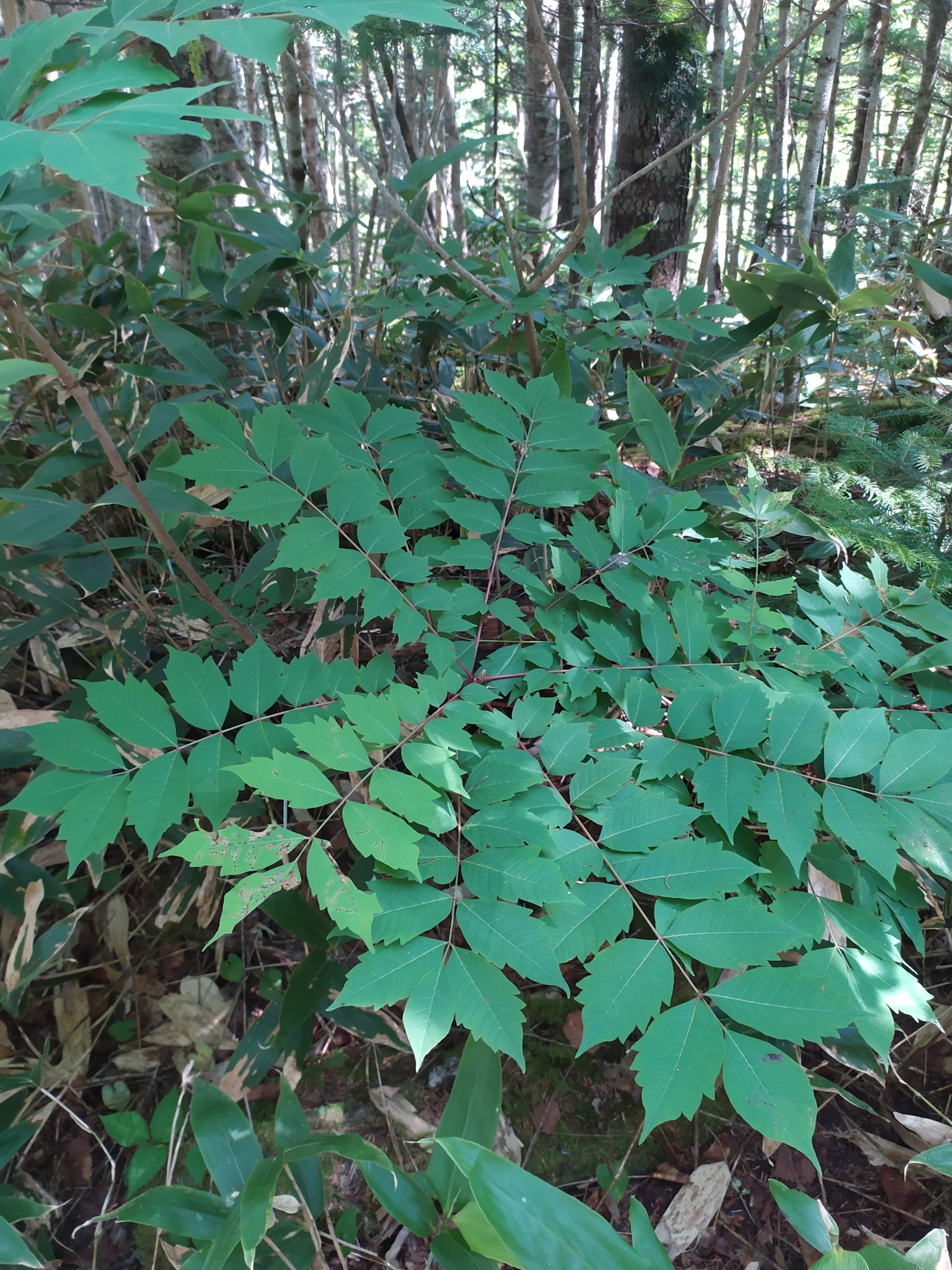
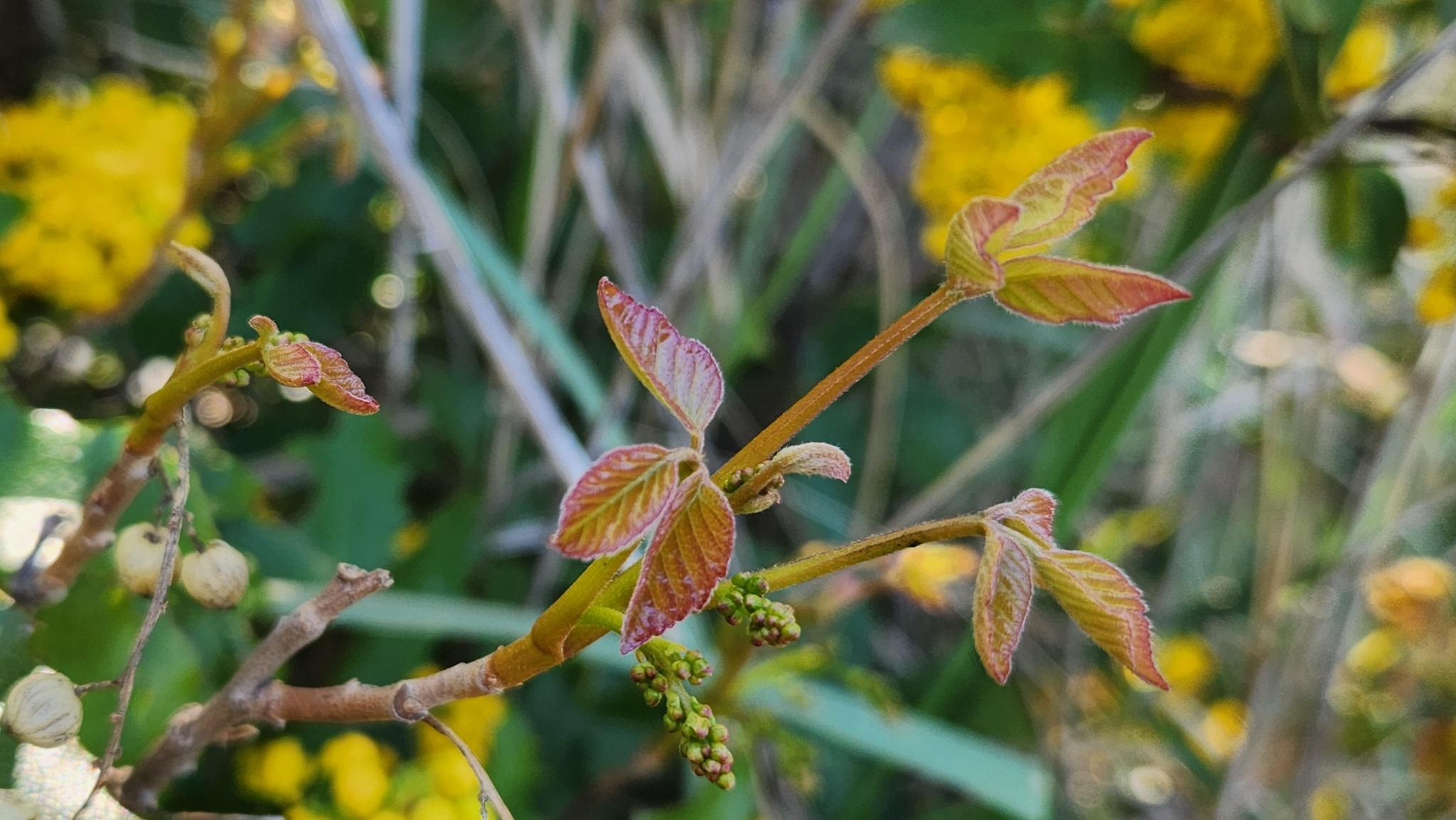
Toxicodendron acuminatum is a shrub native to East Asia, known for its trifoliate leaves that turn vibrant colors in autumn. It contains urushiol, causing skin irritation
At-a-glance light, water, soil, and growing conditions from plant data
Full Sun to Partial Shade
50% intensity
Prefers bright, indirect light or morning sun. Protect from intense afternoon sun, which can scorch leaves.
Moderate
50% intensity
Allow the top inch of soil to dry out between waterings. Ensure good drainage to prevent waterlogging.
Well-drained soil
50% intensity
Moderate
50% intensity
Prefers average room temperatures between 18-24°C. Protect from frost and extreme temperature fluctuations.
Low
25% intensity
Fertilize sparingly in the growing season with a balanced, diluted liquid fertilizer. Avoid over-fertilization.
Safety information from plant toxicity data
| Attribute | Value |
|---|---|
| Toxic for humans | Yes 5/5 intensity |
| Toxic for pets | Yes 5/5 intensity |
| Edible | No |
Contains urushiol, which causes allergic contact dermatitis in humans and pets.
Key traits and growing stats from plant data
Watering, pruning, propagation, and repotting details from plant data
Water thoroughly when the top 2-3 cm of soil feels dry. Avoid overwatering, as this can lead to root rot. Reduce watering frequency during winter dormancy. Ensure good drainage to prevent waterlogged conditions.
Prune in late winter or early spring before new growth begins. Remove dead, damaged, or crossing branches to maintain plant health and shape. Light pruning can also be done after flowering to encourage bushier growth.
Propagate by semi-hardwood cuttings taken in summer. Dip cuttings in rooting hormone and plant in a well-draining medium. Keep moist and warm until roots form.
Alternatively, propagation can be done by seed, sown in autumn.
Repot every 2-3 years in spring, or when the plant becomes root-bound. Use a well-draining potting mix. Choose a pot slightly larger than the current one. Water thoroughly after repotting.
Identify plants like this with ePlant AI
Snap a photo to get care tips and match similar species on the go.
Monthly activity intensity for bloom and fruit across both hemispheres.
Flowering & fruiting calendar
Flowering & fruiting calendar
Botanical classification
| Rank | Name |
|---|---|
| Kingdom | Plantae |
| Division | Tracheophyta |
| Class | Magnoliopsida |
| Order | Sapindales |
| Family | Anacardiaceae |
| Genus | Toxicodendron |
| Species | Toxicodendron acuminatum |
Similar in genus Toxicodendron
Answers based on plant encyclopedia data