Water
Allow the soil to dry out completely between waterings. Overwatering is the most common cause of problems.
Also known as River Euphorbia · River Naboom · Tree Euphorbia
Safety note: This plant may be toxic to humans and pets. See toxicity details.
At-a-glance light, water, soil, and growing conditions from plant data
Prefers full sun to partial shade. Protect from intense afternoon sun.
80% intensity
Allow soil to dry out completely between waterings. Reduce in winter.
40% intensity
Requires well-draining soil, such as a cactus or succulent mix, to prevent root rot.
50% intensity
Ideal growing range is 18-25°C. Protect from frost.
70% intensity
Outdoor, Greenhouse, Indoor
50% intensity
Feed once or twice in spring/summer with diluted balanced liquid fertilizer. Do not feed in fall/winter.
30% intensity
Safety information from plant toxicity data
| Attribute | Value |
|---|---|
| Toxic for humans | Yes 5/5 intensity |
| Toxic for pets | Yes 5/5 intensity |
| Edible | No |
The milky white sap is a skin irritant and toxic if ingested. It can cause severe gastrointestinal upset and blistering.
Key traits and growing stats from plant data
Watering, pruning, propagation, and repotting details from plant data
Allow the soil to dry out completely between waterings. Overwatering is the most common cause of problems.
Prune to shape or control size. Wear gloves and eye protection as the sap is irritating. Pruning is best done in spring.
Easily propagated from stem cuttings. Allow cuttings to callus for a few days before planting in well-draining soil.
Repot every 2-3 years or when the plant outgrows its container. Use a pot with drainage holes and fresh succulent mix.
Identify plants like this with ePlant AI
Snap a photo to get care tips and match similar species on the go.
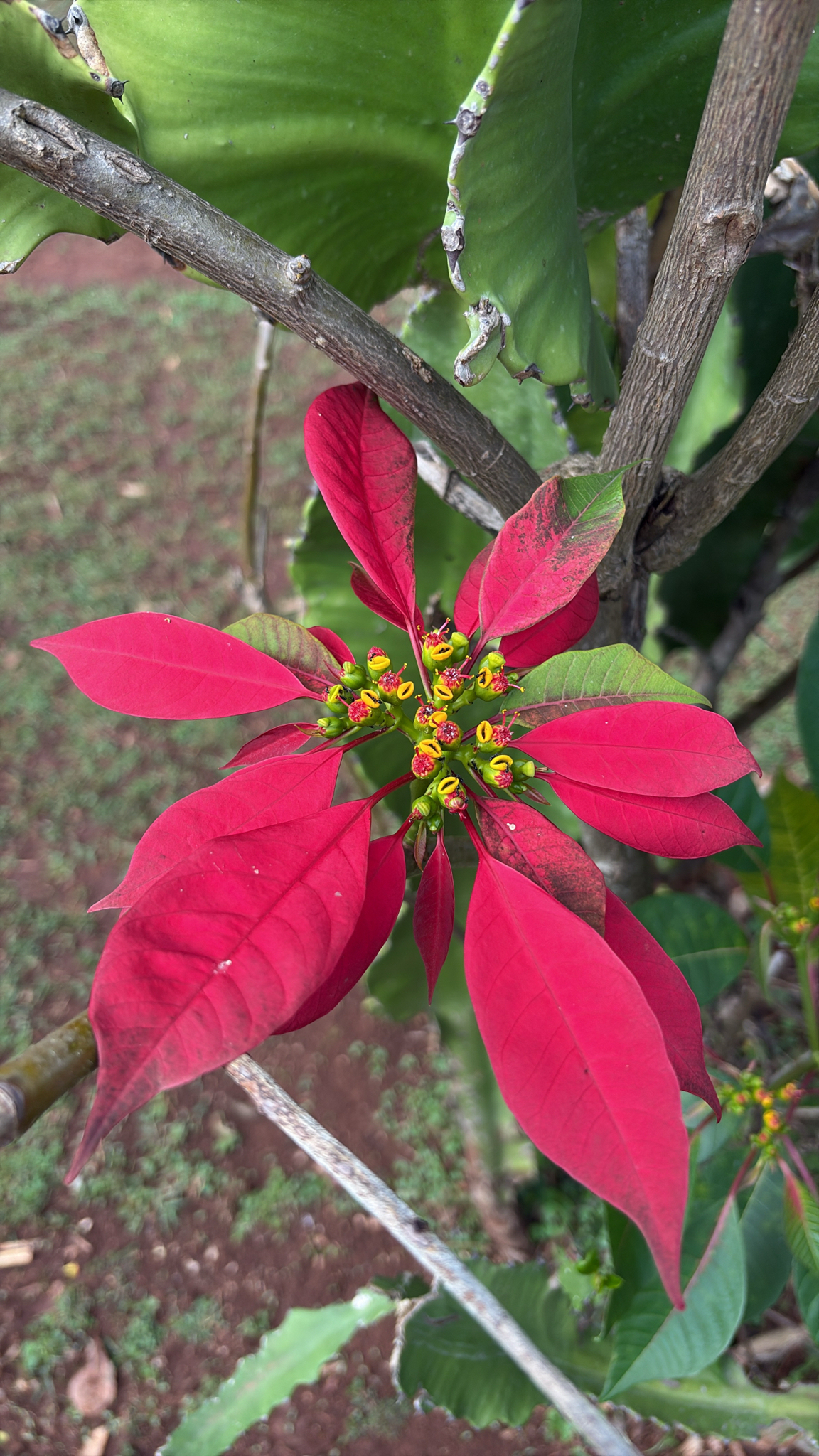
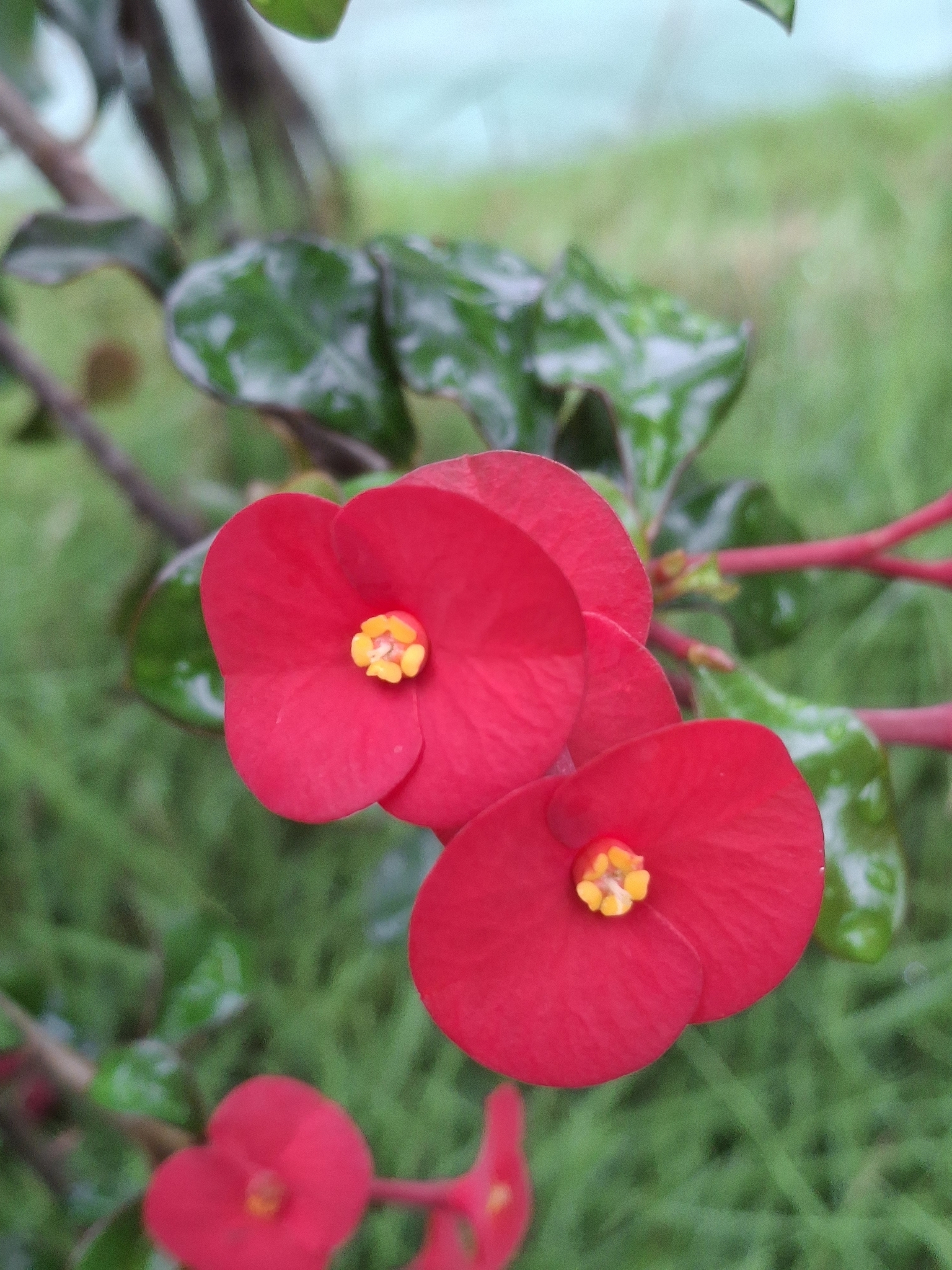
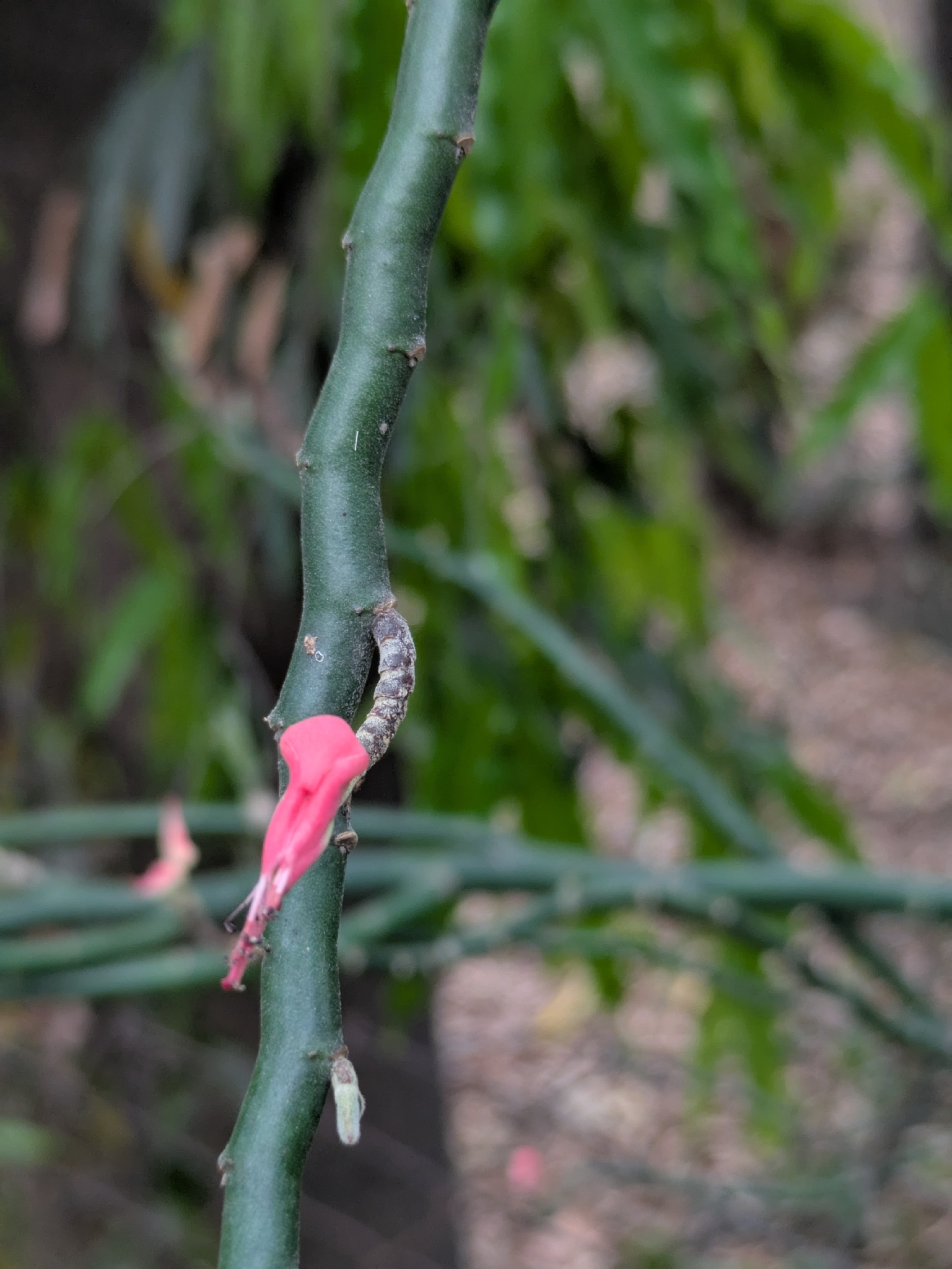
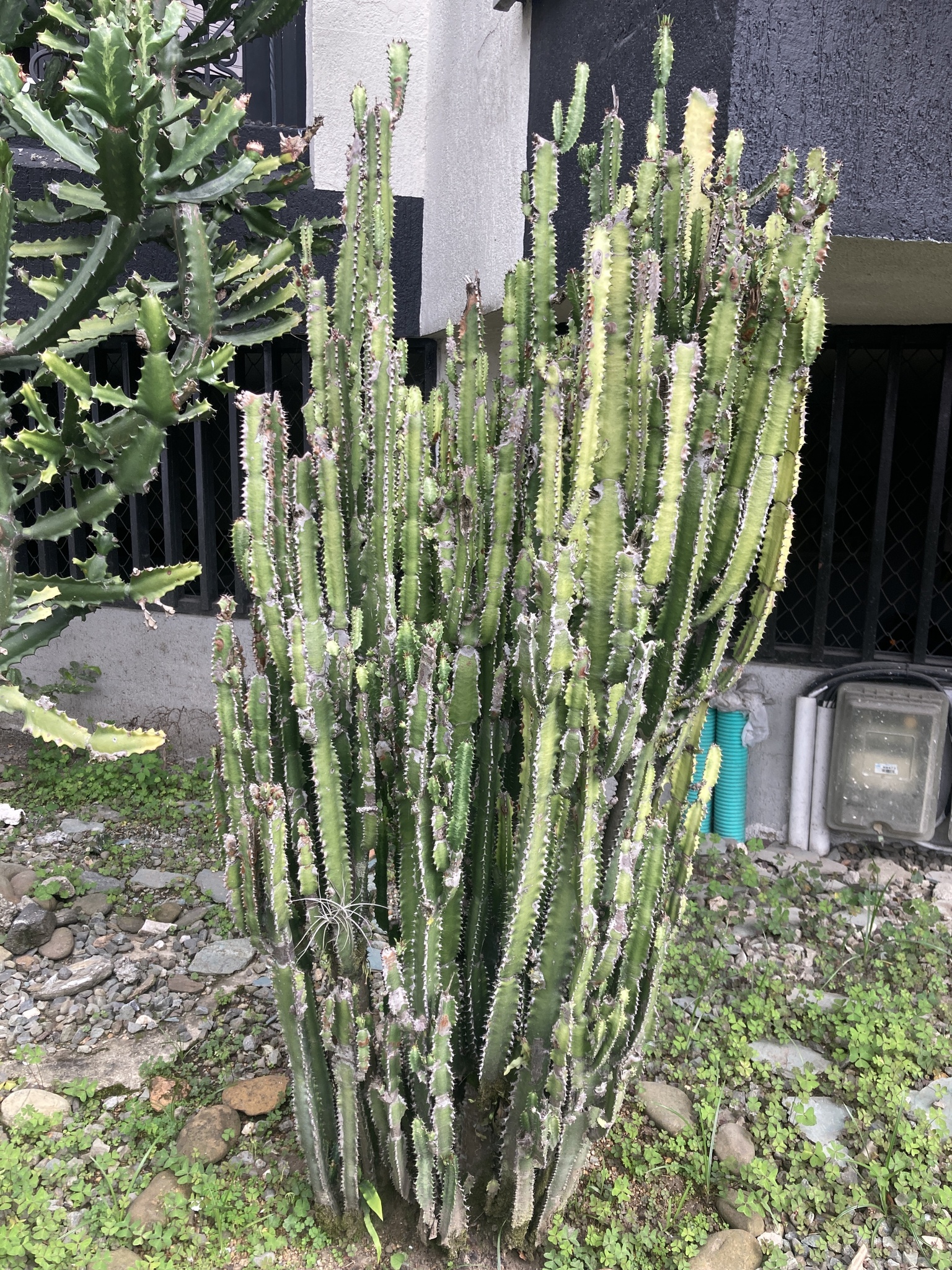
Photos of Chandelier Tree (Euphorbia triangularis)
Common names and botanical synonyms
Botanical classification