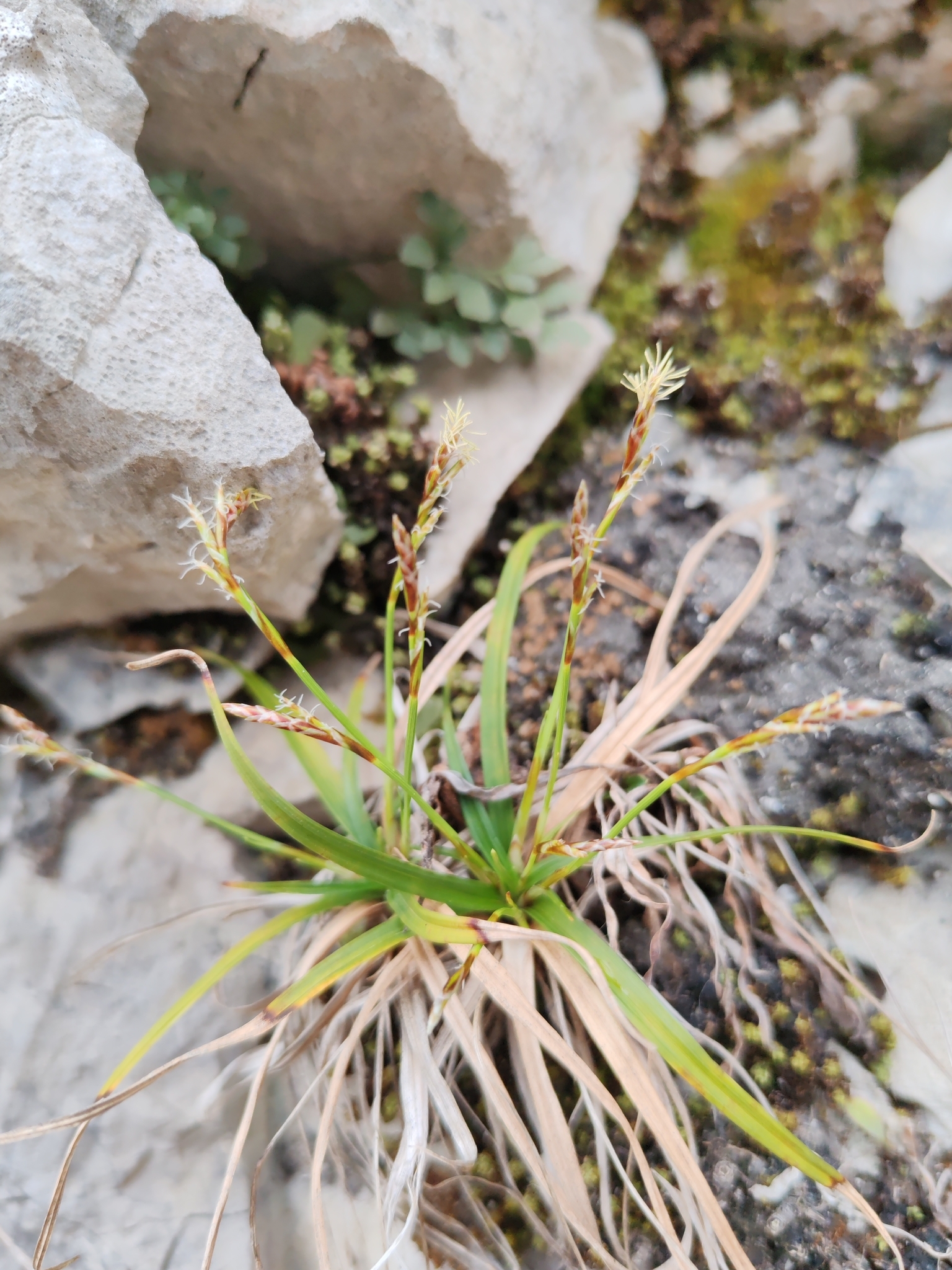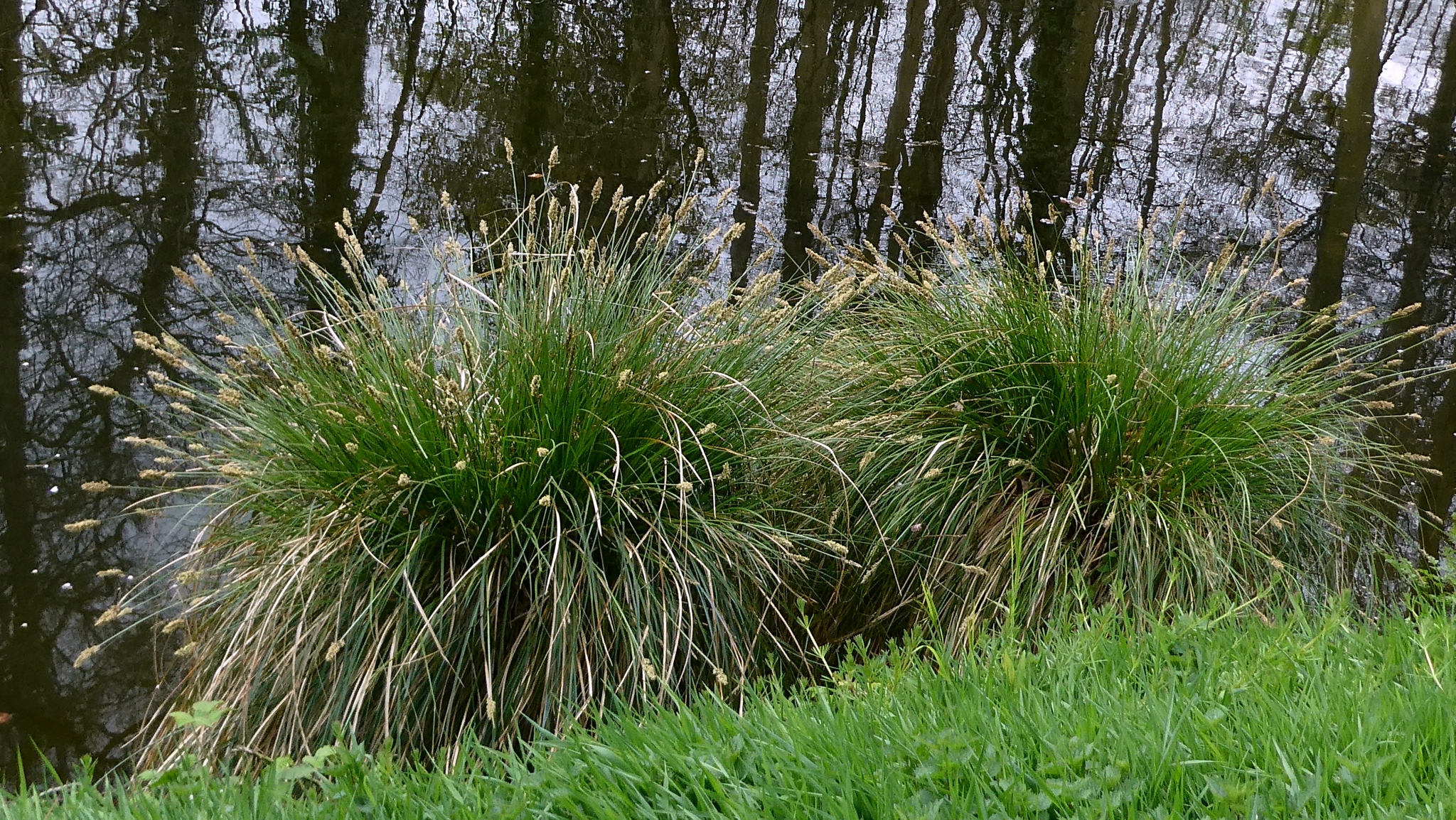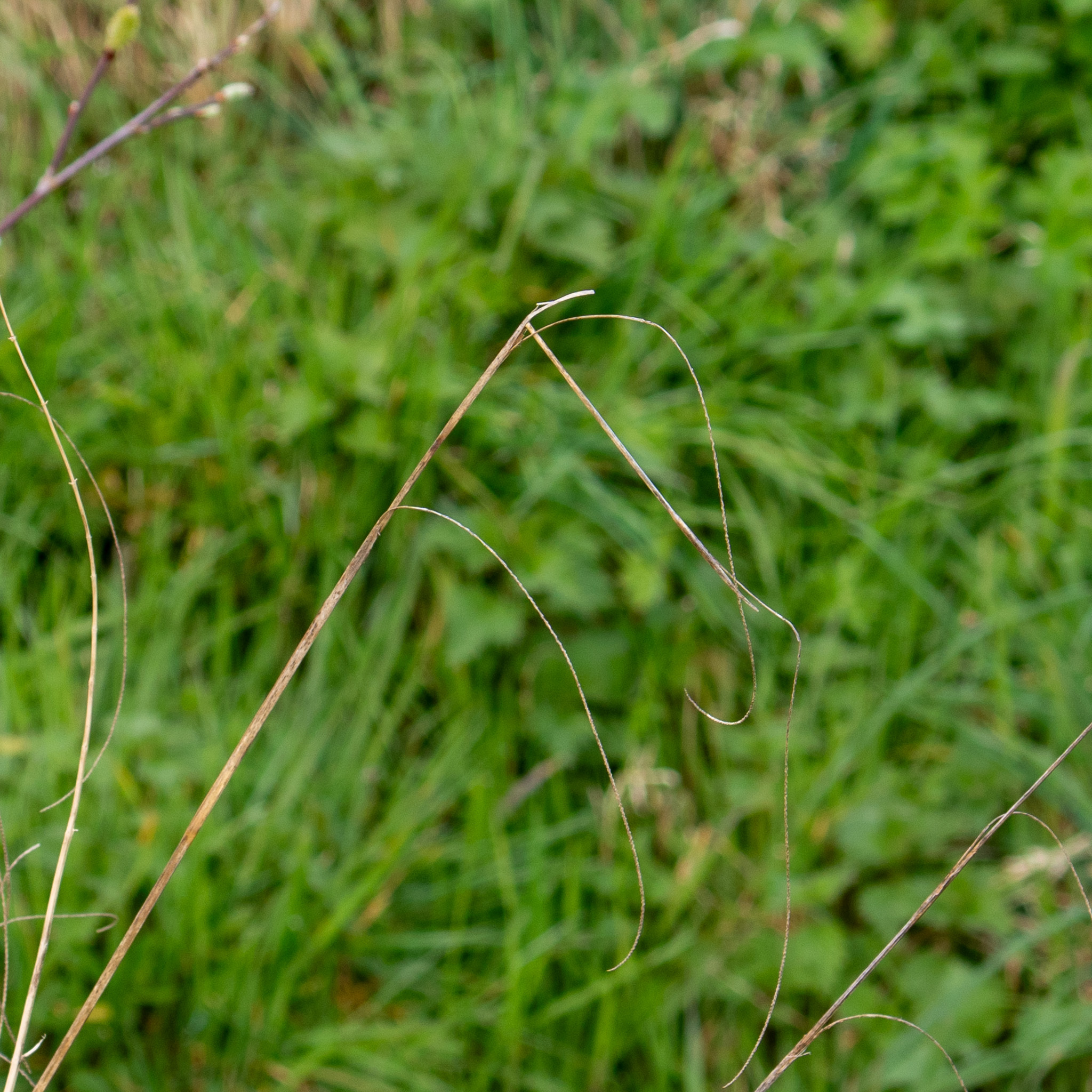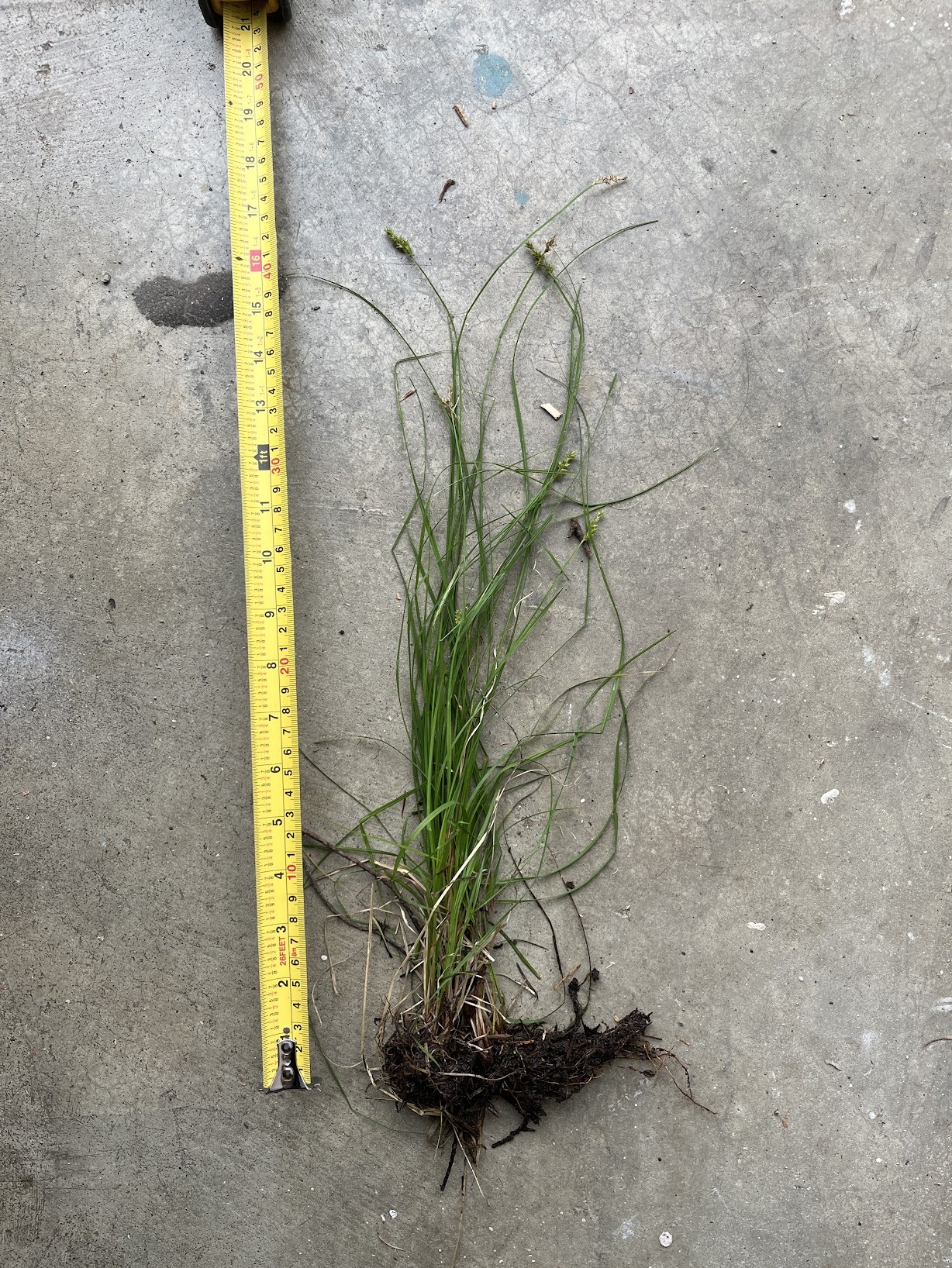
Tufted Sedge (Carex elata)

Tufted Sedge (Carex elata) is a clump-forming perennial grass-like plant native to Europe and Western Asia, often found in wet meadows and fens.

Above information is sourced from Wikipedia

Sunlight

Prefers full sun to partial shade.

Watering

Keep soil consistently moist to wet.

Soil

Prefers moist to wet, humus-rich soils.

Temperature

Prefers moderate temperatures.

Habitat

Outdoor

Fertilizer

Fertilize sparingly in spring.

Care Requirements

Light

Prefers full sun to partial shade.

Can tolerate some shade, but flowering may be reduced.

Water

Keep soil consistently moist to wet.

Tolerates shallow standing water.

Soil

Prefers moist to wet, humus-rich soils.

Temperature

Prefers moderate temperatures.

Hardy in USDA zones 4-9.

Habitat

Outdoor

Fertilizer

Fertilize sparingly in spring.

Avoid over-fertilization.

Plant Overview

Plant Type

Grass

Plant Category

Ornamental

Plant Place Type

Ground, Garden

Plant Environment

Outdoor

Lifespan

Perennials

Plant Height

0.5-1 m

Spread

0.5-1 m

Growth Rate

Moderate

Dormancy

Semi-evergreen to deciduous in colder climates

Leaf Color

Green

Leaf Type

Linear

Flower Size

0.5-1 cm

Image Gallery

Flowering & Fruiting Cycles

Monthly activity intensity for bloom and fruit across both hemispheres.

Northern hemisphere

Flowering & fruiting calendar

Peak bloom · JunPeak fruit · Jul
FloweringFruiting
02468JanFebMarAprMayJunJulAugSepOctNovDecActivity intensityMonths56
Southern hemisphere

Flowering & fruiting calendar

Peak bloom · AugPeak fruit · Sep
FloweringFruiting
02468JanFebMarAprMayJunJulAugSepOctNovDecActivity intensityMonths56
Taxonomy
  • kingdomPlantae
  • divisionTracheophyta
  • classLiliopsida
  • orderPoales
  • familyCyperaceae
  • genusCarex
  • speciesCarex elata
Toxicity

Toxic for humans

No

Rating: 0/5

Toxic for pets

No

Rating: 0/5

Edible

No

Additional Care Tips

Carex elata thrives in consistently moist to wet conditions. Water regularly, especially during dry spells, to maintain soil moisture. It can tolerate shallow standing water, making it suitable for bog gardens or pond margins.

Prune in late winter or early spring before new growth emerges. Cut back old, dead, or damaged foliage to about 5-10 cm above the ground. This encourages fresh growth and maintains the plant's tidy appearance.

Propagate by division in spring or by seed sown in autumn. Divisions should be replanted immediately into moist soil. Seed propagation requires stratification and can be slower.

Repotting is generally not necessary for plants grown in the ground. Container-grown specimens may need repotting every 2-3 years into a larger pot with fresh, moist soil to prevent root-bound conditions.

FAQs

How often should I water Carex elata?

Carex elata requires consistently moist to wet soil. Water regularly, especially during dry periods, and it can tolerate shallow standing water.

What kind of soil does Tufted Sedge prefer?

It thrives in moist to wet, humus-rich soils. It is well-suited for bog gardens and pond margins.

When is the best time to prune Carex elata?

Prune in late winter or early spring before new growth begins. Cut back old foliage to about 5-10 cm above the ground.

Can Carex elata be grown in full sun?

Yes, Carex elata prefers full sun but can also tolerate partial shade. Flowering may be reduced in shadier conditions.

Is Carex elata invasive?

No, Carex elata is not considered invasive. It is a well-behaved ornamental grass that spreads moderately.