Water
Water sparingly, allowing the soil to dry out completely between waterings. Overwatering is a common cause of root rot, especially in winter. Ensure excellent drainage to prevent waterlogging.
Also known as Giant Vegetable Sheep · Vegetable Sheep
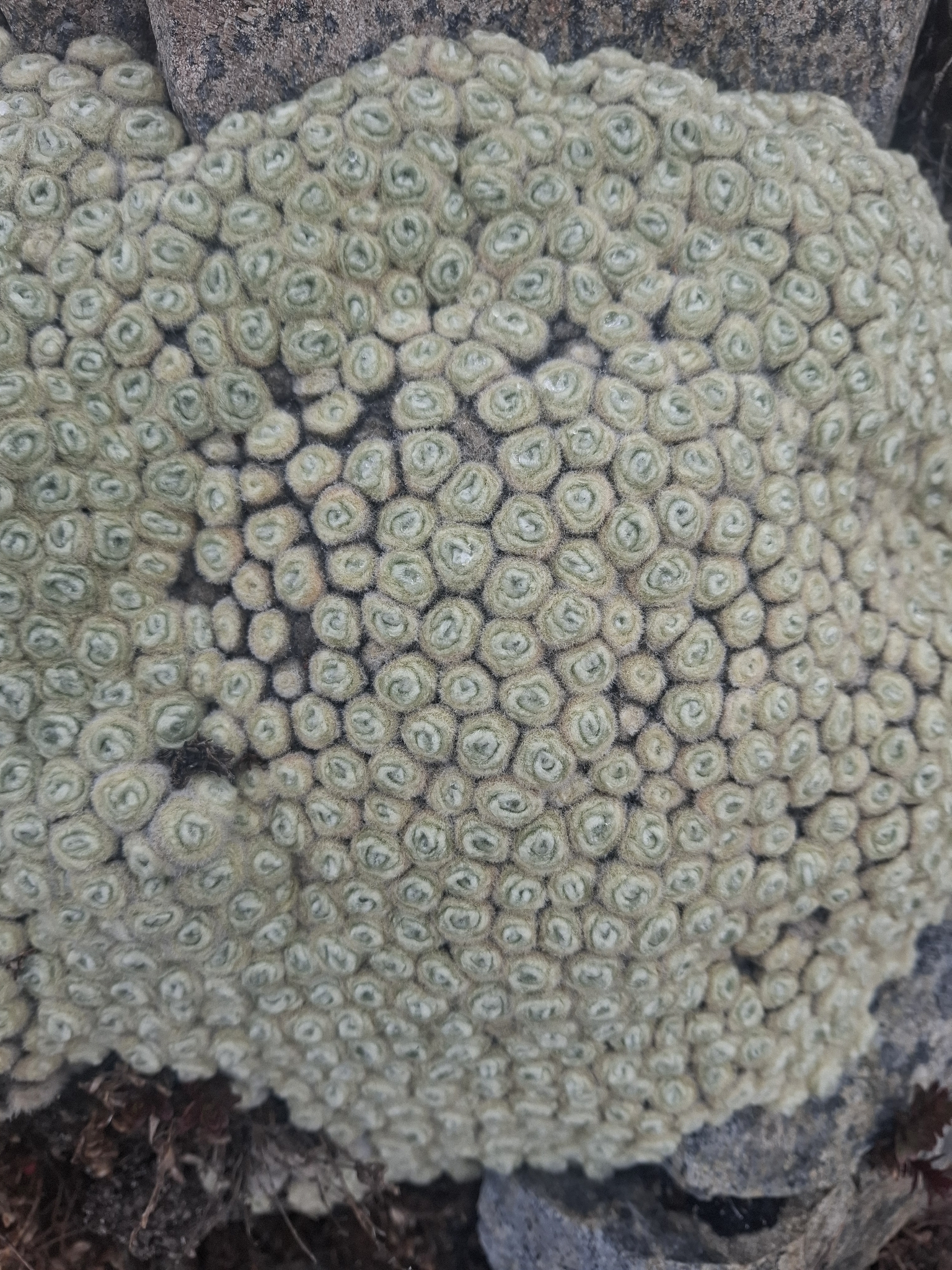
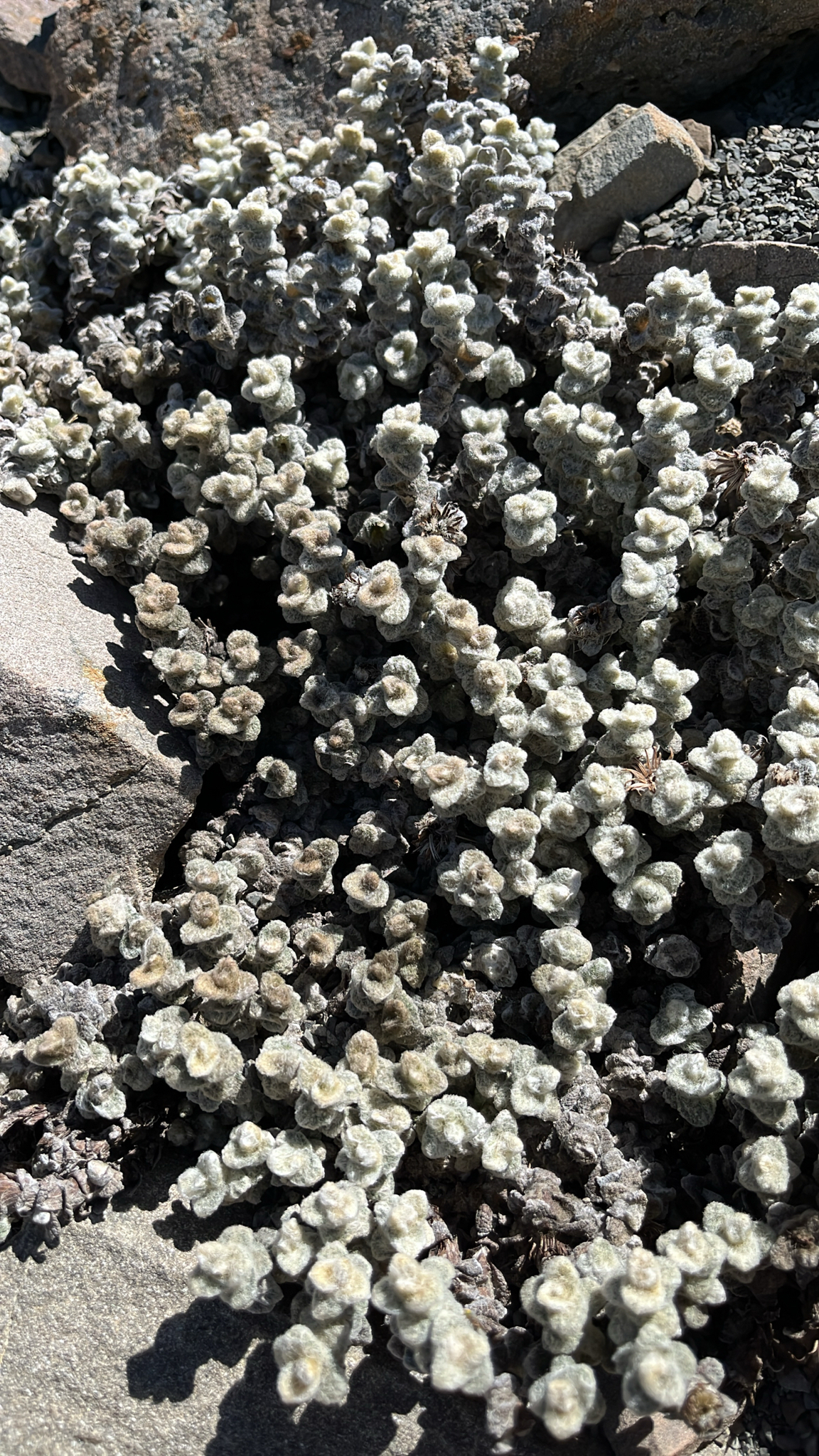
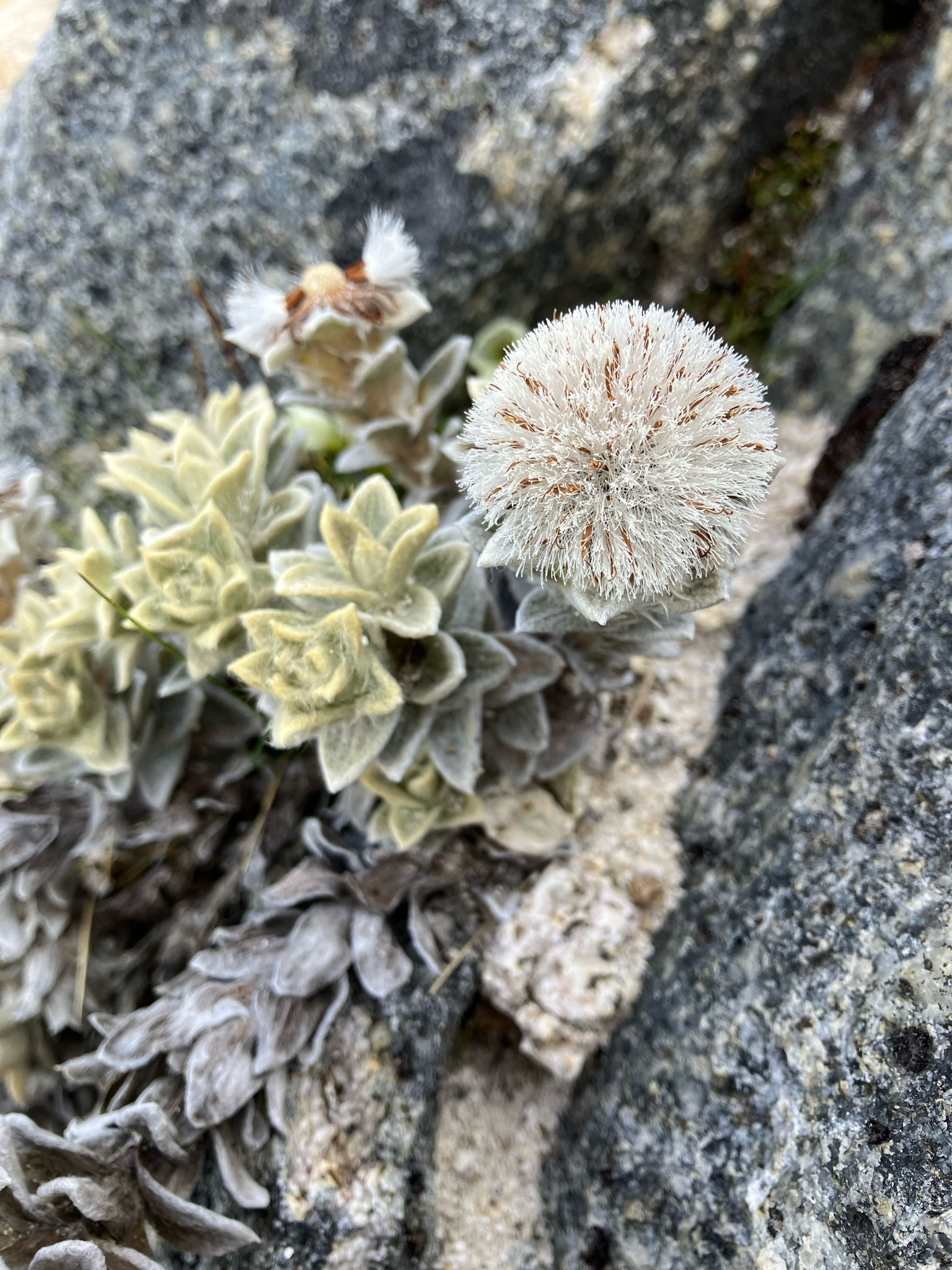
Haastia pulvinaris, also known as cushion plant, is a cushion-forming perennial herb native to the mountains of South Africa. It features dense rosettes of succulent leav
At-a-glance light, water, soil, and growing conditions from plant data
Full Sun
100% intensity
Requires bright, direct sunlight for at least 6-8 hours daily. Can tolerate some partial shade during the hottest part of the day.
Infrequent
25% intensity
Allow soil to dry out completely between waterings. Reduce watering significantly in winter.
Well-drained
50% intensity
Moderate
50% intensity
Prefers warm to hot temperatures during the growing season (18-25°C). Can tolerate cooler temperatures in winter dormancy (around 5-10°C).
Very Low
10% intensity
Fertilize sparingly, only once during the growing season with a diluted succulent fertilizer.
Safety information from plant toxicity data
| Attribute | Value |
|---|---|
| Toxic for humans | No 0/5 intensity |
| Toxic for pets | No 0/5 intensity |
| Edible | No |
None
Key traits and growing stats from plant data
Watering, pruning, propagation, and repotting details from plant data
Water sparingly, allowing the soil to dry out completely between waterings. Overwatering is a common cause of root rot, especially in winter. Ensure excellent drainage to prevent waterlogging.
Pruning is generally not required for Haastia pulvinaris. If any dead or damaged leaves appear, they can be carefully removed with clean, sharp scissors. The plant naturally forms a compact cushion shape.
Propagation is best achieved through stem cuttings taken during the spring or summer. Allow cuttings to callus over for a few days before planting in a well-draining succulent or cactus mix.
Rooting typically occurs within a few weeks.
Repot infrequently, only when the plant has outgrown its current container. This is usually every 2-3 years. Use a gritty, fast-draining potting mix. Repotting is best done in spring after the main growing season begins.
Identify plants like this with ePlant AI
Snap a photo to get care tips and match similar species on the go.
Monthly activity intensity for bloom and fruit across both hemispheres.
Flowering & fruiting calendar
Flowering & fruiting calendar
Photos of Haastia Pulvinaris (Haastia pulvinaris)
Where Haastia Pulvinaris (Haastia pulvinaris) is found

Density
Tap map to explore
Common names and botanical synonyms
Botanical classification
| Rank | Name |
|---|---|
| Kingdom | Plantae |
| Division | Tracheophyta |
| Class | Magnoliopsida |
| Order | Asterales |
| Family | Asteraceae |
| Genus | Haastia |
| Species | Haastia pulvinaris |
Similar in genus Haastia
Answers based on plant encyclopedia data