Water
Water regularly to keep the soil consistently moist, especially during dry periods. Avoid waterlogging the roots, as this can lead to root rot. Reduce watering in the fall and winter when the plant's growth slows down.
Also known as Eupatoire Rugueuse (fr) · Eupatorium Rugosum (prev. Name) · Richweed
Safety note: This plant may be toxic to humans and pets. See toxicity details.
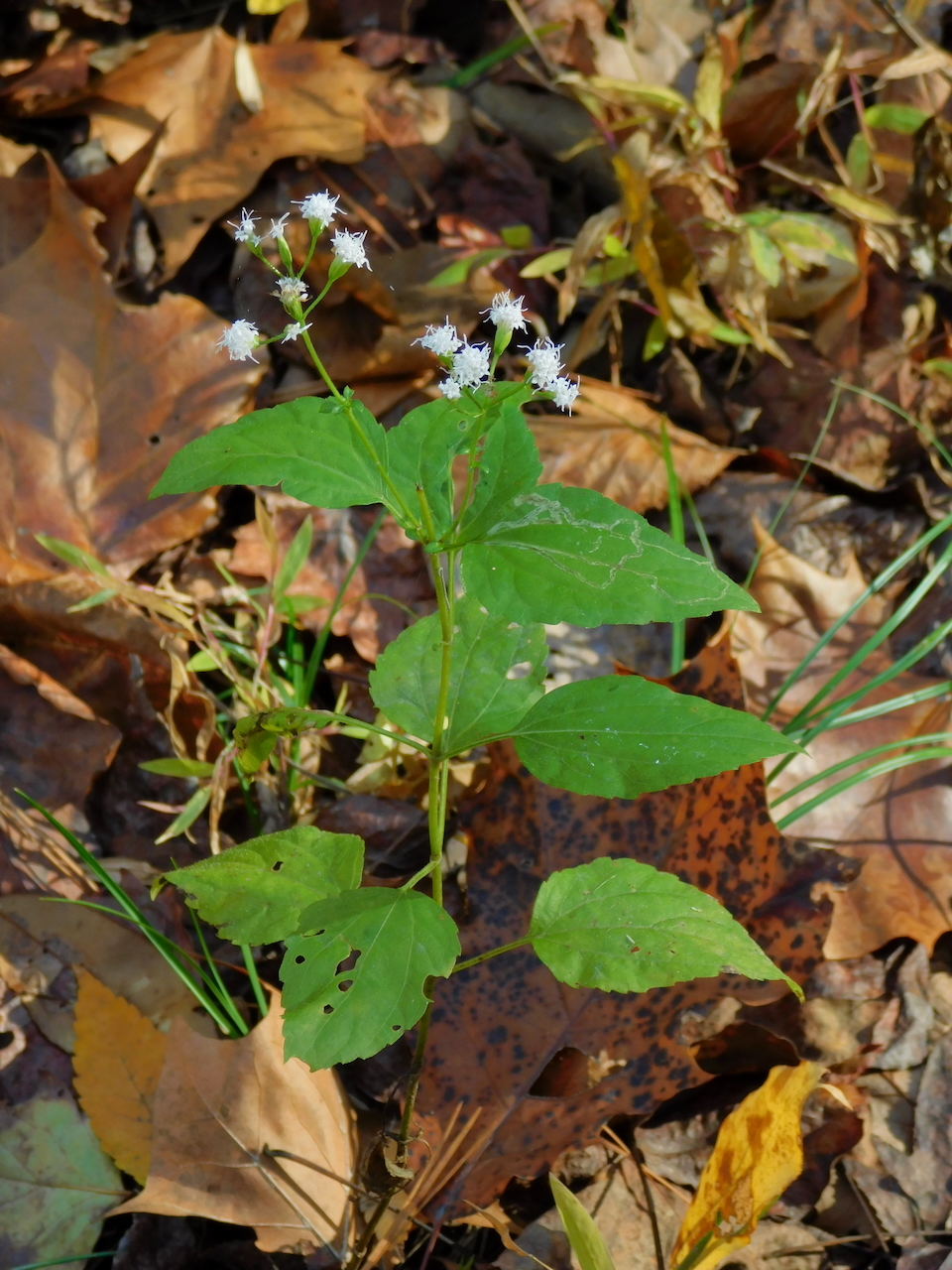
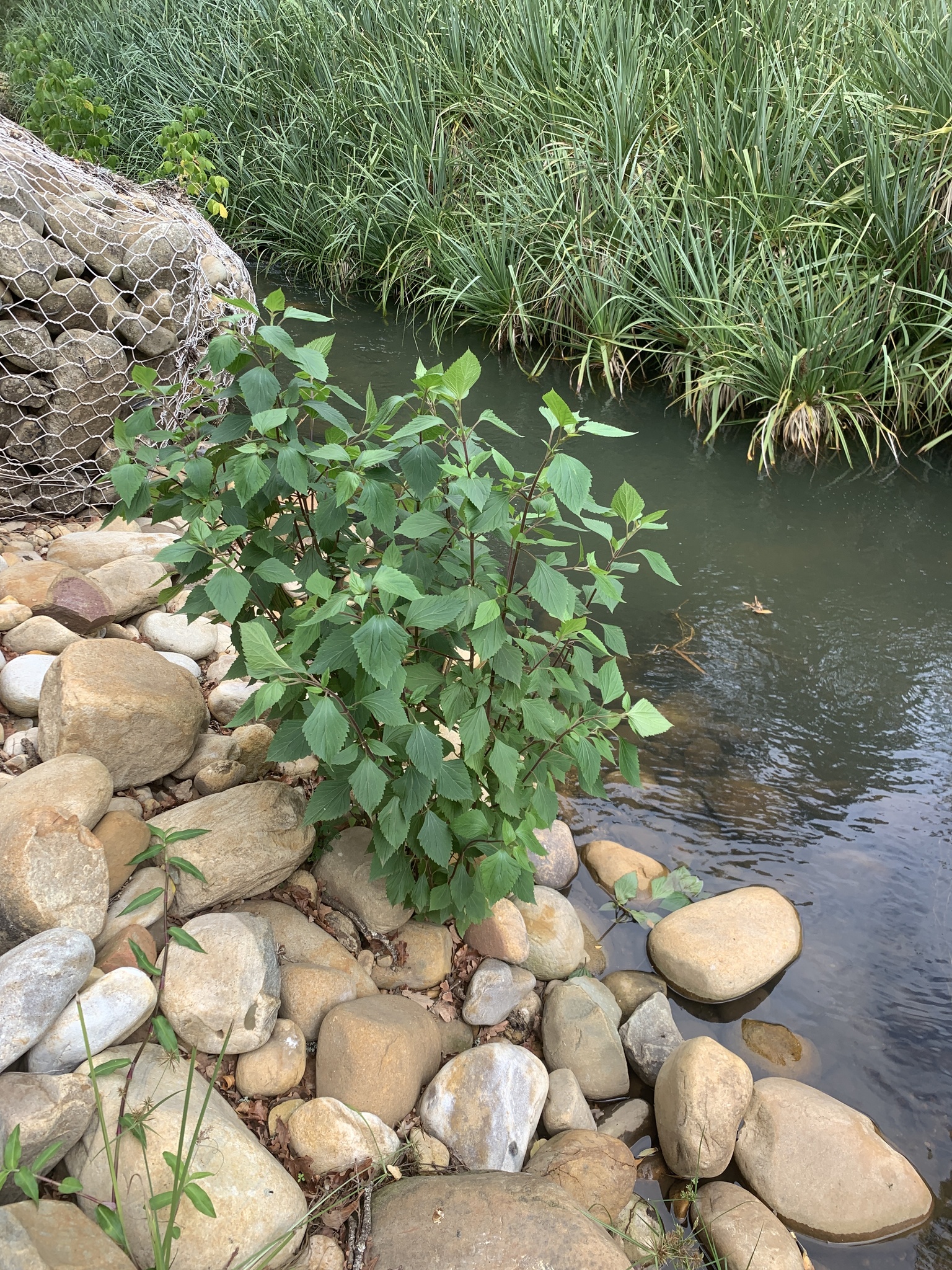
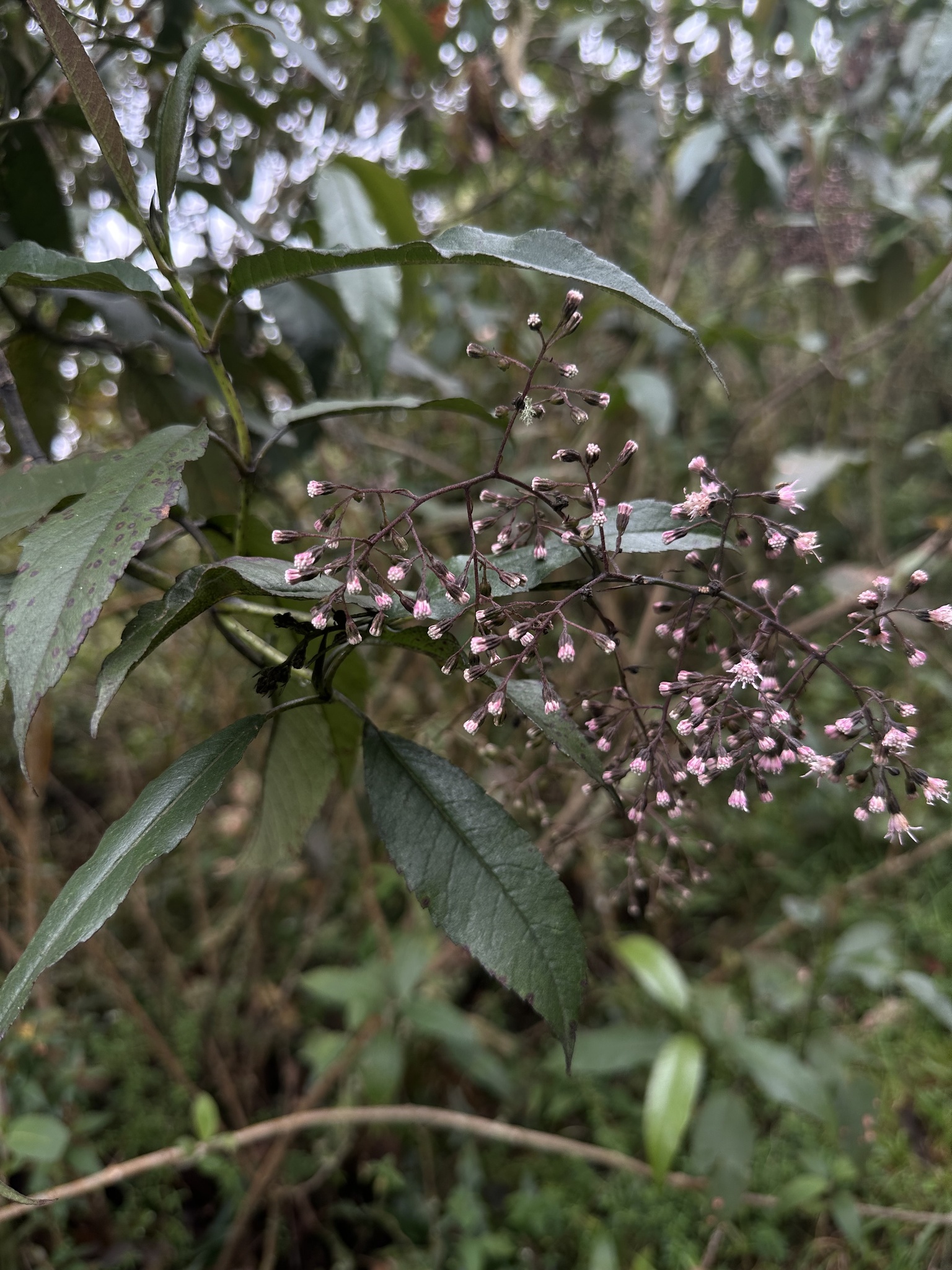
White snakeroot (Ageratina altissima) is a toxic perennial herb native to eastern and central North America, with clusters of white flowers.
At-a-glance light, water, soil, and growing conditions from plant data
Partial Shade to Full Sun
50% intensity
Tolerates a range of light conditions, but flowering is best in full sun. Can scorch in intense afternoon sun.
Moderate
50% intensity
Keep soil consistently moist but not waterlogged. Reduce watering in dormant periods.
Adaptable, prefers moist, well-drained soil
50% intensity
Moderate
50% intensity
Prefers moderate temperatures, thriving in zones 3-8. Can tolerate light frosts.
Low
25% intensity
Requires minimal feeding. A light application of balanced fertilizer in spring is sufficient.
Safety information from plant toxicity data
| Attribute | Value |
|---|---|
| Toxic for humans | Yes 5/5 intensity |
| Toxic for pets | Yes 5/5 intensity |
| Edible | No |
All parts of the plant are toxic if ingested, especially when fresh. The toxin, tremetol, can be transferred to milk from cows that have eaten the plant, causing 'trembles' in both the animals and humans consuming the milk.
Key traits and growing stats from plant data
Watering, pruning, propagation, and repotting details from plant data
Water regularly to keep the soil consistently moist, especially during dry periods. Avoid waterlogging the roots, as this can lead to root rot. Reduce watering in the fall and winter when the plant's growth slows down.
Prune back dead or damaged stems anytime. To maintain a tidy appearance and encourage bushier growth, cut back the plant by about one-third in late spring or early summer.
Deadheading spent flowers can prevent unwanted self-seeding.
Easily propagated from seed sown in the fall or early spring. Division of established clumps in early spring is also an effective method. Cuttings taken in late spring or early summer can also be rooted successfully.
Ageratina altissima is a vigorous perennial that benefits from division rather than repotting. If a specimen becomes overgrown or congested, divide the root ball in early spring.
Newly divided sections can be replanted directly into the garden.
Identify plants like this with ePlant AI
Snap a photo to get care tips and match similar species on the go.
Monthly activity intensity for bloom and fruit across both hemispheres.
Flowering & fruiting calendar
Flowering & fruiting calendar
Photos of White Snakeroot (Ageratina altissima)
Common names and botanical synonyms
Botanical classification
| Rank | Name |
|---|---|
| Kingdom | Plantae |
| Division | Tracheophyta |
| Class | Magnoliopsida |
| Order | Asterales |
| Family | Asteraceae |
| Genus | Ageratina |
| Species | Ageratina altissima |
Similar in genus Ageratina
Answers based on plant encyclopedia data