Water
Water consistently, especially during dry spells, ensuring the soil remains moist but not waterlogged. Reduce watering as the foliage begins to yellow and die back, signaling the end of the growing season and readiness for harvest.
Also known as Bhâbâng Mèra · Potato Onion · Shallot
Safety note: This plant may be toxic to humans and pets. See toxicity details.
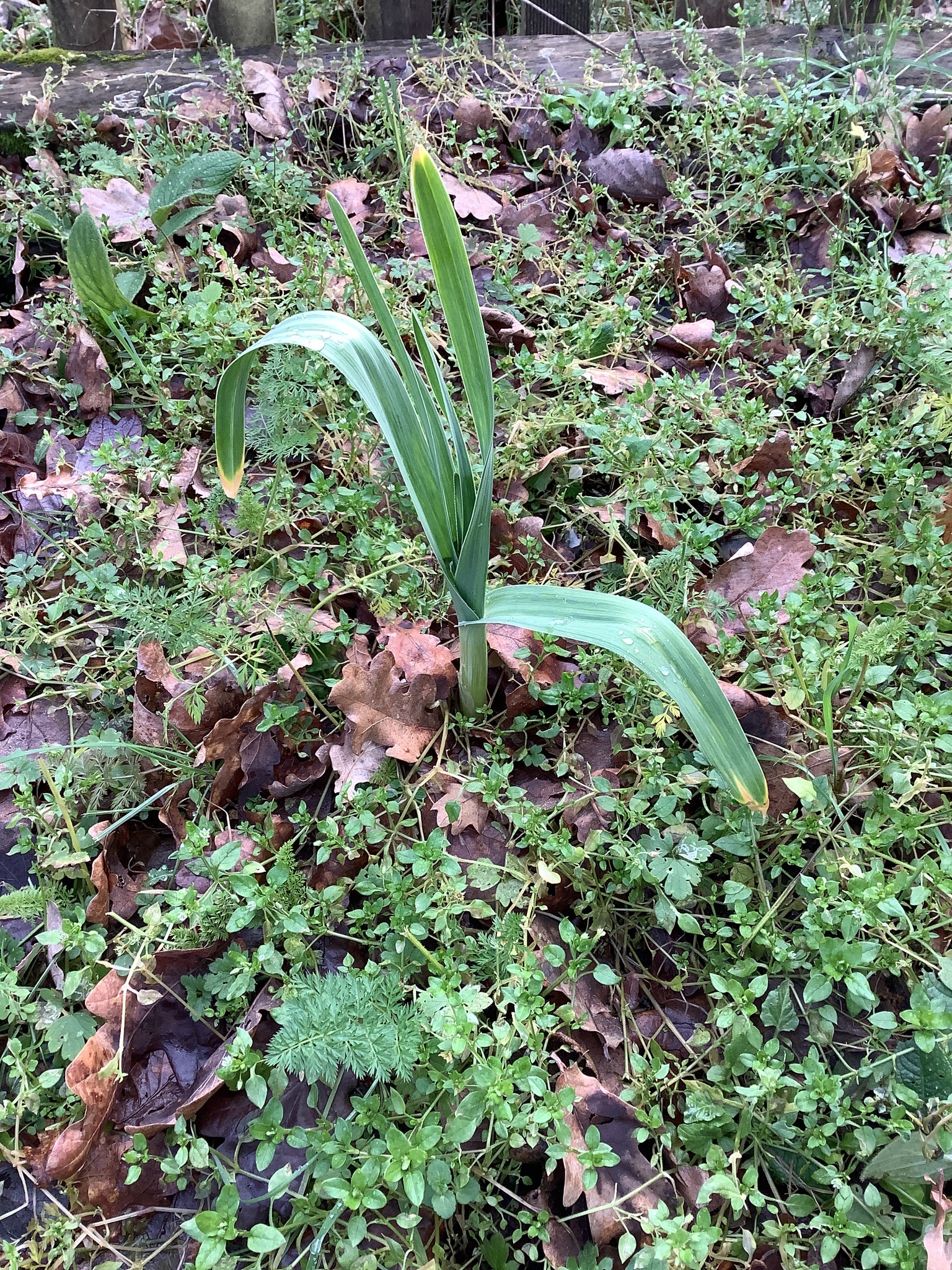
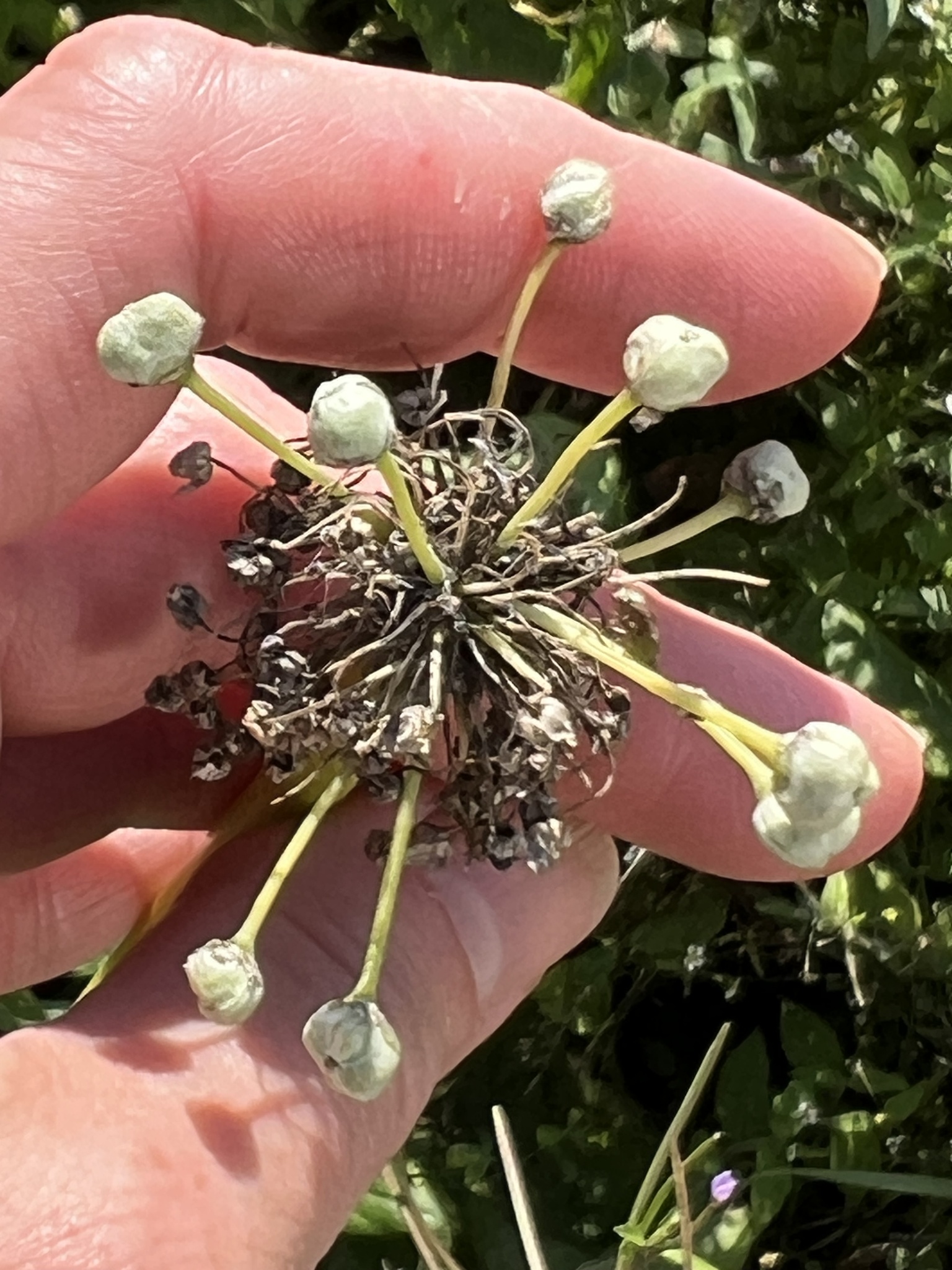
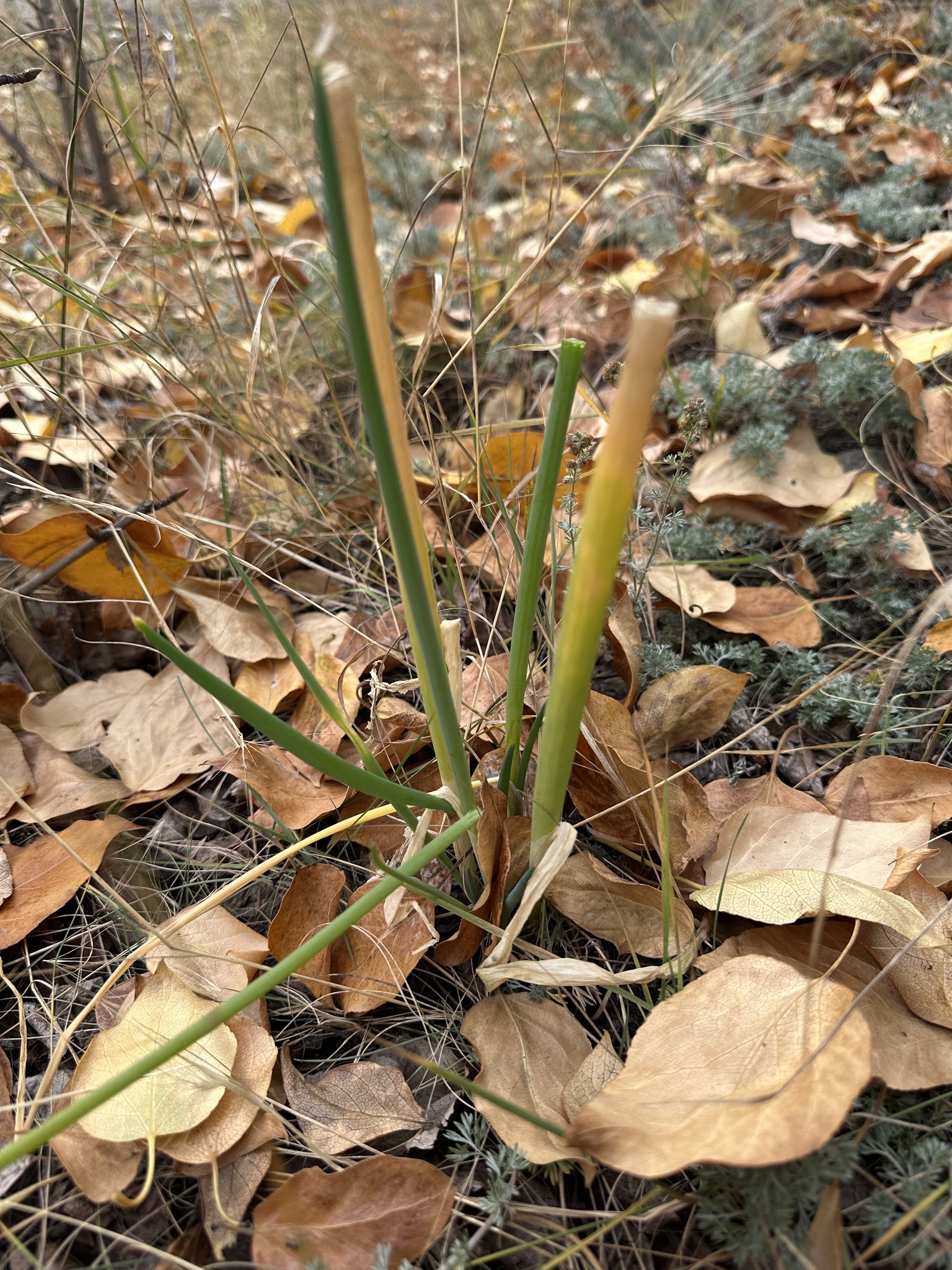
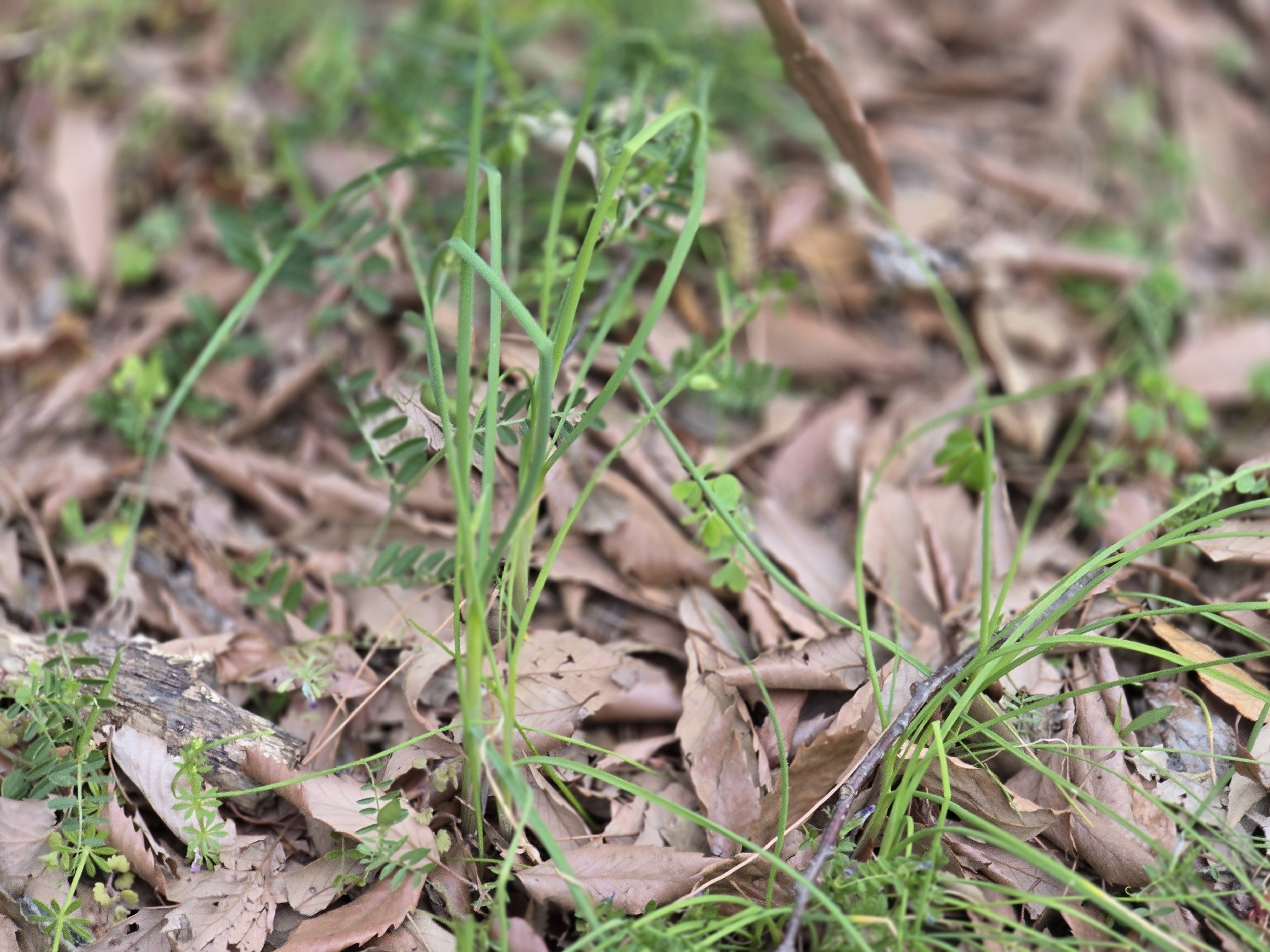
Wild Onion (Allium ascalonicum) is an aromatic herb with a characteristic onion scent, commonly found in various habitats. It's a member of the Allium genus, known for it
At-a-glance light, water, soil, and growing conditions from plant data
Full Sun
100% intensity
Prefers at least 6-8 hours of direct sunlight daily for optimal growth and bulb development.
Moderate
50% intensity
Keep soil consistently moist during growth, reduce when foliage yellows.
Well-drained, fertile soil
50% intensity
Moderate
50% intensity
Grows best in temperatures between 15-25°C. Can tolerate cooler temperatures for bulb formation.
Low
25% intensity
Benefits from compost at planting; light feeding during growth if needed, but avoid over-fertilizing.
Safety information from plant toxicity data
| Attribute | Value |
|---|---|
| Toxic for humans | Yes 2/5 intensity |
| Toxic for pets | Yes 4/5 intensity |
| Edible | Yes |
Contains organosulfur compounds that can cause gastrointestinal upset in pets and humans. Hemolytic anemia is a concern in some animals, especially cats and dogs, with significant ingestion.
Key traits and growing stats from plant data
Watering, pruning, propagation, and repotting details from plant data
Water consistently, especially during dry spells, ensuring the soil remains moist but not waterlogged. Reduce watering as the foliage begins to yellow and die back, signaling the end of the growing season and readiness for harvest.
Pruning is generally not required for *Allium ascalonicum*. However, you may remove any dead or diseased foliage as it appears to maintain plant health and prevent the spread of issues.
Once the leaves start to yellow and wither, they can be cleared away.
*Allium ascalonicum* is primarily propagated through division of the bulbs or by sowing seeds. Bulbs can be divided in autumn or early spring. Seeds can be sown in autumn or early spring in well-drained soil.
Both methods are straightforward for home gardeners.
Repotting is not a typical practice for *Allium ascalonicum* grown in the ground. If grown in containers, it's beneficial to divide and repot the bulbs every 2-3 years in early spring or autumn to prevent overcrowding and ensure vigorous growth and good bulb production.
Identify plants like this with ePlant AI
Snap a photo to get care tips and match similar species on the go.
Monthly activity intensity for bloom and fruit across both hemispheres.
Flowering & fruiting calendar
Flowering & fruiting calendar
Photos of Wild Onion (Allium ascalonicum)
Where Wild Onion (Allium ascalonicum) is found

Density
Tap map to explore
Common names and botanical synonyms
Botanical classification
| Rank | Name |
|---|---|
| Kingdom | Plantae |
| Division | Tracheophyta |
| Class | Liliopsida |
| Order | Asparagales |
| Family | Amaryllidaceae |
| Genus | Allium |
| Species | Allium ascalonicum |
Similar in genus Allium
Answers based on plant encyclopedia data